

Social Listening Strategy is the fastest way to hear what your market is already saying – and to turn that signal into smarter influencer decisions. Instead of guessing which creators, angles, or platforms will work, you can use real conversations to shape briefs, predict objections, and find emerging advocates before they get expensive. In practice, social listening sits between research and execution: it helps you decide what to say, who should say it, and how you will measure impact. This guide breaks down a repeatable workflow you can run monthly, plus the metrics, definitions, and tables you need to make it operational. If you want a system that reduces wasted spend and improves creative fit, start here.
Social listening is the process of collecting and analyzing public conversations across social platforms, forums, reviews, and news to understand sentiment, needs, and trends. It is not the same as social monitoring, which usually means tracking mentions and responding to messages. Listening is broader and more analytical: you look for patterns, clusters of language, and the people driving those conversations. For influencer marketing, the goal is simple – identify the topics and communities that move purchase intent, then match them with creators who can credibly deliver those messages. A practical takeaway: treat listening as an input to creator selection and briefing, not as a vanity dashboard.
Before you build anything, decide what decisions your listening program should support. Common decisions include: which product benefit to lead with, which objections to address, which creators to shortlist, and which content formats to prioritize. If you cannot name the decision, you will collect noise. Also, set a cadence: weekly for fast-moving categories like beauty or gaming, monthly for B2B or higher-consideration products. Finally, document your taxonomy early, because consistent labels are what make trends comparable over time.
Key terms and metrics you need before you start
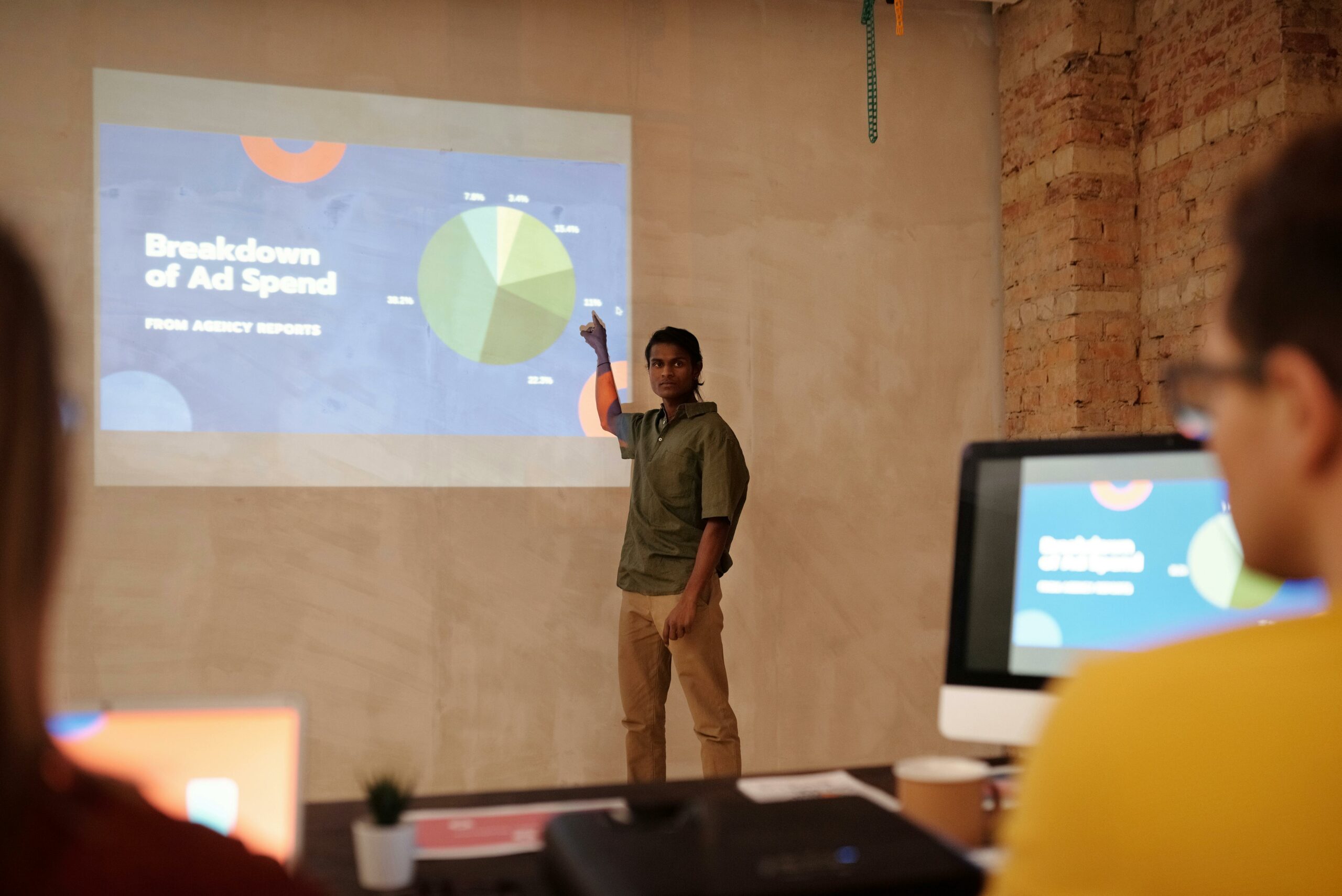
Social listening becomes actionable when you connect conversation signals to campaign metrics and deal terms. Use the definitions below to keep your team aligned and to avoid mismatched expectations with creators and stakeholders. As you read, note which metrics you can measure directly and which require estimation or tracking links. The takeaway here is to standardize definitions in your brief template so every campaign is comparable.
- Reach: the estimated number of unique people who saw content. It is unique users, not total views.
- Impressions: total times content was displayed. One person can generate multiple impressions.
- Engagement rate: engagements divided by reach or impressions (define which). A common formula is ER by impressions = (likes + comments + shares + saves) / impressions.
- CPM (cost per mille): cost per 1,000 impressions. CPM = cost / (impressions / 1000).
- CPV (cost per view): cost per video view. CPV = cost / views. Define view threshold by platform.
- CPA (cost per acquisition): cost per conversion (purchase, signup, install). CPA = cost / conversions.
- Whitelisting: running paid ads through a creator handle (also called creator licensing). It can improve performance but needs permissions.
- Usage rights: permission for the brand to reuse creator content (organic, paid, duration, channels).
- Exclusivity: limits on the creator working with competitors for a period of time. It affects pricing.
Example calculation: you pay $2,500 for a creator video that delivers 180,000 impressions and 2,400 engagements. CPM is $2,500 / (180,000/1000) = $13.89. If you define engagement rate by impressions, ER is 2,400 / 180,000 = 1.33%. That combination tells you whether you bought efficient reach and whether the creative resonated.
Social Listening Strategy goals: turn questions into queries
Start with a short list of business questions, then translate them into listening queries you can run consistently. This is where most teams go wrong: they search for their brand name and stop. Instead, build queries around category problems, competitor comparisons, and language people use when they are close to buying. A useful rule: if a query does not map to a decision, remove it.
Use three query layers. First, category queries capture broad demand (for example, “protein powder bloating” or “best budget microphone”). Second, brand and competitor queries capture switching behavior and objections. Third, creator and community queries capture who is shaping the conversation (podcasts, subreddits, TikTok formats, recurring hashtags). When you build queries, include misspellings, slang, and “vs” comparisons. Also, add negative keywords to filter irrelevant chatter, especially if your brand name overlaps with common words.
Concrete takeaway: write your listening brief as a table with three columns – question, query string, decision it informs. That one page keeps your program focused and makes it easier to justify time and tools.
Tooling and workflow: from raw mentions to influencer shortlists
You can run a basic program with native platform search and spreadsheets, but you will hit limits quickly. Dedicated tools help with historical data, sentiment, and cross-platform coverage. Still, the workflow matters more than the tool. The key is to move from “what people say” to “what we do next” in a predictable sequence.
Here is a practical workflow you can repeat every month:
- Collect: run your saved queries across platforms and export top posts, authors, and engagement.
- Cluster: group mentions by theme (benefits, objections, use cases, competitor comparisons, price sensitivity).
- Score: rank themes by volume, velocity (growth), and relevance to your product margin or priority SKU.
- Map creators: identify creators repeatedly appearing in high-signal clusters, not just high-follower accounts.
- Validate: check audience fit, past brand safety, and content quality before outreach.
- Brief: turn the winning themes into hooks, talking points, and proof assets.
- Measure: connect campaign results back to the themes to refine your next cycle.
For ongoing education and examples of how teams operationalize this, use the InfluencerDB blog on influencer marketing strategy as a reference point when you build your internal process docs.
| Approach | Best for | Strength | Limitations | Practical tip |
|---|---|---|---|---|
| Native platform search | Early-stage, small brands | Free and fast | Limited history and exports | Save 10 core hashtags and review weekly |
| Spreadsheet + manual tagging | Teams building a taxonomy | Forces clarity and consistency | Time-intensive at scale | Tag 100 posts per month to keep it manageable |
| Social listening platform | Multi-market, multi-channel programs | Trend detection and sentiment | Setup complexity | Start with 20 queries, then expand based on decisions |
| Creator analytics + listening | Influencer selection and vetting | Connects conversation to creators | Needs clean naming conventions | Standardize creator handles and campaign IDs |
Turning conversation themes into briefs that creators can execute
Listening is only valuable if it changes what you publish. The simplest bridge is a brief format that translates themes into creator-friendly direction. Start by writing one sentence per theme: the audience belief, the proof you can offer, and the action you want. Then, add guardrails: what must be said, what cannot be said, and what is optional for creative freedom. This approach reduces revisions and keeps content authentic.
Build your brief around four parts:
- Hook library: 5 to 10 opening lines pulled from real comments and questions.
- Proof assets: screenshots, lab results, demo steps, or product specs that support the claim.
- Objection handling: 3 common concerns and suggested responses.
- CTA options: purchase, quiz, email signup, or “save for later” depending on funnel stage.
Concrete takeaway: include at least two “verbatim phrases” from listening in every brief. Creators can paraphrase, but the phrasing keeps you aligned with how people actually talk.
If you need a quick refresher on how to structure campaign documentation, browse the and adapt the templates to your internal workflow.
Measurement: connect listening signals to ROI
To prove value, you need a measurement plan that links themes to performance. Start by tagging each creator deliverable with a theme code (for example, T1 = “sensitive skin,” T2 = “price vs value,” T3 = “before and after”). Then, compare performance by theme, not just by creator. Over time, you will learn which messages drive efficient reach and which drive conversions.
Use a simple scorecard that combines top-of-funnel and bottom-of-funnel metrics. A practical rule: do not judge conversion campaigns on engagement rate alone, and do not judge awareness campaigns on CPA alone. Instead, pick two primary metrics and two secondary metrics per campaign objective.
| Objective | Primary metrics | Secondary metrics | Theme decision rule | Example |
|---|---|---|---|---|
| Awareness | Reach, CPM | Video completion, saves | Scale themes with lowest CPM at stable completion | If CPM under $15 and 50% completion holds, expand |
| Consideration | CPV, click-through rate | Comments quality, profile visits | Prioritize themes that increase qualified clicks | Theme T2 drives 30% higher CTR than average |
| Conversion | CPA, conversion rate | Revenue per click, refund rate | Keep themes with best CPA and acceptable refund rate | T1 CPA $22 vs $35 baseline, refunds steady |
| Retention | Repeat purchase rate, email signups | UGC volume, sentiment | Invest in themes that generate helpful how-to content | How-to theme increases repeat orders in 60 days |
Example calculation for CPA: you spend $8,000 across four creators and track 320 purchases via unique codes and UTMs. CPA = $8,000 / 320 = $25. If one theme cluster accounts for 180 of those purchases, you have a clear signal to brief more creators on that angle next month.
For platform-specific measurement definitions, reference official documentation like Google Analytics guidance on UTM parameters so your tracking stays consistent across teams.
Common mistakes that make listening useless
Most listening programs fail for predictable reasons. The first is collecting too much data without a taxonomy, which makes trends impossible to compare. The second is focusing on volume alone, which overweights viral noise and underweights high-intent questions. Another frequent issue is ignoring context: a negative mention might be about a shipping delay, not the product itself. Finally, teams often forget to close the loop, so insights never reach briefs, creative, or product.
- Mistake: tracking only brand mentions. Fix: track category problems and competitor comparisons.
- Mistake: relying on sentiment alone. Fix: read samples and tag by intent (researching, comparing, ready to buy).
- Mistake: choosing creators based on follower count. Fix: shortlist creators who repeatedly appear in high-signal themes.
- Mistake: no measurement plan. Fix: assign theme codes to deliverables and report performance by theme.
Concrete takeaway: schedule a 30-minute monthly “insights to actions” meeting where you must produce three decisions – one brief update, one creator shortlist change, and one test to run.
Best practices: a repeatable system you can run every month
Once the basics work, best practices help you scale without losing clarity. Start by keeping your query set stable and adding only a few new queries per month, otherwise you cannot compare results. Next, track “language shifts” by saving exact phrases that spike, because creators can use that language in hooks and captions. Also, build a lightweight creator panel: 20 to 50 creators you monitor regularly, even when you are not actively hiring them. That panel becomes your early warning system for trend changes.
Use these best practices as a checklist:
- Standardize naming: theme codes, campaign IDs, and creator handles in one sheet.
- Sample intelligently: read at least 50 posts per major theme before making a decision.
- Separate hype from intent: prioritize “how do I” and “which is better” queries over generic praise.
- Protect trust: ensure creators disclose partnerships clearly. Review the FTC guidance on influencer disclosures when updating your contract language.
- Document learnings: one page per month with top themes, winning hooks, and what you will test next.
Concrete takeaway: treat listening insights like creative inventory. If a theme wins, you should be able to reuse it across three creators and two formats within two weeks.
Quick-start 14-day plan
If you want to implement this without boiling the ocean, run a 14-day sprint. Days 1 to 2: define your three decisions and build 15 to 25 queries. Days 3 to 6: collect and tag 200 posts, then cluster into 6 to 10 themes. Days 7 to 9: map the top creators per theme and validate fit with a quick audit of content quality, audience alignment, and brand safety. Days 10 to 12: write one brief with a hook library, proof assets, and objection handling. Days 13 to 14: launch a small test with 2 to 4 creators and report results by theme code.
To keep your process sharp, maintain a running playbook in your team wiki and link out to the whenever you update templates, tracking conventions, or creator evaluation criteria.