
Eventos de esports are now one of the fastest ways for brands to reach hard-to-buy audiences, but only if you plan the creator layer like a media buy, not a swag drop. In practice, that means you define what you are buying (reach, attention, clicks, or sales), pick creators who match the game and the moment, and lock deliverables and rights before the first match goes live. Because esports audiences move quickly across Twitch, YouTube, TikTok, and X, you also need a measurement plan that works across platforms. This guide breaks the process into clear steps, with benchmarks, formulas, and negotiation rules you can use immediately.
Eventos de esports: what you are really buying
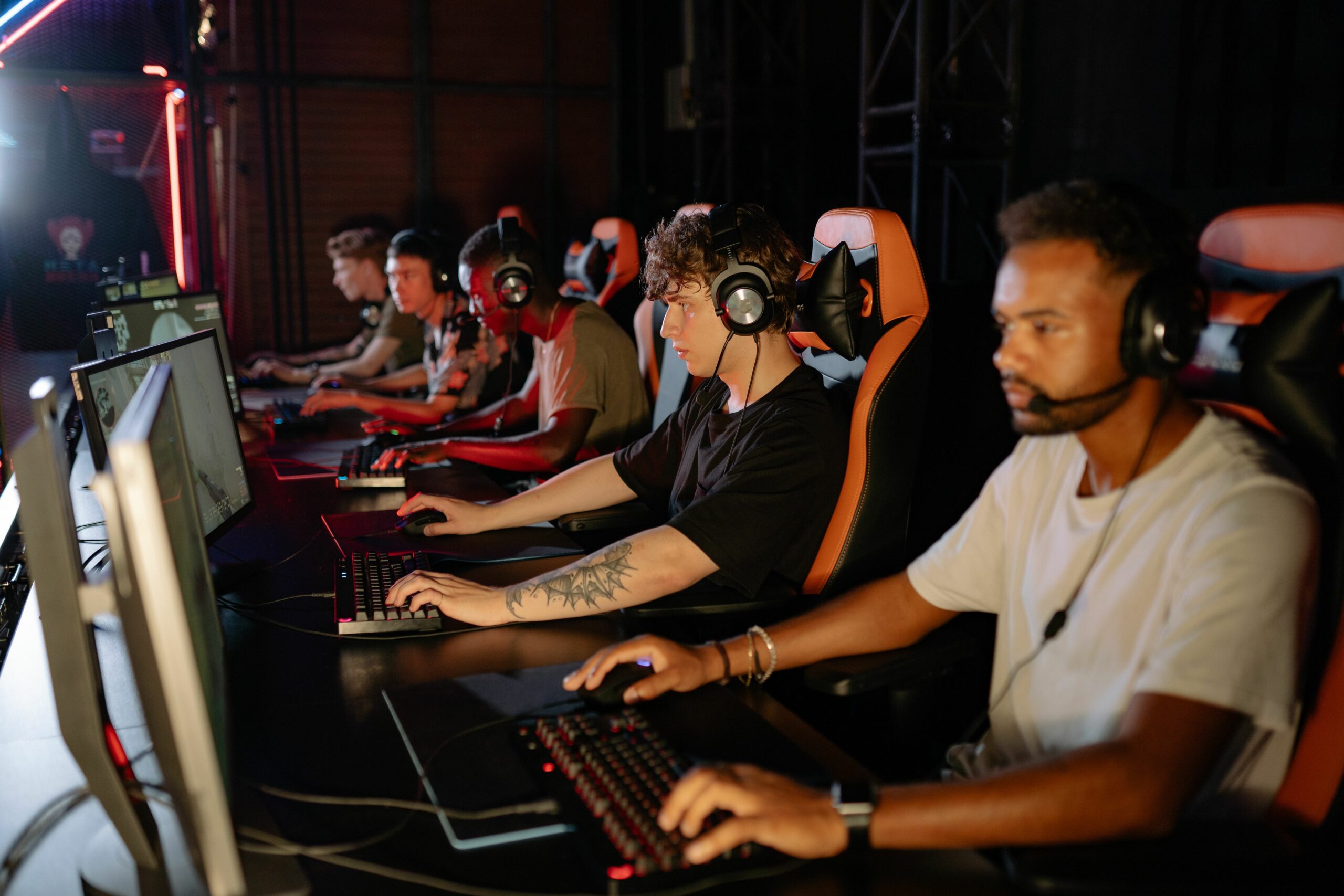
Before you price anything, get specific about the asset. An esports event can be a live tournament, a watch party, a LAN final, a community qualifier, or even a creator-led show match. Each format changes the audience behavior and, therefore, the right KPI. For example, a live final is great for reach and brand lift, while a creator watch party is often better for engagement and click intent. A simple decision rule helps: if the event has a predictable schedule and big peaks, optimize for reach and share of voice; if it is creator-driven with chat momentum, optimize for engagement and click-through. Write your objective in one sentence: “We will drive X outcome among Y audience during Z window.”
Define key terms early so your team and partners speak the same language. Reach is the number of unique people who saw content; impressions are total views including repeats. Engagement rate is typically engagements divided by impressions or views, depending on the platform reporting. CPM is cost per thousand impressions, CPV is cost per view, and CPA is cost per acquisition (a purchase, signup, or other conversion). Whitelisting means running paid ads through a creator’s handle with permission, while usage rights define where and how long you can reuse the content. Exclusivity restricts the creator from promoting competitors for a set period, which increases price and should be tied to a clear business reason.
- Takeaway: Choose one primary KPI per activation (reach, engagement, traffic, or sales) and one secondary KPI, then price around that choice.
- Takeaway: Put definitions for CPM, CPV, CPA, reach, impressions, whitelisting, usage rights, and exclusivity directly into your brief to avoid disputes later.
Set KPIs and measurement that survive multi-platform chaos
Esports campaigns fail quietly when measurement is an afterthought. Start with a KPI tree: top-line goal, supporting metrics, and the instrumentation you need to collect them. If the goal is awareness, you will care about reach, frequency, and video completion. If the goal is consideration, track click-through rate, landing page views, and time on site. If the goal is sales, you need attribution that is realistic for creator content, such as unique codes, tracked links, and post-purchase surveys. For baseline definitions and how platforms think about measurement, it helps to align with industry standards like the IAB measurement guidance at IAB.
Use simple formulas so stakeholders can sanity-check performance. CPM formula: CPM = cost / (impressions / 1000). CPV formula: CPV = cost / views. CPA formula: CPA = cost / conversions. Engagement rate (view-based): ER = engagements / views. Also decide what counts as a “view” for short-form video: many teams use 2-second views for platform reporting, but for comparisons you may prefer 3-second or 50 percent completion where available. Make that choice explicit so you do not compare apples to oranges.
Example: you pay $12,000 for a creator package tied to a tournament weekend. The content generates 1,800,000 impressions and 420,000 views on short-form clips. Your CPM is $12,000 / (1,800,000/1000) = $6.67. Your CPV is $12,000 / 420,000 = $0.0286. If tracked links drive 1,050 site visits and 42 purchases, your CPA is $12,000 / 42 = $285.71. That CPA might be fine for a high-LTV product, but it is a red flag for low-margin merch. The point is not the number – it is the decision you make next.
- Takeaway: Pick one view definition for reporting and document it in the campaign plan.
- Takeaway: Always compute CPM, CPV, and CPA from raw counts so you can compare creators fairly.
Creator selection for esports events: a data-first shortlist
Creator selection is where most of the ROI is won. Start with audience fit, not follower count. In esports, game affinity matters: a Valorant creator can move a Valorant audience, but may underperform on a Rocket League event even with similar reach. Next, map creators to roles: host, analyst, hype builder, highlights editor, or community captain. This helps you avoid paying premium rates for a creator to do a job their audience does not expect from them.
Use a three-layer filter. Layer one is safety and authenticity: check recent content, brand adjacency, and any history of controversial behavior. Layer two is performance: look at median views, not the best clip, and check consistency over the last 30 to 90 days. Layer three is conversion readiness: do they use links, codes, pinned comments, or clear CTAs, and do they have a track record of driving action? If you need a refresher on how to structure your broader influencer workflow, you can pull ideas from the InfluencerDB blog guides on influencer marketing and adapt them to esports timelines.
Fraud is less common in tight esports communities than in some lifestyle niches, but it still exists. Watch for sudden follower spikes, engagement that does not match view velocity, and comment sections filled with generic phrases. A quick manual check helps: scroll 20 posts back and compare typical view counts, then look at the ratio of likes to comments. If a creator has 200,000 views but only 300 likes repeatedly, something is off. Finally, confirm platform mix: a Twitch-heavy creator may be perfect for live integrations but weak for TikTok cutdowns unless they have an editor pipeline.
- Takeaway: Shortlist creators by role (host, hype, highlights) and match deliverables to what their audience already rewards.
- Takeaway: Use median views and 30 to 90 day consistency as your primary performance signal.
Pricing benchmarks and deal structure (with negotiation rules)
Pricing for esports event creators usually blends two things: the value of live attention and the value of reusable content. Live integrations can command a premium because they feel native and scarce, while short-form clips can scale reach after the event if you have usage rights. To keep pricing rational, anchor on CPM or CPV and then adjust for complexity, exclusivity, and rights. If you are unsure where to start, treat your first event as a benchmark build: pay for a defined package, measure hard, then update your internal rate card.
| Deliverable | Typical pricing basis | What to specify in the contract | Best use at events |
|---|---|---|---|
| Live shoutout or segment integration | Flat fee + expected average concurrent viewers | Exact wording, timing, number of mentions, on-screen assets | Finals, show matches, sponsor moments |
| TikTok or Shorts highlight clip | CPV or flat fee based on median views | Length, hook, CTA, posting window, link placement | Hype building and post-event recap |
| Watch party | Flat fee + bonus on peak viewers | Co-stream permissions, overlays, moderation, brand safety | Group stage coverage and community engagement |
| Discord or community activation | Flat fee | Number of posts, giveaway rules, tracking method | Ticketing, drops, and retention |
Negotiation gets easier when you separate creative labor from media value. Creative labor includes scripting, filming, editing, and coordination with the event team. Media value is the expected distribution. Ask for a package quote, then request a line-item breakout so you can trade scope instead of haggling on price. For example, if the quote is high, reduce the number of revisions, shorten exclusivity, or limit usage rights duration. Conversely, if you need whitelisting, pay for it explicitly because it adds risk to the creator’s brand and often increases comment moderation load.
| Pricing lever | How it changes cost | Decision rule | Example clause to add |
|---|---|---|---|
| Usage rights | +10 to 100 percent depending on duration and channels | Only buy rights you will actually use | “Brand may use content on paid social for 90 days.” |
| Exclusivity | +15 to 50 percent | Limit to direct competitors and short windows | “No direct competitor sponsors for 30 days.” |
| Whitelisting | Monthly fee or percent uplift | Use it when creative tests well organically | “Creator grants ad authorization for 60 days.” |
| Performance bonus | Protects both sides | Use for traffic or sales goals | “Bonus triggers at 1,000 clicks or 50 sales.” |
- Takeaway: Negotiate by trading scope (rights, exclusivity, revisions) instead of pushing only on the flat fee.
- Takeaway: Add performance bonuses when you need action, not just awareness.
Build a brief that creators can execute during a live event
Event timelines are unforgiving, so your brief must be tight. Start with the “why now” and the single message you need viewers to remember. Then list deliverables with exact dates and the posting windows relative to the match schedule. Include brand safety rules, but keep them realistic for esports culture. If you ban every meme and every slang term, you will get stiff content that the audience ignores.
Include a creative framework instead of a script. Give creators three approved talking points, two prohibited claims, and one required CTA. Provide assets in the formats they actually use: transparent PNG logos, lower thirds, and a short link that is easy to read on stream. If you need disclosures, specify where they go. In the US, the FTC is clear that disclosures must be clear and conspicuous; the official guidance at FTC endorsements guidance is worth linking in your internal docs so legal and marketing stay aligned.
- Takeaway: Put posting windows in event time, not calendar time, for example “within 2 hours after semifinal.”
- Takeaway: Provide a three-point message box plus a single CTA to keep content consistent across creators.
Tracking and reporting: a simple dashboard you can trust
Because esports campaigns span platforms, build reporting around a few consistent fields: creator, platform, deliverable, post URL, publish time, impressions, views, engagements, clicks, and cost. Add notes for context, such as “posted during technical pause” or “match went to overtime,” because those moments can swing performance. Use UTM parameters for every link and keep naming consistent so you can filter by event, creator, and phase. If you run whitelisted ads, separate organic results from paid results so you do not double count.
For a lightweight approach, you can report in three layers. Layer one is delivery confirmation: did every post go live on time and match the brief. Layer two is performance: CPM, CPV, CTR, and engagement rate by creator and by format. Layer three is learning: what hooks worked, what CTAs drove clicks, and what timing produced the best view velocity. If you want more templates for repeatable reporting, browse the and adapt the structure to your event calendar.
Here is a practical example of a post-event calculation you can show a finance team. Suppose you spent $60,000 across five creators and generated 9,500,000 impressions. Your blended CPM is $60,000 / (9,500,000/1000) = $6.32. If your tracked links drove 14,000 visits and your site converted at 1.2 percent, you estimate 168 purchases. Your estimated CPA is $60,000 / 168 = $357.14. Now compare that to your paid social CPA for the same product. If the creator CPA is higher but the content also lifted branded search, you may still keep it, but you should then shift the goal to awareness and stop judging it like a direct response ad.
- Takeaway: Separate delivery, performance, and learning in your report so stakeholders do not confuse “posted” with “worked.”
- Takeaway: Always compute blended CPM and CPA across the full creator set to evaluate the event sponsorship as a package.
Common mistakes (and how to avoid them)
The most common mistake is buying creators too late. If you reach out a week before a major tournament, top creators are booked, and you will overpay for whoever is available. Another frequent error is vague rights language, which leads to awkward follow-ups when you want to reuse clips in ads. Teams also misjudge platform fit, hiring a Twitch-first creator for TikTok deliverables without confirming they have an editing workflow. Finally, many brands set a sales KPI but provide no incentive, no offer, and no landing page tailored to the event audience.
- Avoid it: Start outreach 4 to 6 weeks before the event and lock deliverables 2 weeks before.
- Avoid it: Put usage rights, whitelisting, and exclusivity in plain language with dates and channels.
- Avoid it: Match the deliverable to the creator’s proven format, not the format you wish they were good at.
Best practices for repeatable esports event wins
Build a creator bench you can reuse across seasons. When you find creators who deliver on time and perform, keep them warm with early access to schedules and clear renewal options. Next, design content for the event arc: pre-event hype, live moments, and post-event highlights. That arc lets you learn what drives view velocity and what drives clicks, then allocate budget accordingly. Also, treat rights as a strategy, not a checkbox. If you plan to run paid social, buy whitelisting and usage rights up front, then test the best-performing organic clips as ads.
Finally, standardize your workflow so every event gets better. Create a one-page brief template, a contract addendum for rights and exclusivity, and a reporting sheet that calculates CPM, CPV, and CPA automatically. If you need a place to keep improving your playbook, the is a solid hub for ongoing frameworks and updates.
- Best practice: Budget 10 to 20 percent for post-event amplification if you have rights and the content performs.
- Best practice: Use performance bonuses to align incentives when the goal is traffic or sales.
- Best practice: Keep a running rate card by creator and format, updated after each event.