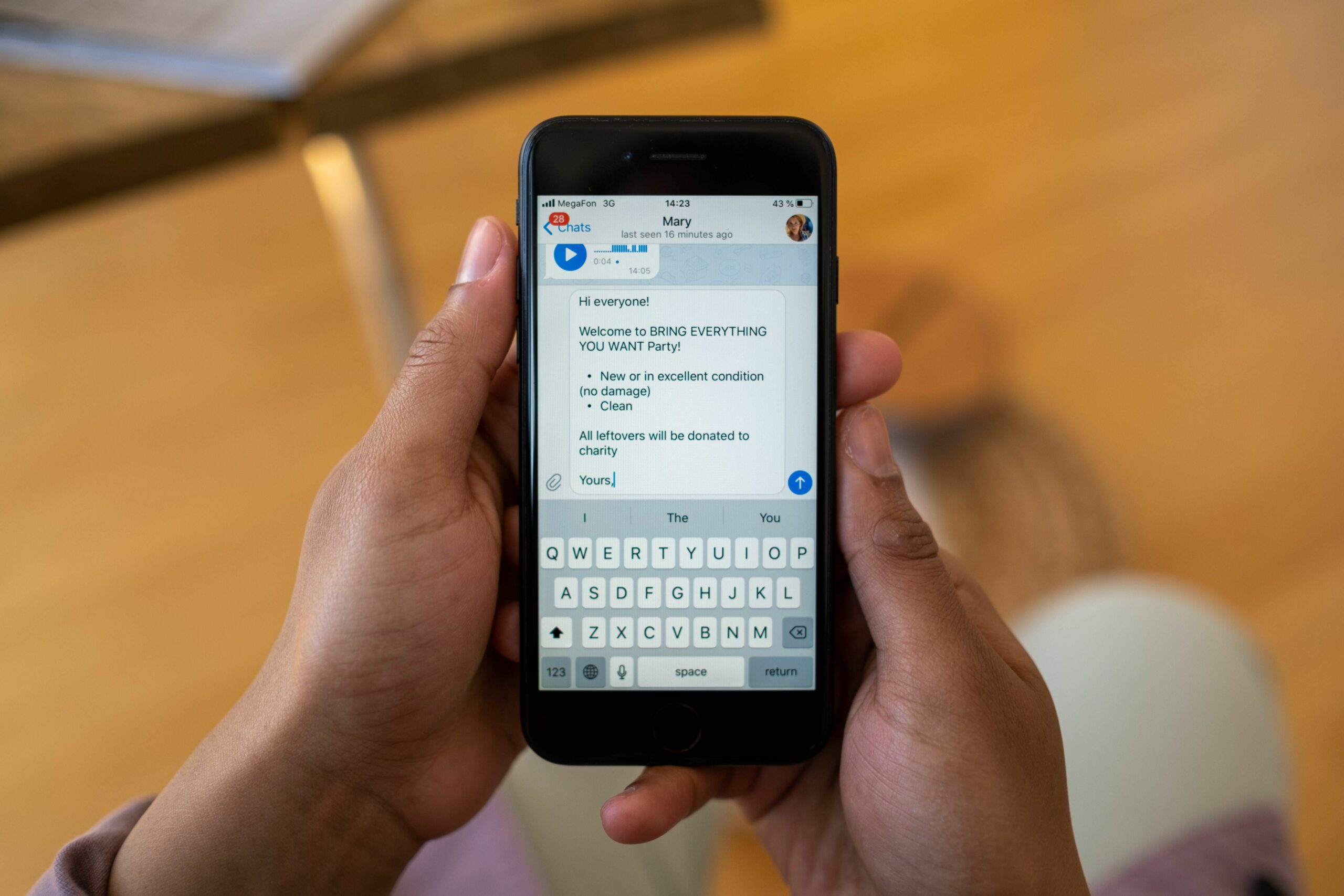

Facebook Messenger guide readers usually want one thing: predictable conversations that turn into sales, signups, or resolved support tickets. In 2026, Messenger still matters because it sits close to intent – people message when they are curious, stuck, or ready to buy. The opportunity is also the risk: if you spam, misroute, or fail to measure, you burn trust fast. This playbook focuses on practical setup, creator collaboration, and measurement you can defend in a report. You will also get templates, formulas, and checklists you can apply today.
Facebook Messenger guide: What it is and when it wins
Messenger is Meta’s direct messaging layer across Facebook, and it often connects to Instagram messaging workflows through Meta’s tools. For marketers, it is best treated as a conversion and retention channel, not a broadcast channel. It wins when the user needs a quick answer, a recommendation, a booking, or a status update. It also wins when you can segment by intent and personalize the next step without sending people back to a slow landing page. On the other hand, it loses when your offer is complex and needs long-form education, or when your team cannot respond quickly enough to meet expectations. Takeaway: use Messenger for high-intent moments – lead capture, product selection, appointment setting, order support, and post-purchase upsells.
Key terms you must understand (with quick definitions)

Before you build anything, align your team on the metrics and deal terms that show up in Messenger campaigns and creator partnerships. CPM is cost per thousand impressions, typically used for paid placements that drive awareness before a click to Messenger. CPV is cost per view, more common in video placements that push people to message after watching. CPA is cost per action – for Messenger, define the action clearly (qualified lead, booking, purchase, or resolved case). Engagement rate is engagements divided by reach or impressions, depending on your reporting standard; it helps you judge creator content quality but does not guarantee conversions. Reach is unique accounts exposed; impressions are total exposures, including repeats. Whitelisting means running ads through a creator’s handle with permission, which can lift trust but requires clear terms. Usage rights define where and how long you can reuse creator content; this affects pricing. Exclusivity is a restriction on the creator working with competitors for a period, and it should be priced as a real opportunity cost. Takeaway: write these definitions into your brief so reporting and invoices do not turn into arguments.
Set up Messenger for growth: a step-by-step checklist
Start with the customer journey, then map Messenger to the moments where a message is the easiest next step. First, decide your primary goal: lead qualification, sales, support deflection, or retention. Next, build a simple conversation tree with no more than 5 to 7 decision points before a human handoff, because long trees increase drop-off. Then, create a message entry point for each traffic source: a Page button, a post CTA, a story sticker, a click-to-message ad, or a creator link. After that, define your routing rules: which keywords trigger which flows, when you collect contact details, and when you escalate to a human. Finally, set your service level target – for example, reply within 15 minutes during business hours – and assign ownership across marketing and support. Takeaway checklist:
- Pick one primary Messenger conversion event (lead, booking, purchase, ticket resolved).
- Design a short flow: greet – qualify – offer – confirm – handoff.
- Set escalation rules (price questions, refunds, complex sizing) to a human.
- Create one tracking plan before launch (UTMs, event naming, CRM fields).
- Write a fallback message for off-hours and high volume spikes.
Conversation design that converts (without sounding like a bot)
Good Messenger flows feel like a helpful store associate, not a survey. Use plain language, keep each message to one idea, and offer 2 to 4 quick replies so people do not have to type. Ask for information only when it changes the recommendation; otherwise you are adding friction. If you need an email or phone number, explain why in one sentence and offer an alternative, such as “continue without saving.” Personalization should be earned: reference what the person clicked, which creator sent them, or what product category they chose. Also, build a clear human handoff: tell users when a person will respond and what hours you cover. Takeaway: audit your flow by reading it out loud – if it sounds like a form, shorten it.
Influencer and creator campaigns that drive Messenger conversations
Creators are effective for Messenger when the content sets up a question the viewer wants answered privately. Instead of “DM us for more,” give a specific reason to message: sizing help, a personalized bundle, a limited code, a waitlist, or a consultation slot. Build creator deliverables around that reason, then align the flow to match the promise. For example, if a creator says “message ‘SKIN’ for my routine,” the first Messenger step should confirm the keyword and ask one relevant qualifier like skin type. You should also decide whether you want organic-only traffic or a paid amplification plan using whitelisting. If you are still building your creator process, keep your internal learning loop tight by reviewing campaign notes and benchmarks in the InfluencerDB blog influencer marketing guides. Takeaway: the best creator to Messenger campaigns start with a single, specific user intent and a flow that fulfills it fast.
Pricing and deal terms for Messenger-driven creator work (with benchmarks)
Messenger campaigns often blend content production, distribution, and performance risk. That means your deal should separate: (1) the creative fee, (2) usage rights, (3) whitelisting access if needed, and (4) performance bonuses tied to a defined action. Avoid paying purely on “DM volume” unless you define what counts as a qualified conversation. Instead, pay on qualified leads, bookings, or purchases, and keep a small fixed fee so creators are not punished by factors they cannot control, like your response time. Takeaway: if you cannot track purchases reliably, optimize for qualified leads with a clear definition and a simple audit trail.
| Deal component | What it covers | How to price it | Negotiation tip |
|---|---|---|---|
| Creative fee | Filming, editing, posting (organic) | Flat fee by deliverable | Ask for raw footage only if you will actually reuse it |
| Usage rights | Brand reuse in ads, email, site | Time-bound add-on (30, 90, 180 days) | Limit placements to what you need to reduce cost |
| Whitelisting | Running ads through creator handle | Monthly access fee plus ad spend | Define approval process and creative refresh cadence |
| Exclusivity | No competitor work for a period | % uplift based on category and duration | Keep the competitor list narrow and specific |
| Performance bonus | Reward for qualified leads or sales | CPA or revenue share with caps | Pay on verified events, not screenshots |
Measurement framework: CPM, CPA, and a simple ROI model
Messenger measurement fails when teams track only vanity metrics like message count. Instead, connect the conversation to a business outcome and measure drop-off at each step. Start with reach and impressions for the creator content or ads, then track click-to-message rate, conversation start rate, qualification rate, and conversion rate. If you run paid click-to-message, CPM helps you compare creative efficiency, while CPA tells you whether the funnel pays back. To keep reporting consistent, document your event definitions and naming conventions in one place.
Use these simple formulas:
- Click-to-message rate = Messages initiated / Link clicks (or CTA taps)
- Qualification rate = Qualified conversations / Conversations started
- CPA = Total cost / Conversions (lead, booking, purchase)
- ROI = (Revenue – Total cost) / Total cost
Example calculation: You spend $6,000 total (creator fees + ad spend). You generate 400 conversations, 160 qualified leads, and 32 purchases. If average order value is $85, revenue is 32 x 85 = $2,720, so you are not profitable yet. However, if 25 percent of qualified leads convert later via email and your CRM shows an additional 40 purchases over 30 days, total purchases become 72 and revenue becomes $6,120, which is close to break-even. Takeaway: report both immediate and assisted conversions, and always include the time window.
| Funnel stage | Metric to track | Good sign | What to fix if weak |
|---|---|---|---|
| Traffic | Reach, impressions, CPM | Stable CPM, rising reach | Test hooks, thumbnails, first 2 seconds |
| Intent | Click-to-message rate | Clear reason to DM | Make the offer specific, reduce steps |
| Conversation | Conversation start rate | Fast load, clear greeting | Shorten first message, add quick replies |
| Qualification | Qualified conversation rate | Questions match intent | Remove unnecessary questions, improve routing |
| Conversion | CPA, purchase rate, booking rate | CPA below target | Improve handoff speed, add proof, clarify next step |
| Retention | Repeat purchase, CSAT | Higher LTV from Messenger leads | Improve post-purchase flows and support macros |
Compliance, privacy, and brand safety (what to document)
Messenger touches personal data, so your compliance standard must be higher than a typical social post. If you collect emails, phone numbers, or order details, state why you need it and how it will be used. For creator campaigns, require clear disclosure when content is sponsored, and keep the disclosure visible and unambiguous. If you operate in regulated categories, add a review step for claims and prohibited language. For US campaigns, the FTC’s endorsement guidance is a practical baseline – review it and translate it into a one-page checklist for creators and editors: FTC endorsements and influencer marketing guidance. Takeaway: store your approvals, disclosures, and usage rights in one shared folder tied to the campaign ID.
Common mistakes (and how to avoid them)
One common mistake is treating Messenger like email and sending long blocks of text. Keep messages short and structured, and use quick replies to guide the next step. Another mistake is promising a benefit in the creator post and delivering a generic bot flow that does not match the promise. Align the first two messages to the creator’s exact CTA and keyword. Teams also underestimate response time: if a human handoff takes hours, conversion collapses, and creators get blamed unfairly. Finally, many brands cannot reconcile results because they do not tag traffic sources or connect Messenger leads to the CRM. Takeaway: fix measurement and handoff before you scale spend.
Best practices for 2026: a repeatable operating system
Build a weekly rhythm that improves the funnel instead of reinventing it. Start by reviewing the top 20 conversation transcripts by volume and by revenue, then rewrite one weak step each week. Next, run small A/B tests: two different opening questions, two offer framings, or two handoff scripts. Keep your creator program consistent by using a single brief template that includes definitions, deliverables, usage rights, and the exact Messenger flow. When you amplify with paid, follow Meta’s official guidance for messaging ads and policy requirements so your account does not get restricted: Meta Business Help Center. Takeaway checklist for a durable system:
- One primary KPI (CPA or cost per qualified lead) plus two supporting metrics.
- Response time target and staffing plan for spikes after creator posts.
- Monthly creator scorecard: content quality, conversion contribution, compliance.
- Quarterly rights audit: where creator assets are used and whether rights expired.
- Transcript review: update macros and bot prompts based on real questions.
Quick-start templates: brief, flow, and reporting
If you want to launch in a week, keep scope tight and document everything. Brief template: goal, audience, offer, required disclosure, deliverables, posting dates, usage rights, whitelisting terms, exclusivity, and the exact CTA keyword. Flow template: greeting, qualifier question, recommendation, proof point, next step, and human handoff. Reporting template: spend, reach, impressions, CPM, conversations started, qualified leads, conversions, CPA, revenue, and notes on what changed. Also add a “what we learned” section so each campaign improves the next one. Takeaway: templates reduce negotiation time and make your results comparable across creators.
Messenger is not magic, but it is measurable when you treat it like a funnel with clear definitions, fast handoffs, and disciplined creator briefs. If you build the flow around a specific user intent and track qualified outcomes, you can scale what works and cut what does not.