

Influencer marketing case studies are the fastest way to turn campaign results into qualified leads because they prove outcomes, not opinions. In 2026, buyers are more skeptical, budgets are tighter, and procurement wants evidence they can audit. A strong case study answers the questions your next customer is already asking: what was the goal, what did you do, what did it cost, and what changed. It also gives your sales team a concrete asset to send after a discovery call, and it gives your marketing team a page that can rank for high intent searches. Most importantly, it creates a repeatable system for converting performance data into pipeline.
Before we get tactical, define a few terms you will use throughout the story. Reach is the number of unique people who saw content, while impressions are total views including repeats. Engagement rate is typically engagements divided by reach or impressions, depending on the platform and what you can measure. CPM is cost per thousand impressions, CPV is cost per view, and CPA is cost per acquisition, usually a purchase or lead. Whitelisting means running paid ads through a creator’s handle. Usage rights define how you can reuse the content, exclusivity limits the creator from working with competitors, and both affect price and what you can claim in a case study.
Influencer marketing case studies: what they are and why they convert
A case study is not a recap post or a vanity screenshot. It is a structured proof document that connects a business problem to a measurable result, with enough context that a reader can judge whether the result could apply to them. That context is what makes it convert: the reader sees their own situation in the “before” section, then follows your method to the “after.”
To make that happen, your case study needs three conversion ingredients. First, a clear decision trigger – why the brand chose influencer marketing instead of another channel. Second, a transparent measurement chain – how you tracked reach, clicks, and conversions, including what you could not measure. Third, a replicable playbook – the steps that produced the result, not just the result itself. If you can deliver those three, you can use the same asset for SEO, sales enablement, and retargeting.
- Takeaway checklist: Include a baseline, a method, and a measurable delta (before vs after).
- Show at least one constraint (budget cap, timeline, niche compliance) so the story feels real.
- Use one primary KPI and two supporting KPIs to avoid metric overload.
The 2026 lead gen framework: Proof – Offer – Path
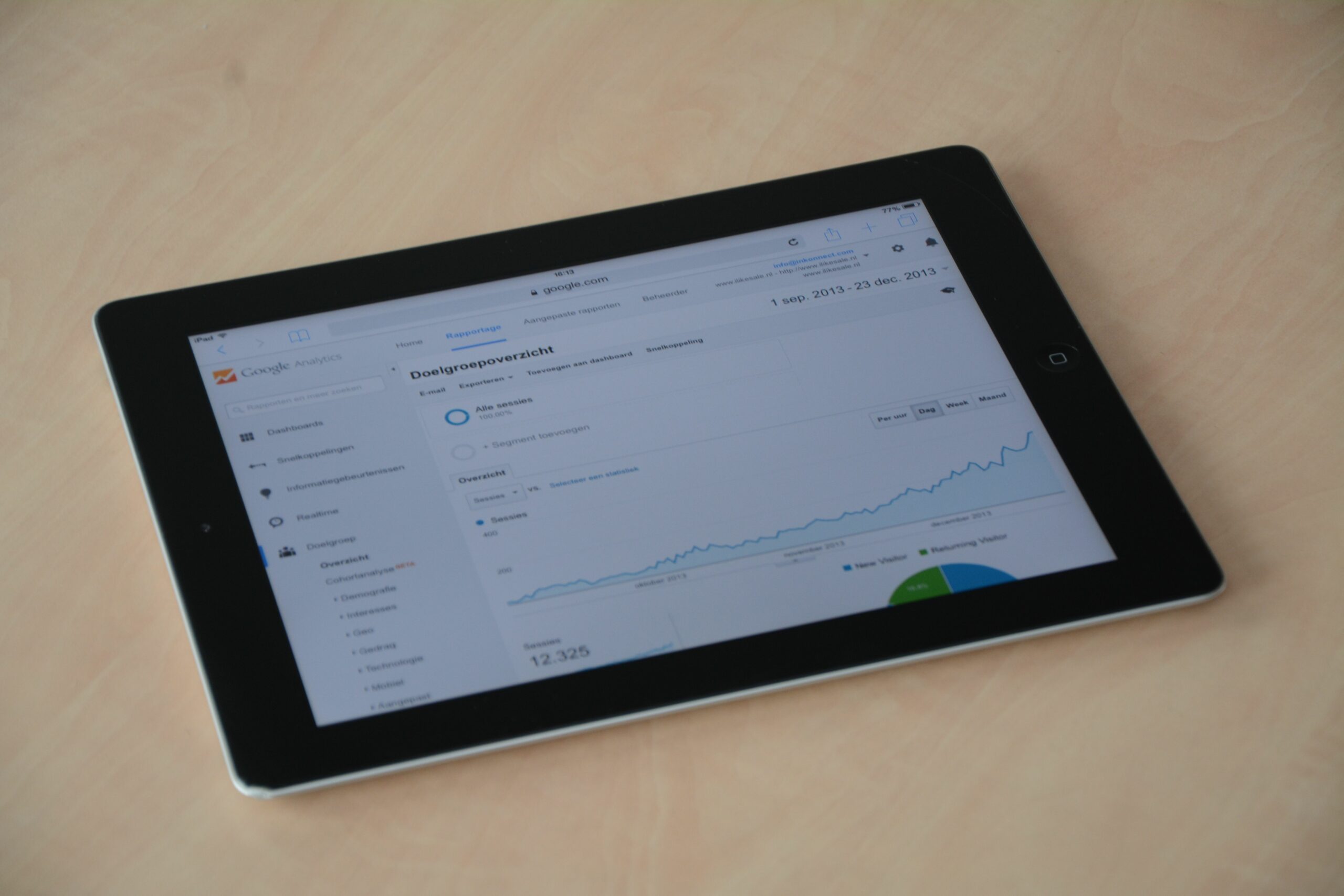
Most case studies fail because they stop at proof and forget the lead capture mechanics. Use this simple framework to design the page so it sells while it informs.
1) Proof: Lead with the outcome and the conditions. Example: “Reduced CPA by 28% in 30 days using creator whitelisting and UGC ads.” Then immediately state the audience, platform, and spend range so the reader can self qualify. If you cannot share exact spend, use a band like “mid five figures.”
2) Offer: Give the reader a reason to raise their hand. Strong offers include a benchmark report, a campaign teardown, a creator shortlist, or a measurement template. Keep it aligned with the case study topic so conversions are qualified.
3) Path: Make the next step obvious and low friction. Use one primary CTA above the fold and one mid page. If you are B2B, a short form plus a calendar link often outperforms a long form. If you are a creator, the path might be “request a media kit” or “book a brand fit call.”
- Decision rule: If the case study is about performance, the offer should be a performance related asset (benchmarks, tracking sheet, ad creative checklist).
- Tip: Add a “What we would do next” section to create a natural reason to contact you.
Metrics that make case studies believable (and how to calculate them)
Numbers persuade only when they are comparable. That means you should define each metric, show the formula, and explain the attribution limits. In influencer marketing, the most common credibility gap is mixing platform metrics (views, reach) with site outcomes (leads, purchases) without explaining the bridge.
Use these simple formulas and include them in the case study so readers can sanity check your claims:
- CPM = (Total spend / Impressions) x 1000
- CPV = Total spend / Views
- CPA = Total spend / Conversions
- Engagement rate = Engagements / Reach (or / Impressions) – state which
- Click through rate = Clicks / Impressions
Example calculation: you spend $18,000 across six creators and record 1,500,000 impressions and 360 leads. Your CPM is ($18,000 / 1,500,000) x 1000 = $12. Your CPA is $18,000 / 360 = $50. If you also ran whitelisted ads, separate “organic creator posts” from “paid amplification” so the reader knows what drove what.
| Metric | What it tells you | Best for | Common pitfall |
|---|---|---|---|
| Reach | Unique exposure | Awareness and top funnel | Comparing reach across platforms without context |
| Impressions | Total views including repeats | CPM and frequency analysis | Assuming impressions equal unique people |
| Engagement rate | Content resonance | Creative iteration and creator fit | Using likes only and ignoring saves, shares, comments |
| CPM | Efficiency of exposure | Budget planning and benchmarking | Calculating CPM on reach instead of impressions |
| CPA | Cost to generate a lead or sale | Performance and scaling decisions | Not separating assisted conversions from last click |
When you reference standards, cite sources that readers trust. For example, the IAB’s definitions help align language across teams: IAB guidelines. Keep the citation in its own paragraph if you are adding another external link elsewhere, so you do not stack outbound links together.
How to write a case study that sales can use (template + prompts)
Write for a skeptical reader who wants to poke holes in your story. That means you need specificity: audience, platform, creative format, timeline, and constraints. At the same time, you should protect sensitive information with ranges and anonymization when needed. The goal is to be credible without breaking NDAs.
Use this structure and keep each section tight:
- Snapshot: 3 bullets – industry, objective, headline result.
- Challenge: What was not working and what was at stake.
- Strategy: Creator selection logic, messaging, and offer.
- Execution: Deliverables, timeline, approvals, and paid support.
- Measurement: Tracking setup, attribution model, and limitations.
- Results: Primary KPI plus two supporting KPIs, with context.
- Learnings: What you would repeat and what you would change.
- Next step: CTA tied to a relevant asset or consult.
Prompt pack for the “Strategy” section: Why these creators, not bigger ones? What audience insight shaped the hook? What objection did the content answer? Which format did you choose (short form video, live, carousel) and why? If you used exclusivity, state the category and duration because it affects both cost and replicability.
For more ideas on turning campaign insights into publishable stories, browse the InfluencerDB Blog and model the structure that performs best for your niche.
Lead generation distribution: where case studies win in 2026
Publishing is only step one. Case studies generate leads when you put them in front of buyers at the moment they are evaluating options. In practice, that means pairing SEO with targeted distribution and a simple retargeting loop.
SEO: Build one primary page per case study and optimize for a problem oriented query, not just your brand name. Add FAQ style subheads that match buyer questions like “How much did it cost?” and “What creators did you choose?” Then add internal links to related guides so the page passes authority and keeps readers moving.
Sales enablement: Create a one page PDF version with the same headline metrics and a link to the full page. Train your team to send it after calls that match the use case. If you are a creator, send it after inbound brand inquiries to speed up trust and reduce price haggling.
Paid amplification: Retarget visitors who spent time on the page with a short clip or carousel summarizing the result. If you have usage rights, cut 15 second snippets from the creator content and run them as ads. If you do not, use your own branded creative that quotes the outcome and links back to the case study.
For platform policy and ad transparency, keep an eye on official documentation. Meta’s guidance on branded content and ads is a useful reference point: Meta Business Help Center.
| Channel | Best case study angle | CTA that converts | Implementation tip |
|---|---|---|---|
| Organic search | Problem – solution – outcome | Download benchmarks | Add a comparison section and link to related guides |
| Operational detail and learnings | Book a teardown call | Post a 5 slide summary and pin the link in comments | |
| Specific result for a segment | Reply for a plan | Send to leads in the same industry as the case study | |
| Retargeting ads | Single metric proof | Get the template | Exclude converters and cap frequency to avoid fatigue |
Pricing, rights, and deal terms you should document
Case studies often skip deal terms, yet those terms explain why results were possible. If you negotiated whitelisting, you likely improved performance by letting the brand optimize targeting and creative. If you purchased exclusivity, you reduced competitive noise but increased cost. Documenting these details also helps future buyers understand what they need to budget for.
Define the terms in plain language inside the case study:
- Usage rights: Where and how long the brand can reuse the content (organic, paid, website, email) and whether edits are allowed.
- Whitelisting: Brand runs ads through the creator handle, usually with creator approval and access via a platform tool.
- Exclusivity: Creator agrees not to work with competing brands in a category for a period of time.
Concrete takeaway: add a “Deal terms” box with three bullets – deliverables, usage window, and exclusivity category. If you cannot share exact rates, share the pricing model (flat fee, performance bonus, hybrid) and the variables that moved the price.
Common mistakes that kill credibility (and leads)
Even a great campaign can produce a weak case study if the story is sloppy. The most damaging mistakes are usually avoidable with a simple review pass.
- Cherry picking metrics: Showing only reach without conversions, or only conversions without traffic context.
- No baseline: If readers cannot see “before,” they cannot value “after.”
- Attribution hand waving: Claiming all sales came from creators without explaining tracking.
- Missing audience details: Not stating geo, age range, or niche, which makes results feel random.
- Weak CTA: Ending with “Contact us” instead of a specific next step tied to the topic.
Fix: add one paragraph labeled “What we can prove” and another labeled “What we cannot prove.” That honesty often increases conversions because it signals rigor.
Best practices: a repeatable case study production workflow
Consistency beats inspiration. If you want a library of assets that drive inbound leads, you need a workflow that starts before the campaign launches. Build measurement into the brief, collect assets as you go, and draft the narrative while details are fresh.
- Before launch: Define KPIs, tracking links, and a reporting cadence. Confirm usage rights for screenshots and creative.
- During campaign: Save creator posts, comments that show intent, and weekly performance snapshots.
- After campaign: Run a 30 minute retro with the brand and creators to capture learnings and objections.
- Publish: Add schema where appropriate, compress images, and include a single primary CTA.
- Promote: Repurpose into a thread, a short video, and a one page PDF for sales.
One more practical step: create a shared folder template with subfolders for contracts, deliverables, screenshots, reporting exports, and approvals. That organization cuts drafting time and reduces the risk of publishing something you cannot legally use.
A simple case study outline you can copy today
If you want to move fast, copy this outline into a doc and fill it in with your next campaign. Keep the writing tight, use real numbers where you can, and aim for clarity over hype. Once you publish three to five strong assets, you will have enough coverage to support multiple industries, platforms, and objectives.
- Headline: Outcome + timeframe + method
- Snapshot: Industry, platform, objective
- Challenge: What was broken
- Approach: Creator selection, creative direction, offer
- Execution: Deliverables, whitelisting, usage rights, exclusivity
- Measurement: Links, pixels, attribution notes
- Results: KPI table + short interpretation
- Learnings: 3 bullets
- CTA: Download template or book a consult
When you are ready to scale the system, treat each new case study like a product page: optimize it, distribute it, and measure its conversion rate. That is how a single campaign turns into months of inbound demand.