

How much do YouTubers make is a simple question with a layered answer: income depends on monetization eligibility, audience location, content niche, and how well a creator sells beyond ads. In practice, two channels with the same views can earn very different amounts because RPM, sponsorship rates, and product revenue vary widely. This guide breaks down the main revenue streams, defines the metrics that matter, and gives you a step by step way to estimate earnings with realistic ranges. Along the way, you will see decision rules you can use as a creator planning your next quarter or as a brand budgeting a YouTube partnership. The goal is not hype – it is a repeatable way to do the math.
How much do YouTubers make: the metrics that control the math
Before you estimate income, you need a shared vocabulary. Most confusion comes from mixing up views, impressions, and revenue rates. Start with these core terms and how to apply them in a spreadsheet.
- CPM (cost per mille) – what advertisers pay per 1,000 ad impressions. On YouTube, CPM is often reported before YouTube takes its cut.
- RPM (revenue per mille) – what the creator earns per 1,000 views after YouTube’s revenue share and after considering ad fill. RPM is the most practical number for creators.
- CPV (cost per view) – often used in video ads, but for creator deals you will more commonly see CPM or a flat fee.
- CPA (cost per acquisition) – payment tied to a conversion (sale, signup). This is common in affiliate programs and performance sponsorships.
- Engagement rate – interactions (likes, comments, shares) divided by views or reach. On YouTube, comments per 1,000 views is a useful quick check for audience quality.
- Reach – unique viewers who saw content. YouTube reports unique viewers in Analytics, but brands often approximate using views and frequency.
- Impressions – how many times a thumbnail was shown. Impressions drive click through rate, which drives views.
- Whitelisting – a brand runs paid ads through a creator’s handle or uses creator content in ads. This usually requires extra fees and clear permissions.
- Usage rights – permission for a brand to reuse the video or clips (organic, paid, duration, territories). More rights – higher price.
- Exclusivity – limits on working with competitors for a period. Exclusivity should be priced like an opportunity cost, not thrown in for free.
Concrete takeaway: when someone asks what a channel earns, ask for RPM and views first. CPM is interesting, but RPM is what hits the bank account.
Where YouTube money really comes from (and what scales)
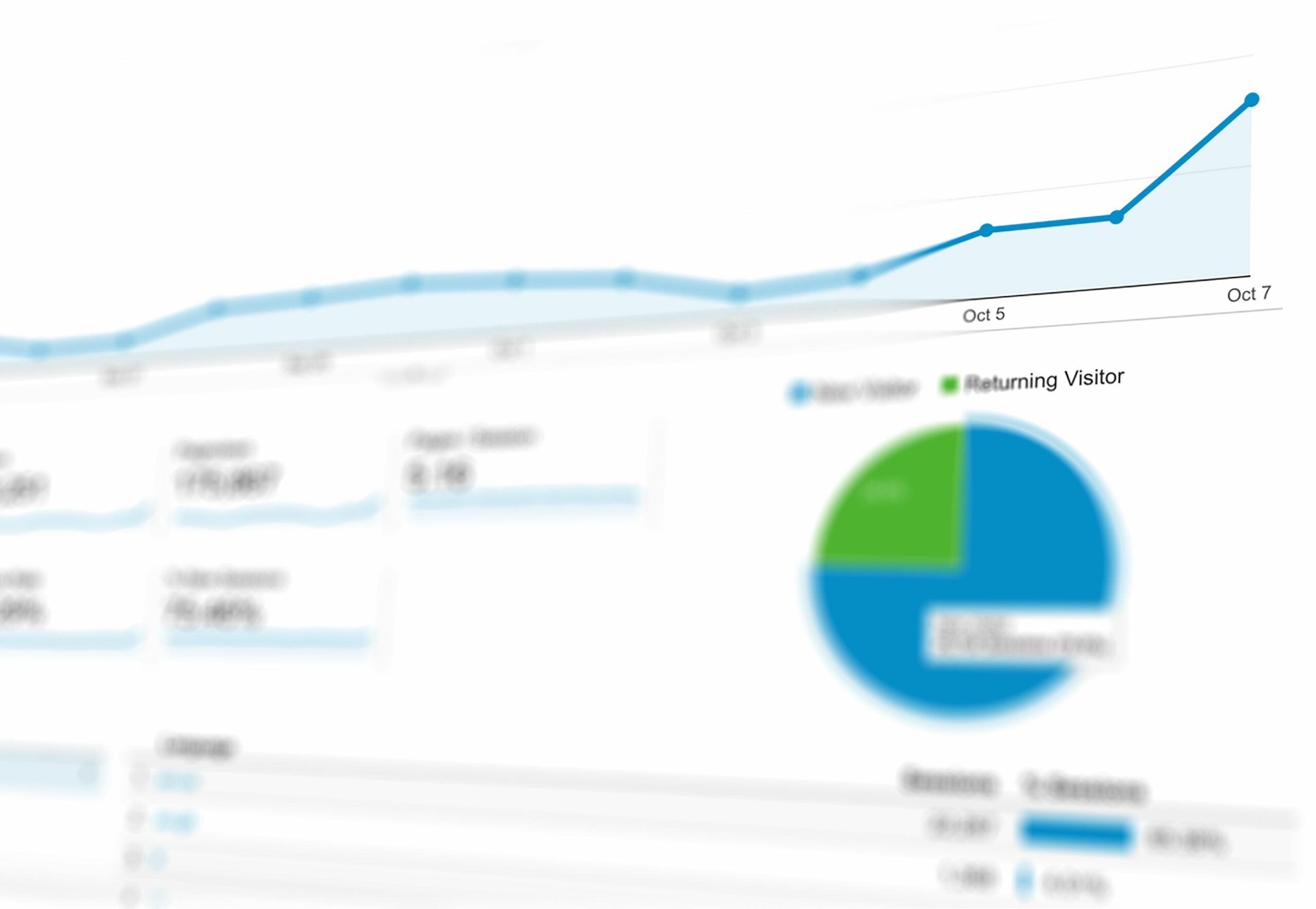
YouTube income is rarely just ads. In fact, the most stable creator businesses diversify because ad rates swing seasonally and by geography. Here are the main revenue streams and what to watch for in each.
- Ad revenue (YPP) – earnings from ads shown on videos. RPM varies by niche, audience location, and ad suitability.
- Brand sponsorships – flat fees for integrations, dedicated videos, or series. This is often the biggest line item for mid sized creators.
- Affiliate revenue – commission for sales via tracked links or codes. Great for product heavy niches like tech, beauty, and home.
- Channel memberships – recurring revenue from fans in exchange for perks. Works best with strong community and frequent uploads.
- Merch and digital products – higher margins, but requires operations and customer support.
- Licensing – selling rights to use footage (news, documentaries) or syndication. This is niche, but can be meaningful for certain formats.
Actionable rule: if you want predictable income, aim for at least two streams where you control the offer (membership, product, course) rather than relying only on ad auctions.
Ad revenue benchmarks: realistic RPM ranges by niche
RPM is not fixed, and creators often quote best months. Instead, use ranges and assume volatility. RPM also changes with video length, mid roll placement, and audience geography. A US heavy audience in finance can earn multiples of an entertainment channel with a global audience.
| Niche | Typical RPM range (USD) | Why it trends this way | Practical tip |
|---|---|---|---|
| Finance and investing | $8 – $25+ | High value advertisers, competitive auctions | Keep claims compliant and cite sources to protect ad suitability |
| Software and B2B | $6 – $18 | High LTV products, strong intent keywords | Make tutorials evergreen to compound views over time |
| Tech reviews | $4 – $12 | Purchase intent, strong affiliate overlap | Pair ad revenue with affiliate links for the same video |
| Beauty and lifestyle | $2 – $8 | Mixed geos, broad advertiser pool | Build brand deals and owned products to smooth RPM swings |
| Gaming | $1 – $5 | Younger audiences, lower CPMs in many regions | Consider memberships and live streams to increase revenue per viewer |
| Entertainment and vlogs | $1 – $6 | Broad targeting, variable ad suitability | Improve retention to grow watch time and recommendation traffic |
Concrete takeaway: if you do not know your RPM yet, model three scenarios – conservative, expected, and strong – and budget your expenses against the conservative case.
A step by step calculator to estimate YouTuber earnings
You can estimate income with a few inputs. This will not match any single month perfectly, but it will keep you from making planning decisions based on best case screenshots. Use this framework for a single video, a month, or a full year.
- Estimate monthly views across long form videos (and Shorts separately). Use your last 90 days average if you have it.
- Choose an RPM range based on niche and audience location. If you have Analytics, use your own trailing 6 month RPM.
- Calculate ad revenue using: Ad Revenue = (Views / 1000) x RPM.
- Add brand deals as a separate line item. Use deliverable based pricing, not a guess.
- Add affiliate and product revenue using conversion assumptions and your historical click through rate.
- Subtract costs like editing, thumbnails, software, music licensing, and contractor support to get profit.
Example calculation: a channel gets 500,000 views in a month and averages a $4 RPM. Estimated ad revenue is (500,000 / 1000) x 4 = $2,000. If the creator also does one sponsorship at $3,500 and earns $800 from affiliates, total gross is $6,300 before expenses. Now the planning question becomes obvious: ad revenue is helpful, but deals and commerce often drive the business.
If you want more measurement and planning ideas, the InfluencerDB.net blog regularly covers practical frameworks for tracking creator performance and campaign outcomes.
Sponsorship pricing: what brands pay and how creators should quote
Sponsorships are where negotiation skill matters. Brands may start with a CPM logic, but most YouTube deals are priced as a flat fee per deliverable with add ons for usage rights, whitelisting, and exclusivity. A clean quote makes it easier for a brand to say yes and easier for you to protect your time.
| Deliverable | Common pricing basis | Typical range (mid tier channels) | Add ons to price separately |
|---|---|---|---|
| Integrated segment (60 – 90 seconds) | Flat fee or effective CPM | $15 – $40 CPM equivalent | Link in description, pinned comment, category exclusivity |
| Dedicated video | Flat fee | 2x – 4x an integration | Script approvals, reshoots, paid usage rights |
| Shorts add on | Flat fee | $500 – $5,000+ | Raw footage delivery, whitelisting for ads |
| Community post | Flat fee | $100 – $1,000+ | Extra links, timing guarantees |
| Usage rights (brand reposts) | Percentage uplift | +20% – +100% | Duration, paid media, territories, platforms |
| Exclusivity | Opportunity cost | +15% – +50% (or more) | Competitor list, time window, category scope |
Negotiation checklist you can reuse: (1) define the deliverable and length, (2) define the approval process, (3) define usage rights and whether paid media is allowed, (4) define exclusivity, (5) define tracking and reporting, (6) define payment terms. For brands, the mirror image checklist is to confirm brand safety, audience fit, and whether you need whitelisting or only organic posting.
Shorts vs long form: why views do not equal money
Shorts can drive huge reach, but the revenue mechanics differ. Long form videos typically monetize through a mature ad system with mid rolls, while Shorts monetization is structured differently and often yields lower revenue per view. That does not make Shorts useless, it just changes the strategy: use Shorts to grow top of funnel and then convert viewers into long form watch time, email subscribers, or product buyers.
Practical steps to connect Shorts to income: add a clear call to action that points to a related long form video, pin a comment with the long form link, and build series formats so viewers know what to watch next. Also, track returning viewers and not just total views. If Shorts spikes views but returning viewers stay flat, you are buying reach without building a business.
For official details on eligibility and monetization features, reference YouTube Help documentation on the YouTube Partner Program and verify the current thresholds before you plan.
Audit a channel like an analyst before you forecast earnings
If you are a creator, this audit helps you find the lever that increases revenue fastest. If you are a brand, it helps you avoid paying premium rates for inflated performance. The key is to look at consistency and audience quality, not one viral outlier.
- Traffic sources – a channel driven by Search and Suggested is usually more stable than one driven by external spikes.
- Audience geography – higher US, Canada, UK share often correlates with higher RPM and higher sponsor demand.
- Watch time and retention – strong retention supports recommendation growth, which supports predictable views.
- Upload cadence – sporadic posting can still work, but it makes forecasting harder for both creator and brand.
- Comment quality – look for specific comments that show intent, not just generic praise.
Decision rule for brands: if the last 10 uploads show wildly inconsistent views, price the deal based on the median view count, not the best performer. Decision rule for creators: if your click through rate is healthy but retention drops early, fix the first 30 seconds before you chase more impressions.
Common mistakes that distort YouTube income expectations
Most earning myths come from mixing gross and net numbers or assuming every view pays the same. Avoid these traps and your forecasts will improve immediately.
- Using CPM instead of RPM – CPM can look impressive, but it is not what you take home.
- Ignoring seasonality – ad rates often rise in Q4 and soften in Q1, so do not annualize a holiday month.
- Pricing sponsorships from subscriber count – views and audience fit matter more than subs for most campaigns.
- Giving away usage rights – if a brand wants to run your content as ads, price it and limit duration.
- Overestimating affiliate conversion – start with conservative conversion rates and improve with better offers and landing pages.
Quick fix: build a one page rate card that separates the base deliverable from add ons. This prevents you from negotiating against yourself when a brand asks for more.
Best practices for creators and brands (so the deal works)
Creators earn more when they treat content like an asset and deals like a system. Brands get better ROI when they brief clearly and measure outcomes beyond vanity metrics. These best practices are simple, but they compound.
- Creators – track RPM, sponsor revenue per video, and profit per hour. If a format pays well but takes too long, simplify production.
- Creators – negotiate payment terms up front (net 15 or net 30) and include a kill fee for late cancellations.
- Brands – share a tight brief: key message, must say points, claims policy, and what success looks like.
- Brands – ask for usage rights only if you will use them. Otherwise you pay for optionality you do not need.
- Both – define tracking: unique links, discount codes, UTMs, and a reporting date.
For disclosure and endorsement basics that affect creator deals, review the FTC guidance on endorsements and influencer marketing. Even if you are outside the US, the principles are a good baseline for transparent sponsorship labeling.
Putting it together: a realistic earnings range by channel size
Creators and brands often want a quick benchmark. Use the table below as a starting point, then adjust based on niche and geography. These are broad ranges for long form ad revenue only, assuming RPM of $2 to $8. Sponsorships, affiliates, and products can push totals far higher.
| Monthly views | Ad revenue at $2 RPM | Ad revenue at $8 RPM | What to focus on next |
|---|---|---|---|
| 50,000 | $100 | $400 | Improve retention and packaging to grow consistent views |
| 200,000 | $400 | $1,600 | Test 1 affiliate offer and build a simple media kit |
| 500,000 | $1,000 | $4,000 | Add sponsorship process, price usage rights, track conversions |
| 1,000,000 | $2,000 | $8,000 | Systemize deals, build owned products, hire editing support |
| 5,000,000 | $10,000 | $40,000 | Negotiate multi video packages and protect brand safety |
Final takeaway: treat ad revenue as the baseline, not the ceiling. The creators who earn the most per view usually combine strong RPM with smart sponsorship packaging and at least one owned revenue stream.