
Customer Zero Influencer Marketing is the fastest way to turn one trusted creator into your first proof point – and then into a repeatable Instagram growth system in 2025. Instead of treating creators as distribution, you treat them as product and message partners who help you validate positioning, creative, and offer before you scale spend. The result is fewer wasted posts, clearer briefs, and content that looks native because it is built with someone who already speaks the audience’s language. This update focuses on Instagram realities: tighter attention, more DM driven conversion, and more scrutiny on disclosure and usage rights. You will get definitions, decision rules, pricing ranges, and a step by step workflow you can run with a small team.
What Customer Zero Influencer Marketing means on Instagram
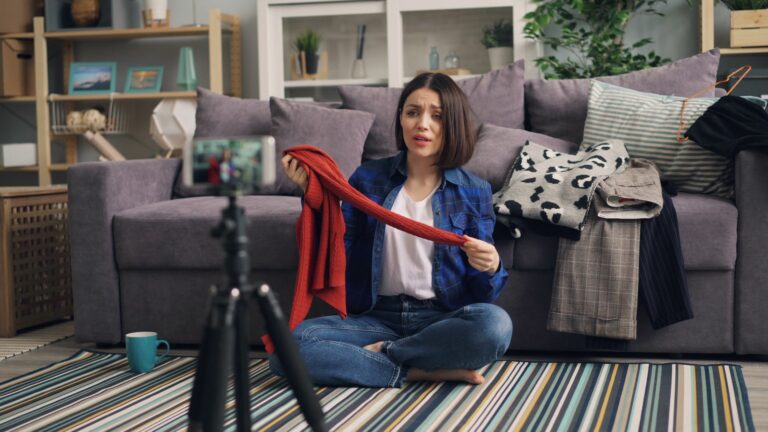
Customer Zero is the first creator partner who behaves like a hybrid of customer, co founder, and spokesperson. In practice, they help you shape the product story, pressure test objections, and produce the first set of content that proves demand. On Instagram, that usually looks like a tight loop of Reels, Stories, and DMs where the creator gathers feedback and you iterate quickly. The key difference from a normal sponsorship is timing and influence: the creator is involved before the campaign is fully baked. Takeaway – pick one creator you can work with weekly for 4 to 8 weeks, not ten creators you brief once.
Before you build the program, align on a few terms so negotiations and reporting stay clean. CPM is cost per thousand impressions, typically used for awareness placements. CPV is cost per view, often used for Reels views or video plays. CPA is cost per acquisition, tied to a purchase or qualified lead. Engagement rate is engagements divided by reach or followers, but you must specify which one you use. Reach is unique accounts exposed, while impressions are total exposures including repeats. Whitelisting is when you run paid ads through the creator’s handle, typically via Meta partnership ads. Usage rights define where and for how long you can reuse content. Exclusivity means the creator cannot work with competitors for a defined time window. Takeaway – put these definitions into your brief so finance, legal, and the creator all speak the same language.
Choosing the right Customer Zero creator: a 6 point filter

The best Customer Zero creator is not always the biggest. You want someone who can articulate pain points, handle nuance, and collaborate without losing their voice. Start with audience fit: scan comment sections for the exact problems your product solves, not generic praise. Next, check content behavior: do they test hooks, formats, and CTAs, or do they post the same template every time. Then look at trust signals: saves, thoughtful comments, and DM replies matter more than likes for many categories. Also consider operational fit: can they hit deadlines and give you raw files when needed. Takeaway – score candidates on collaboration ability and audience match before you look at follower count.
Use a simple decision rule to shortlist three creators. Rule 1 – at least 60 percent of recent posts should be in your category or adjacent lifestyle where your product naturally belongs. Rule 2 – their Story cadence should be consistent, because Customer Zero work relies on iterative feedback and quick polls. Rule 3 – they should already explain products well, which you can spot in past integrations or organic reviews. Finally, ask for a screenshot of Instagram Insights for the last 30 days: top cities, age ranges, and reach patterns. If you need a refresher on how to evaluate creators and structure your outreach, the InfluencerDB blog guides on creator selection and campaign setup are a good starting point. Takeaway – do not move forward without verified audience data and a clear collaboration score.
Co creating the offer and message: a 2 week sprint
Customer Zero works best as a sprint with clear outputs. Week 1 is discovery: you share product context, constraints, and what you think the audience believes today. The creator shares language from DMs, objections they hear, and what they would never say because it breaks trust. Together you draft three angles: one problem first, one outcome first, and one myth busting angle. Week 2 is prototype content: the creator scripts two Reels and a Story sequence, you review for accuracy and compliance, and then you publish and learn. Takeaway – treat the first two weeks like product research, not a content calendar.
Build the sprint around a single measurable hypothesis. Example – “If we lead with the time saved in the first three seconds, we will increase Reel retention and drive more profile taps than a feature demo.” Your job is to define what success looks like and what you will change if it fails. Ask the creator to propose hooks, then you pick one based on brand risk and clarity. After posting, pull retention and tap through metrics within 24 to 48 hours and decide whether to reshoot, re edit, or move to the next angle. Takeaway – one hypothesis per sprint keeps feedback useful and prevents endless subjective revisions.
Pricing Customer Zero Influencer Marketing: benchmarks and deal structure
Customer Zero deals often blend a retainer for collaboration time with performance upside. That structure protects the creator’s effort while keeping you aligned on outcomes. In 2025, Instagram pricing varies widely by niche, production quality, and whether usage rights are included. Use CPM and CPV as sanity checks, not as the only pricing method, because creators price for creative skill and trust. As a starting point, calculate an implied CPM from their typical reach and your proposed fee. If the implied CPM is far above your paid benchmarks, you need a stronger justification like heavy usage rights, exclusivity, or guaranteed deliverables. Takeaway – separate “content creation” from “media value” in the contract so you can negotiate each lever.
| Follower tier | Typical Reel fee (USD) | Typical Story set (3 frames) | Notes for Customer Zero deals |
|---|---|---|---|
| 10k to 50k | $300 to $1,200 | $150 to $600 | Often best for fast iteration and high reply rates |
| 50k to 250k | $1,200 to $5,000 | $600 to $2,000 | Good balance of reach and collaboration maturity |
| 250k to 1M | $5,000 to $20,000 | $2,000 to $8,000 | Expect more negotiation on usage rights and exclusivity |
| 1M+ | $20,000+ | $8,000+ | Consider a retainer plus whitelisting rather than one offs |
Now add deal levers that commonly change price. Usage rights for paid ads or website placement can add 20 to 100 percent depending on duration and channels. Exclusivity can add 10 to 50 percent depending on category competitiveness and time window. Whitelisting access is often priced as a flat fee per month or bundled into usage rights because it increases your ability to scale. If you want a performance component, keep it simple: a bonus per qualified lead, a tiered bonus based on sales, or a CPM based kicker if reach exceeds a threshold. Takeaway – negotiate with levers, not with vague “discount” requests.
Measurement that actually works: a simple Instagram scorecard
Customer Zero programs fail when measurement is either too shallow or too complicated. You need a scorecard that captures learning signals early and revenue signals later. Start with top of funnel: 3 second views, average watch time, and Reel retention curve. Then track mid funnel intent: profile visits, link clicks, sticker taps, and DMs that mention the offer. Finally track outcomes: purchases, trials, or booked calls, ideally with a creator specific code and UTM links. Takeaway – if you cannot connect content to at least one intent metric and one outcome metric, you are guessing.
| Funnel stage | Primary KPI | How to capture | Decision rule |
|---|---|---|---|
| Attention | 3 second views and retention | Instagram Insights for Reels | If retention drops hard in first 2 seconds, rewrite the hook |
| Engagement | Saves and shares | Post insights | If saves are low, add a checklist or step by step value |
| Intent | Profile visits and DMs | Insights plus DM tagging | If DMs are high but sales are low, fix landing page or offer clarity |
| Conversion | Sales or leads | UTMs, discount code, CRM | If CPA is above target, test new angle before adding creators |
Here are two formulas you can use in a spreadsheet. Implied CPM = Fee / Impressions x 1000. Example: $2,000 fee and 120,000 impressions implies a $16.67 CPM. Blended CPA = Total spend / Total conversions. Example: $8,000 total spend and 160 purchases implies a $50 CPA. Use these numbers to compare creators and to decide when to shift from organic only to whitelisted ads. For guidance on Meta ad delivery and partnership ads mechanics, reference Meta Business Help Center in your planning. Takeaway – always compute implied CPM and blended CPA before you call a campaign “expensive” or “cheap.”
Whitelisting, usage rights, and exclusivity: the negotiation checklist
Instagram co creation often produces content you will want to reuse. That is where many teams get stuck, because they ask for “full rights” without defining scope. Instead, negotiate usage rights by channel, duration, and edit permissions. A clean approach is 90 day paid usage on Meta only, with no edits beyond resizing and captions, plus an option to extend at a pre agreed rate. For whitelisting, specify who pays for ads, who controls targeting, and whether comments stay on. Exclusivity should be narrow: define competitor set and keep the window as short as your buying cycle allows. Takeaway – a precise rights clause protects both sides and speeds up approvals.
Disclosure is not optional, and it affects trust. Require clear “Paid partnership” labeling and on screen disclosure when appropriate. If you operate in regulated categories, add extra review steps and require claims substantiation. The most practical reference point is the FTC disclosure guidance, which explains that disclosures must be clear and conspicuous. Takeaway – bake disclosure language into the script stage so you do not scramble at posting time.
Common mistakes to avoid in Customer Zero programs
First, teams pick a creator based on aesthetics and ignore audience intent. A beautiful feed does not guarantee the creator can move people to act. Second, brands over brief and drain the creator’s voice, which kills performance and makes iteration slower. Third, measurement gets delayed until the end of the month, so you miss the window to adjust hooks and offers. Fourth, contracts skip usage rights details, leading to awkward renegotiations right when you want to scale. Finally, some teams treat Customer Zero as a one time test instead of a learning loop. Takeaway – if you only run one post and call it a pilot, you are not doing Customer Zero.
Best practices: how to scale from one creator to a repeatable system
Start by documenting what you learn from the first creator in a short playbook: top hooks, best performing CTAs, common objections, and the offer framing that converts. Then build a modular brief template that includes your definitions, do not say list, and measurement plan. Next, recruit two to four “Customer One” creators who match the original audience profile and test whether the message travels. Keep the same scorecard so results are comparable. When you find a winner, scale with whitelisting and a controlled budget, and keep the creator involved in ad iterations. Takeaway – scale the message, not just the creator count.
Use this execution checklist to keep the program moving. 1 – Confirm creator fit with verified Insights screenshots. 2 – Agree on deliverables, timeline, and review rounds. 3 – Define usage rights, whitelisting terms, and exclusivity in plain language. 4 – Set up UTMs, codes, and a shared reporting sheet before posting. 5 – Run a 48 hour review to decide the next iteration. If you need more templates and reporting ideas, keep an eye on the for updated frameworks. Takeaway – operational discipline is what turns co creation into predictable growth.