

Influencer marketing 2025 is less about chasing follower counts and more about proving business impact with clean measurement, tighter contracts, and creator led creative that actually ships. In practice, that means you will spend more time on data hygiene, usage rights, and incrementality, and less time arguing about vanity metrics. The good news is that the playbook is getting clearer, especially as platforms standardize reporting and brands demand defensible ROI. This guide breaks down the terms, benchmarks, and decision rules you can use to plan campaigns that perform. Along the way, you will get templates, formulas, and negotiation tips you can apply today.
Influencer marketing 2025: what changed and why it matters
The biggest shift is that influencer programs are being run like performance channels, even when the creative stays native and human. First, brands are consolidating creators into always on programs, which makes consistency and learning loops more valuable than one off spikes. Second, measurement is moving from “what got likes” to “what drove incremental reach, site actions, and sales,” which raises the bar for tracking. Third, creators are increasingly treated as production partners, so usage rights, whitelisting, and exclusivity now carry real price tags. Finally, AI assisted discovery and content iteration are speeding up the cycle, but they also make fraud checks and brand safety more important.
Takeaway: If you cannot explain how a creator will be measured and how their content will be reused, you are not ready to brief or price the partnership.
Key terms you must define before you budget
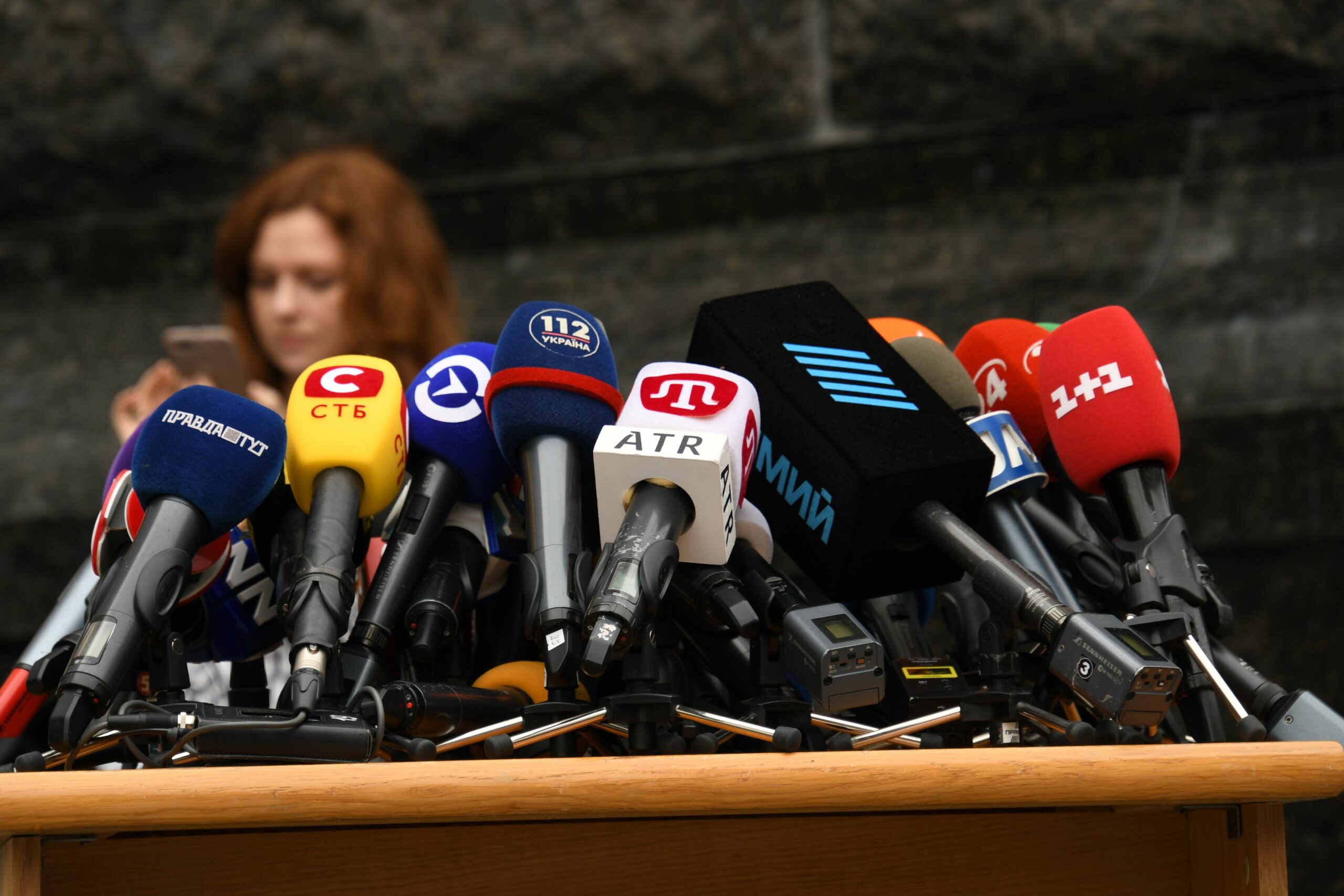
Teams waste money when they negotiate without shared definitions. Start every plan by aligning on these terms, then put them into the brief and contract so reporting and invoicing match. Keep the definitions simple, but operational, so anyone on the team can apply them.
- Reach – the estimated number of unique accounts that saw the content.
- Impressions – total views, including repeat views by the same account.
- Engagement rate – engagements divided by reach or impressions (choose one and stick to it). A common formula is: (likes + comments + saves + shares) / impressions.
- CPM – cost per 1,000 impressions. Formula: CPM = (total cost / impressions) x 1000.
- CPV – cost per view (usually video views). Formula: CPV = total cost / views.
- CPA – cost per acquisition (purchase, lead, signup). Formula: CPA = total cost / conversions.
- Whitelisting – the brand runs ads through the creator’s handle (also called creator licensing). This typically requires explicit permission and an added fee.
- Usage rights – the brand’s right to reuse the creator’s content (organic, paid, email, web). Define where, how long, and whether edits are allowed.
- Exclusivity – the creator agrees not to work with competitors for a defined period and category. This is a measurable opportunity cost and should be priced.
Takeaway: Pick one engagement rate denominator (impressions or reach) and document it. Mixing them makes benchmarks meaningless.
Pricing in 2025: benchmarks, add ons, and a simple way to sanity check quotes
Pricing is still messy because creator rates reflect demand, production effort, and brand fit, not just media value. However, you can bring structure by separating deliverable fees (creative and posting) from media like fees (usage, whitelisting, exclusivity). Then you can sanity check the total with CPM or CPV to see if it is wildly out of range for your goals.
| Platform | Follower tier | Typical deliverable | Common range (USD) | When it trends higher |
|---|---|---|---|---|
| TikTok | 10k to 50k | 1 video | $250 to $1,200 | High production, strong niche authority |
| TikTok | 50k to 250k | 1 video | $1,200 to $6,000 | Proven conversion history, whitelisting included |
| 10k to 50k | 1 Reel | $300 to $1,500 | Strong save rate, premium lifestyle verticals | |
| 50k to 250k | 1 Reel | $1,500 to $7,500 | High quality editing, consistent reach | |
| YouTube | 10k to 50k | Dedicated integration | $800 to $4,000 | Long tail search traffic, strong audience trust |
| YouTube | 50k to 250k | Dedicated integration | $4,000 to $20,000 | High intent category, evergreen content |
Now add the 2025 reality: brands want to reuse winning content. A creator who charges $2,500 for a Reel may quote another $2,500 for three months of paid usage, because that usage can replace a production shoot. Instead of arguing, ask for the rights menu in writing and choose what you need.
| Contract add on | What it covers | Typical pricing approach | Decision rule |
|---|---|---|---|
| Usage rights | Brand reposting and using content in ads | +25% to +150% of deliverable fee | Pay more if you plan to run paid media or use on landing pages |
| Whitelisting | Running ads from creator handle | Flat fee or monthly fee | Only buy if you have a paid team ready to test and iterate |
| Exclusivity | No competitor deals for a period | +20% to +200% depending on category and length | Limit scope to a narrow category to reduce cost |
| Raw footage | Unedited clips for brand editing | Flat fee per shoot | Worth it when you want multiple cutdowns for ads |
Example sanity check: You pay $5,000 for a TikTok video and it generates 250,000 impressions. Your CPM is (5000 / 250000) x 1000 = $20. If your paid social CPM in the same market is $8, that does not automatically mean the creator is overpriced, because you may be buying trust and creative. Still, it tells you to demand stronger conversion tracking or negotiate usage so you can extend value through ads.
Takeaway: Separate creative fees from rights fees, then calculate CPM or CPV as a reality check before you sign.
A practical framework to plan and measure campaigns that convert
Better measurement starts before the first post goes live. Build a plan that connects creator selection to a measurable outcome, then choose the lightest tracking that still answers your core question. If you need inspiration for how teams structure experiments and reporting, browse the InfluencerDB Blog guides on campaign planning and analytics and adapt the templates to your workflow.
Step 1: Pick one primary objective and one secondary
Common primaries are incremental reach, qualified traffic, leads, or purchases. A secondary might be content volume or brand lift. Avoid stacking five goals, because you will end up measuring none of them well.
- Awareness objective: optimize for reach, impressions, view through rate, and CPM.
- Consideration objective: optimize for saves, shares, profile clicks, and click through rate.
- Conversion objective: optimize for CPA, revenue, and assisted conversions.
Takeaway: If the objective is conversions, require a trackable link or code and agree on attribution windows upfront.
Step 2: Set tracking that matches the platform and funnel
At minimum, use UTM parameters on creator links and a dedicated landing page when possible. For ecommerce, pair UTMs with a creator specific code so you can capture purchases that happen after someone copies the URL or returns later. For lead gen, use a form field or hidden parameter to store source. When you run whitelisted ads, treat them like any other paid campaign with clear naming conventions and creative IDs.
Takeaway: UTMs plus codes beat either one alone, because they capture different buyer behaviors.
Step 3: Use a simple reporting spine
Build a one page report that answers: what we spent, what we got, what we learned, and what we will change. Include a short creative note on why top posts worked, because qualitative insights often drive the next win.
- Spend: fees, rights, shipping, paid amplification.
- Outputs: posts delivered, content formats, publish dates.
- Outcomes: reach, impressions, clicks, conversions, CPA, revenue.
- Learning: hook style, offer framing, creator angle, comments sentiment.
Takeaway: Add one “next test” per creator so the program compounds instead of resetting each month.
Creator vetting in 2025: a repeatable audit checklist
Discovery tools are faster, but the fundamentals still decide performance: audience fit, creative consistency, and trust. Before you pay, run a quick audit that blends quantitative checks with human review. This is also where you protect the brand from inflated metrics and mismatched audiences.
- Audience fit: confirm geography, language, and age align with your target. Ask for platform screenshots if needed.
- Content consistency: review the last 15 to 30 posts for tone, production level, and posting cadence.
- Engagement quality: scan comments for relevance and real conversation, not generic spam.
- Performance stability: look for repeated spikes that do not match content quality, which can signal purchased views.
- Brand safety: check for controversial topics, undisclosed ads, or frequent competitor promotions.
When you need a reference point for disclosure expectations, the FTC’s official guidance is a solid baseline: FTC Disclosures 101 for social media influencers. Even if you operate outside the US, the principles are widely adopted and help you write clearer briefs.
Takeaway: Require a short “recent brand partners” list. It reveals saturation risk and helps you price exclusivity correctly.
Negotiation and contracts: protect ROI without killing the creative
In 2025, the best deals feel fair to creators and predictable for brands. Start with a clean scope, then negotiate the levers that actually change value: revisions, usage, whitelisting, and exclusivity. Also, keep approval cycles tight, because delays are a hidden cost that creators will price in next time.
- Scope: define deliverables, format, length, and whether links or pins are required.
- Timeline: set dates for concept, first cut, final approval, and posting.
- Revisions: specify a reasonable number, such as one structural revision and one caption revision.
- Usage rights: list channels and duration. If you only need organic reposting, do not buy paid usage by default.
- Exclusivity: narrow the category and shorten the window to control cost.
- Reporting: require screenshots or platform exports within 7 to 14 days after posting.
Platform policies also matter when you run paid amplification. For example, Meta’s documentation on branded content and partnerships can help you align tags and permissions: Meta Business Help Center. Use it to confirm what is possible in your region and account setup.
Takeaway: If you plan to whitelist, negotiate it upfront. Retroactive permissions often cost more and slow down testing.
Common mistakes to avoid in 2025
Most influencer programs fail for boring reasons, not because the channel stopped working. The fixes are usually process and measurement, not more creators. Use this list as a pre flight check before each campaign.
- Paying for followers: you buy reach and trust, not a number on a profile.
- Skipping usage terms: you end up unable to reuse the best content when it matters.
- Over briefing: creators deliver stiff ads because the script leaves no room for their voice.
- Under tracking: no UTMs, no codes, no baseline, so you cannot defend ROI.
- Comparing apples to oranges: mixing reach based engagement rates with impression based rates.
- Ignoring operational costs: shipping, product returns, and approvals can eat the budget.
Takeaway: If you cannot describe what success looks like in one sentence, pause and rewrite the brief.
Best practices: a 2025 playbook you can run monthly
Strong programs look repetitive on purpose. They use a consistent cadence, a test plan, and a content library that grows over time. As a result, each month gets cheaper per learning and more effective per dollar.
- Build a creator bench: keep 10 to 30 creators warm with lightweight collaborations, then scale the top performers.
- Standardize your brief: include objective, key messages, do nots, deliverables, and tracking links.
- Run structured tests: test one variable at a time – hook, offer, format, or creator type.
- Repurpose winners: negotiate usage rights so top posts become paid ads and landing page assets.
- Close the loop: share performance back to creators so they can improve the next deliverable.
| Phase | Tasks | Owner | Deliverable |
|---|---|---|---|
| Plan | Set objective, budget, tracking, shortlist creators | Marketing lead | Campaign brief + measurement plan |
| Vet | Audience check, content review, brand safety scan | Influencer manager | Creator audit notes |
| Contract | Negotiate deliverables, usage, whitelisting, exclusivity | Influencer manager + legal | Signed agreement + rights terms |
| Produce | Approve concepts, manage revisions, confirm posting | Brand + creator | Final assets + publish dates |
| Measure | Collect screenshots, pull UTMs, calculate CPM and CPA | Analyst | Performance report + next tests |
Takeaway: Treat every month like a small experiment. One clean test beats five vague “optimizations.”
What to do next: a 30 day action plan
If you want to modernize your program quickly, focus on the fundamentals that unlock compounding returns. Start by rewriting your brief template to include objective, tracking, and rights. Then build a small creator bench and run two structured tests: one creative angle test and one offer test. Finally, standardize reporting so every campaign produces a clear decision, not just a deck of screenshots.
- Week 1: Define terms, set tracking, and create a rights menu.
- Week 2: Vet 15 creators and contract 5 with clear deliverables.
- Week 3: Launch, monitor comments, and capture early qualitative signals.
- Week 4: Report CPM, CPV, CPA, and creative learnings, then decide who to renew.
Takeaway: Renew based on evidence, not vibes: one creator with repeatable CPA is worth more than five with inconsistent reach.