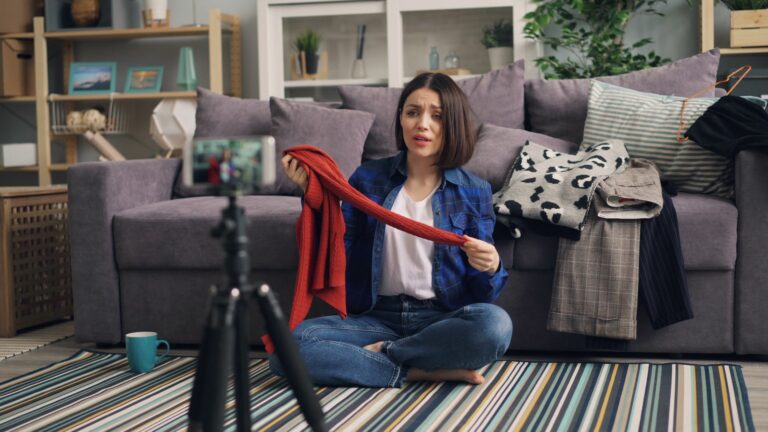

Influencer Marketing PR has shifted from a nice-to-have awareness tactic into a measurable, repeatable growth channel in 2025 – if you treat it like modern communications plus performance measurement. That means you need clear definitions, a tight brief, a pricing model you can defend, and a reporting method that separates reach from impact. In this update, you will get a practical framework for planning, buying, and evaluating creator-led PR so you can earn coverage, drive demand, and protect brand credibility. Along the way, you will also see simple formulas, negotiation rules, and tables you can use immediately.
What Influencer Marketing PR means in 2025 (and the terms you must define)
Influencer PR sits between classic public relations and paid social: you are using creators to shape perception, generate credible third-party storytelling, and spark conversation, while still tracking outcomes like reach, clicks, and conversions. The mistake is to call everything “PR” and then measure it like a direct-response ad. Instead, define the objective first: awareness, consideration, conversion, or reputation repair. Once the objective is clear, align deliverables, usage rights, and measurement to match.
Before you negotiate a single post, lock down these terms in writing so everyone is speaking the same language:
- Reach – unique accounts that saw content at least once.
- Impressions – total views, including repeat views by the same person.
- Engagement rate (ER) – engagements divided by reach or impressions (you must specify which). A practical default is ER by reach for story-driven content.
- CPM – cost per 1,000 impressions. Formula: CPM = (Cost / Impressions) x 1000.
- CPV – cost per view (most useful for short-form video). Formula: CPV = Cost / Views.
- CPA – cost per acquisition. Formula: CPA = Cost / Conversions.
- Whitelisting – creator grants permission for the brand to run ads through the creator’s handle (often called “creator licensing” on some platforms).
- Usage rights – how and where the brand can reuse the creator’s content (organic only vs paid, duration, territories).
- Exclusivity – creator agrees not to work with competitors for a defined period and category.
Takeaway: if your contract does not define ER denominator, usage duration, and whether whitelisting is included, you do not have a measurement plan – you have a hope.
Influencer Marketing PR goals and KPIs: choose one primary metric per campaign
PR campaigns fail when teams chase too many outcomes at once. To prevent that, pick one primary KPI and two supporting KPIs, then map them to the funnel stage. For awareness PR, prioritize reach and qualified impressions; for consideration, prioritize saves, shares, and site visits; for conversion, prioritize tracked purchases or leads. You can still report everything, but you should only optimize toward one north star.
Here is a simple decision rule that works in practice: if the product is new or the category is misunderstood, optimize for reach plus message pull-through (did the creator actually communicate the key points). If the product is already known and you are competing on price or features, optimize for clicks and conversions. When you are managing reputation, optimize for sentiment and comment quality rather than raw volume.
To keep KPI debates grounded, use a measurement reference point. For example, the Media Rating Council sets widely cited standards for ad measurement and viewability that can help teams align on definitions and reporting expectations: Media Rating Council measurement standards. Use it as a sanity check for what “counts” as a view or impression when stakeholders get picky.
Takeaway: write a one-line KPI statement in the brief, such as “Primary KPI: incremental reach in the US among women 18 to 34; Supporting KPIs: saves rate and branded search lift.”
Pricing and deliverables: benchmarks, add-ons, and a negotiation model
Influencer PR pricing in 2025 is less about follower count and more about audience fit, content quality, and rights. Still, you need a starting point for budgeting. Use CPM and CPV as “translation layers” so finance teams can compare creator spend to other channels. Then adjust for complexity: product education, production value, exclusivity, and usage rights all move the price.
Start with a base deliverable set and price it, then add line items for rights and restrictions. This makes negotiations faster because you are not haggling over one big number. It also prevents the common trap where a brand pays a premium and later discovers it cannot reuse the content in paid media.
| Deliverable | What it includes | Typical pricing driver | Common add-ons |
|---|---|---|---|
| Instagram Reel | 15 to 60s edited video, caption, tags | Views and watch time, niche authority | Paid usage rights, raw footage, link sticker in Stories |
| TikTok video | Native short-form video, hook + CTA | Average views, retention, creator consistency | Spark Ads authorization, whitelisting, exclusivity |
| YouTube integration | 60 to 120s mid-roll mention in a longer video | Audience trust, category fit, historical CTR | Dedicated video, pinned comment, extended usage rights |
| Stories bundle | 3 to 6 frames, link, polls or Q and A | Swipe or click rate, audience responsiveness | Story highlights, repost rights, additional frames |
Now translate a quote into comparable metrics. Example: a creator charges $4,000 for a Reel and you expect 120,000 impressions based on recent posts. Your CPM is (4000 / 120000) x 1000 = $33.33. If the campaign goal is awareness and you can buy similar CPMs elsewhere, you negotiate on creative value and audience fit. If the CPM is much higher, ask for added value like a Story set, longer usage rights, or a second cut.
Negotiation checklist you can use on every call:
- Ask for the last 10 posts’ median views, not the best post.
- Separate creation fee from media and rights (whitelisting, paid usage, exclusivity).
- Offer options: “Base package” and “Plus package” with clear deltas.
- Set a revision limit (for example, one factual review and one edit pass).
Takeaway: if you cannot explain the price using CPM or CPV plus rights, you will struggle to scale the program.
How to build an Influencer Marketing PR brief that creators actually follow
A strong brief protects authenticity while still ensuring message accuracy. The best briefs read like a journalist’s assignment: clear angle, key facts, and what not to say. Keep it short, but specific. Also, include examples of past content you liked and why, because “make it engaging” is not direction.
Use this structure:
- Objective – one sentence, tied to the primary KPI.
- Audience – who you want to reach and what they currently believe.
- Angle – the story you want told (problem, tension, payoff).
- Key messages – 3 bullets max, written in plain language.
- Proof points – specs, claims substantiation, and links to sources.
- Deliverables – formats, length, posting window, and CTA.
- Do nots – prohibited claims, competitor mentions, sensitive topics.
- Tracking – UTM link, discount code rules, reporting timeline.
For disclosure, do not leave it vague. The FTC is explicit that endorsements must be clear and conspicuous, which affects caption placement and how creators speak in video: FTC guidance on endorsements and influencers. Put the disclosure requirement in the brief and contract, and include examples like “Ad” at the start of a caption where appropriate.
Takeaway: your brief should tell a creator what success looks like, how to stay compliant, and how to avoid factual errors without scripting their voice.
Measurement and reporting: a simple framework that ties PR to outcomes
Influencer PR measurement gets messy when teams mix platform metrics, web analytics, and sales data without a plan. Instead, set up a three-layer report: platform delivery, traffic behavior, and business impact. This keeps PR honest while still respecting that not every campaign is meant to convert immediately.
Layer 1 – Delivery: reach, impressions, views, watch time, and ER. Layer 2 – Behavior: link clicks, landing page sessions, time on page, and add-to-cart. Layer 3 – Impact: purchases, leads, branded search lift, or email signups. If you are running whitelisting, separate organic results from paid amplification so you do not double count.
Use these basic formulas in your spreadsheet:
- ER by reach = (Likes + Comments + Shares + Saves) / Reach
- Click-through rate = Clicks / Impressions
- Conversion rate = Conversions / Sessions
- Incremental CPA (simple) = (Influencer cost) / (Incremental conversions)
Example calculation: You pay $12,000 across three creators. You track 900 sessions from UTMs, 45 purchases, and a $80 AOV. Revenue attributed is 45 x 80 = $3,600, so last-click ROAS looks bad. However, you also see branded search up 18% and retail sell-through rising in the same week. In that case, report both: direct response efficiency and leading indicators. Then decide whether the next wave should shift toward conversion-focused creators or keep the PR angle and add paid amplification.
If you want more measurement templates and reporting ideas, keep a running swipe file from the InfluencerDB Blog and adapt the formats to your own dashboards.
Takeaway: separate delivery, behavior, and impact so stakeholders can see what PR did well even when conversions lag.
Auditing creators for PR fit: credibility, brand safety, and fraud checks
PR is fragile because credibility is the product. That is why creator selection should include a reputation audit, not just a performance scan. Start with content fit: does the creator already talk about the category naturally, and do their comments show trust? Next, check audience alignment using location, age bands, and language. Finally, run basic fraud and brand safety checks before you send product or sign a contract.
Use this practical audit checklist:
- Consistency – compare median views to follower count; huge gaps can be normal, but ask why.
- Comment quality – look for real questions and replies, not generic praise.
- Past brand work – too many competing sponsors can weaken PR credibility.
- Audience geography – confirm it matches your shipping or retail footprint.
- Brand safety – scan recent posts for polarizing topics that conflict with your risk tolerance.
- Fraud signals – sudden follower spikes, repetitive comments, or engagement pods.
When something feels off, ask for screenshots of platform analytics for the last 30 days, including audience location and age. Also, request the last three brand partnership results if they have them. You do not need a perfect creator, but you do need predictable delivery and a tone that will not backfire.
Takeaway: for PR, trust signals matter as much as reach, so audit comment quality and sponsorship history before you optimize CPM.
Common mistakes (and how to fix them fast)
Most Influencer Marketing PR problems are process problems. The good news is they are fixable with a few rules. First, teams often over-script creators, which kills authenticity and makes content feel like an ad. Fix it by writing an angle and proof points, then letting the creator choose the words and format.
Second, brands forget to price rights and exclusivity separately, then get stuck when they want to repurpose a top-performing video. Solve this with a menu: 30-day organic usage included, paid usage priced as an add-on, exclusivity priced by category and time window. Third, marketers rely on vanity metrics like likes without checking reach, saves, and watch time. Correct it by reporting the three-layer framework and making one KPI primary.
Takeaway: if you standardize briefs, rights menus, and reporting layers, you remove most of the friction that makes PR feel unpredictable.
Best practices for 2025: how to scale without losing credibility
To scale influencer PR, you need repeatable systems that still leave room for creator voice. Start by building a small roster of creators you can return to each quarter. Repetition improves performance because creators learn the product and the audience recognizes the partnership. Next, plan content in “story arcs” instead of one-off posts: tease, explain, demonstrate, then follow up with FAQs.
Operationally, treat every campaign like a newsroom cycle. Set a tight timeline for product shipping, briefing, content review, posting, and reporting. Keep approvals focused on factual accuracy, legal compliance, and brand safety, not style. When you find a winner, scale with whitelisting and paid amplification, but only after you confirm the organic post resonates.
| Phase | Tasks | Owner | Deliverable |
|---|---|---|---|
| Plan | Set primary KPI, define audience, pick creator short list | Marketing lead | Campaign one-pager |
| Contract | Confirm deliverables, disclosure, usage rights, exclusivity, whitelisting | Influencer manager + legal | Signed agreement |
| Create | Ship product, share brief, approve factual claims only | Brand + creator | Final assets |
| Publish | Post on schedule, monitor comments, capture screenshots | Creator + community manager | Live links and post IDs |
| Measure | Collect platform metrics, UTM sessions, sales, and learnings | Analyst | Three-layer report |
| Scale | Repurpose winners, test whitelisting, renegotiate roster rates | Growth lead | Next-wave plan |
Takeaway: scale comes from a roster, a rights menu, and a reporting cadence – not from chasing viral posts.
A quick 2025 checklist you can copy into your next campaign
Use this final checklist to pressure-test your next Influencer Marketing PR plan before money goes out the door:
- Primary KPI chosen and written in one sentence.
- Definitions agreed: reach vs impressions, ER denominator, attribution window.
- Brief includes angle, proof points, and “do nots.”
- Contract includes disclosure, usage rights, whitelisting terms, and exclusivity.
- Pricing broken into creation fee plus rights and restrictions.
- Tracking set: UTMs, codes, and a reporting deadline.
- Audit completed: comment quality, audience geography, sponsorship history.
Takeaway: if you can check every box, you are set up for a PR program that is credible, measurable, and easier to scale in 2025.