Social media for restaurants works best when you treat every post like a measurable sales asset, not a vibe check. Bars and restaurants win when they publish the right formats, partner with the right creators, and track what actually drives reservations, walk ins, and repeat visits. This guide gives you a practical system: what to post, how to structure influencer offers, how to price deliverables, and how to measure results without guessing.
Social media for restaurants – define the metrics and deal terms first
Before you plan content, lock in the language you will use to judge performance and negotiate partnerships. Otherwise, you will argue about results after the campaign ends. Start with a one page glossary that your GM, marketing lead, and any creator can understand. Then, use those definitions in briefs, invoices, and reporting so everyone stays aligned.
Key terms (plain English):
- Reach – unique people who saw the content at least once.
- Impressions – total views, including repeats by the same person.
- Engagement rate – engagements divided by reach (preferred) or impressions. Formula: (likes + comments + saves + shares) / reach.
- CPM – cost per 1,000 impressions. Formula: cost / impressions x 1000.
- CPV – cost per view (usually video views). Formula: cost / views.
- CPA – cost per action (reservation, email signup, coupon redemption). Formula: cost / conversions.
- Whitelisting – you run ads through the creator account (also called creator licensing). You pay for ad spend, and often a separate whitelisting fee.
- Usage rights – permission to reuse creator content on your channels, website, email, or ads for a set time and region.
- Exclusivity – creator agrees not to promote competing venues for a defined window (for example, “no other rooftop bars within 5 miles for 30 days”).
Takeaway: Put CPM, CPA, usage rights, and exclusivity in writing before you agree on “a free meal for a post.” It prevents the most common restaurant influencer disputes: reposting without permission, unclear deliverables, and vague performance expectations.
Build a restaurant content engine that sells, not just entertains
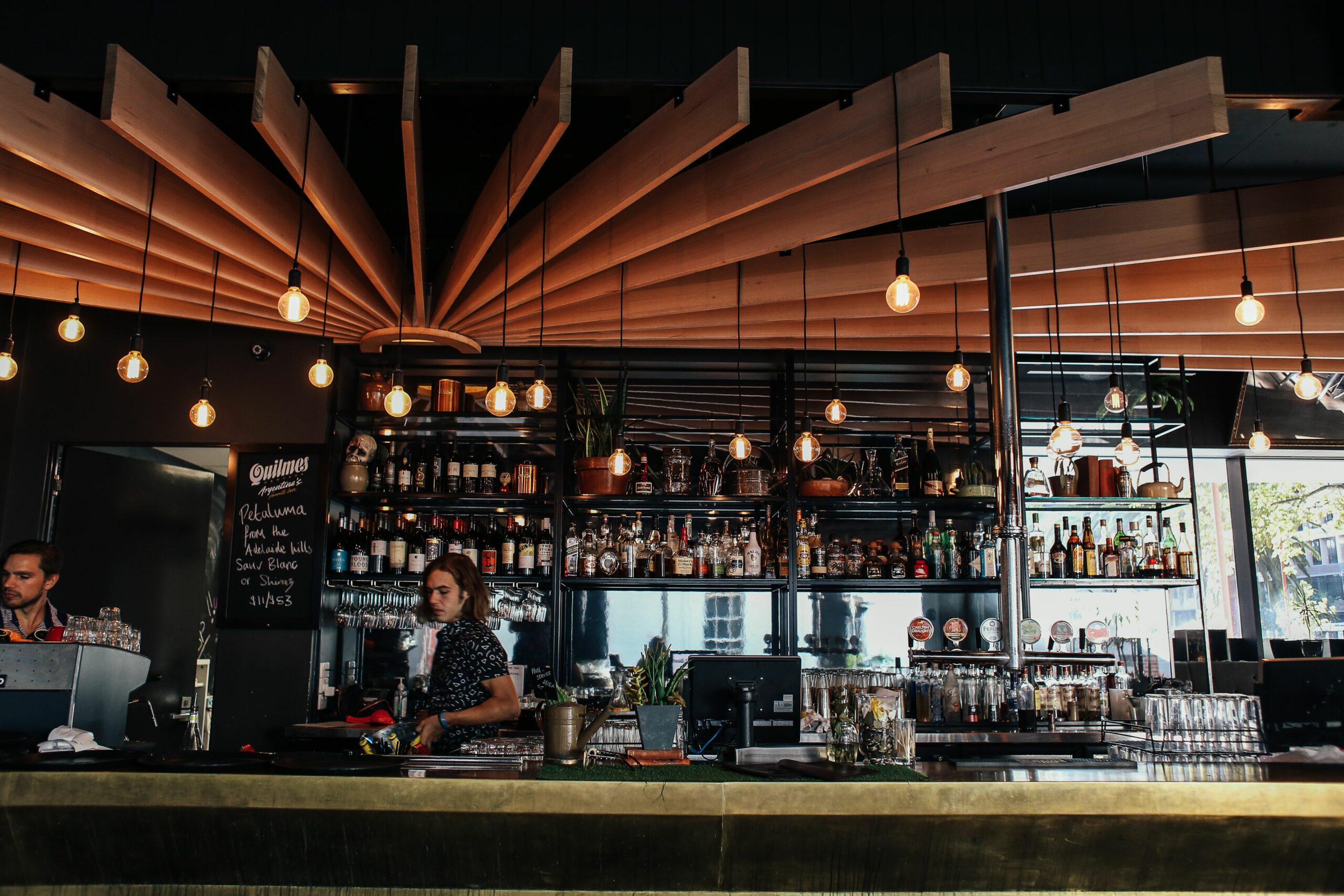
Most venues post when something happens, which creates gaps and inconsistent results. Instead, build a weekly engine with repeatable content pillars that map to how people choose where to eat or drink. As a result, you will publish faster, test more, and learn what drives bookings. Keep the production simple: a phone, good window light, and clear audio beats fancy edits.
Use these four pillars (and rotate them):
- Proof – packed room clips, line out the door, chef plating, bartender flaming garnish, real customer reactions.
- Product – signature dish build, cocktail pour, menu hacks, seasonal specials, happy hour math.
- People – chef story, bartender picks, staff favorites, behind the bar routines.
- Plan – how to book, where to park, best time to arrive, group options, dietary notes.
Weekly cadence that works for most locations: 3 short videos (Reels or TikTok style), 2 photo or carousel posts, and daily Stories for specials and social proof. Then, pin three posts that answer the top questions: “What is the vibe?”, “What should I order?”, and “How do I get in?”
Takeaway: If you are stuck, film one “signature item” video and one “how to visit” video every week. Those two formats usually lift saves and shares, which improves distribution.
Influencer partnerships for bars and restaurants – a step by step framework
Influencers can fill seats quickly, but only if the offer is structured like a campaign, not a favor. Start by deciding the goal: awareness in a neighborhood, bookings for a slow night, or content you can reuse in ads. Next, pick creators based on audience location and content quality, not follower count. Finally, track redemptions with a simple code or booking link so you can compare creators fairly.
Step 1 – choose one primary KPI: reservations, covers on a specific night, happy hour foot traffic, or private event leads. Keep it single focus so the creator knows what to drive.
Step 2 – define the audience: radius (for example, 5 miles), age range, and intent (date night, sports fans, brunch groups). Ask creators for audience city breakdown screenshots before you book.
Step 3 – pick the right creator type:
- Neighborhood micro creators (5k to 50k) – often best for walk ins and local trust.
- Food critics and reviewers – strong persuasion, but higher risk if the experience is inconsistent.
- Lifestyle creators – great for vibe and occasions, especially rooftop, live music, and cocktail bars.
Step 4 – write a tight brief: hook, must show items, location tags, booking CTA, and disclosure requirements. If you need a template, the InfluencerDB blog guides on briefs and creator selection can help you standardize what you send.
Step 5 – track with one method: a unique code at POS, a trackable booking link, or a dedicated landing page QR. Avoid “tell us you saw it on Instagram” because staff will forget to ask.
Takeaway: If you cannot track it, treat it as content production, not performance marketing, and price it accordingly.
Pricing benchmarks and how to structure offers (with a negotiation checklist)
Restaurant influencer pricing varies by city, creator quality, and deliverables. Still, you can anchor negotiations with a simple benchmark range and then adjust for usage rights, exclusivity, and whitelisting. In practice, the biggest pricing mistakes happen when venues pay for follower count, or when they forget that a creator is also producing assets you can reuse. Start with a base rate, then add line items for rights and restrictions.
| Deliverable | Typical creator tier | Common price range (USD) | Best for |
|---|---|---|---|
| 1 TikTok or Reel (15 to 45 sec) | Micro (10k to 50k) | $150 to $800 | Local awareness, menu spotlight |
| 1 TikTok or Reel + 3 Stories | Micro to mid (50k to 250k) | $500 to $2,500 | Event nights, openings, promos |
| Carousel post (5 to 10 photos) | Micro | $150 to $700 | Menu depth, saves, “what to order” |
| UGC package (3 videos delivered, not posted) | UGC creator | $300 to $1,500 | Ads, website, organic library |
To sanity check a quote, translate it into CPM using expected impressions. Example: you pay $600 for a Reel and expect 20,000 impressions. CPM = 600 / 20000 x 1000 = $30. If your local paid social CPM is $8 to $18, you are paying a premium for creative and trust, which can be fine if the content converts or you can reuse it.
Negotiation checklist (use as decision rules):
- Comp vs paid: Offer comped food only for very small creators or staff like content. Otherwise, pay a fee and comp a limited menu.
- Usage rights: If you want to repost on your channels, ask for 90 days organic usage included. For ads, pay extra.
- Exclusivity: Only buy it when you have a real competitive risk. Keep it narrow by distance and category.
- Whitelisting: If you plan to run the post as an ad, ask for whitelisting pricing upfront and define duration (14 to 30 days is common).
- Deliverable clarity: Specify number of revisions (usually one), posting window, and whether drafts are required.
Takeaway: Separate “posting fee” from “rights and restrictions.” You will negotiate faster and avoid overpaying for terms you do not need.
How to measure results – simple formulas and a reporting table
Restaurants often stop at likes, but likes do not pay rent. Instead, build a lightweight report that ties content to actions: bookings, calls, direction taps, coupon redemptions, and private event inquiries. Use platform analytics plus your POS or reservation system data. Then, compare creators on CPA and on content quality signals like saves and shares.
Core formulas:
- Engagement rate (by reach): (likes + comments + saves + shares) / reach
- CPA: total cost / conversions (reservations, redemptions, leads)
- Incremental covers estimate: (promo redemptions) + (tracked bookings) + (walk ins using code)
Example calculation: You spend $1,200 on two creators. You track 18 reservations via a booking link and 22 POS redemptions using a code. Total conversions = 40. CPA = 1200 / 40 = $30 per conversion. If your average contribution margin per cover is $18 and the average reservation is 2 covers, your margin per reservation is about $36. That makes a $30 CPA workable, especially if some customers return.
| Metric | Where to get it | What “good” looks like | Action if weak |
|---|---|---|---|
| Reach and impressions | Creator insights screenshot | Consistent with past posts | Change hook, post time, or creator fit |
| Saves and shares | Creator insights | Higher than likes ratio | Add menu details, pricing, and “what to order” |
| Profile actions (calls, directions) | Instagram professional dashboard | Spikes on post days | Improve bio, add booking link, pin key posts |
| Tracked bookings or code redemptions | Reservation system or POS | CPA below margin per conversion | Change offer, tighten CTA, test different night |
For platform specific measurement basics, cross check your setup against official documentation, such as Meta Business guidance. Keep screenshots of creator insights for every deliverable so you can audit performance later.
Takeaway: If you cannot connect a creator post to at least one trackable action, treat the spend as brand content and judge it on asset value and reach, not conversions.
Compliance, disclosures, and review ethics for food and drink creators
Bars and restaurants live and die on trust, so disclosure and review ethics matter. If you comp a meal, pay a fee, or provide anything of value, the creator generally needs to disclose the relationship clearly. That protects both sides and reduces backlash in comments. It also keeps you aligned with platform rules and advertising standards.
Use clear language like “ad,” “paid partnership,” or “hosted” depending on the arrangement, and require it in the contract. For US campaigns, read the FTC Disclosures 101 page and mirror its examples in your brief. Also, avoid pressuring creators to guarantee positive reviews. Instead, guarantee the experience: consistent service, accurate menu availability, and a clean story for filming.
Takeaway: Put disclosure text and placement in the brief, and train staff to treat creator visits like any other guest experience, not a staged shoot that disrupts the floor.
Common mistakes that waste budget (and how to fix them fast)
Most restaurant social media problems are operational, not creative. A great creator cannot save a venue that cannot seat on time, runs out of the featured item, or forgets to honor the promo. Likewise, a strong post will not convert if the booking link is broken or the pinned content is outdated. Fix the basics first, then scale what works.
- Mistake: Choosing creators by follower count. Fix: Require audience city data and recent average views.
- Mistake: No tracking method. Fix: Use a unique code and a dedicated booking link for each creator.
- Mistake: Vague deliverables. Fix: List exact formats, length, tags, CTA, and posting window.
- Mistake: Overbuying exclusivity. Fix: Narrow it by category, distance, and duration.
- Mistake: Ignoring asset value. Fix: Negotiate usage rights so you can reuse the best clips.
Takeaway: If a campaign underperforms, diagnose in this order: offer and CTA, tracking, creator audience fit, then creative. Most fixes are one edit away.
Best practices – a repeatable playbook you can run monthly
Once you have one good campaign, the goal is repeatability. Build a monthly rhythm that blends organic content, creator partnerships, and paid amplification when needed. Keep your experiments small, but run them consistently. Over time, you will learn which hooks, menu items, and nights drive the best CPA.
Monthly playbook:
- Week 1: Audit your last 30 days of posts. Pick the top two by saves and shares and remake them with a new item.
- Week 2: Book 2 micro creators for a slow night. Give each a unique code and one clear CTA.
- Week 3: Turn the best creator clip into a UGC style ad. If you do not have rights, negotiate them next time.
- Week 4: Refresh pinned posts, update hours, and confirm your booking link works on mobile.
When you need more structure, keep a running checklist and templates in one place so staff turnover does not break your process. You can also pull additional planning ideas from the, especially for creator outreach and campaign reporting.
Takeaway: Consistency beats novelty. A restaurant that repeats two winning formats every week will outperform a venue that posts randomly, even with better photography.