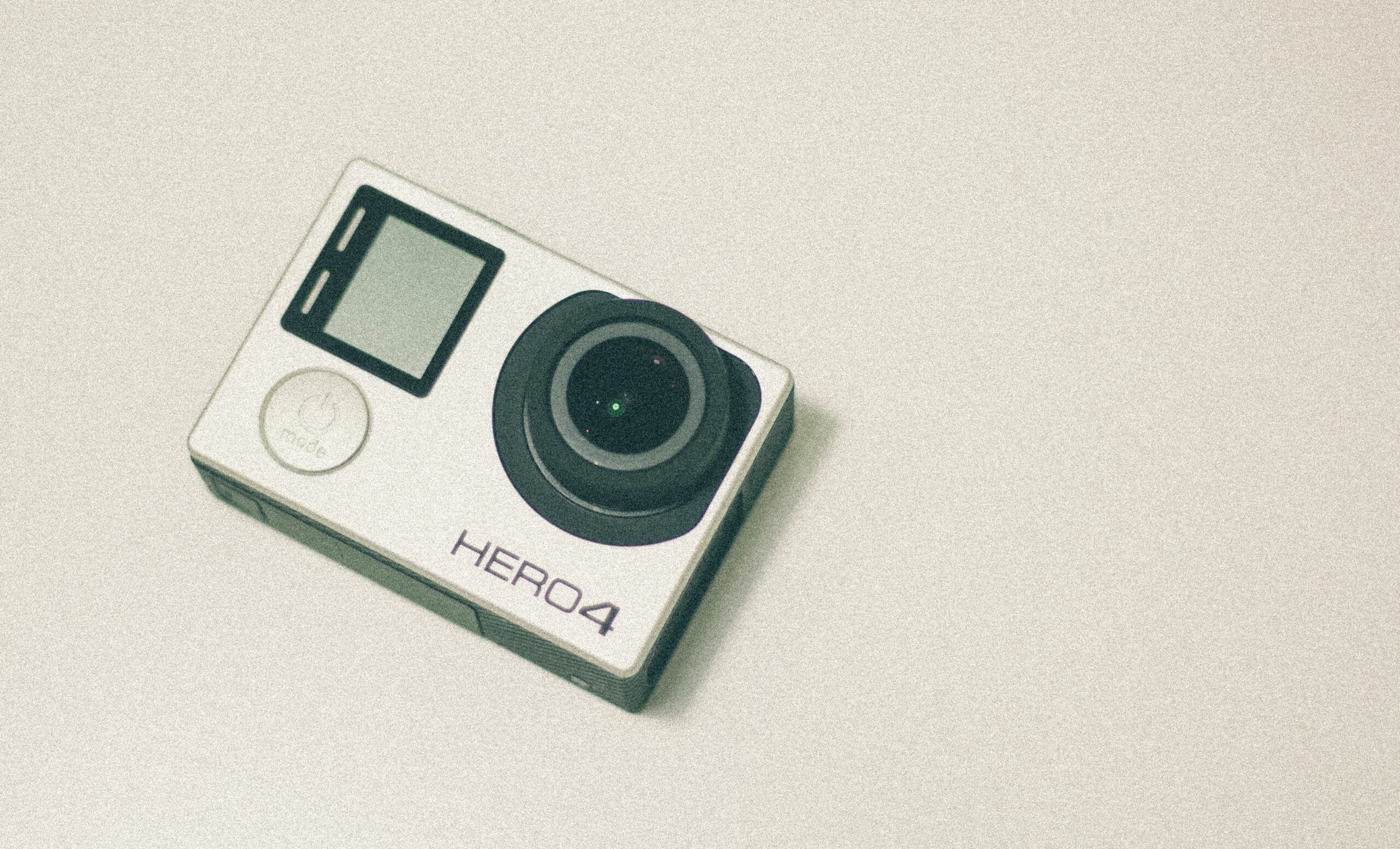

Social Spotlight GoPro is a practical way to think about creator-led GoPro style campaigns – spotlighting real footage, real creators, and measurable outcomes instead of vague hype. In this guide, you will learn how to evaluate creators, estimate fair pricing, write a brief that prevents reshoots, and track performance with metrics that map to business goals. Along the way, we will define the key terms marketers argue about, show simple formulas, and share decision rules you can apply the same day. The examples assume action cameras and adventure content, but the framework works for any product where authentic POV footage sells. If you want more influencer planning templates and measurement notes, the is a useful hub to keep open while you build.
Social Spotlight GoPro: What it means and what success looks like
At its core, Social Spotlight GoPro describes a campaign pattern: recruit creators who can capture compelling first-person footage, publish it natively on their channels, and repurpose the best clips across brand social and paid placements. The “spotlight” part matters because the content needs a clear narrative hook – a trick, a route, a challenge, a behind-the-scenes build – not just a montage. Success also needs a definition before you spend: is the goal reach, site traffic, email signups, or direct sales? Once you pick the primary objective, you can choose the right pricing model and tracking setup. A practical rule: if you cannot describe the viewer action you want in one sentence, the brief is not ready.
Takeaway checklist for defining success:
- Pick one primary KPI (reach, clicks, signups, purchases) and two secondary KPIs (saves, watch time, comments quality).
- Define the audience in plain language (for example: “weekend mountain bikers in the US who buy gear online”).
- Decide where the best content will live after posting (brand organic, paid ads, product page, email).
- Set a pass-fail threshold (for example: “at least 20 seconds average view duration on a 45 second video”).
Key terms you must align on before you negotiate

Most influencer disputes come from undefined terms, not bad intent. Start by aligning on the vocabulary below, then put those definitions into the contract or statement of work. That step alone reduces back-and-forth and makes pricing discussions faster. You do not need to overcomplicate it, but you do need to be specific about what is being measured and what rights you are buying. When teams skip this, they often pay twice – once for the post and again for usage rights they assumed were included.
- Reach: estimated unique accounts who saw the content at least once.
- Impressions: total views, including repeat views by the same account.
- Engagement rate (ER): engagements divided by impressions or reach (you must specify which). A common formula is (likes + comments + saves + shares) / impressions.
- CPM: cost per thousand impressions. Formula: cost / (impressions / 1000).
- CPV: cost per view, typically for video views. Formula: cost / views.
- CPA: cost per acquisition (signup or purchase). Formula: cost / conversions.
- Whitelisting: running ads through the creator’s handle (also called creator licensing). This usually requires extra permissions and sometimes extra fees.
- Usage rights: how and where the brand can reuse the content (organic social, paid ads, website, retail screens) and for how long.
- Exclusivity: restrictions on the creator working with competitors for a set period. This has a real opportunity cost and should be priced.
For disclosure and compliance, make sure your brief includes clear labeling requirements. The FTC’s endorsement guidance is the baseline in the US – see FTC guidance on endorsements for specifics on clear and conspicuous disclosures.
Creator selection for GoPro style content: a scoring method that works
Action camera campaigns fail when brands choose creators only by follower count. Instead, score creators on fit, footage quality, and reliability. Start with a short list of 20 to 40 creators, then narrow to 5 to 10 using a consistent rubric. This keeps your team from “vibing” their way into expensive mismatches. It also helps you explain decisions internally when someone asks why a smaller creator got the deal.
Practical scoring rubric (0 to 5 each):
- POV storytelling: Do they build tension, show setup, and deliver payoff?
- Technical quality: Stabilization, audio, lighting, and edit pacing.
- Safety and brand risk: Are stunts reckless, illegal, or likely to trigger platform enforcement?
- Audience fit: Comments show the right interests, not generic emoji spam.
- Consistency: Posting cadence and repeatable formats.
- Commercial readiness: Past brand work looks natural and properly disclosed.
Then add two “hard filters” before you reach out: (1) recent average views per video and (2) engagement quality. If a creator has 500k followers but only 8k average views, pricing should follow views, not followers. For platform-specific expectations and how video views are counted, reference YouTube’s view counting overview as a helpful baseline for how platforms treat views and invalid traffic.
Pricing Social Spotlight GoPro campaigns: benchmarks, levers, and a simple model
Pricing should start with deliverables and expected distribution, then adjust for usage rights, whitelisting, and exclusivity. In practice, creators quote based on demand and their own opportunity cost, so you need a model that lets you sanity-check quotes quickly. Use CPM and CPV as your “math layer,” then negotiate with levers that do not damage the relationship. For example, shortening usage rights from 12 months to 3 months can reduce cost without asking the creator to work for less.
| Follower tier | Typical deliverable | Common pricing range | When it makes sense |
|---|---|---|---|
| 10k to 50k | 1 short-form video (15 to 45s) | $250 to $1,500 | Testing hooks, niche sports, high authenticity |
| 50k to 250k | 1 video + 3 to 5 raw clips | $1,500 to $7,500 | Balanced reach and production quality |
| 250k to 1M | 1 video + story set or carousel | $7,500 to $30,000 | Big launches, retail moments, hero assets |
| 1M+ | Integrated series or multi-platform | $30,000+ | Brand-level awareness, press-worthy moments |
Negotiation levers that usually work:
- Swap one polished edit for more raw clips you can cut in-house.
- Limit usage rights to specific channels (for example: brand TikTok and Instagram only).
- Set a clear revision cap (one round of edits) to protect both sides.
- Offer performance bonuses tied to views or conversions to align incentives.
Simple pricing model (CPM and CPV sanity check):
- Expected impressions: 250,000
- Creator fee: $5,000
- CPM = 5,000 / (250,000 / 1000) = $20
If the content is strong and you are also buying 6 months of paid usage, a $20 CPM can be reasonable. However, if the creator historically delivers 60,000 impressions, the effective CPM becomes $83, which should trigger a renegotiation or a different deliverables mix.
Build a brief that prevents reshoots: shot list, guardrails, and approvals
A good brief for action footage is not long, it is precise. Creators need freedom to shoot in their style, but they also need guardrails so the footage is usable for the brand. Start with a one-paragraph creative direction, then add a shot list and a list of “must avoid” items. Finally, define approvals: what needs pre-approval (concept, location, safety plan) and what does not (minor edit choices). This structure keeps the creator fast while protecting the brand.
| Brief section | What to include | Owner | Concrete output |
|---|---|---|---|
| Objective and KPI | Primary KPI, target audience, success threshold | Brand | 1 sentence KPI statement |
| Creative hook | Challenge, route, tutorial angle, before/after | Creator + Brand | Concept outline (5 bullets) |
| Shot list | POV, mount angles, B-roll, product close-ups, audio notes | Creator | Checklist for filming day |
| Brand guardrails | Claims allowed, safety rules, prohibited content, disclosure | Brand | Do and do not list |
| Deliverables and dates | Formats, aspect ratios, deadlines, revision cap | Brand | Timeline with milestones |
| Usage and whitelisting | Where used, duration, paid rights, handle licensing | Brand | Rights clause in SOW |
Tip: ask for “edit-friendly” raw footage: 4K if possible, stable clips, and 3 to 5 seconds of handles before and after key moments. That tiny detail makes repurposing dramatically easier.
Measurement and reporting: track what matters, not what is easy
Social Spotlight GoPro content often wins on watch time and shares, but brands still report likes because they are easy to screenshot. Instead, set up measurement that maps to your KPI. If the goal is awareness, prioritize reach, impressions, view-through rate, and average view duration. If the goal is sales, you need clean links, promo codes, and a plan for attribution that acknowledges reality: influencer content often assists conversions rather than closing them immediately.
Core formulas you can use in a spreadsheet:
- Engagement rate (impressions-based) = total engagements / impressions
- View-through rate = 3-second views / impressions (or platform equivalent)
- CPV = total cost / total video views
- CPA = total cost / total conversions
- Incremental lift (simple) = (test conversions – control conversions) / control conversions
Example calculation (conversion-focused): You pay $12,000 total for three creators. You get 1,800 link clicks and 90 purchases. CPA = 12,000 / 90 = $133. If your gross margin per order is $80, that is not profitable on last-click alone. However, if you also see a 20 percent lift in branded search and email signups during the flight, the campaign may still be valuable. The decision rule is to separate “direct response” creators from “top-of-funnel” creators and evaluate them differently.
When you need a consistent reporting format across creators, build a one-page template and keep it identical each time. For more measurement and planning ideas you can adapt, scan recent frameworks on the InfluencerDB Blog and standardize your own internal scorecard.
Common mistakes that quietly ruin performance
Most underperforming campaigns are fixable, but only if you know what to look for. One common mistake is buying a single hero post and expecting it to do the work of a full creative test. Another is ignoring usage rights until after the content is live, which forces awkward renegotiations. Teams also misread engagement by treating all comments as equal, even when many are generic or unrelated to the product. Finally, brands sometimes push scripted talking points that make creators sound like ads, which reduces watch time and shares.
- Choosing creators by followers instead of recent average views and audience fit.
- No shot list, leading to missing angles and unusable product moments.
- Undefined whitelisting and usage rights, causing delays and extra fees.
- Reporting only likes and comments, ignoring watch time and retention.
- Overloading one post with too many messages instead of one clear hook.
Best practices: a repeatable playbook for your next flight
Once you have run one Social Spotlight GoPro style campaign, the next one should be easier, not chaotic. Build a system: a creator scoring sheet, a brief template, a pricing model, and a reporting dashboard. Then iterate based on what the data says, not what the loudest opinion says. Also, treat creators like production partners by sharing performance feedback and what you plan to do with the content. That transparency improves the next round of creative and often leads to better rates over time.
Best practices you can apply immediately:
- Test in batches: run 5 to 8 creators with different hooks, then scale the top 2 with paid usage.
- Separate fees: line-item the post, raw footage, usage rights, whitelisting, and exclusivity.
- Ask for proof points: request screenshots of recent reach and audience demographics before finalizing.
- Design for repurposing: require both 9:16 and a safe crop for 1:1 or 4:5.
- Use performance bonuses: offer a bonus for hitting view or conversion thresholds to align incentives.
If you plan to run paid amplification, align early on handle licensing and ad permissions. Meta’s official overview of branded content and partnerships can help you understand the mechanics and requirements – see Meta branded content tools for a starting point.
Quick start: a 7-day execution plan
To make this actionable, here is a simple seven-day plan you can run with a small team. Day 1: define KPI, audience, and budget split between creator fees and paid usage. Day 2: shortlist creators and score them with the rubric, then pick a primary and backup list. Day 3: send outreach with a clear offer, deliverables, and rights, then confirm timelines. Day 4: finalize the brief, including shot list and disclosure requirements, and lock the contract. Day 5: creators shoot and share a rough cut or key frames for a fast alignment check. Day 6: final edits and delivery of raw clips and thumbnails. Day 7: publish, collect links and codes, and set a reporting cadence for 24 hours, 72 hours, and 7 days.
Decision rule: if you cannot get clean agreement on usage rights and whitelisting by Day 4, do not plan paid amplification for that creator in this flight. You can still run the organic post and learn, then negotiate paid rights for the next round with clearer expectations.