
Surprise and delight marketing works best when it is planned like a campaign – not treated like a random gift – and that is exactly how to make it measurable, repeatable, and profitable. In influencer programs, the tactic shines because creators can document the moment, add context, and turn a small gesture into a story that travels. However, the same tactic can also backfire if it feels transactional, violates platform rules, or creates fulfillment chaos. Below is a practical playbook you can use to design surprises that feel human while still hitting business goals.
What surprise and delight marketing means in influencer campaigns
At its core, surprise and delight is an unexpected value exchange that makes someone feel seen. In influencer marketing, that “someone” can be the creator, their audience, or a subset of customers who buy through the creator. The surprise can be physical (a product drop), digital (early access), social (a spotlight), or financial (a bonus). The “delight” is the emotional response that increases loyalty, word of mouth, and future conversion.
To keep it practical, define the objective before you pick the surprise. If you want more UGC, your surprise should make filming easy. If you want repeat purchases, your surprise should arrive after the first order. If you want brand affinity, your surprise should reflect the creator’s identity, not your brand’s internal calendar.
- Takeaway: Write one sentence: “We are surprising X so that Y happens.” If you cannot finish that sentence, you are not ready to ship boxes.
- Takeaway: Decide who the moment is for: creator, audience, customer, or all three. Each requires different logistics and measurement.
Define the metrics and key terms before you spend
If you want to scale surprises beyond a handful of VIP creators, you need shared definitions and simple math. Start with the metrics you will use to judge success, then map them to the right tracking method. This also helps you avoid overpaying for “feel good” moments that do not move the needle.
Key terms, defined for influencer teams:
- Reach: Estimated unique people who saw the content.
- Impressions: Total views, including repeat views by the same person.
- Engagement rate: (Likes + comments + shares + saves) / impressions or reach. Always specify the denominator.
- CPM: Cost per thousand impressions. Formula: (Total cost / impressions) x 1000.
- CPV: Cost per view, typically for video. Formula: Total cost / views.
- CPA: Cost per acquisition (purchase, signup). Formula: Total cost / conversions.
- Whitelisting: Running paid ads through a creator’s handle (also called creator licensing). Requires explicit permission and often a fee.
- Usage rights: Your right to reuse creator content (organic, paid, email, site). Define duration, channels, and geography.
- Exclusivity: A period where the creator cannot work with competitors. This usually increases cost.
Now connect surprises to KPIs. A surprise sent to a creator might aim for higher engagement rate and more story frames. A surprise sent to customers might aim for higher repeat purchase rate and lower CPA on retargeting because the brand sentiment improves.
Example calculation: You send a $120 surprise kit to 25 creators ($3,000 product cost) plus $500 shipping and $1,500 in creator bonuses. Total cost = $5,000. The creators post 400,000 impressions. Your CPM = (5,000 / 400,000) x 1000 = $12.50. If you also track 80 purchases, your CPA = 5,000 / 80 = $62.50. Whether that is “good” depends on your margins and LTV, but at least you have a baseline.
- Takeaway: Pick one primary KPI (CPM, CPA, or repeat rate) and one secondary KPI (engagement rate or saves) for each surprise concept.
- Takeaway: Require a tracking plan before approval: unique codes, UTM links, affiliate links, or post purchase surveys.
A step-by-step framework to plan a surprise that scales
Most “surprise” programs fail in the boring parts: segmentation, timing, and fulfillment. Use this framework to keep the magic while staying operationally sane.
- Segment recipients. Create tiers such as: new creators, high performers, long term partners, and “rising” creators you want to retain. For customers, segment by first purchase, subscription, or high AOV.
- Choose the trigger. Good triggers include: first post goes live, hitting a sales milestone, a creator birthday, a product restock, or a customer’s second order. Avoid triggers that feel like a bribe for a positive review.
- Set a budget rule. Use a simple cap per tier. For example: Tier 1 $40 value, Tier 2 $120, Tier 3 $300. Add shipping and labor in the same line item.
- Design for filming. If you want content, include a clear unboxing moment, a note with a hook, and one “hero” item that reads on camera.
- Write the message. Keep it short, specific, and personal. Mention what you noticed (a post detail, a community comment) and why it mattered.
- Confirm compliance. If the surprise is tied to posting, treat it like compensation and require disclosure. Reference the FTC’s endorsement guidance for clarity: FTC endorsements and influencer guidance.
- Measure and iterate. Track delivery, posting rate, content quality, and downstream sales. Then adjust the trigger or tiering.
- Takeaway: If you cannot explain the trigger and tier in one sentence, the program will be hard to manage once it grows.
Budgeting and pricing: what to pay for surprises, bonuses, and rights
Surprises often sit outside your normal influencer rate card, which is why they can quietly blow up budgets. Treat them like a mini compensation model with clear components: product cost, shipping, creator time, and rights. If the surprise is purely a gift with no posting requirement, you still need to plan for the likelihood that it will be posted and ensure your team is ready to handle inbound questions.
| Surprise type | Typical cost range | Best for | Hidden cost to plan for |
|---|---|---|---|
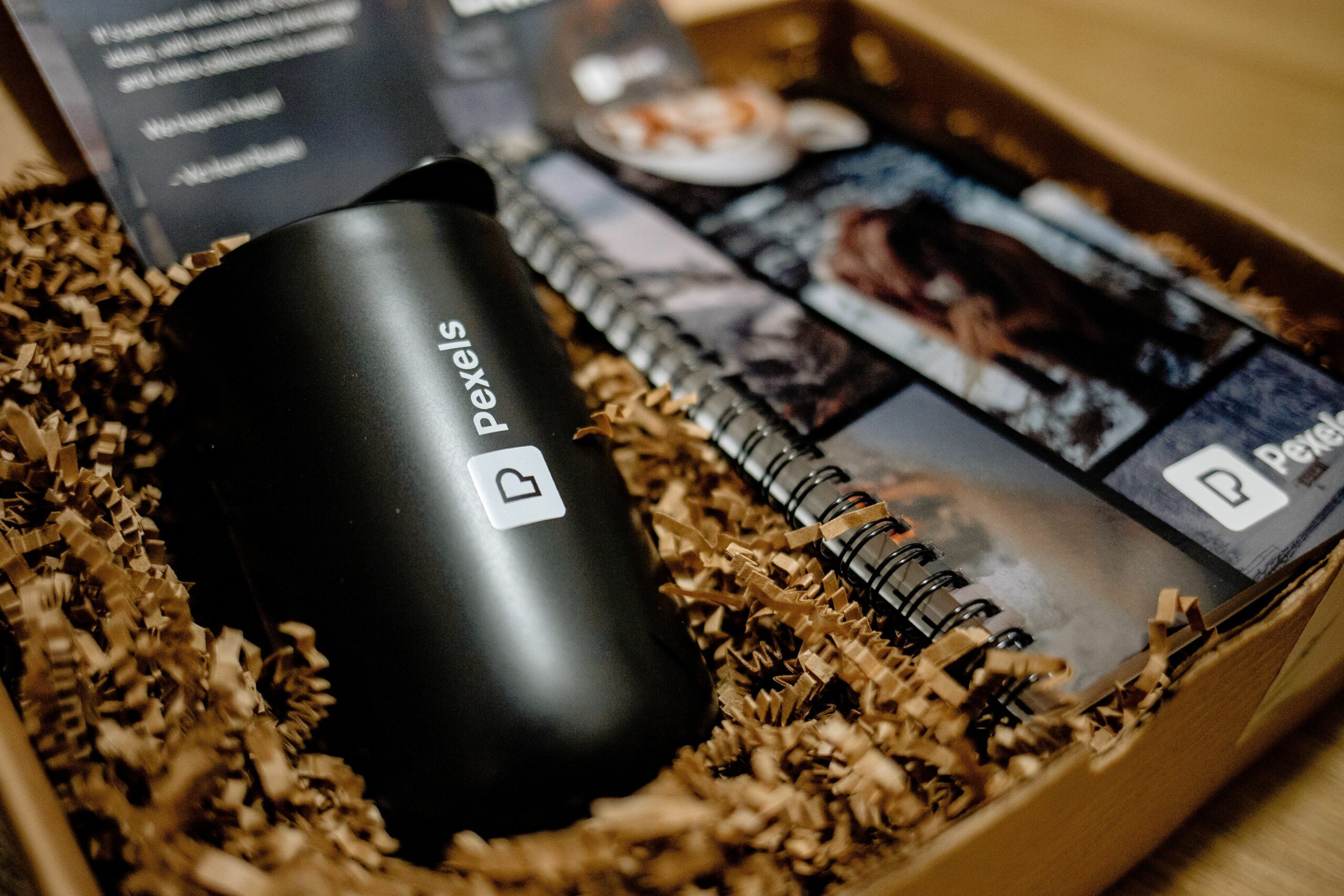
| Personalized product kit | $50 to $250 per creator | Unboxings, stories, relationship building | Fulfillment time, inventory allocation |
| Performance bonus | 5% to 20% of fee or $100 to $1,000 | Driving conversions without renegotiating base fees | Attribution disputes, delayed payouts |
| Early access and exclusives | $0 to $100 incremental | Hype, launches, community trust | Support load, leaks |
| Paid usage rights upgrade | $200 to $2,000+ | Repurposing top content in ads and email | Contract edits, rights tracking |
When you add usage rights or whitelisting, put it in writing. Platforms also have their own branded content rules, so make sure the creator can tag the partnership correctly. Meta’s branded content policies are a helpful reference when you are building your process: Meta branded content policies.
| Negotiation lever | When to use it | Decision rule | Example language |
|---|---|---|---|
| Bonus for performance | You want upside without raising base rates | Offer if attribution is clean (code, link, or post purchase survey) | “If sales exceed 50 orders, we add a $300 bonus within 14 days.” |
| Usage rights | You plan to reuse content beyond the creator’s post | Pay more if used in paid ads or on product pages | “We request 6 months paid social usage in US only.” |
| Exclusivity | Your category is crowded and timing matters | Only ask when you can justify the cost with forecasted lift | “No direct competitors in skincare for 30 days after posting.” |
| Whitelisting | You want to amplify top posts with ads | Use only for proven creatives with strong hook and retention | “We will request ad access for 30 days with a $500 licensing fee.” |
- Takeaway: Separate “surprise value” from “rights value.” A gift does not automatically include permission to run ads with the content.
Execution checklist: from brief to delivery to measurement
A surprise moment still needs a brief, even if it is short. The brief protects the creator relationship because it sets expectations without making the gesture feel like a transaction. It also protects your team because it reduces last minute scrambling.
Use a one page surprise brief with: purpose, trigger, what is included, whether posting is optional or required, disclosure guidance, and how to get support. If you want to see more templates and campaign planning ideas, you can pull additional structure from the InfluencerDB Blog and adapt it to your workflow.
| Phase | Tasks | Owner | Deliverable |
|---|---|---|---|
| Plan | Define trigger, tiers, KPI, tracking method | Influencer lead | One page surprise brief |
| Prep | Confirm addresses, inventory, personalization details | Ops or community manager | Ship list and packing notes |
| Ship | Send kits, share tracking, confirm delivery window | Fulfillment | Tracking sheet updated |
| Activate | Optional posting guidance, disclosure reminders | Creator manager | Message template sent |
| Measure | Collect links, codes, screenshots, sales and sentiment | Analyst | Results recap with next actions |
- Takeaway: Track “delivered” as a metric. If delivery fails, your creative strategy does not matter.
- Takeaway: Save creator replies and audience comments as qualitative data. It helps you design the next surprise with better fit.
Common mistakes that make surprises feel cheap or risky
Surprises can go wrong in predictable ways. The fastest fix is to name the failure modes and build guardrails. Most of these issues are not creative problems, they are expectation problems.
- Making it conditional without saying so. If you expect a post, say it and pay accordingly. If you do not, do not hint at it.
- Over personalizing based on shallow data. Referencing a creator’s private life can feel invasive. Keep personalization tied to their content and public interests.
- Ignoring disclosure. If a creator posts because they received something of value, disclosure is often required. Build disclosure language into your message.
- Sending the same box to everyone. Uniform kits can still work, but add one variable item per tier so it feels intentional.
- Forgetting usage rights. Do not repost or run ads with creator content unless your agreement covers it.
- Measuring only likes. For surprises, saves, shares, and comments often tell the real story, especially for community driven brands.
- Takeaway: If you cannot explain disclosure and rights in one message, pause and fix the process before you scale.
Best practices: how to make surprise and delight marketing pay off
Once the basics are in place, the best programs share a few habits. They treat surprises as part of relationship management, not as a one off stunt. They also use data to decide who gets what, while keeping the tone human.
- Use a “moment map.” Plan three moments per quarter: one for onboarding new creators, one for rewarding performance, and one for retention. This prevents random spending.
- Reward behaviors, not vanity metrics. If you care about conversions, reward clean callouts, strong demos, and link placement, not just views.
- Build a content flywheel. When a surprise generates great content, ask for permission to reuse it in email or on site, then pay for the rights. That turns delight into durable assets.
- Keep surprises on brand, not loud. A thoughtful note and one perfect item often beats a giant box of filler.
- Close the loop with creators. Share results back to them. Creators who see impact tend to improve the next deliverable.
Finally, document what worked. A simple spreadsheet with trigger, tier, cost, posting rate, CPM, CPA, and notes on sentiment will outperform vague memories. Over time, you will know which surprises create the best content, which ones drive sales, and which ones are just expensive confetti.
- Takeaway: Run surprise and delight like an experiment: one hypothesis, one primary KPI, and one clear next action after results.
Mini playbook: three ready-to-run surprise concepts
If you want to launch quickly, start with concepts that are easy to fulfill and easy to measure. Each option below includes a trigger, a budget range, and a measurement approach.
- Creator milestone kit: Trigger when a creator’s first post goes live. Budget $60 to $150. Measure posting rate of follow up stories, saves, and comments that mention the brand.
- Customer second order surprise: Trigger on second purchase through a creator code. Budget $10 to $25. Measure repeat purchase rate and post purchase NPS lift.
- Performance bonus plus rights: Trigger when CPA beats target by 20%. Budget $200 to $1,000. Measure incremental sales from whitelisted ads using the creator’s best video.
Pick one concept, run it for 30 days, and then decide whether to expand tiers or add a second trigger. That is how you keep the “surprise” feeling while building a system your team can actually operate.