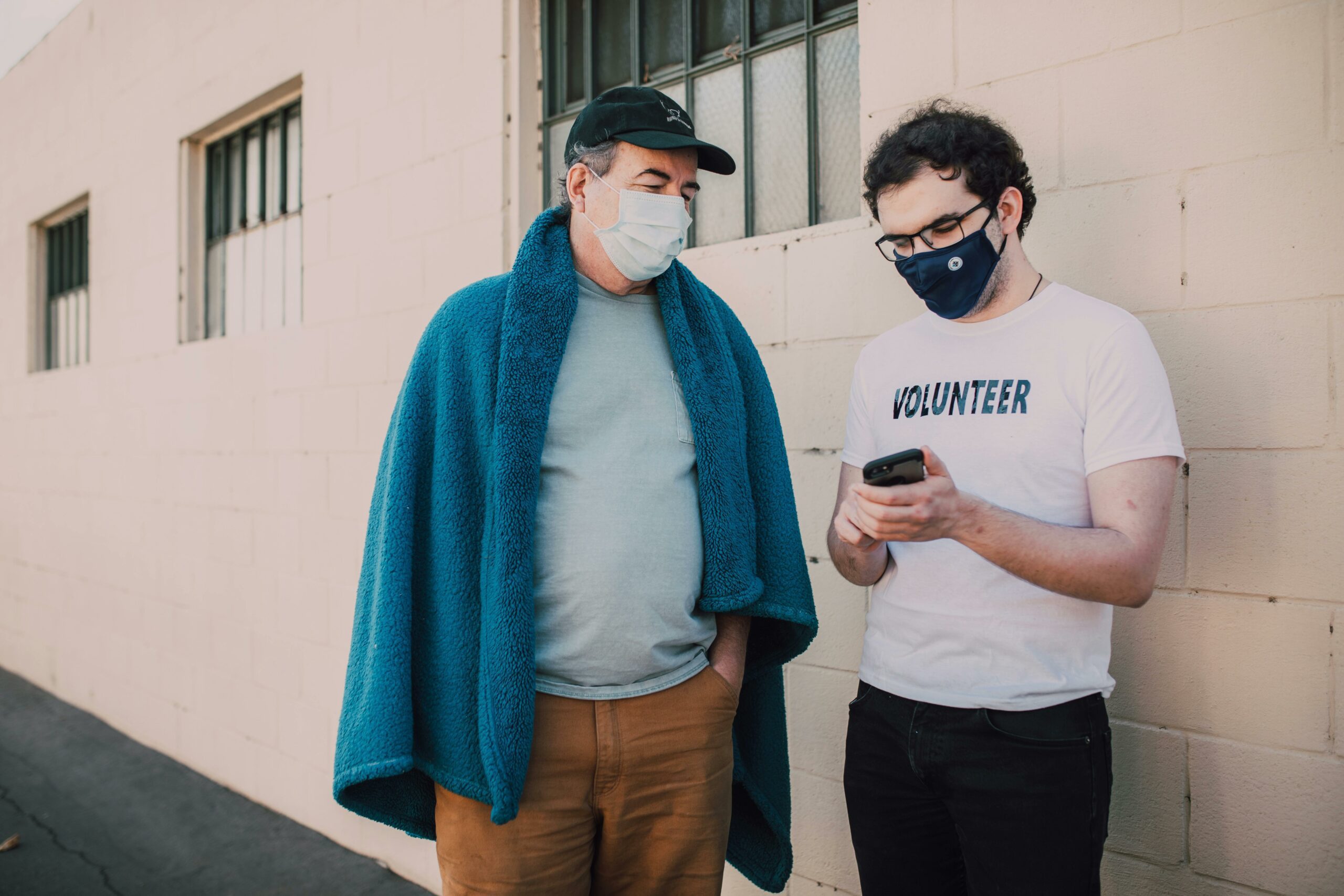

Social media fundraising works best when you treat it like a campaign, not a single post, so this guide breaks down 12 practical tips you can apply today. Whether you are raising money for a nonprofit, a mutual aid effort, a medical bill, or a school program, the same fundamentals apply: a clear goal, a credible story, smart distribution, and simple tracking. You do not need a huge following, but you do need focus, repetition, and proof. Along the way, you will also learn the core marketing terms that help you measure what is happening and decide what to change next. Use this as a checklist, then run a 7 to 14 day sprint and improve from real data.
Social media fundraising starts with a measurable goal
Before you design graphics or write captions, decide what success looks like in numbers and in time. A strong target is specific, time-bound, and tied to a concrete use of funds, because donors give faster when they understand the impact. For example: “Raise $7,500 in 10 days to cover 50 emergency food boxes” is easier to support than “Please donate.” Next, build a simple funnel: views to clicks to donations. Finally, write down your baseline so you can see progress instead of guessing.
- Donation goal: total amount and deadline.
- Volume goal: number of donors (often more important than one large gift).
- Traffic goal: link clicks to your donation page.
- Content goal: number of posts, Stories, Shorts, or Lives you will publish.
Quick formula: if your donation page converts at 2%, you need about 50 clicks per donation. To get 100 donations, plan for roughly 5,000 clicks. That number sounds big, but it becomes manageable when you spread it across partners, reposts, and multiple platforms.
Define the metrics and terms you will use (so you can improve)

Fundraising posts often fail because people cannot tell whether the story, the creative, or the distribution is the problem. Clear definitions fix that. Track a few metrics consistently, then make one change at a time. Also, learn the paid and influencer terms below, because even if you never run ads, these concepts help you evaluate reach and efficiency.
- Reach: unique people who saw your content.
- Impressions: total views, including repeat views by the same person.
- Engagement rate: engagements divided by reach (or impressions). Example: (likes + comments + shares + saves) / reach.
- CPM: cost per 1,000 impressions. Useful if you boost posts or run ads.
- CPV: cost per view (commonly for video views).
- CPA: cost per acquisition, here meaning cost per donation or cost per donor.
- Usage rights: permission to reuse a creator’s content in your channels or ads.
- Exclusivity: agreement that a creator will not promote competing causes or organizations for a period.
- Whitelisting: running ads through a creator’s handle with their permission, often improving trust and click-through.
Practical takeaway: set up a simple tracking sheet with columns for date, platform, post type, reach, link clicks, donations, and notes. If you want more measurement ideas and templates, browse the InfluencerDB Blog and adapt the same discipline used in influencer campaigns.
Choose the right platform mix for your audience and ask type
Different platforms create different donation behavior. Instagram and TikTok can drive awareness quickly, but conversion often happens after multiple exposures, so you need reminders and a clean link path. Facebook still performs well for older audiences and community fundraising, especially when a trusted person shares the ask. YouTube is slower to build momentum, yet strong for high-consideration stories and longer explanations. Instead of posting everywhere randomly, pick two primary platforms and one secondary for repurposing.
| Platform | Best for | High-performing formats | Conversion tip |
|---|---|---|---|
| Community updates and social proof | Stories, Reels, Lives | Pin a post with the link and use Story link stickers daily | |
| TikTok | Discovery and fast reach | Short videos with a clear hook | Repeat the ask in multiple videos, not just one |
| Local networks and older donors | Groups, personal posts, events | Ask a few connectors to share to relevant groups | |
| YouTube | Deep storytelling and credibility | Shorts plus a longer explainer | Use a pinned comment with the donation link and a deadline |
Decision rule: if your cause needs explanation and trust, prioritize YouTube and Instagram. If you need broad awareness fast, prioritize TikTok and Instagram, then use Stories and pinned posts to convert.
Build a donation page that converts before you drive traffic
Social posts can do their job and still fail if the donation page is confusing. Audit the page on mobile, because most donors will arrive from a phone. Remove friction: fewer fields, fewer clicks, and a clear default amount. Add credibility: who you are, where funds go, and what happens next. If you are a nonprofit, make tax-deductible status easy to find. If you are an individual fundraiser, add verification where possible and be transparent about distribution.
- Put the primary goal and deadline at the top.
- Use 3 to 5 preset amounts tied to impact, like “$25 = school supplies for one student.”
- Enable Apple Pay or Google Pay if your platform supports it.
- Add a short FAQ: fees, refunds, and how updates will be shared.
Credibility note: if you are collecting donations, follow platform and legal guidance for your region. For US nonprofits and fundraising disclosures, review the IRS charitable organization resources at IRS Charities and Nonprofits.
Write an ask that is specific, human, and easy to act on
People do not donate to “content,” they donate to outcomes and to people they trust. Your copy should answer four questions quickly: What is happening? Why does it matter now? What will the money do? What should I do next? Keep the first two lines punchy because that is what shows before a “more” button. Then, repeat the call to action in plain language, not in vague slogans.
- Hook: one sentence with urgency and context.
- Proof: one detail that shows legitimacy (partner org, receipts, timeline, location).
- Impact: what $25, $50, and $100 accomplish.
- CTA: “Donate $10 today” or “Share to 3 friends if you cannot give.”
Example caption structure: “We need to raise $3,000 by Friday to cover two weeks of hotel stays for displaced families. We have already secured 40% through local partners. If you can, donate $20 now using the link in bio. If you cannot, share this post to one group chat.”
Use a 7 day content plan that balances story, proof, and reminders
Most campaigns underperform because they post once, then go quiet. Instead, plan a short sprint where you publish daily, rotate formats, and make the ask visible without sounding robotic. The trick is variation: tell the story from different angles and use different proof points. Also, schedule posts for when your audience is actually online, then adjust after day two based on reach and click data.
| Day | Content | Goal | CTA |
|---|---|---|---|
| 1 | Launch video (30 to 45 seconds) + pinned post | Awareness | Donate now |
| 2 | Story Q and A + link sticker | Trust | Ask questions, then donate |
| 3 | Impact breakdown graphic | Clarity | Choose an amount |
| 4 | Testimonial or partner clip | Social proof | Share to friends |
| 5 | Progress update (thermometer or numbers) | Momentum | Help close the gap |
| 6 | Live stream or community check-in | Connection | Donate during the live |
| 7 | Deadline reminder + final push | Conversion | Last chance to give |
Concrete takeaway: write three versions of your ask (short, medium, long). Rotate them across the week so you stay consistent but not repetitive.
You do not need celebrity endorsements to raise meaningful money. What you need are a handful of people with trust in specific communities: local organizers, niche creators, alumni groups, and workplace networks. Start with 10 to 20 micro advocates who will share twice during the campaign. Make it easy for them by providing a small kit: a short script, a longer script, one image, one video, and the exact link to use.
- DM potential advocates with a clear request: “Can you post this on Tuesday and Friday?”
- Offer options: post, Story, group share, or email forward.
- Give them a tracking link so you can thank them with specifics.
- Ask for one personal sentence in their known voice, because it converts better than copy paste.
Ethics and disclosure: if a creator is compensated or receives benefits for promoting the fundraiser, ensure they disclose clearly. The FTC explains endorsement disclosure expectations at FTC Endorsements and Influencers.
Make tracking simple: links, UTMs, and a basic CPA calculation
Tracking does not have to be complicated to be useful. Use unique links for each platform and, if possible, for each major advocate. Add UTM parameters so Google Analytics or your donation platform can attribute traffic sources. Then, review results daily and make one adjustment: change the hook, change the creative, or change the distribution plan. This is where fundraising becomes a repeatable system.
- UTM basics: utm_source (instagram), utm_medium (social), utm_campaign (winter-relief).
- Link placement: bio link tool, pinned comment, Story link sticker, and profile buttons where available.
- Donation attribution: ask donors “How did you hear about this?” as a backup signal.
Example calculation: you spend $150 boosting a Reel and it generates 1,200 link clicks and 18 donations. Your CPA is $150 / 18 = $8.33 per donation. If the average donation is $35, you are net positive even after platform fees, so you can justify scaling that creative.
Use paid boosts carefully: small tests, clear audiences, and tight creative
Paid promotion can help, but it can also waste money if you boost the wrong post. Start by testing two creatives with a small budget, then keep the winner and pause the loser. Target warm audiences first: people who engaged with your page, watched your videos, or visited your site. After that, expand to lookalikes or interest targeting if you have enough data. Keep the ad message simple and consistent with the organic posts so donors do not feel baited.
- Test budget: $10 to $25 per day for 3 days per creative.
- Optimize for link clicks first, then for conversions if your setup supports it.
- Use one clear CTA and one clear deadline.
Platform guidance: if you run ads on Meta, review the official policies and ad setup documentation to avoid disapprovals and to understand optimization events: Meta Business Help Center.
Common mistakes that quietly kill donations
Small execution issues can cut your results in half, even when the cause is strong. The good news is that most fixes are straightforward. Watch for these patterns, then correct them quickly rather than waiting until the end of the campaign.
- One and done posting: donors need multiple exposures, so plan reminders.
- Unclear use of funds: vague goals reduce trust and urgency.
- Too many links: one primary link beats a menu of options.
- No proof: show partners, receipts, progress updates, and real outcomes.
- Ignoring comments and DMs: unanswered questions stop donations.
Fix in 15 minutes: rewrite your pinned post to include goal, deadline, impact amounts, and one link. Then, add a Story highlight called “Updates” and keep it current.
Best practices to sustain trust after the campaign ends
Fundraising is not only about the money you raise this week, it is also about whether people will give again next month. Close the loop with donors and supporters. Share outcomes, thank specific advocates, and publish a simple breakdown of where funds went. If you made a mistake, address it directly and explain the correction. That transparency is what turns a one-time push into a durable community.
- Post a final update within 48 hours of the deadline.
- Share receipts or a summary ledger when appropriate and safe.
- Thank donors publicly in aggregate and privately when possible.
- Document what worked: top posts, best platforms, best advocates.
Next step: turn your campaign notes into a repeatable playbook. Save your best performing scripts, your share kit assets, and your tracking sheet, then run the next fundraiser with a shorter learning curve.