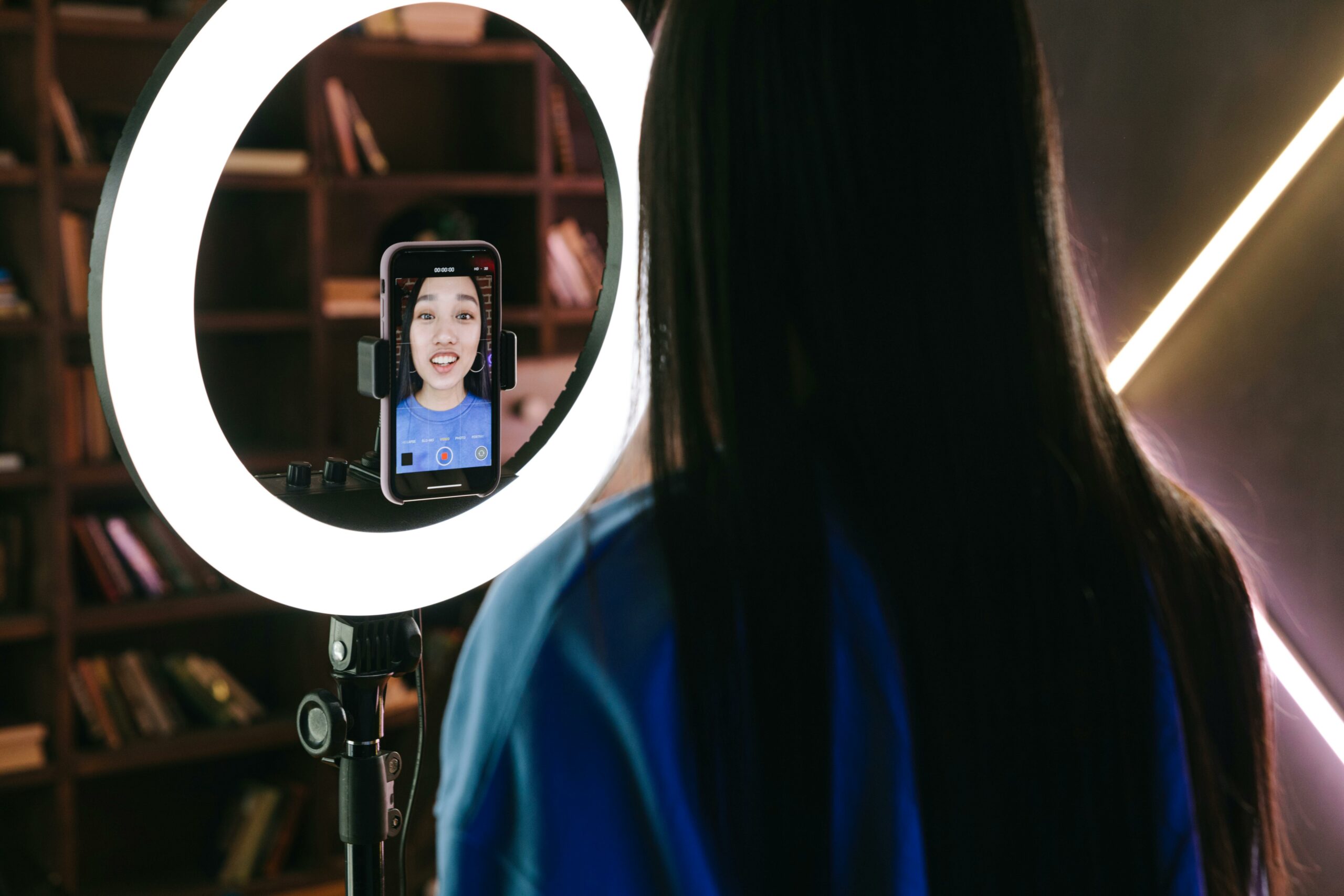

Viral content strategy is not a magic trick – it is a repeatable system that starts with measurable goals, a clear hook, and distribution you can actually execute. In 2026, the biggest change is not a new platform feature, it is the speed of feedback: you can test angles in hours, then scale the winners with creators, paid boosts, and smart repurposing. This guide is built for marketers and creators who want a process, not vibes. You will learn the terms, the metrics, and the decision rules that separate a lucky spike from consistent hits. Along the way, you will get templates, formulas, and two tables you can copy into your workflow.
Viral content strategy basics: define the terms and the scorecard
Before you chase “viral,” define what success means for your business and your audience. A million views can be worthless if it does not reach the right people or drive the next action. Start by aligning on a scorecard that includes reach, engagement, and outcomes. Then, use consistent definitions so your team does not argue about what a “view” means. Here are the key terms you should lock in early, plus how to apply each one.
- Reach: unique accounts exposed to your content. Use it to judge how wide your top of funnel is.
- Impressions: total times content was shown, including repeats. Use it to spot frequency and potential fatigue.
- Engagement rate (ER): engagement divided by reach or impressions (pick one and stick to it). A practical formula is ER by reach = (likes + comments + shares + saves) / reach.
- CPM (cost per mille): cost per 1,000 impressions. Formula: CPM = (spend / impressions) x 1000. Useful for comparing paid distribution and whitelisted creator ads.
- CPV (cost per view): cost per video view. Formula: CPV = spend / views. Use it when view volume is the main objective.
- CPA (cost per acquisition): cost per purchase, signup, or lead. Formula: CPA = spend / conversions. Use it to judge whether “viral” actually pays.
- Whitelisting: running ads through a creator’s handle (with permission). Use it to combine creator trust with paid targeting.
- Usage rights: the right to reuse creator content in ads, email, web, or other channels. Define duration, channels, and territories.
- Exclusivity: a restriction that prevents the creator from working with competitors for a period. Treat it like a real cost driver.
Concrete takeaway: write these definitions into your brief and reporting doc. If you do not, you will optimize for different outcomes across teams and waste the first week of every campaign.

Most content fails in the first two seconds because it does not earn attention. A strong hypothesis forces you to articulate why someone should stop, watch, and share. Use this four-part structure to design each post before you script it. It works for short video, carousels, and long captions because it maps to human decision making. Importantly, it also makes testing easier because you can swap one part at a time.
- Hook: the pattern break that wins the first moment. Examples: a counterintuitive claim, a quick visual reveal, or a direct question.
- Promise: what the viewer gets. Keep it specific: “3 edits that double watch time” beats “tips for better videos.”
- Proof: why they should believe you. Use a demo, a screenshot, a mini case study, or a credible source.
- Payoff: the satisfying end. Deliver the promised value, then give a next step (save, comment, click, or try).
Decision rule: if you cannot write the promise in one sentence, the idea is too fuzzy to scale. Also, if your proof is “trust me,” expect weak shares and low retention.
To keep your ideas grounded in what already performs, use a light research loop: scan your last 90 days of posts, identify the top 10 by shares and saves, and label the hook type. Then, do the same for three creators in your niche. For more ongoing examples and breakdowns, browse the and save formats that match your audience’s intent.
Metrics that predict sharing: retention, saves, and “second-order” signals
Views are a lagging indicator. If you want repeatable wins, watch the metrics that predict whether the algorithm will keep distributing your post. In 2026, platforms reward content that holds attention and triggers downstream actions like saves, shares, and profile visits. That means you should measure the middle of the funnel, not just the top. When you do, you can kill weak concepts early and double down on the ones that are compounding.
Start with retention. For short video, look at average watch time and completion rate. A practical benchmark is internal: compare each new post to your median over the last 30 posts. Next, track saves and shares per 1,000 views, because those are strong intent signals. Finally, watch “second-order” signals like follows per 1,000 views and profile clicks per 1,000 views, which tell you whether the content is attracting the right people.
| Signal | What it indicates | Simple calculation | How to act on it |
|---|---|---|---|
| Completion rate | Content holds attention end to end | Completions / video starts | If low, tighten the first 3 seconds and cut filler |
| Saves per 1,000 views | Utility and future intent | (Saves / views) x 1000 | If high, turn it into a series and a checklist |
| Shares per 1,000 views | Social currency and relatability | (Shares / views) x 1000 | If high, test new hooks with the same core idea |
| Follows per 1,000 views | Audience fit and creator authority | (Follows / views) x 1000 | If low, clarify who the content is for and why you |
| CTR to landing page | Ability to drive action off-platform | Clicks / impressions | If low, rewrite the CTA and align the offer to the post |
Example calculation: you spend $600 to boost a creator video that gets 240,000 impressions and 60,000 views, plus 120 purchases. CPM = (600 / 240000) x 1000 = $2.50. CPV = 600 / 60000 = $0.01. CPA = 600 / 120 = $5. If your margin per purchase is $18, that is profitable even if the post never “goes viral.”
For platform-specific measurement definitions, use official documentation so your reporting matches what the platform counts. YouTube’s analytics help center is a reliable reference: YouTube Analytics Help.
Creator-led distribution: briefs, whitelisting, usage rights, exclusivity
Viral moments are often distribution moments. Creators give you access to trust, format fluency, and a built-in audience, but only if you brief them well and structure the deal correctly. Start with a brief that is tight on objectives and flexible on execution. Then, negotiate rights that match how you plan to scale. If you skip the legal and operational details, you will end up with a great post you cannot reuse.
Brief checklist you can copy:
- Objective: awareness, consideration, or conversion – pick one primary.
- Audience: who it is for, what they already believe, and what they need to hear.
- Key message: one sentence, no semicolons, no “and also.”
- Non-negotiables: claims you can support, brand safety, required disclosures.
- Creative freedom: what the creator can change without approval.
- Deliverables: formats, lengths, posting dates, and whether you need raw files.
- Measurement: which metrics matter and how you will track links or codes.
Now the deal terms. Whitelisting is powerful when you have a winning post and want to scale it with paid targeting. Ask for a defined access window (for example, 30 days) and specify who pays for ads. Usage rights should list channels (paid social, website, email), duration, and whether you can edit. Exclusivity should be narrow: define competitors, timeframe, and geography. Concrete takeaway: if you want to run creator content as ads, negotiate usage rights and whitelisting up front, not after the post performs.
Planning table: from idea to publish to scale
Going viral is easier when your process is boring. A simple production system keeps you shipping, testing, and learning without burning out your team. Use the table below as a lightweight operating plan. Assign an owner for each phase, and set a deadline that forces decisions. Then, run the same cadence every week so your data stays comparable.
| Phase | Tasks | Owner | Deliverable | Quality gate |
|---|---|---|---|---|
| Research | Pull top posts, map hook types, collect audience questions | Strategist | 10 idea briefs | Each idea has a one-sentence promise |
| Concept | Write hook, outline beats, define proof assets | Creator or copy lead | Script outline | Hook is clear in first 2 seconds |
| Production | Film, capture B-roll, record voice, gather screenshots | Creator | Raw footage | Audio is clean, visuals support the claim |
| Edit | Tighten pacing, add captions, add proof overlays | Editor | Final cut | No dead air, payoff lands before the end |
| Publish | Post, pin comment, respond fast, track early signals | Community manager | Live post | First 30 minutes monitored |
| Scale | Repurpose, whitelist, boost, pitch to partners | Growth lead | 3 variants + paid test | Only scale if saves and retention beat median |
Concrete takeaway: treat the “scale” phase as a separate deliverable. Too many teams stop at publish, which is exactly when the best data arrives.
Most “viral” advice fails because it ignores execution details. The mistakes below are common across brands and creators, and they are fixable with simple rules. First, people overstuff the first 10 seconds with context, which delays the hook. Next, they chase trends that do not match their audience’s identity, so shares stay low even if views spike. Finally, they measure the wrong thing, then declare the format “dead” after one post.
- Weak or delayed hook – fix by writing five hook options and filming the best two.
- Vague promise – fix by adding a number, a timeframe, or a clear outcome.
- No proof – fix by showing receipts: a demo, a before and after, or a credible reference.
- Over-editing – fix by prioritizing clarity and pacing over flashy transitions.
- Ignoring distribution – fix by planning repurposes and creator partners before you publish.
Decision rule: if your first comment thread is confused about what the post is about, rewrite the hook and on-screen text before you make more content in that format.
Best practices: a repeatable playbook for 2026
Consistency beats inspiration. The best teams run a tight loop: test, learn, and iterate with discipline. Start by setting a weekly quota of experiments, not just posts. Then, document what worked in a shared library so new team members can copy patterns instead of reinventing them. This is also where influencer partnerships shine, because creators can run parallel tests across audiences.
- Run A/B hook tests: post two versions with different openings but the same payoff.
- Design for saves: add a checklist, template, or “do this next” step that people want to keep.
- Reply with content: turn high-signal comments into follow-up posts within 48 hours.
- Repurpose intentionally: one strong idea can become a short video, a carousel, a newsletter section, and a landing page.
- Use paid to validate: a small boost can tell you if the concept scales beyond your current followers.
When you work with creators, include disclosure requirements and platform policies in your workflow. If you are unsure about endorsement rules, the FTC’s guidance is the safest starting point: FTC endorsements and influencer guidance.
A practical 7-day sprint to ship your next breakout post
If you want momentum, run a short sprint with clear outputs. Day 1: pick one audience problem and write three promises. Day 2: draft two scripts using the hook, promise, proof, payoff structure. Day 3: film both versions and capture proof assets. Day 4: edit for pacing, then add captions that restate the promise. Day 5: publish version A, monitor retention and saves, and respond to comments quickly.
Day 6: publish version B, then compare early signals using the same time window. Day 7: repurpose the winner into two new formats, and if you have a creator partner, discuss whitelisting and usage rights so you can scale without delays. Concrete takeaway: do not wait for “viral.” Ship two controlled tests, pick the winner based on retention plus saves, and scale with repurposing and paid support.
If you want more examples of how brands structure creator briefs, measurement, and distribution, keep a running swipe file from the InfluencerDB Blog and add notes on hooks, proof types, and CTAs that match your niche.