
Dark social is the invisible sharing that happens in private channels like DMs, WhatsApp, Slack, and email, and it can quietly distort how you judge influencer performance. If you have ever seen traffic labeled as “direct” spike right after a creator post, you have already felt its impact. The problem is not that people are not clicking – it is that many clicks arrive without clean referral data. As a result, teams under-credit creators, over-credit last-click ads, and make budget cuts based on incomplete evidence. The good news is you can reduce the blind spot with a few tracking habits and better reporting rules.
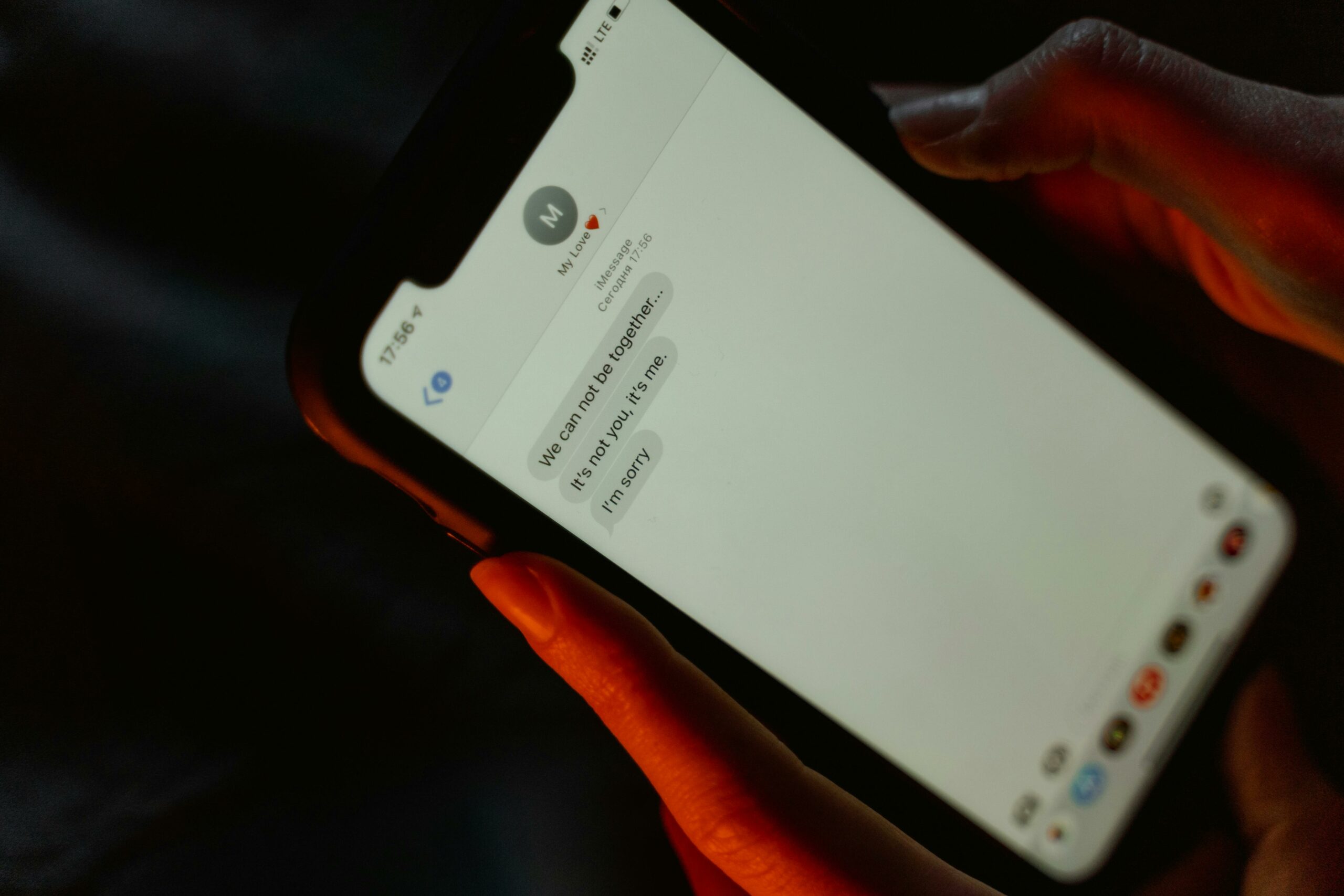
Dark social describes sharing that happens outside public feeds, where analytics tools often cannot pass referrer information. When someone copies a link from TikTok and sends it in an iMessage thread, the recipient may open it in an in-app browser or a new tab with no referrer attached. Analytics then buckets that visit as direct, or sometimes as “unknown.” In influencer marketing, this is common because creator content is designed to be forwarded to friends, group chats, and niche communities. Consequently, the more persuasive the content, the more likely it is to be shared privately and misattributed.
Here is the practical decision rule: if your campaign relies on word-of-mouth behavior, you should assume dark social is material. That includes product drops, discount codes, giftable items, and anything that triggers “you need this” messages. You do not need perfect measurement to act; you need consistent measurement to compare creators and creatives fairly. Start by treating “direct” as a mixed bucket that can include true direct, dark social, and some app-to-web traffic.
- Takeaway: If “direct” traffic rises during creator bursts, add dark social tracking before you change budgets.
- Takeaway: Expect more dark social for mobile-first audiences and private-community niches (beauty, fitness, gaming, parenting).
Key terms you need before you measure anything

Before you fix attribution, align on definitions so your team does not argue about numbers later. These are the terms that show up in influencer reporting, media plans, and contracts, and they matter even more when dark social blurs the data. Keep this glossary in your campaign brief and reporting template so creators, agencies, and internal stakeholders speak the same language.
- Reach: Estimated unique people who saw content at least once.
- Impressions: Total times content was displayed, including repeat views.
- Engagement rate: Engagements divided by impressions or reach (you must specify which). Example: (likes + comments + saves + shares) / impressions.
- CPM: Cost per thousand impressions. Formula: cost / (impressions / 1000).
- CPV: Cost per view, usually for video. Formula: cost / views.
- CPA: Cost per acquisition (purchase, signup, install). Formula: cost / conversions.
- Whitelisting: Brand runs ads through the creator’s handle (also called creator licensing). It can change attribution because paid distribution adds new touchpoints.
- Usage rights: Permission to reuse creator content on brand channels, ads, email, or site. Terms should specify duration, placements, and territories.
- Exclusivity: Creator agrees not to work with competitors for a defined period and category. It affects pricing and can affect performance if it limits creator content.
Takeaway: Put the formulas in your brief. When dark social muddies the water, shared definitions keep reporting consistent.
Most analytics tools rely on referrer headers and campaign parameters to identify where a visit came from. Private shares often strip or hide referrer data, especially on mobile apps that open links in embedded browsers. In addition, some privacy settings, link shorteners, and redirect chains can drop UTM parameters. The result is that a meaningful portion of influencer-driven demand lands in “direct,” “unassigned,” or “other.” That is not a small technical detail; it changes which channels get credit and budget.
Think of “direct” as three behaviors mixed together: true direct (typed URL or bookmark), dark social (copied links in private), and “referrer lost” (apps, redirects, privacy). If you treat it as pure brand demand, you will overestimate brand strength and underestimate creator impact. On the other hand, if you assume all direct is dark social, you will over-credit creators. The right approach is to create a measurement model that estimates dark social contribution using controlled tracking and lift analysis.
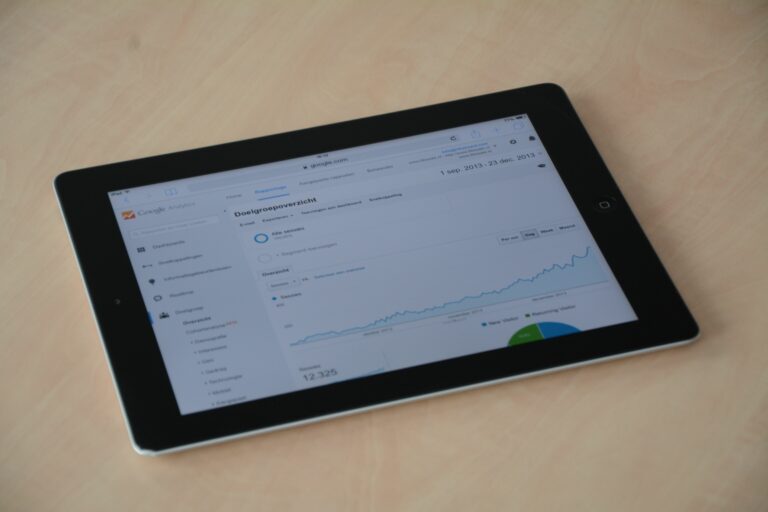
For background on how analytics systems classify traffic, Google’s documentation is a useful reference point: Google Analytics traffic source definitions. Use it to align your team on what “direct” and “referral” mean in your specific setup.
- Takeaway: Never evaluate creators using “direct traffic” alone. Pair it with tracked links, codes, and lift tests.
- Takeaway: Audit whether your redirects, link-in-bio tools, or checkout flows drop UTMs.
You cannot tag every private share, but you can design a system that captures enough signal to make smart decisions. The goal is not perfect attribution; it is comparable attribution across creators, platforms, and time. Start with three layers: trackable links, trackable offers, and trackable lift. When all three agree, you can be confident. When they disagree, you know where to investigate.
Layer 1 – Trackable links (UTMs, deep links, and landing pages)
Give each creator a unique URL with UTMs and a clean, readable structure. Avoid long strings that people hesitate to share. If you use a short link, test that it preserves UTMs through redirects. Also, use a dedicated landing page that matches the creator’s message, because dark social often comes from high-intent recommendations and you do not want to waste that intent on a generic homepage.
- Checklist: One link per creator per platform placement (Story, bio, YouTube description).
- Checklist: UTMs include source, medium, campaign, and creator identifier.
- Checklist: Confirm UTMs persist through checkout and payment providers.
Layer 2 – Trackable offers (codes and bundles)
Discount codes are not perfect because people can share them widely, but that is exactly why they help with dark social. A code forwarded in a group chat still gets captured at checkout. Use creator-specific codes when possible, and consider bundles that are unique to a creator or campaign. If you are allergic to discounts, use value-add offers like free shipping thresholds, gifts with purchase, or early access.
- Checklist: One code per creator, not one code for the whole campaign.
- Checklist: Set code expiration dates aligned to content cadence.
- Checklist: Track code usage by new vs returning customers.
Layer 3 – Trackable lift (holdouts and time-based tests)
Lift testing is how you estimate the part you cannot tag. The simplest method is a time-based test: compare baseline conversions to conversions during and after creator posts, controlling for paid spend and seasonality. A stronger method is a geo holdout, where you suppress influencer content or paid amplification in a region and compare results. You can also use audience holdouts in paid social when you whitelist creator content.
- Checklist: Define a baseline window (for example, 14 days) and a measurement window (for example, 7 days).
- Checklist: Log exact post times and placements so you can align spikes.
- Checklist: Keep paid spend stable during the test when possible.
Takeaway: Use links for click signal, codes for purchase signal, and lift tests for the missing dark social share signal.
Simple formulas and an example calculation you can reuse
Once you have tracking layers, you need a consistent way to translate them into performance metrics. Use a blended view that includes tracked conversions plus an estimated dark social lift. Keep the estimate conservative at first, then refine it as you run more tests. This makes your reporting credible to finance and leadership, while still capturing the reality of private sharing.
| Metric | Formula | What it tells you | Common pitfall |
|---|---|---|---|
| CPM | Cost / (Impressions / 1000) | Efficiency of exposure | Comparing CPM across platforms without normalizing viewability |
| CPV | Cost / Views | Efficiency of video views | Mixing 3-second views with 30-second views |
| CPA | Cost / Conversions | Cost to acquire a customer | Ignoring assisted conversions and dark social |
| Engagement rate | Engagements / Impressions (or Reach) | Creative resonance | Not stating denominator, which changes the number |
| Estimated total conversions | Tracked conversions + Estimated lift | More realistic performance | Inflating lift without a baseline method |
Example: you pay $8,000 for a creator package. You track 120 purchases via link UTMs and 60 purchases via the creator code that did not have UTMs (often dark social or cross-device). Your baseline is 40 purchases per week, and during the campaign week you see 140 purchases with paid spend unchanged. Estimated lift is 100 purchases (140 minus 40). To avoid double counting, you subtract tracked purchases that occurred in the lift window if they are already included in the 140 total. If 150 total purchases occurred in the week and 180 tracked purchases are counted across systems, you need to reconcile at the order level. In practice, start with order IDs and attribution windows, then report a conservative range.
- Takeaway: Report a range when needed (tracked minimum to blended estimate) instead of one overconfident number.
You cannot stop people from sharing privately, and you should not want to. Instead, make private sharing easier to track. That means designing links, landing pages, and creator instructions that survive copy-paste behavior. It also means building reporting that treats “direct” as a hypothesis, not a conclusion.
| Campaign phase | Task | Owner | Deliverable |
|---|---|---|---|
| Planning | Define KPIs and attribution windows | Brand + analytics | Measurement plan with CPM, CPA, and lift method |
| Setup | Create creator-specific UTMs and codes | Performance marketing | Link sheet, code list, landing pages |
| Briefing | Specify where links and codes must appear | Influencer manager | Creator brief with placement screenshots |
| Launch | Log post times and content IDs | Campaign ops | Posting tracker for correlation and lift |
| Optimization | Spot-check UTM persistence and checkout tracking | Analytics | QA notes and fixes |
| Reporting | Reconcile orders and present tracked vs blended results | Analytics + finance | Post-campaign report with ranges and learnings |
To make this repeatable, standardize your creator link sheet and keep it updated for every campaign. If you need a central place to build better briefs and reporting habits, use the resources in the InfluencerDB Blog guides on influencer strategy as a reference point for templates and workflow ideas.
- Tip: Use a short, memorable vanity URL that redirects to a UTM-tagged landing page, then test that UTMs persist.
- Tip: Ask creators to pin a comment with the code and to include the link in the first line of the description where possible.
Most dark social problems are self-inflicted. Teams often rush setup, then try to “fix it in reporting,” which is expensive and usually impossible. A few small mistakes can wipe out your ability to compare creators fairly. Fixing them is less about buying tools and more about being disciplined with campaign hygiene.
- Using one generic link for every creator: you lose creator-level attribution and cannot learn who drives private sharing.
- Letting link-in-bio tools strip UTMs: always test redirects on iOS and Android.
- Changing offers mid-flight: it breaks lift comparisons and confuses audiences who share privately.
- Reporting only last-click: you will under-credit creators who start conversations in DMs.
- Ignoring cross-device behavior: people discover on mobile and purchase on desktop, which often looks like direct.
Takeaway: If you cannot explain how UTMs survive from post to purchase, you are not ready to judge ROI.
Once you accept that private sharing is part of the funnel, you can plan for it and even use it to your advantage. Build briefs that encourage saveable, shareable content, then measure it with a blended approach. When you negotiate, price the package based on deliverables and expected outcomes, but also protect your ability to measure. For example, require link placement, code placement, and post timing confirmations as part of the contract.
Also, consider pairing creator content with whitelisting when it makes sense. Paid amplification can capture more trackable clicks, which reduces the share of untracked dark social. Still, keep organic and paid reporting separate so you do not confuse creator impact with media spend. If you need a reference for disclosure and transparency expectations that affect influencer content, the FTC’s guidance is the baseline in many markets: FTC Disclosures 101 for social media influencers.
Finally, update your KPI scorecard. Include both direct-response metrics (CPA, revenue, new customers) and leading indicators (saves, shares, comment intent). Dark social often shows up first as “send to a friend” behavior, not as immediate clicks. If you want a deeper understanding of how private sharing fits into broader measurement, this overview from the IAB is a solid starting point for digital measurement standards: IAB measurement insights.
- Best practice: Report three numbers per creator – tracked conversions, blended estimate, and a confidence note based on QA checks.
- Best practice: Build content prompts that naturally trigger sharing, such as “send this to a friend who…” or “drop this in your group chat.”
- Best practice: Use consistent attribution windows (for example, 7-day click, 1-day view) and document exceptions.
Use this audit when a campaign “looks weak” in dashboards but feels strong in the market. It takes about 30 minutes and often reveals whether you have a tracking issue or a true performance issue. Start with the simplest checks, then move to lift analysis. If you do this every month, you will catch problems before they become budget decisions.
- Compare “direct” sessions and revenue during posting windows vs baseline weeks.
- Check UTM persistence across redirects, checkout, and payment confirmation pages.
- Review code usage by day and match spikes to creator post times.
- Look for cross-device patterns: high mobile sessions, high desktop purchases.
- Spot-check top referrers: are you missing in-app browsers or link-in-bio domains?
Takeaway: If direct rises, code usage rises, and paid spend is flat, dark social is likely contributing even if tracked clicks look modest.
What to do next
Dark social will not disappear, and privacy changes will likely make it more common. However, you can make it manageable by designing campaigns that are trackable by default. Start with creator-specific links and codes, then add a simple lift method so you can estimate what you cannot tag. Once you have two or three campaigns measured this way, you will be able to benchmark creators more fairly and negotiate with confidence. Most importantly, you will stop punishing the very behavior you want: people sharing your product with friends in private.