
Google Knowledge Graph is the system Google uses to understand real world entities – people, brands, places, and things – and connect them to facts and relationships. If you market creators or run influencer programs, this matters because Google’s entity understanding can shape what shows up when someone searches a creator’s name, your brand, or a campaign term. In practice, it affects knowledge panels, “people also search for” associations, and even which sources Google trusts when summarizing information. The good news is you do not need to be an SEO engineer to benefit. You need a clean identity footprint, consistent facts, and a plan for how your brand and creators are described across the web.
Google Knowledge Graph basics: entities, not keywords
Traditional SEO often starts with keywords, but the Knowledge Graph starts with entities. An entity is a uniquely identifiable “thing” such as a creator, a company, a product line, or an event. Google then stores attributes (facts like birth date, founder, headquarters, social profiles) and relationships (brand works with creator, creator appears on a show, brand owns product). A practical takeaway is to write and structure your online presence so Google can confidently match mentions to the right entity. That means consistent naming, clear descriptions, and stable official URLs that act like a canonical reference point.
For influencer marketing teams, entity thinking changes how you evaluate visibility. Instead of asking “Do we rank for influencer marketing tools,” you also ask “Does Google understand our brand as an influencer analytics company,” or “Does Google connect this creator to their niche and notable collaborations.” When those connections are weak, search results can be scattered, and misinformation can spread. When they are strong, discovery becomes easier and trust signals improve.
Where you see it: knowledge panels, carousels, and rich results
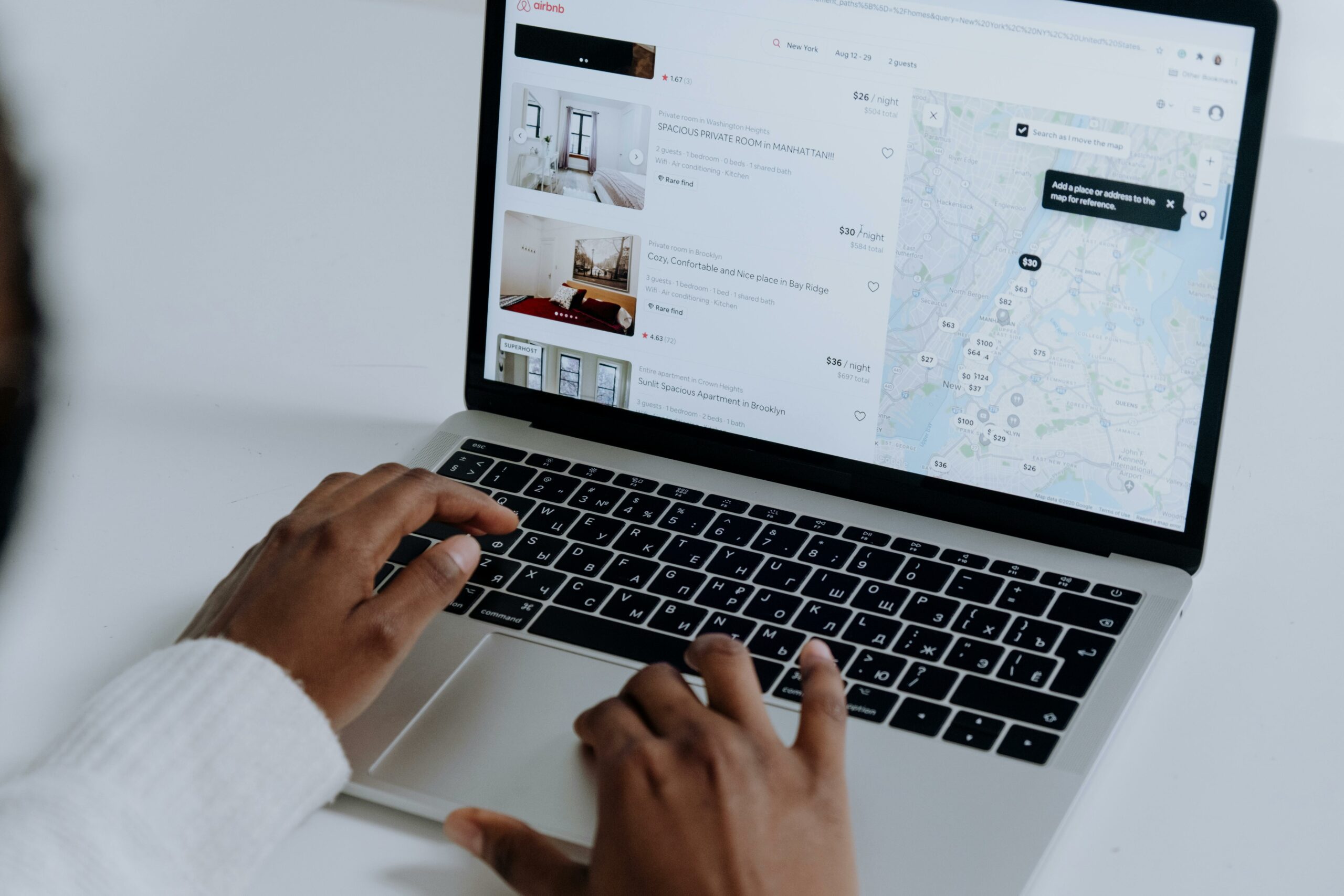
The most obvious Knowledge Graph surface is the knowledge panel on the right side of desktop results, or near the top on mobile. Panels can appear for brands, public figures, creators, and sometimes products. You may also see entity driven features like “Top stories,” “Profiles,” “Videos,” “Listen,” and carousels that group similar entities. These surfaces are not guaranteed, and you cannot “turn them on” with a single trick. However, you can influence eligibility by making your entity easy to verify and by earning coverage from credible sources.
Google is clear that structured data can help its systems understand content, but it does not guarantee rich results or panels. Still, it is one of the most controllable levers you have. For official guidance, review Google’s documentation on structured data at Google Search Central. A concrete action item is to audit your site for Organization, Person, and Article schema where appropriate, and to ensure the same facts appear in visible copy.
Key terms marketers should know (with quick definitions)
Before you apply Knowledge Graph concepts to influencer work, align on the performance terms you will use in briefs and reporting. These are not Knowledge Graph concepts, but they are the language of decision making, and you should define them early so stakeholders do not talk past each other. Here are practical definitions you can paste into a campaign brief and keep consistent across teams.
- CPM (cost per mille) – cost per 1,000 impressions. Formula: CPM = (Spend / Impressions) x 1,000.
- CPV (cost per view) – cost per video view. Formula: CPV = Spend / Views.
- CPA (cost per acquisition) – cost per desired action (purchase, signup). Formula: CPA = Spend / Conversions.
- Engagement rate – engagements divided by reach or impressions, depending on your definition. Pick one and stick to it.
- Reach – unique accounts that saw the content.
- Impressions – total times the content was displayed, including repeats.
- Whitelisting – creator grants access for a brand to run ads through the creator’s handle (often via platform permissions).
- Usage rights – permission to reuse creator content in paid ads, email, site, or other channels, for a defined period and geography.
- Exclusivity – creator agrees not to work with competitors for a defined window, category, and region.
Takeaway: put these definitions in writing in every contract and reporting deck. Consistency makes your results comparable, and it reduces disputes when you renegotiate rates.
How to build a Knowledge Graph friendly brand and creator footprint
Think of this as identity hygiene. Google cross checks facts across many sources, so your job is to reduce ambiguity and increase corroboration. Start with what you control: your website, your social profiles, and your press or about pages. Then move outward to third party sources that Google tends to trust. As you do this, keep a single “source of truth” document with your preferred name, short description, founding year, leadership, official social handles, and key URLs.
Use this checklist to guide updates:
- Consistent naming – same brand name and creator name across site, bios, and press mentions. Avoid frequent rebrands of handles.
- Stable canonical URLs – an About page for the brand, and a dedicated page for key creators or spokespeople if relevant.
- Clear entity descriptions – one sentence “what it is” lines that match across properties.
- Structured data – Organization or Person schema, plus SameAs links to official profiles.
- Credible citations – earn coverage from reputable publications, industry associations, or event sites that list you accurately.
If you need a practical way to connect this to influencer work, treat each creator you work with like an entity profile. Ensure the creator’s name, niche, and notable collaborations are described consistently in campaign landing pages and press coverage. Over time, those consistent signals can help Google connect the dots when people search.
A simple framework: audit, fix, reinforce, measure
You can apply the same four step loop to a brand entity or a creator entity. First, audit what Google currently believes. Search the exact brand name and creator name, plus variations, and document what appears in the top results, the knowledge panel (if any), and suggested queries. Next, fix inconsistencies in the places you control, starting with your site and official profiles. Then, reinforce by getting third party confirmations, such as interviews, podcast guest pages, conference speaker bios, or reputable directories. Finally, measure by rechecking branded queries monthly and tracking changes in panel content, sitelinks, and associated entities.
Here is a practical audit table you can use internally:
| Audit item | What to check | Common issue | Fix |
|---|---|---|---|
| Brand name consistency | Site header, footer, About, social bios | Different spellings or abbreviations | Pick one official name and update all bios |
| Official profiles | SameAs links, verified handles | Unofficial fan pages outrank official | Strengthen official pages and link from site |
| Key facts | Founding year, HQ, founders, category | Conflicting dates across sources | Correct controlled pages, then request updates elsewhere |
| Creator identity | Stage name vs legal name, niche, location | Mixed entities with similar names | Add disambiguation lines and consistent profile links |
| Search results quality | Top 10 branded results | Outdated press or wrong brand | Publish fresh authoritative pages and earn new coverage |
Takeaway: do not try to “game” panels. Instead, reduce confusion and increase verifiable references. That is the durable path, and it also improves user trust.
Applying Knowledge Graph thinking to influencer campaigns
Influencer campaigns create a lot of public text: captions, video titles, press releases, landing pages, and recap posts. That content can either clarify entities or muddy them. For example, if you work with a creator who has a common name, add a consistent descriptor in campaign pages such as “Alex Kim, fitness creator and marathon coach,” and link to the creator’s official profile. Similarly, when you publish a campaign recap, name the brand, the creator, and the product consistently, and avoid switching between nicknames and abbreviations.
When you brief creators, include a “naming and linking” section alongside deliverables. Require one official brand mention format, one official product name, and one official URL. If you want to go further, provide a short fact block they can reference, such as launch date, founder name, or sustainability claim, and insist those facts match your site. This is also where internal education helps. If your team needs more on measurement and reporting discipline, the InfluencerDB Blog has additional playbooks you can adapt to your process.
To connect entity work to performance, track branded search lift during and after campaigns. You can also monitor whether “people also search for” begins to associate your brand with the creator’s niche or category. This is not a direct KPI like CPA, but it is a leading indicator of stronger brand understanding.
Campaign math: simple formulas and an example calculation
Knowledge Graph improvements are long term, but your campaigns still need short term accountability. Use a clear math layer so you can compare creators and formats without arguing over definitions. Start by deciding whether you will optimize for reach, engagement, or conversions, then pick the primary metric and one secondary metric. After that, calculate CPM, CPV, and CPA consistently across creators.
Example: you spend $6,000 on a creator package that delivers 400,000 impressions, 120,000 video views, and 150 purchases. CPM = (6,000 / 400,000) x 1,000 = $15. CPV = 6,000 / 120,000 = $0.05. CPA = 6,000 / 150 = $40. If your target CPA is $35, you either need better conversion rates, a lower fee, or additional usage rights so you can amplify the content with paid media. Takeaway: bring these numbers into negotiations, and tie pricing to what you can realistically optimize.
Negotiation levers that also protect your entity signals
When you negotiate influencer deals, you are not only buying content. You are buying distribution and, in some cases, durable references that can show up in search. That is why usage rights, exclusivity, and whitelisting should be treated as separate line items, not buried in a flat fee. If you plan to run whitelisted ads, specify duration, platforms, and creative approvals. If you want to reuse content on a campaign landing page that ranks for branded queries, lock in usage rights with clear time windows.
Use this table as a quick decision guide:
| Deal term | What it changes | When to pay more | What to put in writing |
|---|---|---|---|
| Usage rights | Where you can reuse content | Paid ads, homepage, email, long duration | Channels, duration, territory, edit permissions |
| Whitelisting | Ability to run ads via creator handle | You need performance scale beyond organic | Access method, spend cap, timeline, reporting |
| Exclusivity | Creator cannot work with competitors | High category conflict risk | Category definition, window, carve outs |
| Linking requirements | Consistency of brand references | You rely on branded search and attribution | Exact brand name, URL, UTM rules, disclosure |
Takeaway: treat “linking requirements” as a quality control clause. It helps attribution, and it reduces the chance of inconsistent naming that confuses users and search engines.
Common mistakes (and how to avoid them)
The most frequent mistake is assuming the Knowledge Graph is only for celebrities. In reality, many brands and creators can earn stronger entity understanding with basic consistency work. Another mistake is trying to force a knowledge panel by spamming citations or low quality directory listings. That can backfire by associating your entity with noisy sources. Teams also forget that creators change handles, bios, and niche positioning over time, which can fracture identity signals if you do not update campaign assets. Finally, marketers sometimes publish campaign pages with vague language like “top creator” without naming the creator clearly, which wastes an opportunity to create a clean, verifiable reference.
A practical fix is to run a quarterly “entity cleanup” sprint. Update About pages, refresh creator partner pages, and correct outdated press mentions where possible. Keep a changelog so you know what you updated and when, then recheck branded queries after indexing catches up.
Best practices you can implement this week
Start with actions that are low effort and high leverage. First, create a single official brand description of 25 to 40 words and use it across your site and social bios. Next, add or refine Organization schema on your homepage and About page, and make sure your SameAs links point only to official profiles. Then, standardize how you refer to creators in campaign recaps and landing pages, including a short descriptor and a link to the official profile. After that, build a reporting template that includes CPM, CPV, CPA, reach, impressions, and engagement rate with one consistent definition.
Also, keep compliance in mind. If you publish influencer content on your site or amplify it, disclosures should remain clear and not be edited out. For disclosure basics, reference the FTC’s guidance at FTC Endorsement Guides. Takeaway: clarity and consistency help both users and systems, and they reduce legal and reputational risk.
What success looks like and how to measure progress
Success is not only “we got a knowledge panel.” For most brands and creators, progress shows up as cleaner branded search results, fewer incorrect facts, stronger association with the right niche, and more consistent top rankings for official pages. Track a small set of queries monthly: brand name, brand name plus category, creator name, creator name plus niche, and campaign name. Record what appears in the top results, whether a panel appears, and which sources are cited. Over time, you should see official pages and reputable coverage rise, while confusing or outdated pages drop.
Finally, connect entity work to business outcomes. If branded search volume rises during campaigns and your conversion rate improves on branded traffic, that is a meaningful win even if the Knowledge Graph surfaces do not change immediately. Treat the Knowledge Graph as a long term trust layer that supports your influencer program, not as a vanity feature.