
Minimalist SEO guide is a practical way to rank in 2026 by doing fewer things – but doing the right things consistently. If you are a creator, brand, or influencer marketer, that matters because search traffic compounds while social reach is volatile. The goal is not to “do SEO” as a separate job. Instead, you build a small system that turns real questions into pages that earn clicks, links, and conversions. This guide focuses on decision rules, not tools for tools’ sake. You will also get definitions, formulas, and templates you can copy into your workflow.
Minimalist SEO guide: the 2026 mindset and what changed
SEO in 2026 rewards usefulness, clarity, and proof. Google is better at understanding intent, but it still needs strong page structure and unambiguous signals. Meanwhile, AI summaries and rich results can reduce clicks for vague content, which makes specificity your advantage. The minimalist approach is to pick a narrow set of pages worth winning, then make them the best answer on the internet for a defined audience. In practice, that means fewer keywords, fewer thin posts, and more pages that match a real job-to-be-done. Takeaway: if a page cannot be the top three result for a query you care about, do not publish it yet – improve it or choose a different angle.
Define the metrics early: CPM, CPV, CPA, engagement rate, reach, impressions
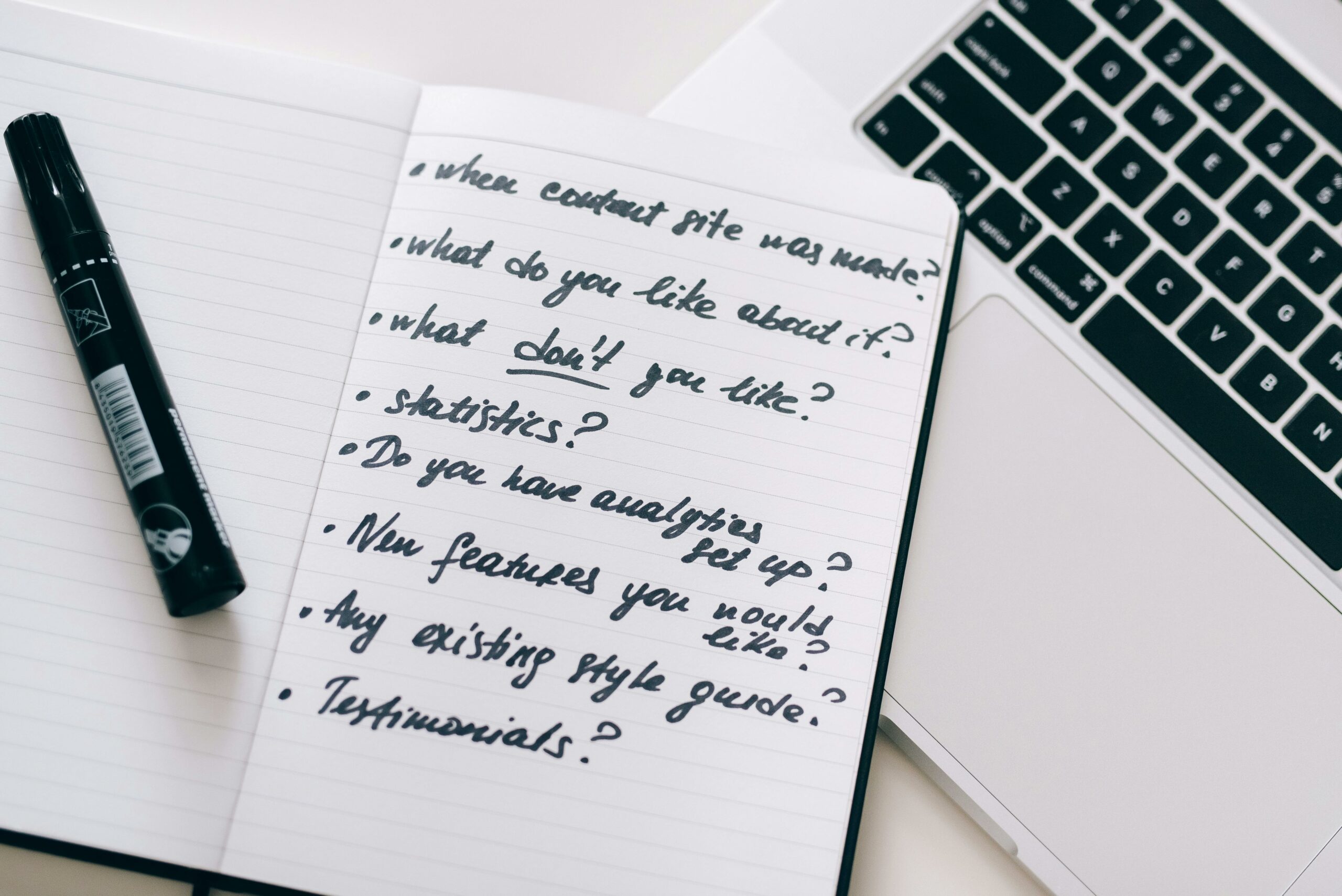
Before you optimize anything, align on what “success” means. For influencer marketing teams, SEO often supports lead gen, creator signups, or campaign inquiries. Here are the core terms you should define in your brief so writers and analysts aim at the same target.
- Impressions – total times content is displayed.
- Reach – unique people who saw content (usually lower than impressions).
- Engagement rate – engagements divided by reach or impressions (always state which). Formula: ER = engagements / impressions (or / reach).
- CPM – cost per 1,000 impressions. Formula: CPM = cost / impressions x 1000.
- CPV – cost per view (common for video). Formula: CPV = cost / views.
- CPA – cost per acquisition (sale, lead, signup). Formula: CPA = cost / conversions.
Now the influencer specific terms that often affect SEO landing pages and campaign pages:
- Whitelisting – a creator grants access so a brand can run ads through the creator’s handle.
- Usage rights – permission to reuse creator content (duration, channels, paid vs organic).
- Exclusivity – creator agrees not to work with competitors for a period or category.
Concrete takeaway: add a “Definitions” block to every content brief and campaign page spec. It prevents mismatched expectations, and it also improves on-page clarity for readers who are new to the topic.
The minimalist keyword method: one page, one intent, one promise
Minimalist SEO starts with intent, not keyword lists. Pick a primary query that maps to a single action a reader wants to take. Then write a page that makes a clear promise in the title and delivers on it with steps, examples, and constraints. If you try to cover five intents, you usually satisfy none.
Use this 4-step method to choose targets:
- Collect questions from sales calls, creator DMs, support tickets, and campaign post-mortems. These are high intent and language-accurate.
- Cluster by intent: learn (definitions), compare (tools, benchmarks), decide (pricing, templates), or do (calculator, checklist).
- Pick a “winnable” angle: narrow the audience or scenario. “Influencer CPM benchmarks” is broad; “Influencer CPM benchmarks for TikTok UGC ads” is narrower and often easier to win.
- Write the promise in one sentence: “After reading this, you can do X in Y minutes with Z template.” If you cannot write this, the page is not ready.
For additional topic ideas that match influencer workflows, browse the InfluencerDB Blog and note which posts could be expanded into definitive guides with calculators or tables. Takeaway: publish fewer pages, but make each page the obvious next step for a working marketer.
On-page SEO that stays small: a checklist you can run in 10 minutes
On-page SEO is where minimalism shines. You do not need 40 plugins or endless micro-optimizations. You need clean structure, clear language, and enough context for Google and humans to trust the page. Use this checklist before you hit publish:
- Title and first paragraph: state the problem and who it is for. Avoid vague intros.
- One primary H2 that repeats the main topic in natural language, plus supporting H2s that match sub-questions.
- Short definitions near the top for any jargon you use later.
- Scannable elements: at least one table, one checklist, and one example calculation where relevant.
- Internal link to a deeper explainer or related workflow page.
- External citation when you reference rules, measurement standards, or platform mechanics.
If you want a north star for what “helpful” looks like, Google’s guidance on creating helpful content is a solid reference point: Google Search Central – helpful content. Takeaway: if your page does not include steps, examples, and constraints, it is not done, even if it reads well.
Build a lean content system: briefs, templates, and update cadence
Most SEO programs fail because they rely on motivation instead of a system. A minimalist system uses repeatable templates so each new page is cheaper to produce and easier to maintain. Start with a single brief template that forces clarity: target query, reader persona, decision stage, primary CTA, and proof points (data, screenshots, or examples). Then add an update cadence so your best pages stay fresh.
Use this table as your “minimum viable” content ops plan:
| Phase | Owner | Tasks | Deliverable | Done when |
|---|---|---|---|---|
| Research | Analyst | Collect queries, review SERP intent, list sub-questions | 1-page outline | Intent is singular and winnable |
| Brief | Editor | Define terms, add examples, set CTA, specify tables | Content brief | Writer can execute without meetings |
| Draft | Writer | Write, add checklists, include formulas, cite sources | HTML draft | All sections have a takeaway |
| Optimize | SEO | Title, headings, internal links, snippet readiness | Publish-ready page | Passes on-page checklist |
| Refresh | Editor | Update examples, add new benchmarks, fix broken links | Versioned update | Top pages reviewed every 90 days |
Concrete takeaway: schedule a 90-day refresh for the top 10 pages by conversions, not traffic. Conversion pages rot quietly when pricing, policies, or platform formats change.
Numbers that matter: simple formulas and a worked example for influencer SEO pages
Creators and brands often publish SEO pages that talk about pricing, benchmarks, and ROI. Those pages win when they include simple math and realistic ranges. You do not need a complicated model, but you do need transparent assumptions. Here is a basic way to connect influencer metrics to business outcomes.
Example scenario: You run a creator marketplace and want a page that ranks for “influencer CPM” and converts to demo requests.
- Campaign spend: $12,000
- Impressions: 1,500,000
- Clicks to site: 18,000
- Leads (demo requests): 180
Calculations:
- CPM = 12,000 / 1,500,000 x 1000 = $8.00
- CTR = 18,000 / 1,500,000 = 1.2%
- Lead conversion rate = 180 / 18,000 = 1.0%
- CPA = 12,000 / 180 = $66.67
Now translate that into page copy: “In this example, an $8 CPM campaign produced a $66 CPA at 1.2% CTR.” That is more useful than generic claims. Takeaway: add one worked example to every benchmark page, and show the formula so readers can adapt it.
Pricing and deliverables table: keep negotiations grounded
Even in an SEO guide, influencer pricing comes up because it is a high intent topic that attracts links and qualified traffic. The minimalist move is to publish a single benchmark table with clear caveats, then link to deeper pages as needed. Use ranges, not false precision, and always state what is included.
| Deliverable | Typical pricing basis | What to specify | Common add-ons |
|---|---|---|---|
| Instagram Reel | Flat fee or CPM proxy | Length, hooks, CTA, posting date | Usage rights, whitelisting, link in bio |
| TikTok video | Flat fee, CPV proxy | Concept, sound, captions, comment pin | Spark Ads access, raw footage |
| YouTube integration | Flat fee, CPM proxy | Placement time, talking points, link tracking | Category exclusivity, cutdown clips |
| UGC for ads | Per asset | Number of hooks, formats, aspect ratios | Paid usage duration, iterations, whitelisting |
Concrete takeaway: when you negotiate, separate creation fee from usage rights and exclusivity. That keeps the base price comparable across creators and prevents hidden costs later.
Common mistakes (and how to fix them fast)
Minimalist SEO fails when teams confuse activity with progress. The most common mistake is publishing thin posts that repeat what everyone else says. Another frequent issue is chasing high volume keywords that do not match your product or audience, which inflates traffic but kills conversions. Teams also forget that influencer marketing terms shift quickly, so pages become outdated and lose rankings. Finally, many pages avoid numbers because they are “hard,” yet those are exactly what decision-makers search for.
- Mistake: targeting five keywords per page. Fix: rewrite the page around one intent and move extras into separate pages.
- Mistake: no clear CTA. Fix: add one primary next step and place it after the most useful section.
- Mistake: no proof. Fix: include one table, one example calculation, and one cited source.
- Mistake: ignoring disclosure rules in examples. Fix: add a compliance note and link to official guidance.
For disclosure basics, the FTC’s endorsement guidance is the right place to point readers: FTC – endorsements and influencers. Takeaway: fix thin pages by adding constraints, numbers, and a clear next step, not by adding more words.
Best practices: the minimalist SEO routine you can run weekly
A minimalist routine keeps you honest because it is small enough to repeat. Start by reviewing Search Console queries for your top pages and note where you rank positions 4 to 12. Those are your fastest wins because you already have relevance. Next, update the page with a missing section that matches the query language, such as “how to calculate CPM” or “what counts as a view.” Then improve internal linking so Google can see which pages you consider most important.
- Weekly: refresh one high potential page (positions 4 to 12) with a new example, table row, or FAQ.
- Biweekly: publish one new page only if it has a unique angle and a clear CTA.
- Monthly: audit internal links and add 3 to 5 contextual links from older posts to your newest guide.
- Quarterly: prune or merge pages that overlap and compete with each other.
Concrete takeaway: if you can only do one thing, update existing pages before creating new ones. Refreshes are cheaper, and they often produce faster ranking gains.
A simple influencer audit framework you can embed into SEO content
If your site serves influencer marketers, an “audit” framework is linkable and highly actionable. It also turns your SEO pages into decision tools, which improves conversions. Use this five-part audit that fits into a single section of a guide or landing page.
- Audience fit: confirm geography, language, and category relevance. Ask for platform analytics screenshots when possible.
- Content consistency: check the last 30 days for posting cadence and format match.
- Performance sanity check: compare reach, views, and engagement rate across recent posts. Look for spikes that do not repeat.
- Brand safety: review comments, prior sponsors, and controversial topics.
- Deal terms: clarify whitelisting access, usage rights duration, and exclusivity scope before you agree on price.
Concrete takeaway: add this audit as a downloadable checklist or a copy-paste block in your briefs. It reduces bad fits and makes your campaign outcomes more predictable.
Wrap-up: keep SEO small, keep it measurable
Minimalist SEO works because it respects attention. You pick fewer topics, write clearer pages, and maintain them like products. Define your metrics, publish pages that answer one intent, and include the tables and formulas people actually need. Then run the weekly routine and let compounding do the rest. If you want more practical playbooks that connect SEO to influencer performance, keep exploring the and build a short list of pages worth turning into definitive resources.