

Social Media Crisis Management starts with a written action plan that tells your team what to do in the first 15 minutes, not after the damage is done. In 2026, crises move faster because comments, duets, stitches, and reposts can turn a single screenshot into a multi platform story within hours. The good news is that most blowups follow predictable patterns: a trigger, a pile on, a narrative shift, and then either resolution or prolonged distrust. Your job is to shorten the chaos window and protect people first, then the brand. This guide gives you a practical framework, clear roles, decision rules, and templates you can adapt for influencer campaigns and always on social.
Social Media Crisis Management: what counts as a crisis in 2026
Not every negative comment is a crisis, so define thresholds before you need them. A crisis is any situation where online conversation creates a credible risk to customer safety, legal exposure, partner relationships, or sustained revenue impact. It can start from your own post, an employee account, a creator partnership, or a third party rumor. Importantly, “viral” is not the same as “critical” – a meme can spike reach without harming trust, while a small thread can be legally serious. Your first takeaway: write a one page crisis definition with examples and escalation triggers, then train the team on it quarterly.
Here are common 2026 crisis triggers you should explicitly list in your plan:
- Product safety or health claims challenged by users or regulators
- Discriminatory language, stereotyping, or harassment linked to your brand or partners
- Influencer misconduct, hidden sponsorships, or misleading endorsements
- Data privacy complaints, doxxing, or account compromise
- AI generated content accusations, deepfake misuse, or synthetic reviews
- Customer service failures that show receipts (screenshots, recordings)
To keep language consistent, define key marketing terms early so your team does not argue mid crisis. CPM is cost per thousand impressions. CPV is cost per view, often used for video. CPA is cost per acquisition, tied to a conversion event. Engagement rate is engagements divided by reach or impressions (choose one and standardize). Reach is unique accounts exposed, while impressions are total displays. Whitelisting is when a brand runs ads through a creator’s handle. Usage rights cover how and where you can reuse creator content. Exclusivity restricts a creator from working with competitors for a period. These terms matter because crisis decisions often involve pausing spend, pulling whitelisted ads, or changing usage rights quickly.
The first 60 minutes: a step by step response workflow
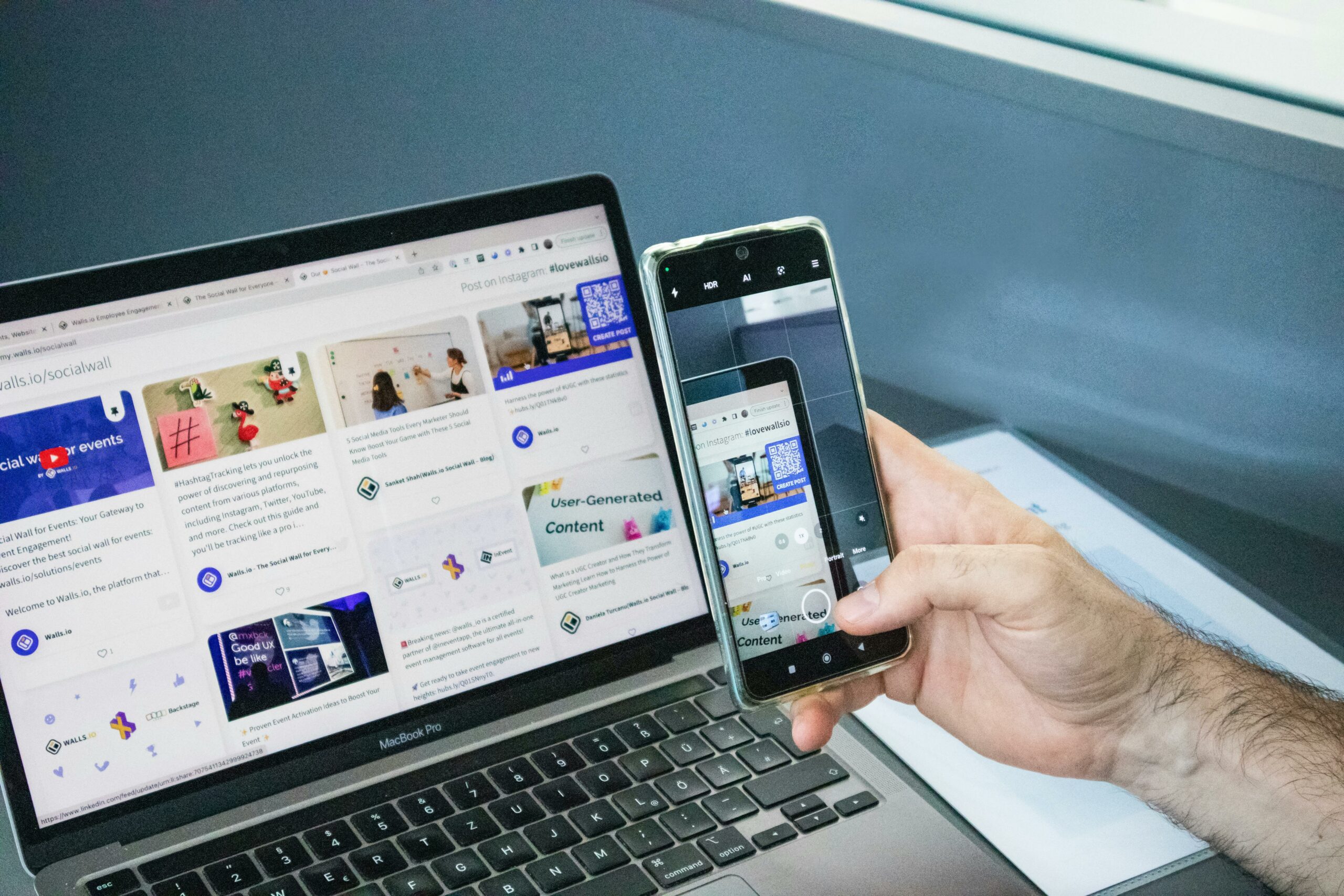
The first hour is about speed and accuracy, in that order. Start by capturing evidence: screenshot the post, comments, timestamps, and any relevant DMs, then save URLs. Next, confirm whether the content is real and whether it is spreading beyond one platform. After that, assign one person to monitor and one person to draft, so you do not have ten people typing in public at once. The concrete takeaway: create a “60 minute checklist” and keep it pinned in your team chat.
Use this 8 step workflow:
- Detect – identify the triggering post, account, and platform.
- Document – capture screenshots, links, and early sentiment.
- Classify – label severity (Level 1 to 4) using your thresholds.
- Contain – pause scheduled posts, pause whitelisted ads, and lock down account access if needed.
- Assemble – activate the crisis channel and call the incident lead.
- Decide – choose a response path: acknowledge, correct, apologize, or go silent temporarily.
- Respond – publish the first holding statement if warranted.
- Monitor – track narrative shifts and update every 30 to 60 minutes.
A holding statement is not a full apology. It is a short message that shows you are aware, you are investigating, and you will update. Keep it factual. Avoid arguing with users, and never speculate about intent. If the issue involves endorsements or creator content, check whether disclosures were present and clear. For disclosure basics, review the FTC’s guidance on endorsements at FTC Endorsement Guides.
Build your crisis team: roles, permissions, and decision rights
A plan fails when nobody knows who can approve what. In practice, you need a small core team with clear decision rights, plus specialists on call. Keep the core group to 4 to 6 people so you can move fast. Also, set platform permissions in advance: who can pause ads, who can delete posts, who can change passwords, and who can contact creator managers. The takeaway: write a RACI table and store it where it is accessible during an outage.
| Role | Primary responsibility | Decision rights | Backup |
|---|---|---|---|
| Incident Lead | Runs the timeline, assigns tasks, keeps updates moving | Escalation level, approves holding statement | Head of Social |
| Comms Writer | Drafts public statements and internal updates | Can publish pre approved templates | PR Manager |
| Legal Reviewer | Checks liability, claims, contracts, disclosure language | Can block statements that increase exposure | Outside counsel |
| Customer Support Lead | Coordinates replies, refunds, safety steps, ticket tagging | Can authorize service recovery within limits | Support manager |
| Paid Media Operator | Pauses campaigns, removes whitelisted ads, adjusts targeting | Can pause spend immediately | Performance lead |
| Influencer Manager | Contacts creators, agencies, and enforces contract clauses | Can pause deliverables and request takedowns | Partnerships lead |
For influencer heavy brands, add one more role: a creator liaison who understands usage rights, exclusivity, and whitelisting. During a crisis you may need to stop running creator handle ads immediately, even if the creator did nothing wrong, because the comment section becomes a magnet. If you need a refresher on how influencer programs are structured, keep a running library of playbooks on your internal wiki and use resources like the InfluencerDB blog guides on influencer marketing operations to standardize your approach.
Severity levels and response options (with decision rules)
Severity levels prevent overreaction and underreaction. Use a simple four level model tied to actions, not feelings. Then, decide response options based on harm, evidence, and velocity. The takeaway: if your team cannot classify an incident in five minutes, your levels are too complicated.
| Level | What it looks like | Primary risk | Default actions | Response style |
|---|---|---|---|---|
| 1 – Noise | Small cluster of complaints, no press, low spread | Customer frustration | Reply with support, fix root issue, monitor | Helpful, specific |
| 2 – Escalating | High comment velocity, reposts, creator callouts | Narrative forming | Pause scheduled posts, draft holding statement, open ticket | Calm acknowledgment |
| 3 – Material | Safety, discrimination, legal claims, major creator involved | Legal and reputational harm | Activate crisis team, publish statement, adjust ads, exec brief | Direct, accountable |
| 4 – Critical | Regulator interest, mainstream media, doxxing, breach | Severe harm, business continuity | Full incident command, dedicated landing page, daily updates | Frequent, verified updates |
Decision rules that work in real life:
- If there is a credible safety risk, respond publicly within 60 minutes with steps users can take.
- If the claim is false but spreading fast, correct with evidence and a linkable source, then stop debating.
- If you made a mistake, apologize once, state the fix, and avoid “if anyone was offended” language.
- If a creator is involved, separate facts from contract actions: you can pause deliverables while you investigate.
Influencer and UGC crises: contracts, whitelisting, and usage rights
Influencer crises feel personal because audiences treat creators like people, not channels. That is why your plan needs contract clauses that map to social actions. Make sure your agreements cover disclosure requirements, brand safety, morality clauses, takedown timelines, and approval rights for whitelisted ads. Also, clarify usage rights: if you have the right to reuse content, you still may choose to stop using it during a crisis to reduce backlash. The takeaway: audit your top 20 creator contracts now and add missing clauses before the next campaign.
When a creator partnership triggers backlash, run this quick audit:
- Disclosure check – was the ad label clear and placed where users see it first?
- Claim check – did the creator make performance or health claims you cannot substantiate?
- Context check – is the issue about the creator’s past behavior, or your brand’s product?
- Media check – are whitelisted ads running from the creator handle right now?
- Rights check – do you have usage rights that allow you to pull or edit reposts?
If you are running whitelisting, treat it like a lever you can pull instantly. Pause the ad set, then decide whether to resume after the narrative cools. On Meta platforms, keep your team aligned with official policy and tools documentation at Meta Business Help Center. Put the link in your plan so operators can confirm steps under pressure.
Metrics that matter: how to measure impact and recovery
During a crisis, vanity metrics can mislead you. A spike in reach can look like growth while sentiment collapses. Instead, track a tight set of indicators across awareness, sentiment, and business outcomes. The takeaway: define your “recovery scorecard” before the incident so you can compare week over week.
Start with these definitions and simple formulas:
- Engagement rate (by reach) = total engagements / reach. Use this to detect pile ons when comments surge.
- Negative comment rate = negative comments / total comments. Track trend, not just the number.
- Share of voice = your brand mentions / total category mentions. Useful if competitors jump in.
- CPA = spend / acquisitions. If CPA spikes, pause or narrow targeting until sentiment stabilizes.
- CPM = spend / (impressions / 1000). Rising CPM can signal reduced ad relevance due to backlash.
Example calculation you can run in a spreadsheet: If you spent $12,000 and got 3,000,000 impressions, CPM = 12,000 / (3,000,000 / 1000) = $4. If the next day CPM rises to $9 while conversions drop, your ads may be getting poor feedback or lower quality placements. In that case, the practical move is to pause prospecting, keep only high intent retargeting, and remove any creative that references the sensitive topic.
Also, set monitoring intervals. In the first 6 hours, check every 15 to 30 minutes. After that, move to hourly updates, then daily once the narrative stabilizes. Save a timeline of key posts and decisions so you can do a clean postmortem.
Common mistakes that make a bad situation worse
Most crisis damage comes from avoidable missteps, not the original trigger. Teams often delay because they want perfect wording, then they publish too late. Others delete posts without explanation, which can look like a cover up when screenshots already exist. Another frequent error is letting multiple executives reply from personal accounts with inconsistent facts. The takeaway: your plan should explicitly forbid improvisation outside the incident channel.
- Arguing with users in comments instead of moving to support channels
- Posting a long statement full of legal language that says nothing concrete
- Failing to pause scheduled content that appears tone deaf next to the crisis
- Leaving whitelisted influencer ads running while the creator is being criticized
- Promising timelines you cannot meet, then missing them publicly
Best practices: templates, training, and prevention
Prevention is not about avoiding criticism, it is about reducing surprise. Build a content risk review for sensitive topics, especially health, finance, politics, and identity. Train your social and influencer teams on disclosure, claims, and escalation. Finally, run simulations: a 30 minute tabletop exercise will expose gaps faster than any document. The takeaway: schedule two drills per year, one for an influencer incident and one for a product issue.
Practical templates to include in your crisis folder:
- Holding statement: “We are aware of [issue]. We are looking into it now and will share an update by [time]. If you are affected, contact [support path].”
- Correction post: state the incorrect claim, provide the correct info, link to proof, and explain what changed.
- Creator pause note: “We are pausing scheduled content while we review the situation. We will update you by [time]. Please do not post about this until we align.”
- Internal FAQ: 10 questions support and sales teams will get, with approved answers.
For prevention, add a preflight checklist before every major campaign:
- Verify creator background and recent controversies, not just follower count.
- Confirm exclusivity and usage rights in writing, including paid amplification rules.
- Standardize disclosure language and placement for each platform format.
- Set comment moderation rules and escalation triggers for the first 72 hours.
When you want to improve your process over time, keep a running library of examples and debriefs. Publishing internal learnings is useful, but you can also study broader patterns and benchmarks from industry reporting. A solid overview of crisis communication principles is available from PRSA resources on public relations, which can help you align your messaging with established standards.
Post crisis: debrief, rebuild trust, and update the plan
Once the fire is out, do not rush back to normal posting without a reset. Run a debrief within 72 hours while details are fresh. Focus on what happened, what you decided, what you missed, and what you will change. Then, update your plan, templates, and permissions. The takeaway: treat every incident as data, and make one measurable improvement each time.
Use this postmortem structure:
- Timeline – key events, posts, and decisions with timestamps.
- Root cause – what actually triggered the reaction, not just what users said.
- Response effectiveness – time to first statement, sentiment trend, support backlog.
- Business impact – changes in CPA, refunds, churn, and partner risk.
- Fixes – policy changes, training, contract updates, and monitoring improvements.
Finally, rebuild trust with actions, not content. If customers were harmed, explain remediation clearly. If a creator was involved, communicate what changed in your vetting and approval process. Over time, consistent behavior will outrank any single statement.