
Two for Fashion case study is a useful lens for understanding how a fashion creator can turn consistent styling choices into measurable brand influence. Instead of treating a feed as a mood board, this analysis treats it like a performance system: repeatable formats, clear audience signals, and trackable outcomes. The goal is practical – if you are a brand, you should leave with a way to brief, price, and measure similar partnerships. If you are a creator, you should leave with a playbook for packaging your style into deliverables that sell. Along the way, we will define the key metrics and terms that usually get hand waved in fashion campaigns.
What this Two for Fashion case study is actually measuring
Fashion influence is often described with vague language like “taste” or “aesthetic,” but marketing teams still need numbers. To make this case study usable, separate three layers: content inputs, audience response, and business outcomes. Content inputs are the controllables: formats (Reels, Stories, carousels), styling patterns, and posting cadence. Audience response is what platforms report: reach, impressions, engagement rate, saves, shares, and video watch behavior. Business outcomes are what the brand cares about: clicks, add to carts, sales, sign ups, and brand lift.
Here are the key terms you should align on before you run a campaign. Reach is the number of unique accounts that saw the content, while impressions are total views including repeats. Engagement rate is typically engagements divided by reach or impressions; pick one and stick to it in reporting. CPM is cost per thousand impressions, CPV is cost per view (usually video views), and CPA is cost per acquisition (a purchase or other conversion). Whitelisting means the brand runs ads through the creator’s handle. Usage rights define where and how long the brand can reuse the content. Exclusivity restricts the creator from working with competitors for a period.
Takeaway: Write these definitions into your brief and contract. If “engagement rate” is not defined, you will end up debating math instead of performance.
Content and style signals that drive fashion trust
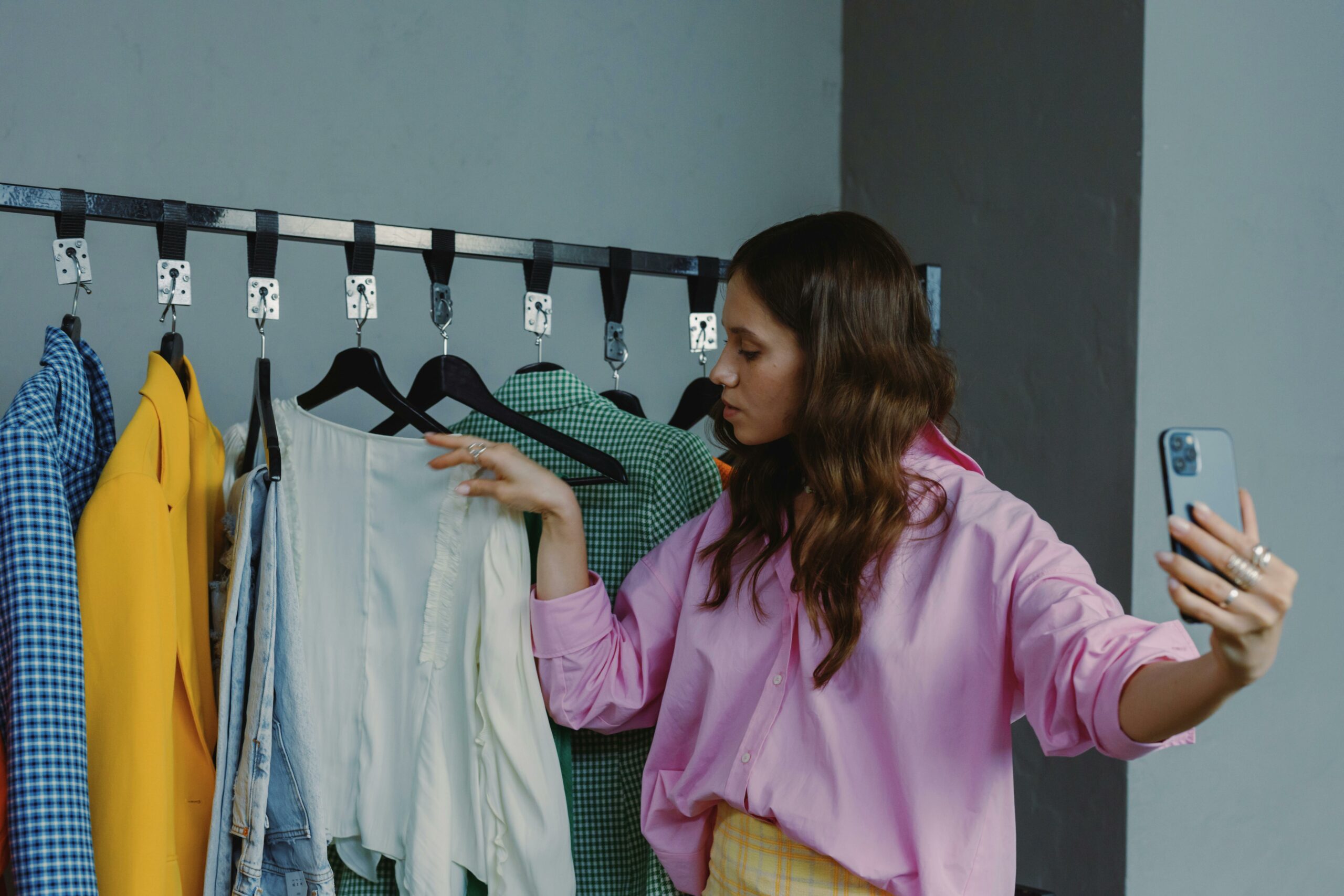
In fashion, “influence” is usually the byproduct of trust: the audience believes the creator’s taste is consistent and replicable. That trust is built through style signals that repeat across posts. Look for a stable color palette, predictable silhouettes, and a clear point of view on fit. You also want proof of real-world wear: street shots, mirror try ons, and outfit repeats that show the creator is not just staging a one time look.
Two patterns tend to outperform in fashion creator content. First, outfit formulas that the audience can copy quickly, such as “wide leg jeans + fitted knit + pointed flats,” repeated across seasons with small updates. Second, decision content that reduces shopping anxiety: sizing notes, fabric callouts, and “keep or return” verdicts. These formats create saves and shares, which are strong intent signals even when comments are light.
Takeaway checklist for brands:
- Ask for one “outfit formula” post and one “decision” post in the deliverables.
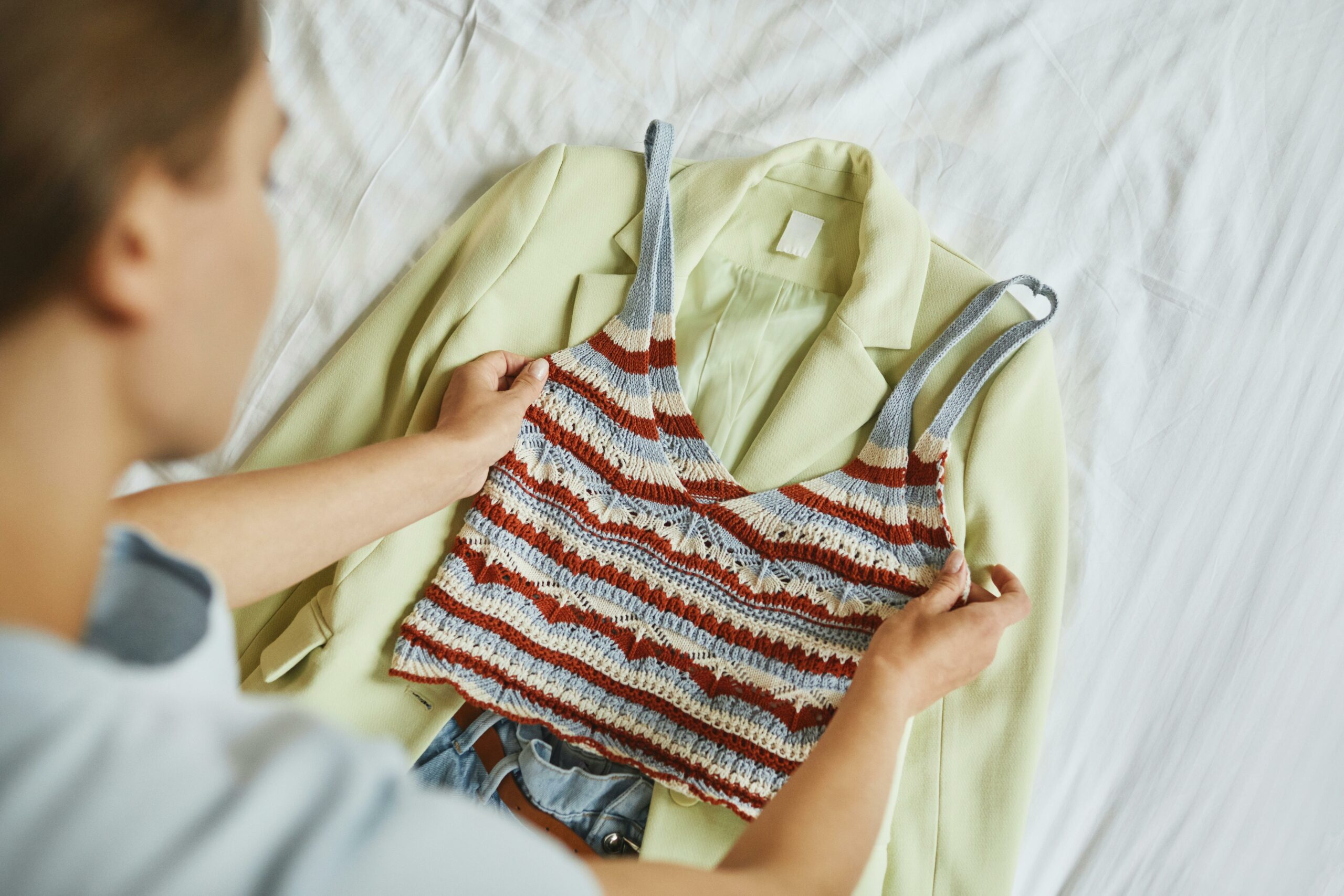
- Require at least one close up detail shot (fabric, stitching, fit at waist).
- Include one line of sizing context (height, usual size, size worn).
- Specify a call to action that matches the funnel stage (save, click, shop).
How to audit a fashion creator before you pay
Before you negotiate, run a lightweight audit that focuses on predictability. Start with the last 20 posts and tag each by format (Reel, carousel, Story set) and by intent (inspiration, education, review, direct promotion). Then note which posts generated saves, shares, and meaningful comments (questions about sizing, links, or availability). This tells you whether the creator can move beyond pretty visuals into purchase enabling content.
Next, check audience fit. You do not need perfect demographic data, but you do need evidence: comment language, time of day engagement, and the brands that already show up in organic posts. If a creator’s audience regularly asks for budget alternatives, a premium brand should adjust the offer and messaging. For deeper planning, use the resources on the InfluencerDB Blog to align creator selection with campaign goals and measurement.
Finally, do a basic authenticity scan. Sudden follower spikes, unusually low story views relative to follower count, or repetitive generic comments can indicate low quality reach. You do not need to accuse anyone of fraud; you just need to price risk correctly and demand performance proof via screenshots or platform exports.
Takeaway: If you cannot describe what content formats reliably work for the creator, you are not ready to set a rate.
Pricing the partnership: CPM, CPV, and CPA with simple math
Fashion campaigns often get priced on “a post costs X,” which hides the real question: what are you buying? Use CPM for awareness, CPV for video heavy campaigns, and CPA when you have clean conversion tracking. The formulas are straightforward.
- CPM = (Cost / Impressions) x 1000
- CPV = Cost / Video views
- CPA = Cost / Conversions
- Engagement rate (reach based) = Engagements / Reach
Example: You pay $2,500 for one Reel and it generates 120,000 impressions. CPM = (2,500 / 120,000) x 1000 = $20.83. If the same Reel gets 60,000 3 second views, CPV = 2,500 / 60,000 = $0.041. If you also track 50 purchases, CPA = 2,500 / 50 = $50. Those numbers are not “good” or “bad” in isolation, but they let you compare creators and creative concepts on the same scale.
| Metric | Best for | What it rewards | Watch out for |
|---|---|---|---|
| CPM | Awareness, launches | Broad distribution | High impressions with low intent |
| CPV | Reels and TikTok style creative | Hook and retention | Views that do not translate to clicks |
| CPA | Performance, affiliate, promo codes | Conversion focused messaging | Attribution gaps and coupon leakage |
| Engagement rate | Creative resonance | Saves, shares, comments | Easy to inflate with giveaways |
Takeaway: Ask for a rate that you can translate into CPM or CPA. If the creator cannot share typical reach ranges, you are negotiating blind.
Deliverables, usage rights, and exclusivity: what to put in the brief
Fashion creators often deliver more value than a single post because the content can be reused in ads, emails, and product pages. That is why you should separate deliverables (what gets posted) from usage rights (where the brand can reuse it). If you want whitelisting, say so early because it changes creative requirements and pricing. Similarly, exclusivity should be narrow and specific: category, competitors, and time window.
Here is a practical way to structure a brief so both sides know what “done” looks like. Define the hero asset (usually one Reel), then add supporting assets (Stories with links, a carousel with details, or a pinned comment with sizing). Include the brand’s non negotiables (logo visibility, key claim language, required hashtags) and the creator’s non negotiables (approval windows, creative control boundaries). For disclosure rules, align with the FTC’s guidance on endorsements and testimonials: FTC Disclosures 101.
| Item | What to specify | Typical impact on price | Brand tip |
|---|---|---|---|
| Hero Reel | Length, hook, product shots, CTA | Base fee | Ask for one clear “why it fits” line |
| Story set | Frames, link sticker, talking points | +10% to +30% | Include a sizing and price frame |
| Usage rights | Channels, duration, geography | +20% to +100% | Limit to paid social for 3 to 6 months |
| Whitelisting | Access method, ad duration, spend cap | +15% to +50% | Set a spend cap and creative refresh plan |
| Exclusivity | Competitor list, category, time window | +10% to +200% | Keep it narrow to avoid overpaying |
Takeaway: Treat usage rights and exclusivity as separate line items. If you bundle them into “one fee,” you will either overpay or under secure the rights you need.
Measurement plan: tracking links, attribution, and reporting
To make a case study credible, you need a measurement plan before the post goes live. Start with what you can control: unique UTM links, a dedicated landing page, and a promo code if the brand supports it. UTMs help you separate creator traffic from other sources in analytics. A dedicated landing page reduces drop off and makes it easier to match the content’s promise to the shopping experience.
Then decide what “success” means by funnel stage. For awareness, prioritize reach, video completion rate, and CPM. For consideration, track saves, shares, profile visits, and click through rate. For conversion, track purchases, CPA, and revenue per visit. If you are running whitelisting, also track paid metrics separately because ad delivery will change the distribution profile.
Use a simple reporting template so every creator report looks the same. If you need platform definitions for metrics like views and watch time, reference official documentation such as YouTube Analytics metrics to keep terms consistent across channels.
Takeaway checklist:
- Create UTMs for each creator and each placement (Reel vs Stories).
- Agree on a screenshot pack: reach, impressions, saves, shares, taps forward, link clicks.
- Report results at 48 hours and again at 7 days to capture late distribution.
- Separate organic results from whitelisted paid results.
Common mistakes that weaken fashion creator campaigns
One common mistake is paying for follower count when the campaign needs reach or conversions. Follower count is a weak predictor if the creator’s distribution is inconsistent. Another mistake is vague creative direction like “make it aesthetic,” which leads to pretty content that does not answer the audience’s shopping questions. Brands also often forget to negotiate usage rights until after the content performs, which is the most expensive time to ask.
Creators make mistakes too. Overloading a caption with hashtags and disclaimers can bury the value proposition. Skipping sizing context is another frequent issue in fashion, and it directly reduces conversion because the audience cannot map the product to their body. Finally, inconsistent disclosure creates legal and trust risk; disclosure should be clear and close to the endorsement.
Takeaway: If you fix only one thing, fix the brief. A precise brief prevents most downstream problems.
Best practices you can copy from this approach
Start by building a repeatable content package. A strong fashion partnership often uses one hero Reel that tells the story and two supporting assets that answer objections. Next, price the package with a metric in mind: CPM for awareness, CPA for performance, and usage rights as a separate commercial term. Then, lock measurement early with UTMs and a reporting template so you can compare creators fairly.
When you scale, keep a testing mindset. Rotate one variable at a time: hook style, setting (street vs home), or product mix (single item vs full look). If you change everything at once, you cannot learn what drove the lift. Also, keep the creator’s voice intact; audiences spot scripted copy quickly, and fashion trust is fragile.
Takeaway action plan:
- Choose 2 to 3 creators with similar audience fit and test the same deliverable package.
- Use one shared landing page template and consistent UTMs.
- After 7 days, rank results by CPM, saves per 1,000 reach, and CPA if available.
- Renew with the top performer and negotiate whitelisting only after organic proof.
Quick template: a brand brief you can paste and use
Below is a compact brief structure that works well for fashion creators because it balances creative freedom with the details that drive conversions. Adjust the language to your brand voice, but keep the measurement and rights sections intact.
- Objective: Awareness / Consideration / Sales (pick one primary)
- Target customer: Age range, style cues, price sensitivity, sizing notes
- Deliverables: 1 Reel (20 to 35s), 1 Story set (3 frames), optional carousel
- Key messages: 2 benefits, 1 proof point, 1 CTA
- Must show: Fit, fabric close up, full body look, styling alternative
- Do not: Restricted claims, competitor mentions, unsafe styling guidance
- Tracking: UTM link, promo code, reporting screenshots at 48h and 7d
- Commercial terms: Fee, usage rights duration, whitelisting yes or no, exclusivity scope
Takeaway: If you can paste your brief into an email and it still reads clearly, you are ready to run a clean test and produce a real case study.