
Facebook contest examples are useful because they show what actually works on the platform – not just what sounds good in a brainstorm. A strong contest can lift reach, collect leads, and generate UGC, but only if the mechanics match your goal and you measure the right numbers. In this guide, you will get five proven Facebook contest formats, plus a practical setup framework, KPI math, and compliance guardrails. Along the way, we will define the metrics and terms marketers use to price, track, and negotiate creator-led giveaway campaigns. Use this as a playbook you can run in a day, then optimize over a week.
What makes Facebook contest examples “successful” – goals, terms, and KPIs
Before copying any format, decide what “success” means for your business. A contest designed for follower growth will look different from one built for email capture or purchases. Start by picking one primary objective, then choose a secondary objective that does not conflict with it. For example, “collect emails” pairs well with “increase reach,” while “drive purchases” can conflict with “maximize entries” if you add too much friction. Finally, define your KPI stack: one north-star KPI, two supporting KPIs, and one quality control metric (like fraud rate).
Here are the key terms you will see in contest reporting and creator negotiations, defined in plain English:
- Reach: the number of unique people who saw your content at least once.
- Impressions: total views, including repeat views by the same person.
- Engagement rate: engagements divided by reach or impressions (be explicit which). A simple version is: Engagement rate = (reactions + comments + shares + clicks) / reach.
- CPA (cost per acquisition): cost divided by conversions (email signups, purchases, app installs). CPA = total spend / conversions.
- CPM (cost per thousand impressions): CPM = (total spend / impressions) x 1000.
- CPV (cost per view): often used for video views. CPV = total spend / views.
- Whitelisting: when a creator grants permission for your brand to run ads through the creator’s handle (often called “Branded Content Ads” on Meta).
- Usage rights: what you are allowed to do with the creator’s content (organic repost, paid ads, website, email) and for how long.
- Exclusivity: a period where the creator agrees not to promote competitors (define category and duration).
Concrete takeaway: write your objective and KPI stack in one sentence before you pick a contest mechanic. That single step prevents most “we got lots of comments but no sales” post-mortems.
Step-by-step: how to plan, launch, and measure a Facebook contest
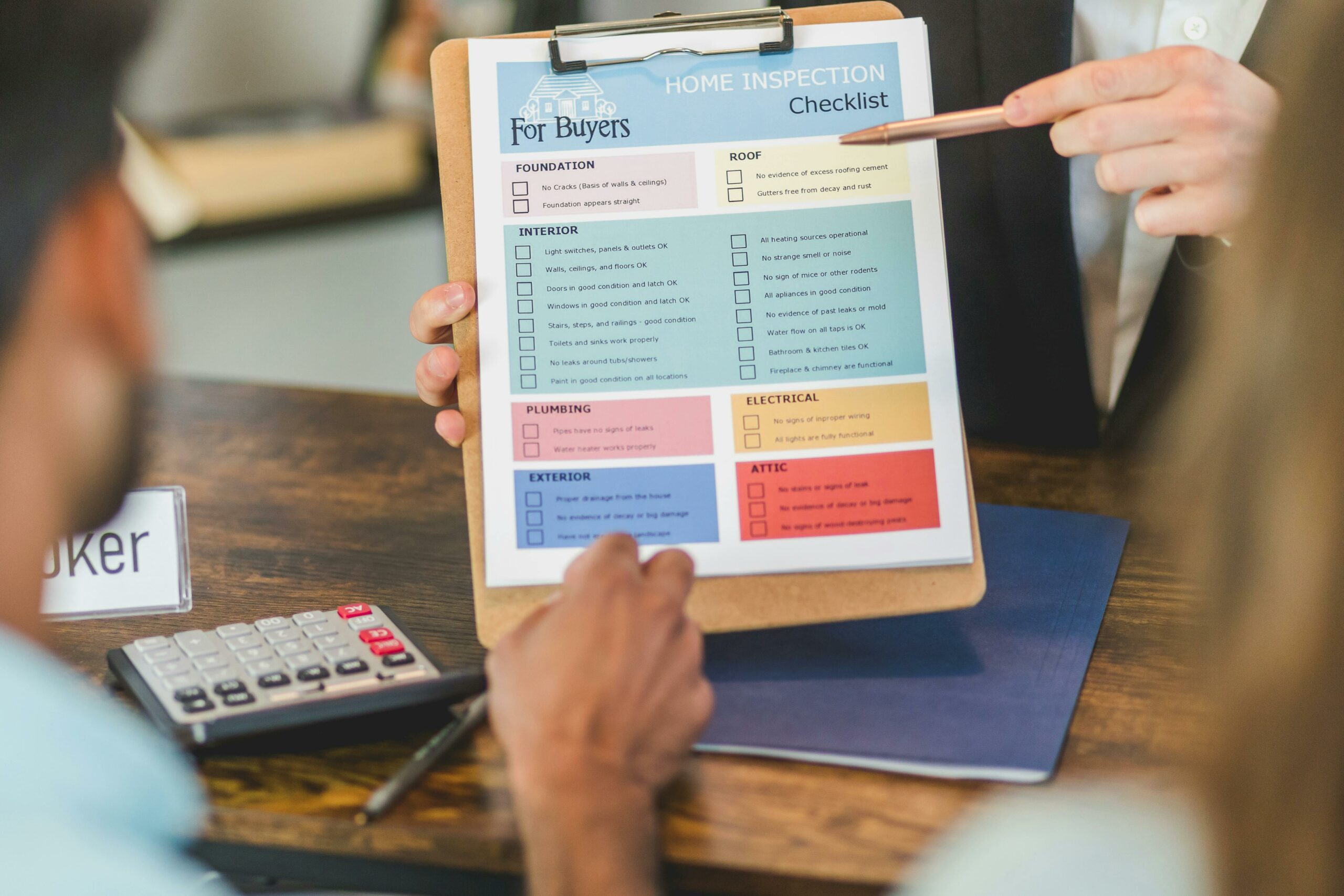
Most contests fail in the planning stage because the rules, prize, and entry method do not line up with the funnel. Use this eight-step workflow to keep it tight. First, choose the objective and audience segment (new customers, existing customers, local community, or niche interest group). Next, pick a prize that is relevant to the buyer, not just broadly attractive; relevance reduces low-quality entries and fraud. Then select the entry mechanic (comment-to-enter, lead form, UGC submission, referral) based on how much friction your audience will tolerate. After that, write the rules in plain language, including eligibility, start and end dates, how winners are chosen, and how you will contact them.
Now set up tracking. Use UTM parameters for any outbound links, and if you are collecting leads, connect the form to your CRM or at least a clean spreadsheet. If you are working with creators, define deliverables and reporting requirements up front: post links, screenshots of reach, and 7-day and 28-day performance snapshots. Finally, publish, moderate comments daily, and close the loop with a winner announcement post that reinforces trust. For more ongoing tactics that support contests with better organic distribution, browse the InfluencerDB blog on influencer marketing and social growth and adapt the posting cadence to your niche.
Use this quick KPI math example to sanity-check performance. Suppose you spend $1,200 total (prize + shipping + creator fee) and generate 3,000 landing page visits, 450 email signups, and 30 purchases. Your CPA for leads is $1,200 / 450 = $2.67 per signup. Your CPA for purchases is $1,200 / 30 = $40 per purchase. If your average order margin is $55, the contest is profitable on direct sales alone; if margin is $25, you need LTV to justify it. Concrete takeaway: calculate CPA for the conversion that matches your objective, and compare it to margin or LTV before you call a contest “successful.”
| Goal | Best entry mechanic | Primary KPI | Quality control metric |
|---|---|---|---|
| Reach and awareness | Comment-to-enter, reaction-to-enter | Reach, CPM | Share rate, negative feedback |
| Email capture | Instant Form or landing page form | Leads, CPA | Lead validation rate |
| UGC library | Photo or video submission | Qualified submissions | Usage rights coverage |
| Sales | Purchase-to-enter or code redemption | Purchases, ROAS | Refund rate |
| Community growth | Group join + prompt | Group joins, active members | 7-day retention |
5 Facebook contest examples you can copy (with why they work)
These formats are “winning” because they match a clear objective, keep friction appropriate, and make measurement straightforward. Do not copy the surface details; copy the structure. Each example includes a practical setup tip you can implement immediately.
Example 1: Comment-to-enter with a specific prompt (fast reach)
Mechanic: ask users to comment with a specific answer, such as “Tell us your go-to weekend breakfast,” then pick a winner at random. This works because Facebook comments still signal relevance, and a specific prompt produces richer responses than “tag a friend.” Keep the prize aligned with the prompt: a kitchen brand can offer a bundle that matches the breakfast theme. Setup tip: write two follow-up comments from the brand to seed the thread and model the kind of answer you want. Measurement tip: track comment volume, share rate, and reach; if reach rises but shares are flat, your prompt may be too generic.
Example 2: Instant Form lead giveaway (email capture with low friction)
Mechanic: use a Meta Instant Form to collect name and email, then enter users to win. This format is strong for lead gen because the form auto-fills for many users, reducing drop-off. To keep lead quality high, add one qualifying question that reflects intent, such as “Which product are you shopping for?” Setup tip: create a simple lead magnet follow-up email so entrants get value even if they do not win. Decision rule: if your lead CPA is higher than your normal paid lead CPA, tighten targeting or increase prize relevance instead of extending the contest duration.
Mechanic: ask customers to post a photo using your product and comment the photo on the contest post, or submit via a form. UGC contests work when the brand already has a base of customers or fans who want to be featured. The prize should reward participation, but the real incentive is recognition: feature finalists in a follow-up album and pin it. Setup tip: include a short usage rights statement in the rules so you can repost entries, and confirm winners via DM and email to avoid impersonators. If you want a reference point for how Meta expects promotions to be run on its platforms, review Meta’s Pages, Groups and Events policies before publishing.
Mechanic: co-host with a non-competing brand that targets the same customer. Each partner posts the contest, both link to the same rules page, and the prize bundle includes products from both. This works because you borrow trust and reach from the partner, and the bundle feels more valuable without doubling your costs. Setup tip: agree on one “source of truth” for rules and winner selection, and decide who handles fulfillment. Measurement tip: use separate UTMs for each partner so you can compare lead or purchase quality by source.
Example 5: Creator-led giveaway with whitelisting option (performance plus scale)
Mechanic: a creator posts a giveaway to their audience, usually with a comment prompt or a link to a landing page. This format wins when the creator’s audience matches your buyer, and when you negotiate usage rights so you can repurpose the best-performing creative. Setup tip: ask for two versions of the hook in the caption so you can A/B test messaging quickly. If you plan to run paid amplification, negotiate whitelisting and a clear duration (for example, 30 days) plus a content usage clause that covers ads. For a broader view of how to structure creator deliverables and reporting, you can pull templates and measurement ideas from the and adapt them to your contest timeline.
| Contest format | Best for | What to watch | Practical upgrade |
|---|---|---|---|
| Comment prompt | Fast engagement and reach | Low intent entries | Add a “why” question to improve quality |
| Instant Form | Email capture | Duplicate or low-quality leads | Add one qualifying question |
| UGC submission | Content library | Usage rights gaps | Include rights language and a repost consent checkbox |
| Partner bundle | New audience discovery | Attribution confusion | Separate UTMs and shared rules page |
| Creator-led | Targeted growth and sales | Tracking and disclosure | Whitelisting + unique code per creator |
Rules, disclosure, and safety: keep your contest compliant
Contests create risk when the rules are vague or when disclosures are missing. Write rules that cover eligibility (age, location), entry deadlines with time zone, how winners are selected, how many winners, and how you will contact them. Add a line that Facebook is not sponsoring or administering the promotion, and do not require users to share on their personal timelines as the only method of entry. Also, plan for impersonation: scammers often create lookalike accounts and message entrants. Your moderation plan should include a pinned comment that says you will never ask for payment details to claim a prize.
If creators are involved, disclosure is not optional. The FTC is clear that material connections must be disclosed in a way people will notice and understand. A simple “#ad” or “Paid partnership” label is often appropriate, but the key is clarity and placement. Review the FTC’s guidance on endorsements and testimonials here: FTC Endorsement Guides and influencer disclosures. Concrete takeaway: put disclosure requirements in the creator brief and require a screenshot of the live post showing the disclosure.
Best practices that improve results without increasing budget
Small execution details usually beat bigger prizes. First, keep the entry instructions in one sentence, then restate them in a pinned comment so mobile users do not miss them. Next, use a creative that shows the prize clearly in the first second, especially if you post a short video. Also, publish at a time when your audience is already active, then respond to early comments quickly to build momentum. If you have a Facebook Group, cross-post with a tailored caption that fits the group culture instead of dropping the same promo text.
On the measurement side, set a reporting cadence before launch: day 1 check, mid-campaign check, and final report 48 hours after closing. That cadence helps you spot problems like low-quality leads or suspicious comment patterns while you can still adjust. If you work with creators, ask for raw post links and screenshots of reach and impressions, not just engagement counts, because reach is the denominator for engagement rate. Concrete takeaway checklist:
- Pin the entry instructions and the “no payment asked” anti-scam note.
- Use UTMs and a unique code if sales matter.
- Require disclosure and keep it visible in the first lines.
- Plan a winner announcement post to reinforce trust.
Common mistakes (and how to fix them fast)
The most common mistake is choosing a prize that attracts everyone instead of your customer. If you give away a generic high-value item, you will get entries, but you will also get low intent traffic and more fraud. Fix it by bundling your own products or offering a category-specific prize that only your buyer wants. Another frequent issue is unclear winner selection, which invites complaints; solve it by stating “random draw” or “judged by criteria” and documenting the process. Brands also forget to define usage rights for UGC, then hesitate to repost the best entries; fix that with a simple consent line in the rules and a follow-up message for finalists.
Finally, many teams report vanity metrics only. A post that gets 2,000 comments can still be a poor campaign if it produces zero qualified leads or sales. Fix it by calculating CPA and by checking lead quality, such as email deliverability or conversion rate from lead to purchase. If you need a simple structure for post-campaign analysis, build a one-page recap and store it with your other growth experiments so you can reuse what worked. Concrete takeaway: if you cannot explain your contest result in one sentence with a KPI and a cost, you do not have a result yet.
Mini framework: choosing the right contest for your next campaign
Use this decision rule to pick a format quickly. If your brand is new and you need attention, start with a comment prompt or partner giveaway, then retarget engagers later. If you need owned audience, use an Instant Form or a landing page with a clear value exchange. If you need creative assets for ads, run a UGC contest and bake usage rights into the rules. If you need performance and you already know your buyer persona, use a creator-led contest with a unique code and optional whitelisting so you can scale the best creative.
When you are ready to operationalize, write a one-page brief with: objective, audience, prize, entry method, timeline, rules link, tracking plan, and reporting template. That brief becomes your internal alignment tool and your creator instruction sheet. Concrete takeaway: pick the contest mechanic last, after you have written the objective, prize relevance, and measurement plan in plain language.