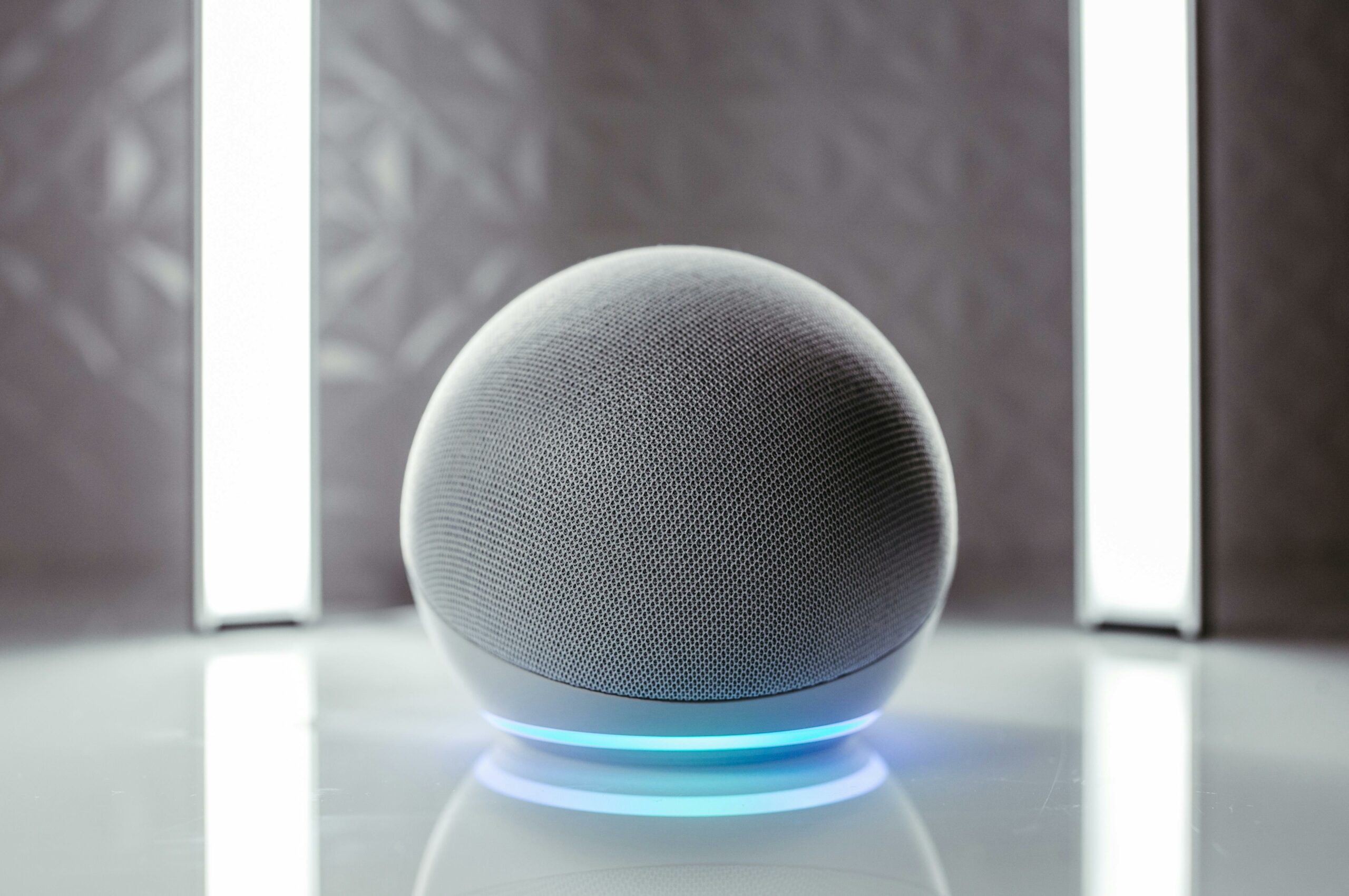

Google Voice Search is changing how people discover creators, products, and local services – and in 2026, the winners will be the teams that design content for spoken questions and measurable outcomes. Voice queries are longer, more conversational, and often urgent, which means your SEO, creator briefs, and landing pages need to answer fast and clearly. At the same time, voice results tend to be “winner takes most,” so small technical mistakes can erase visibility. This guide focuses on practical steps you can apply this week: what to change on your site, how to brief influencers for voice-friendly content, and how to track performance without guessing.
What Google Voice Search means in 2026
Voice search is not a separate internet – it is a different interface to the same Google index, with different ranking pressures. When someone asks a phone, smart speaker, or in-car assistant a question, Google often returns a single spoken answer, a short list, or a map pack result. As a result, you are competing for a smaller “surface area” than a traditional results page. In practice, that pushes you toward content that is easy to parse, strongly structured, and aligned with intent. The takeaway: treat voice as a formatting and intent problem, not a gimmick.
In 2026, voice behavior clusters into a few patterns. First, “near me” and local intent remain dominant for services, retail, and events. Second, “how do I” and troubleshooting queries are common for consumer products and apps. Third, comparison questions show up earlier in the funnel, like “best running shoes for flat feet under 150.” Finally, brand navigation queries increase when creators mention a product verbally and viewers repeat it later. Your job is to map these patterns to pages and creator content that answer them directly.
One more shift matters: multimodal search. People speak a query, then tap a result, view images, or refine with text. That means voice optimization still needs strong on-page SEO, fast mobile UX, and clear next steps. If your page loads slowly or hides the answer behind popups, you lose the click even if you earned the mention. For official guidance on how Google surfaces results, review Google Search Central documentation and align your technical basics with it.
Define the metrics and terms you will use
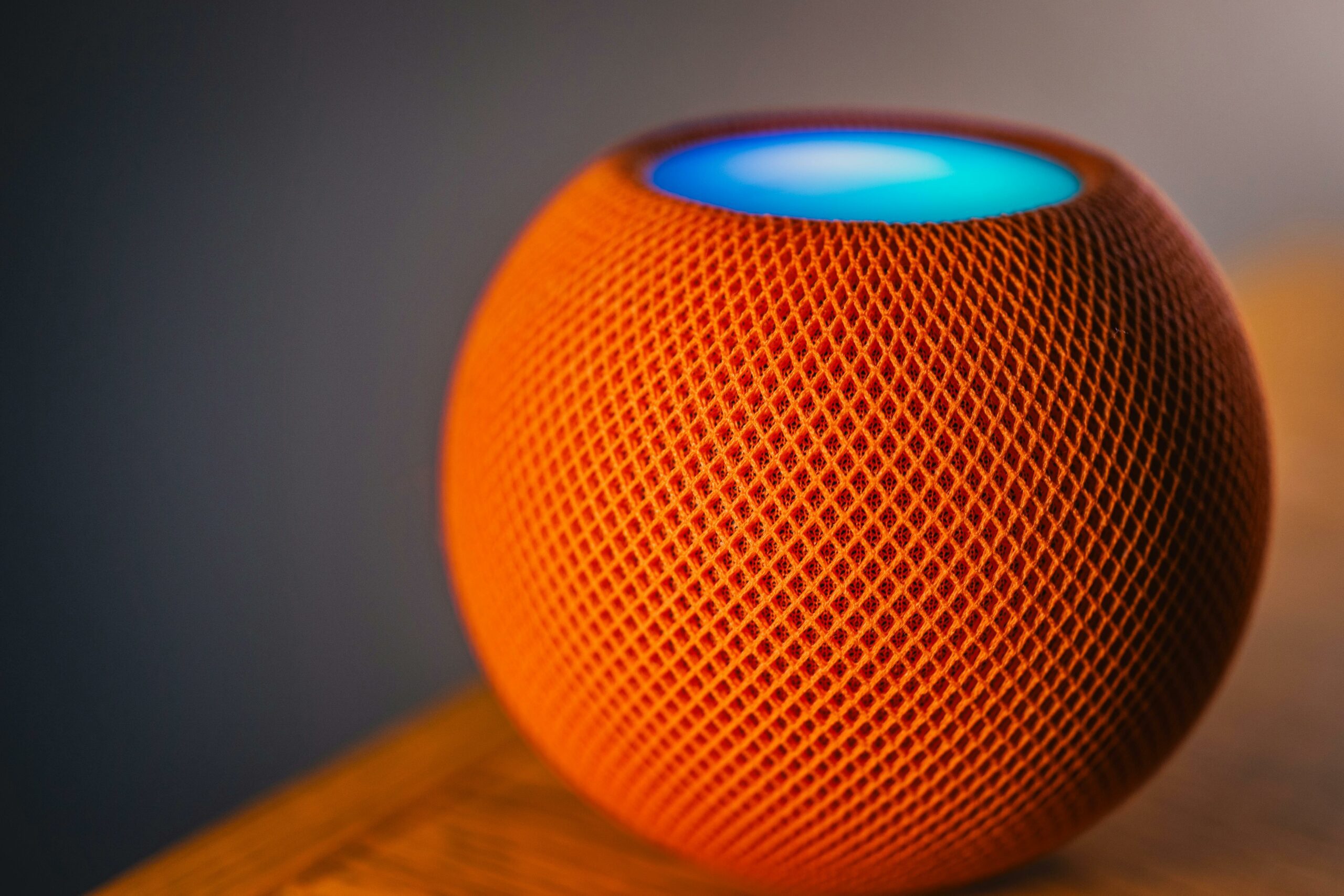
Before you change content, lock down definitions so your team, agency, and creators measure the same thing. Voice-led discovery often looks “messy” in analytics, so clear terms prevent bad decisions. Here are the core definitions you should use in briefs and reports.
- Reach: estimated unique people who saw content (platform-reported for social, modeled for web).
- Impressions: total times content was displayed, including repeats.
- Engagement rate: engagements divided by reach or impressions (state which one). Example: (likes + comments + saves + shares) / impressions.
- CPM: cost per thousand impressions. Formula: (Spend / Impressions) x 1000.
- CPV: cost per view (common for video). Formula: Spend / Views.
- CPA: cost per acquisition (purchase, lead, signup). Formula: Spend / Conversions.
- Whitelisting: running paid ads through a creator’s handle or page, with permission.
- Usage rights: permission to reuse creator content (where, how long, paid or organic).
- Exclusivity: creator agrees not to promote competitors for a time window or category.
Concrete takeaway: add these definitions as a fixed appendix in every influencer brief so performance discussions do not derail into terminology. Also, decide one “north star” metric per campaign. For awareness, CPM and lift in branded search are often better than last-click CPA. For direct response, CPA and conversion rate matter most, but you still need to track assisted impact from voice-led discovery.
How to optimize content for Google Voice Search
Voice queries are questions, so your pages must answer questions. Start by building a list of the top 20 to 50 questions your audience asks out loud. Pull them from customer support tickets, comments on creator posts, and “People also ask” boxes. Then group them by intent: informational (learn), commercial (compare), transactional (buy), and navigational (find a brand or page). The decision rule: if a query implies immediate action, your page needs a clear CTA above the fold and a fast path to conversion.
Next, rewrite key pages to include short, direct answers early. Put a 1 to 2 sentence answer directly under the relevant heading, then expand with details. This helps Google extract a snippet and helps humans scan. Use plain language and avoid burying the lead. For example, if the question is “How long does shipping take,” answer it in the first lines with a specific range and conditions, then add exceptions below.
Structure matters as much as wording. Use descriptive headings, bullet lists, and tables where they clarify decisions. Add an FAQ section to pages where questions cluster, but keep it honest and specific. If you use structured data, validate it and avoid spammy markup. The practical checklist below captures the basics you can implement quickly:
- Write headings as questions when it fits user intent.
- Answer each question in 40 to 60 words, then expand.
- Use consistent units, prices, and timeframes.
- Ensure mobile load time is strong and popups do not block the answer.
- Add internal links to deeper pages for follow-up questions.
Finally, optimize for local voice intent if you have locations or service areas. Keep your business name, address, and phone consistent across your site and listings. Add location pages that answer “Do you serve X” and “What are your hours” with clear, updated information. Voice assistants often prioritize confidence and consistency, so stale hours or mismatched addresses can cost you visibility.
A voice-first influencer brief framework (with examples)
Creators influence voice behavior because people repeat what they hear. A viewer may not click immediately, but later they ask their phone a question using the creator’s phrasing. That is why your brief should include “sayable” brand cues and question-based prompts, not just hashtags. If you want to shape voice demand, you need creators to model the exact words people will speak.
Start your brief with three components: the spoken hook, the problem statement, and the verification step. The spoken hook is a natural phrase the creator can say without sounding scripted, such as “If you are looking for a quiet blender for early mornings…” The problem statement sets the use case. The verification step tells viewers what to ask or search, like “Ask Google for ‘Brand model quiet blender’ and compare the decibel rating.” Keep it truthful and avoid manipulative language.
Here is a practical mini-template you can paste into briefs:
- Audience question to answer: “What is the best X for Y?”
- Creator demo requirement: show the product solving Y in under 15 seconds.
- Spoken phrase to include: one natural sentence with brand + category.
- On-screen text: mirror the question in plain English.
- Landing destination: one page that answers the question immediately.
Concrete takeaway: test two versions of the spoken phrase across creators. Version A uses brand + category (“Brand running socks”), while Version B uses brand + problem (“Brand socks for blisters”). Then compare lift in branded search, direct traffic, and assisted conversions. For more planning ideas you can adapt to your workflow, use the strategy resources in the InfluencerDB blog as a reference point for briefs, measurement, and creator selection.
Measurement: connect voice-led discovery to outcomes
Voice reporting is tricky because assistants do not always pass clean referrer data, and users often switch devices. Still, you can measure impact with a layered approach. First, track what you can directly: organic traffic to FAQ pages, growth in long-tail question queries in Search Console, and local actions (calls, direction requests) if relevant. Second, track proxy signals: branded search volume, direct traffic spikes after creator posts, and increases in “near me” impressions for location pages. Third, run controlled tests where possible, such as geo split campaigns or creator flighting.
Use simple formulas so stakeholders understand the economics. For example, if you spend $12,000 on a creator flight that generates 1,500,000 impressions and 18,000 landing page sessions, your CPM is (12000 / 1500000) x 1000 = $8. If 360 purchases occur, your CPA is 12000 / 360 = $33.33. Then add an assisted layer: if branded search clicks rose 20% during the flight and held for two weeks, you likely created incremental demand that last-click attribution misses.
Also, build a “voice intent dashboard” that separates question pages from product pages. Question pages often drive top and mid funnel discovery, while product pages close. If question pages grow but product pages do not, your internal linking or CTAs may be weak. Conversely, if product pages grow without question pages, you may be over-reliant on brand demand rather than capturing new intent.
| Signal | What it indicates | Where to measure | Action if it drops |
|---|---|---|---|
| Question query impressions | Visibility for conversational intent | Google Search Console | Rewrite headings and add direct answers |
| Featured snippet wins | Higher chance of being read aloud | SEO tools + manual checks | Tighten 40 to 60 word answers and formatting |
| Branded search lift | Creator-driven demand and recall | Search Console + Trends | Adjust spoken phrase and creator fit |
| Direct traffic spikes | Offline or cross-device behavior | Analytics | Improve landing page clarity and speed |
| Local actions | High intent voice behavior | Business Profile insights | Fix NAP consistency and update hours |
Concrete takeaway: set a baseline for each signal for four weeks, then judge changes during creator flights against that baseline. Do not compare only to the previous week, because seasonality and platform volatility can mislead you.
Budgeting and negotiation: pricing voice-friendly deliverables
Voice-friendly creator work is not a separate rate card, but it does change what you pay for. You are buying clarity, repetition of a “sayable” phrase, and content that answers a question quickly. That often means tighter scripting, more takes, and stronger editing. When you negotiate, separate deliverables (what gets posted) from rights (what you can reuse) and from restrictions (exclusivity). This prevents you from overpaying for bundles you do not need.
Use a simple pricing structure: base fee for the post, add-ons for usage rights, whitelisting, and exclusivity. Then tie performance incentives to measurable outcomes like tracked sales, qualified leads, or lift in branded search. If you cannot measure it, do not promise it. For disclosure and truth-in-advertising expectations, follow FTC guidance on influencer disclosures and ensure creators use clear, conspicuous labels.
| Deal component | What to specify | Why it matters for voice | Negotiation tip |
|---|---|---|---|
| Base deliverable | Format, length, posting date, link placement | Controls the spoken hook and timing | Pay for one strong concept, not extra weak posts |
| Usage rights | Channels, duration, paid vs organic | Lets you reuse the clearest “question answer” clip | Ask for 30 to 90 days first, extend if it performs |
| Whitelisting | Access method, ad account, approvals | Scales the exact phrasing that drives recall | Limit to one or two top creatives to reduce fatigue |
| Exclusivity | Category definition, time window, carve-outs | Protects brand phrase association in the audience’s memory | Keep categories narrow so you do not overpay |
| Performance bonus | Metric, attribution window, cap | Aligns incentives without forcing unnatural scripts | Use tiered bonuses and a clear cap |
Concrete takeaway: if you need a creator to say a specific phrase, pay for the extra production effort and approve the script outline early. That is cheaper than reshoots and protects authenticity.
Common mistakes (and how to avoid them)
One common mistake is optimizing for cleverness instead of clarity. Voice queries reward direct language, so avoid brand slogans that do not describe the product. Another frequent issue is sending users to a generic homepage after a creator says a specific use case. If the landing page does not answer the question immediately, you waste the intent you created. Teams also forget local hygiene, like outdated hours, which can quietly kill “near me” visibility.
Measurement mistakes are just as costly. Marketers often judge voice impact only by last-click conversions, then cut budgets that are actually building demand. On the flip side, some teams attribute every branded search spike to creators without checking seasonality, PR, or promotions. A practical fix is to annotate timelines in analytics with creator post dates, promo codes, and email sends. Then you can separate correlation from likely causation.
- Do not use one landing page for every creator and every question.
- Do not require creators to read stiff scripts that sound unnatural.
- Do not buy broad exclusivity unless you can define the category precisely.
- Do not ignore Search Console question queries because they look “small.”
Best practices checklist for 2026
To wrap it up, treat voice as a system: content, creators, pages, and measurement working together. Start with the questions people actually ask, then build pages that answer them quickly, and finally use creators to seed the phrasing in the market. Keep your definitions consistent, negotiate rights cleanly, and measure with a baseline plus tests. If you do those things, you will earn more than rankings – you will earn repeatable demand.
- Content: write question headings and short answers first, then expand.
- Technical: prioritize mobile speed and clean page structure.
- Creators: brief a spoken hook, problem, and verification step.
- Landing pages: match each creator’s use case to one page.
- Measurement: track question impressions, snippet wins, and branded lift.
- Governance: standardize CPM, CPV, CPA, rights, and exclusivity language.
If you want a simple next step, pick one product or service, list ten voice-style questions, and publish one high-quality answer page this month. Then run a small creator flight that uses the same spoken question and compare the baseline signals before and after. That tight loop is how teams get good at voice, fast.