To increase organic website traffic, you need a repeatable system – not random posting, not chasing hacks, and not guessing what Google or your audience wants. Organic traffic grows when your site is technically sound, your content matches real search intent, and your distribution earns links and mentions over time. The good news is that most sites can unlock meaningful gains with a focused set of actions done consistently. Below are five steps you can run like a weekly operating rhythm, with checklists, simple formulas, and examples you can copy.
Step 1 – Set a baseline and pick the right targets to increase organic website traffic
Before you change anything, measure what is already working so you can double down and avoid breaking pages that perform. Start with Google Search Console and analytics to capture three baselines: current organic sessions, top landing pages, and top queries. Then choose targets that are winnable in the next 30 to 60 days, not just “high volume” keywords that you have no authority for. A practical rule is to prioritize keywords where you already rank between positions 8 and 20, because small improvements can move you onto page one. Finally, define success in numbers so you know whether the next steps are paying off.
Key terms (quick definitions you will use later):
- Reach – the number of unique people who see content (mostly used in social reporting).
- Impressions – total times content is shown (one person can generate multiple impressions).
- Engagement rate – engagements divided by impressions or reach, depending on the platform definition.
- CPM – cost per thousand impressions: CPM = cost / (impressions / 1000).
- CPV – cost per view: CPV = cost / views.
- CPA – cost per acquisition: CPA = cost / conversions.
- Whitelisting – a creator grants a brand permission to run ads through the creator’s handle.
- Usage rights – permission to reuse content (where, how long, and in what formats).
- Exclusivity – a restriction that prevents a creator from working with competitors for a period.
Even if your goal is SEO, these paid and influencer terms matter because organic growth often depends on distribution. A creator collaboration can earn links, branded searches, and referral traffic that later lifts rankings. If you want a deeper view of how marketers measure creator performance, browse the InfluencerDB blog insights on influencer marketing and adapt the measurement mindset to SEO.
| Baseline metric | Where to find it | What “good” looks like | Action if weak |
|---|---|---|---|
| Organic sessions | Analytics (organic channel) | Stable or rising week over week | Fix technical issues and refresh top pages |
| Queries ranking 8 to 20 | Search Console – Performance | At least 20 opportunities | Improve on page relevance and internal links |
| Indexed pages | Search Console – Pages | Most important pages indexed | Resolve noindex, canonicals, and crawl blocks |
| CTR from search | Search Console – Performance | Improving as rankings improve | Rewrite titles and meta descriptions for intent |
Takeaway checklist: Export your top 50 queries and pages, highlight positions 8 to 20, and pick 10 targets for the next month with clear intent and business value.
Step 2 – Fix technical blockers that quietly cap growth
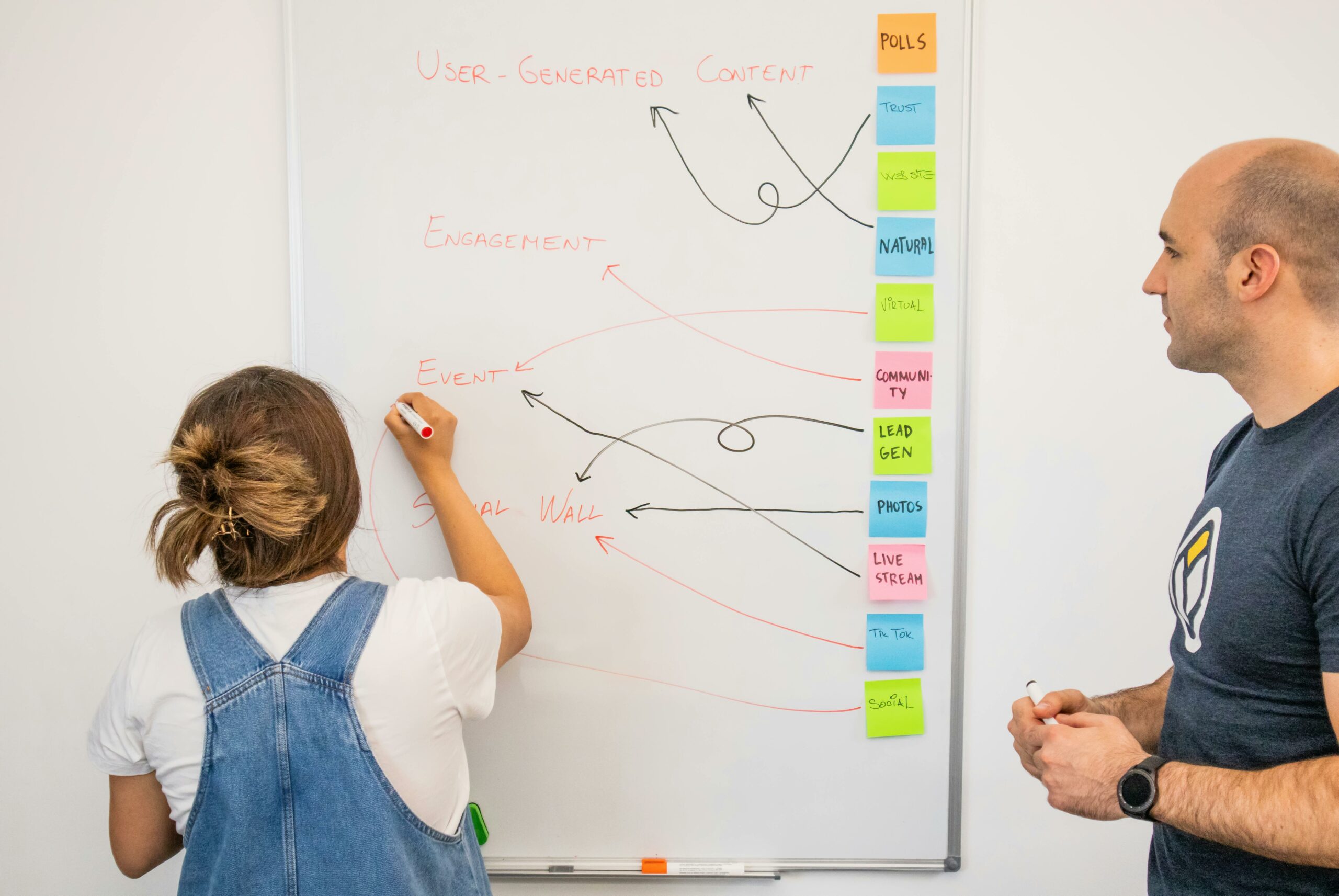
Technical SEO is not glamorous, but it is where many “why are we not ranking?” stories start. First, confirm Google can crawl and index the pages you care about. Next, reduce friction for users and crawlers by improving site speed, mobile usability, and internal navigation. Then, eliminate duplicate or thin pages that dilute relevance. You do not need to chase perfect scores, but you do need to remove obvious blockers that keep good content from being discovered or trusted.
Start with these high impact checks:
- Indexing: Make sure key pages are indexable (no accidental noindex tags, blocked robots.txt, or wrong canonical tags).
- Core Web Vitals: Improve loading and interactivity by compressing images, reducing heavy scripts, and using caching.
- Mobile UX: Ensure tap targets, font sizes, and layout do not break on small screens.
- Structured data: Add schema where it fits (FAQ, HowTo, Article) to improve eligibility for rich results.
Use Google’s official guidance as your source of truth for what the search engine expects. The Google SEO Starter Guide is a solid reference for crawling, indexing, and page quality basics without the noise.
Decision rule: If a page is not indexed, do not optimize its copy yet. Fix indexing first, request indexing in Search Console, and only then invest in content improvements.
Step 3 – Build content that matches intent, then refresh what already ranks
Content is where most teams spend time, yet they often skip the part that makes content rank: matching search intent precisely. Intent is the reason behind the query, such as learning, comparing options, or buying. When you align format and depth to intent, Google has an easier time ranking you, and users are more likely to stay and convert. In practice, this means writing fewer “general” posts and more pages that answer a specific question better than what is already on page one.
Use a two track plan:
- Refresh: Update pages that already get impressions but have slipping clicks or outdated information.
- Create: Publish new pages for gaps where you can win with expertise, examples, and clear structure.
Refresh framework (30 to 90 minutes per page):
- Rewrite the title and first paragraph to state the answer faster.
- Add a “quick steps” list near the top for skimmers.
- Expand sections that are thin compared to top ranking pages.
- Include one original example, template, or table.
- Update internal links to point to your most relevant supporting pages.
Example calculation for prioritization: Create an “opportunity score” to decide which pages to refresh first. One simple version is: Opportunity score = impressions x (1 – CTR). If a page has 20,000 impressions and 0.8% CTR, the score is 20,000 x (1 – 0.008) = 19,840. That is a strong candidate for a title and snippet rewrite, plus a content refresh.
| Search intent | Best content format | What to include | Quick win |
|---|---|---|---|
| Informational (how to) | Step by step guide | Checklist, screenshots, FAQs | Add a “5 steps” summary near the top |
| Comparative (best, vs) | Comparison article | Pros and cons, table, decision rules | Include a clear “who it is for” section |
| Transactional (buy, pricing) | Landing page | Proof, pricing logic, FAQs, CTAs | Reduce friction and add trust signals |
| Navigational (brand name) | Homepage or hub | Clear paths, site links, fast load | Improve internal linking and breadcrumbs |
Takeaway checklist: Pick five pages with high impressions and low CTR, refresh them using the framework above, and measure changes in CTR and average position after two weeks.
Step 4 – Earn distribution: internal links, partnerships, and creator collaborations
Great content can still sit unnoticed if nobody discovers it. Distribution is how you create the signals that search engines and people respond to: links, mentions, branded searches, and repeat visits. Start with internal linking because it is fully under your control and often the fastest lever. Then, layer in partnerships and creator collaborations that produce referral traffic and natural backlinks. Finally, repurpose the same core insight into formats that travel well on social, email, and communities.
Internal linking playbook:
- Link from high authority pages (home, popular posts) to your priority pages using descriptive anchors.
- Add a “related reading” block that points to 3 to 5 tightly relevant articles.
- Use consistent terminology so Google understands topical clusters.
Partnership and creator collaboration ideas that support SEO:
- Co-authored posts: Publish a joint guide with a complementary brand, then both parties link to it.
- Expert quotes: Collect short expert inputs and notify contributors so they share and link back.
- Creator tutorials: Have creators demonstrate your product or method, then embed the video on your page for richer content.
When you work with creators, treat it like a measurable campaign. Define deliverables, usage rights, and whether whitelisting is involved. Even if you are not running ads, usage rights matter because you may want to embed the creator content on your site later. If you need a primer on building measurable creator programs, the has practical breakdowns you can translate into SEO friendly distribution plans.
Concrete takeaway: Each time you publish a new SEO page, commit to 10 internal links and 5 external outreach messages in the same week. Without that, you are relying on luck.
Step 5 – Measure what matters, then iterate weekly
Organic growth is a compounding game, so measurement needs to be simple enough to run every week. Track leading indicators that move before revenue does: impressions, rankings, CTR, and engaged time on page. Then connect those to business outcomes using conversions and assisted conversions. If you are working with influencer or social distribution, add reach and engagement rate to understand whether your top of funnel is expanding. The goal is not to build a perfect dashboard, but to create feedback loops that tell you what to do next Monday.
Weekly SEO scorecard (keep it to 20 minutes):
- Top 10 target queries: average position change week over week.
- Top 10 target pages: clicks, impressions, CTR, and conversions.
- Indexing issues: new errors or excluded pages.
- New links or mentions: any notable referring domains.
Simple formulas you can use:
- CTR: CTR = clicks / impressions. If impressions rise but clicks do not, rewrite titles and intros.
- Conversion rate: CVR = conversions / sessions. If traffic rises but CVR falls, tighten intent match and CTAs.
- CPA (blended): CPA = total marketing cost / total conversions. Use this to compare SEO plus creator distribution against paid.
For measurement hygiene, align your tracking with established analytics standards. Google’s documentation on GA4 events and conversions is a useful reference when you are defining what counts as a lead, signup, or purchase.
Concrete takeaway: Run a weekly “two tests” rule: test two title rewrites or two internal link additions each week, then keep what improves CTR or rankings and roll it out across similar pages.
Common mistakes that stall organic traffic
Most organic traffic plateaus are self-inflicted, and they repeat across industries. One common mistake is publishing lots of content without a clear keyword map, which creates overlap and cannibalization. Another is ignoring internal linking, leaving new pages orphaned and hard to discover. Teams also chase volume keywords that do not match their authority or their product, which brings low quality traffic even if rankings improve. Finally, many sites treat distribution as optional, so content launches with no links, no shares, and no reason to be noticed.
- Targeting a keyword without checking intent on page one.
- Writing long intros that delay the answer.
- Letting old posts decay instead of refreshing them.
- Building links with spammy tactics that risk penalties.
- Measuring only sessions, not conversions or assisted value.
Fix: Create a one page “SEO operating system” doc: your target list, refresh queue, internal linking targets, and weekly scorecard. Keep it visible and updated.
Best practices to keep results compounding
Once the five steps are running, the next challenge is consistency. Treat SEO like a product: ship improvements, measure, and iterate. Keep a content calendar that balances refreshes with new pages, because refreshes often win faster while new pages expand your footprint. Build topical clusters so each new article strengthens the others through internal links and shared terminology. Also, invest in distribution relationships, including creators and partners, because those networks produce the links and mentions that are hard to fake. Over time, these habits make it easier to increase organic traffic without increasing effort.
- Publish with a purpose: Every page should target one primary query and a small set of close variants.
- Optimize for the snippet: Add short definitions, lists, and direct answers near the top.
- Use evidence: Add examples, mini case studies, and data points to stand out.
- Refresh on a schedule: Revisit top pages every 90 days and update them.
- Connect channels: Turn each SEO page into a social post, an email, and a creator brief.
Final action plan: This week, pick 10 queries in positions 8 to 20, refresh five pages, add 10 internal links to each, and distribute through one partner or creator. Next week, repeat and compare your scorecard. That rhythm is how organic growth becomes predictable.