

Local SEO guide: if you want more nearby customers, you need to show up when people search with high intent like “near me” or “open now.” Local search is not just about ranking a website – it is about proving to Google that your business is real, relevant, and trusted in a specific place. The good news is that local SEO is measurable, and small improvements can compound quickly. In this guide, you will get a practical system you can follow in a week, then refine over a month. Along the way, you will also learn how to track what matters so you can stop guessing and start scaling what works.
What local SEO is – and how it differs from regular SEO
Local SEO is the process of improving your visibility for location-based searches across Google Search and Google Maps. Traditional SEO usually targets broader queries and relies heavily on website authority and content depth. Local SEO, however, is driven by proximity, relevance, and prominence, which means your business profile, reviews, and citations can matter as much as your homepage. As a result, a small business can outrank a bigger brand in the map pack if it sends stronger local signals. Your first takeaway: treat your Google Business Profile as a primary marketing asset, not a directory listing.
Before you execute, define a few terms so your reporting stays consistent. Reach is the number of unique people who see your content, while impressions are total views including repeats. Engagement rate is typically engagements divided by impressions or reach, depending on the platform – pick one definition and keep it consistent. CPM is cost per thousand impressions, CPV is cost per view (often video), and CPA is cost per acquisition (a lead, booking, or sale). Whitelisting is when a brand runs paid ads through a creator or partner account, while usage rights define where and how long you can reuse content. Exclusivity means a partner cannot work with competitors for a set period, and it should always be priced separately.
Even if you are not running influencer campaigns, these terms matter because local growth often blends organic, paid, and partnerships. For example, you might sponsor a neighborhood creator, then repurpose their video as an ad – that is usage rights plus whitelisting. A clear vocabulary prevents misunderstandings and helps you compare tactics apples to apples.
Local SEO guide to winning the map pack: Google Business Profile setup
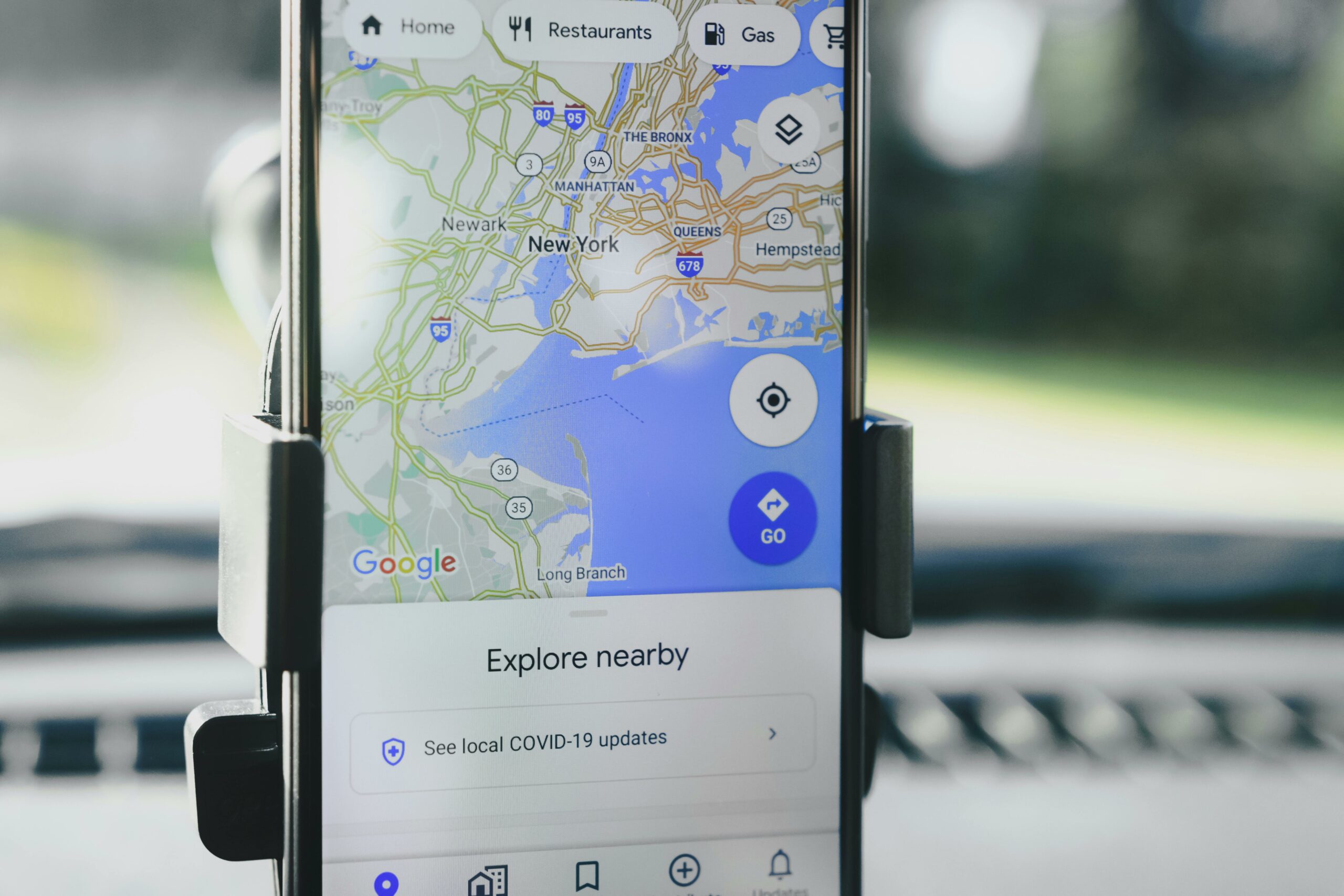
Your Google Business Profile (GBP) is often the first thing a local customer sees, especially on mobile. Start by claiming and verifying the profile, then complete every field you can. Choose a primary category that matches your core service, and add secondary categories only when they truly apply. Next, set accurate hours, including holiday hours, because mismatches can reduce trust and cause bad reviews. Add services or products with short descriptions and pricing ranges where appropriate, since those fields can influence relevance.
Photos are a ranking and conversion lever. Upload a clean logo, a real storefront or office photo, team images, and product or service shots that show what a customer will experience. Keep filenames descriptive before uploading, and refresh photos monthly so the profile looks active. Then, use GBP posts for offers, events, and updates, but write them like headlines – clear benefit, clear action. Finally, turn on messaging only if you can respond quickly; slow replies can backfire.
Use Google’s official documentation to stay aligned with policy, especially around eligibility and prohibited content. The rules change, and following them reduces the risk of suspensions. Reference: Google Business Profile guidelines.
- Checklist: Primary category set, hours accurate, service areas correct, appointment link added, at least 15 high-quality photos.
- Decision rule: If you cannot describe a service in one sentence, do not add it as a separate service entry yet.
On-page local SEO: location pages, schema, and conversion basics
Your website still matters because it provides the strongest controlled signal about what you do and where you do it. Start with the homepage and your main service pages: include your city and primary service naturally in the title tag, H1, and first paragraph, but do not force it. Add your full NAP (name, address, phone) in the footer, and keep it identical to your GBP. If you serve multiple areas, create dedicated location pages that contain unique content: local testimonials, neighborhood-specific FAQs, parking details, and service boundaries.
Next, add LocalBusiness schema so search engines can parse your business details reliably. You do not need to overcomplicate it – include business name, address, phone, opening hours, and sameAs links to your main profiles. Also, make sure every location page has a clear conversion path: click-to-call, booking button, and a short form that works on mobile. A fast site helps, but clarity converts; avoid burying the phone number in an image.
Here is a simple content template that works for most local pages: 1) what you do, 2) who you help, 3) service area boundaries, 4) proof (reviews, before and after, certifications), 5) pricing range or estimate process, 6) FAQs, 7) call to action. Your takeaway: a location page should answer the customer’s “Can you help me here, today?” question in under 20 seconds.
| Page element | What to include | Why it helps local SEO | Quick check |
|---|---|---|---|
| Title tag | Service + city + brand | Improves relevance for local queries | Under ~60 characters |
| NAP | Exact name, address, phone | Consistency strengthens trust signals | Matches GBP exactly |
| Location copy | Unique local details, not boilerplate | Reduces duplicate content and improves intent match | No copy-paste across cities |
| Internal links | Link to related services and contact | Helps crawling and user flow | At least 2 contextual links |
| Schema | LocalBusiness JSON-LD | Machine-readable business info | Validates in testing tool |
Citations and NAP consistency: the unglamorous ranking lever
Citations are mentions of your business name, address, and phone number across the web, including directories and local listings. They are not exciting, but inconsistent citations can quietly drag down rankings and conversions. Start by auditing your NAP: check your GBP, website footer, Facebook page, Yelp, Apple Maps, Bing Places, and major data aggregators where relevant. Then, fix mismatches in spelling, suite numbers, old phone lines, and tracking numbers that are not configured correctly.
Use a single canonical format for your address, and stick to it everywhere. If you must use call tracking, use dynamic number insertion on your website while keeping the primary number consistent in citations. Also, avoid creating multiple GBP listings for the same location unless you meet Google’s eligibility rules. Your takeaway: consistency beats volume; ten accurate citations are better than fifty messy ones.
| Citation type | Examples | Priority | What to verify |
|---|---|---|---|
| Core platforms | Google, Apple Maps, Bing | Highest | NAP, category, hours |
| Major directories | Yelp, YellowPages, local chambers | High | Address formatting, phone, URL |
| Industry directories | Health, legal, home services listings | Medium | Credentials, services, photos |
| Local mentions | Neighborhood blogs, event pages | Medium | Correct brand name and link |
| Social profiles | Facebook, Instagram, TikTok | Support | Same phone, same address |
Reviews that drive calls: a system you can run weekly
Reviews influence rankings, click-through rate, and conversion, all at once. The key is to make review collection a process, not a campaign you run once a year. Ask at the moment of highest satisfaction: right after a successful appointment, delivery, or resolved issue. Use a short script, and send a text or email with a direct link to your review form. Then, respond to every review, including negative ones, with calm specifics and a next step.
Do not offer incentives in ways that violate platform rules. Instead, reduce friction: create a QR code at the counter, add a review link to receipts, and train staff to ask consistently. Also, mine reviews for keywords customers use naturally, then reflect those phrases on your service pages. Your takeaway: the best review strategy is operational – it lives inside your customer workflow.
For broader consumer trust context, it helps to understand how review quality and transparency affect purchasing decisions. One useful reference is the FTC’s guidance on endorsements and reviews: FTC endorsements and reviews guidance.
Local content and links: become the obvious answer in your neighborhood
Local content works when it is specific enough that only a local business could write it. Publish pages or posts that answer real local questions: “best time to book a haircut before graduation,” “permit checklist for a kitchen remodel in [city],” or “seasonal allergy tips for [region].” Pair that with local link earning: sponsor a youth team, partner with a community event, or contribute a short expert quote to a neighborhood newsletter. Those mentions build prominence, and they also send referral traffic that converts.
If you want inspiration for content formats that perform, browse the InfluencerDB Blog and adapt the structure to local topics: clear hooks, practical steps, and examples. Even if your business is not creator-focused, the same editorial discipline applies. Your takeaway: one strong local guide that earns a few real community links can outperform dozens of generic blog posts.
Measurement that ties to revenue: calls, direction requests, and booked jobs
Local SEO fails when you track the wrong metrics. Rankings are useful, but they are not the business outcome. Instead, track actions that show intent: phone calls, form submissions, bookings, direction requests, and clicks to your website from GBP. Set up UTM parameters on your GBP website link and appointment link so you can separate GBP traffic in analytics. If you run ads or creator partnerships, keep your definitions consistent: impressions and reach describe exposure, while CPA tells you what you paid for a lead or sale.
Use simple formulas to keep decisions grounded. For example:
- Lead-to-customer rate = customers / leads
- Cost per lead (CPL) = spend / leads
- CPA = spend / customers
- Estimated revenue from local SEO = customers from organic local x average order value
Example calculation: you spend $600 per month on local SEO support. In a month, you get 40 leads from GBP and local pages, and 10 become customers. Your CPL is $600 / 40 = $15. Your CPA is $600 / 10 = $60. If your average order value is $250, estimated revenue is 10 x $250 = $2,500. Your takeaway: once you can compute CPA, you can compare local SEO to paid social, direct mail, or partnerships without hand-waving.
For measurement standards and definitions that help keep reporting clean, Google’s own resources can clarify how local surfaces work. Reference: Google Business Profile performance metrics.
Common mistakes that quietly block local growth
- Category mismatch: choosing a broad category that does not match your core service, which weakens relevance.
- Keyword stuffing: cramming city names into business names or descriptions, which can trigger edits or suspensions.
- Ignoring photos: outdated or low-quality images that reduce clicks and calls.
- Inconsistent NAP: old phone numbers and address variants across listings.
- No review process: asking only when business is slow, which produces uneven volume.
- Tracking gaps: no UTMs, no call tracking plan, and no way to tie leads to revenue.
Fixing these is often faster than publishing new content. Start with the highest leverage: GBP category, NAP consistency, and review velocity. Your takeaway: local SEO is usually blocked by basics, not by advanced tactics.
Best practices: a 30-day local SEO action plan
To make this guide operational, run it as a 30-day sprint. In week one, lock down your GBP: categories, hours, services, photos, and messaging settings. In week two, clean up citations and align NAP everywhere, then add schema and conversion elements to your website. In week three, launch your review system with a script, a link, and staff training, and respond to every review within 48 hours. In week four, publish one local flagship page or guide and pitch two community partners for mentions or links.
Keep a simple weekly scorecard so you can see movement without drowning in dashboards:
- GBP: calls, website clicks, direction requests
- Reviews: new reviews, average rating, response time
- Leads: forms, bookings, qualified calls
- Revenue: customers from local, average order value, CPA
Your takeaway: if you can improve review velocity, citation accuracy, and conversion rate at the same time, you will usually see measurable lift within one to two months, even in competitive markets.