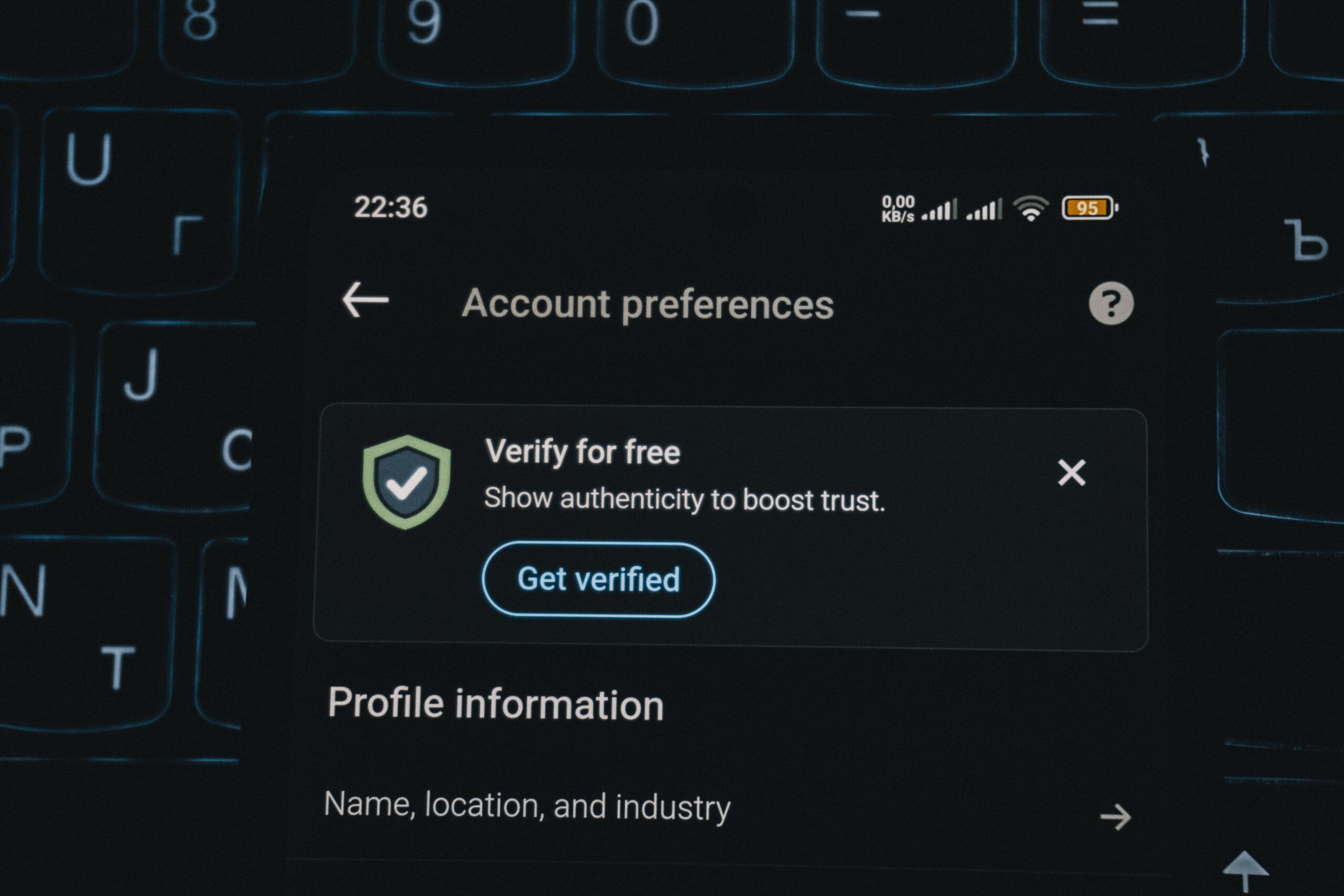

Meta Verified is Meta’s paid subscription that adds identity verification, account support, and profile features to help creators and businesses signal authenticity on Instagram and Facebook. In practice, it is less about “growth hacks” and more about trust, protection, and faster help when something breaks. If you manage partnerships, run campaigns, or build a creator brand, the value comes down to a simple question: will verification and support reduce your risk or improve conversion enough to justify the monthly fee?
Meta Verified: what it includes and what it does not
Meta Verified bundles a few benefits that matter for day to day operations. First, it verifies identity using a government ID, then adds a verified badge on eligible profiles. Second, it offers account support that is typically easier to reach than standard help channels, which can be meaningful if you have a hacked account, a sudden reach drop, or an ad account issue tied to your profile. Third, it may include proactive impersonation monitoring and some profile enhancements depending on region and eligibility. However, it does not guarantee more reach, better algorithmic distribution, or automatic brand deals. It also does not replace good security hygiene, because phishing and SIM swap attacks still work on verified users.
Takeaway: treat Meta Verified as a risk management and trust product, not a performance product. If your goal is purely growth, you will likely get a better return by improving creative, posting cadence, and distribution. If your goal is to reduce downtime and impersonation risk, the subscription can be easier to justify.
Eligibility, requirements, and the sign up flow

Eligibility varies by country, account type, and age, and Meta updates requirements over time. Generally, you need to meet minimum activity and profile completeness standards, and you must verify with a government issued ID that matches the profile name. Some users can subscribe as individuals, while businesses may have different pathways. Because the requirements change, you should confirm the latest rules in Meta’s official help resources before you plan a rollout across a team. For the most reliable reference, start with Meta’s own documentation and policies, since third party summaries can lag behind product changes.
Practical steps before you subscribe:
- Audit your profile name, photo, and bio so they match your ID and brand identity.
- Turn on two factor authentication and store backup codes securely.
- Clean up old email addresses and phone numbers tied to the account.
- Document who has admin access if the account is shared across a team.
If you are managing creators, add one more step: confirm who legally owns the account and who will hold the subscription. That decision affects reimbursement, tax handling, and what happens if the creator leaves an agency or management contract.
Costs and ROI: a simple way to decide if it is worth it
Pricing can vary by market and platform, and Meta may adjust fees. Instead of anchoring on a single number, evaluate Meta Verified using a basic ROI framework tied to your actual risk and revenue. The cleanest approach is to estimate the cost of downtime, the probability of a major incident, and the value of improved trust in conversion moments like link clicks, DMs, and checkout.
Use this quick decision rule:
- If a lockout, hack, or impersonation incident would cost you more than 6 to 12 months of fees, subscription is easier to justify.
- If your income depends on fast response times in DMs, support access can be a meaningful operational upgrade.
- If you rarely monetize and your account is low risk, focus on security basics first.
Example calculation for a creator:
- Average monthly brand income: $4,000
- Estimated revenue lost from a 7 day lockout: $1,000 (missed deliverables, delayed approvals)
- Estimated probability of a serious incident in a year: 15%
- Expected annual loss: $1,000 x 0.15 = $150
- If annual Meta Verified cost is higher than $150, the decision depends on added trust and support value, not just risk.
Example calculation for a brand social team:
- Campaign spend tied to a launch week: $50,000
- Cost of a 48 hour disruption: $8,000 (creative swaps, delays, paid amplification inefficiency)
- Probability of disruption: 10%
- Expected annual loss: $8,000 x 0.10 = $800
Takeaway: quantify the downside first. Then, add a smaller “trust uplift” estimate if you have evidence that the badge improves response rates or conversion.
| Use case | Primary value | When it is worth it | When to skip |
|---|---|---|---|
| Full time creator | Support access, impersonation risk reduction | Income depends on consistent posting and fast brand approvals | Low monetization, low risk, strong existing security |
| Small business owner | Trust signal for DMs and local leads | Sales come from Instagram or Facebook messages | Most sales come from offline or marketplaces |
| Agency managing creators | Operational continuity | Multiple accounts, high impersonation exposure | Creators already have strong protection and low incident history |
| Brand social team | Faster resolution during launches | High stakes launches and paid support needs | Low frequency posting, minimal risk tolerance not required |
How Meta Verified affects influencer marketing decisions
For brands, Meta Verified can be a useful signal during creator vetting, but it should never be the deciding factor. The badge indicates identity verification, not audience quality, not content fit, and not business reliability. Still, it can reduce the chance that you are negotiating with an impersonator, which is a real risk in high demand niches. When you are sourcing creators, pair verification status with performance metrics and fraud checks, then document your decision logic so procurement and legal teams are aligned.
Here is a practical vetting checklist that goes beyond the badge:
- Confirm handle ownership via email domain, management contract, or a short verification call.
- Review recent content consistency: posting frequency, format mix, and brand safety.
- Check audience quality: suspicious spikes, repetitive comments, and geography mismatch.
- Request first party screenshots for reach and impressions on recent posts and Stories.
- Define usage rights and whitelisting terms before pricing is finalized.
If you want a broader view of how to structure your sourcing and evaluation, browse the practical guides on the InfluencerDB Blog and adapt the templates to your niche and budget.
Key marketing terms you should define in every brief
Meta Verified often enters the conversation when brands ask for “proof” and creators ask for “fair pricing.” To keep negotiations clean, define the metrics and deal terms up front. Otherwise, you end up debating outcomes that were never measurable. Below are the core terms to include in your brief and contract, with plain language definitions you can reuse.
- Reach – the number of unique people who saw the content.
- Impressions – total views, including repeat views by the same person.
- Engagement rate – engagements divided by reach or followers, depending on your standard. Pick one and stick to it.
- CPM – cost per 1,000 impressions. Formula: CPM = (Cost / Impressions) x 1,000.
- CPV – cost per view, often used for Reels or video. Formula: CPV = Cost / Views.
- CPA – cost per acquisition, such as a purchase or sign up. Formula: CPA = Cost / Conversions.
- Whitelisting – the brand runs ads through the creator’s handle using ad permissions.
- Usage rights – how the brand can reuse the creator’s content, where, and for how long.
- Exclusivity – limits on working with competitors for a set period and category.
Takeaway: if you do not specify whether engagement rate is based on reach or followers, you will not be able to compare creators fairly. Make the definition part of your standard operating procedure.
| Metric | Formula | What it tells you | Common pitfall |
|---|---|---|---|
| Engagement rate (by reach) | (Likes + Comments + Saves + Shares) / Reach | How compelling the content was to people who actually saw it | Comparing to ER by followers without adjusting |
| CPM | (Cost / Impressions) x 1,000 | Efficiency for awareness style placements | Using impressions when only reach is available |
| CPV | Cost / Video views | Efficiency for video consumption | Mixing 3 second views and full views |
| CPA | Cost / Conversions | Efficiency for performance outcomes | Attribution window not agreed in advance |
Framework: how to use Meta Verified in a creator audit and negotiation
When a creator is Meta Verified, you can streamline identity checks, but you still need a repeatable audit process. A simple framework is: authenticity, audience, assets, and agreement. Start with authenticity: confirm the creator is the real person or business and that the profile is consistent across platforms. Next, evaluate audience: look for stable follower growth, realistic engagement patterns, and audience geography that matches your market. Then, review assets: content quality, brand fit, and whether the creator can deliver the formats you need on time. Finally, lock the agreement: deliverables, timelines, usage rights, whitelisting, exclusivity, and reporting.
Negotiation tips that prevent scope creep:
- Separate creation fee from usage rights. Usage is a licensing conversation, not a bonus.
- If you need whitelisting, specify duration, spend cap, and creative refresh cadence.
- Translate deliverables into measurable outputs: number of Reels, Stories, links, and posting dates.
- Ask for a reporting package: reach, impressions, taps forward or back for Stories, and link clicks.
For official guidance on how Meta products handle verification and account integrity, reference Meta’s help resources, since they reflect current policy language. Start here: Instagram Help Center.
Common mistakes to avoid
Meta Verified can create a false sense of security if you treat it as a shield against every risk. One common mistake is assuming the badge means the audience is real or that engagement is high quality. Another is skipping contract basics because the creator “looks official,” which can backfire when you need usage rights or when a competitor conflict appears. Teams also sometimes reimburse subscriptions without clarifying ownership, which becomes messy if a creator changes managers. Finally, many creators subscribe and then ignore security basics like two factor authentication, unique passwords, and device hygiene.
Quick fix list:
- Keep fraud checks and audience analysis in your workflow, verified or not.
- Put usage rights, whitelisting, and exclusivity in writing every time.
- Document who pays for subscriptions and what happens if the partnership ends.
- Use a password manager and hardware based two factor where possible.
Best practices for creators and brands
For creators, the best use of Meta Verified is to reduce friction in the moments that affect income: account recovery, impersonation takedowns, and trust when a brand is deciding whether to send a contract. Keep your profile consistent across platforms, and pin a post that explains your official contact method to reduce scam outreach. For brands, treat verification as one input in a broader risk model, and build a standard checklist for onboarding creators. Also, align your team on disclosure requirements, because verification does not change the need to label sponsored content clearly.
Two practical best practices you can implement this week:
- Creator intake form: collect legal name, preferred payment method, tax forms, and official email, plus a checkbox for Meta Verified status.
- Measurement one pager: define reach, impressions, engagement rate, attribution window, and reporting deadlines for every campaign.
For disclosure rules, use the FTC’s guidance as your baseline in the US and adapt for local regulations. This is a solid starting point: FTC Disclosures 101 for social media influencers.
Bottom line: when Meta Verified matters most
Meta Verified is most valuable when identity, continuity, and support speed are worth more than the monthly fee. That is why it tends to make sense for full time creators, public facing founders, and brand teams running frequent launches. On the other hand, if your main challenge is weak content performance, the badge will not fix creative strategy, audience fit, or offer quality. Decide based on risk and operations, then measure outcomes like reduced downtime, faster resolution times, and improved inbound deal quality. If those numbers move, keep it. If they do not, invest the budget in content production and smarter distribution instead.