
Musicas Mais Populares do TikTok are not just background audio – they are distribution levers that can raise reach, shape watch time, and even change conversion rates when you pick them with intent. The challenge is that a sound can look huge today and be unusable tomorrow, or it can be big but wrong for your audience. In this guide, you will learn how to find trending TikTok songs, evaluate whether a sound is worth using, and brief creators so the music supports the story instead of swallowing it. Along the way, we will define the key metrics and terms you need to make decisions that hold up in reporting.
Musicas Mais Populares do TikTok: what “popular” actually means
On TikTok, “popular” can mean several different things, and confusing them is how teams chase the wrong sound. First, a track can be popular in raw volume – lots of videos use it – but that does not guarantee incremental reach for your next post. Second, a sound can be popular in velocity – it is growing fast week over week – which often matters more for discovery. Third, a sound can be popular inside a niche community, which is ideal for targeted campaigns even if it never hits the global charts. The practical takeaway is simple: define which kind of popularity you need before you pick a sound.
Use these decision rules to clarify “popular” for your goal:
- Awareness: prioritize velocity and broad adoption, then match your niche.
- Consideration: prioritize niche relevance and completion rate, even if adoption is smaller.
- Conversion: prioritize clarity of message and brand fit over trendiness; a stable sound often wins.
If you want more planning templates for creator-led content, keep a tab open on the InfluencerDB blog hub and cross-check your sound choices against your creative brief.
Where to find trending songs and sounds (without guessing)
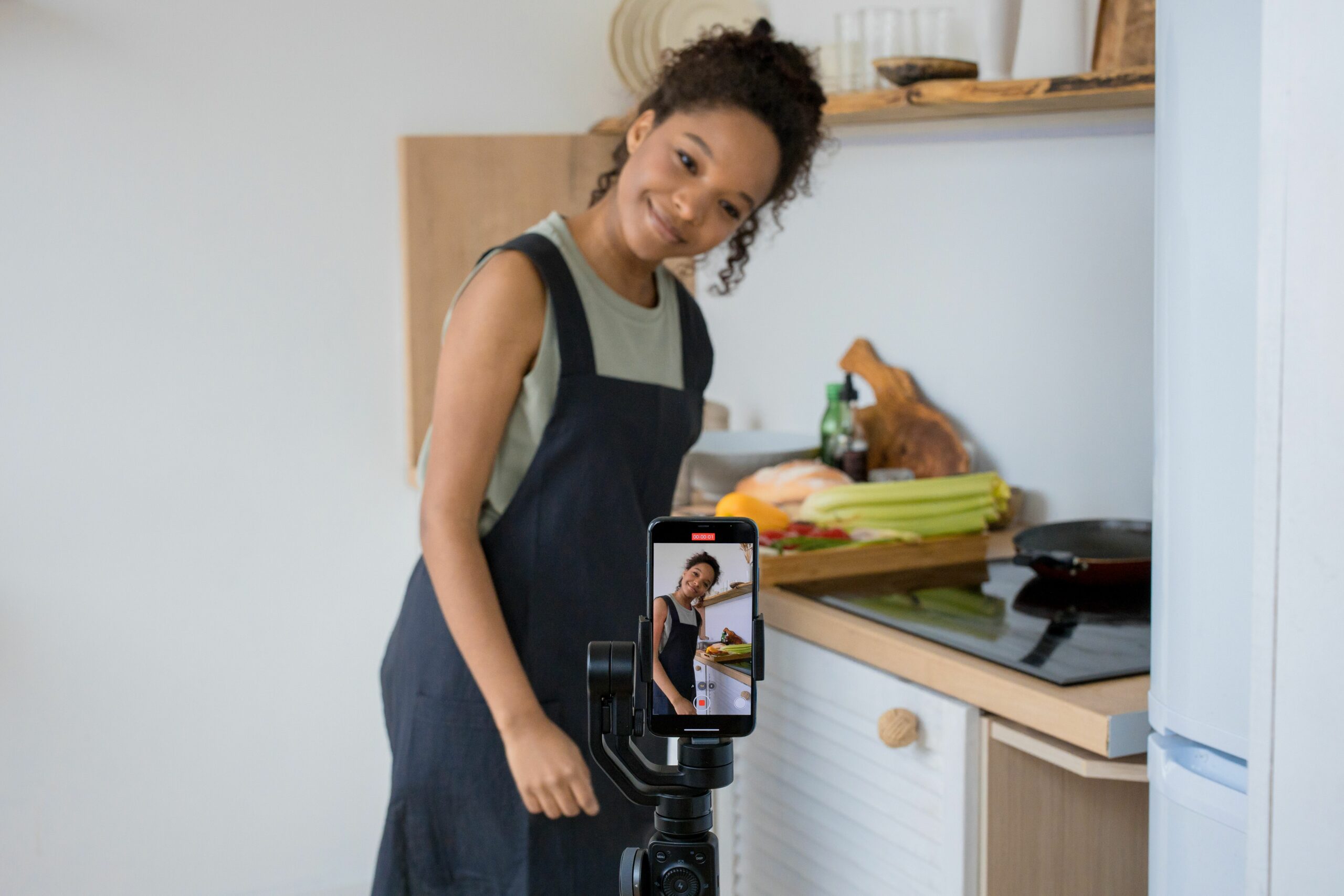
You do not need a “secret list” to find trending audio, but you do need a repeatable workflow. Start inside the app: the “Add sound” screen surfaces what TikTok is currently pushing, and search results often reveal clusters of similar sounds. Next, monitor your niche hashtags and competitor creators for repeated audio patterns. Finally, validate what you see with external trend signals so you are not trapped inside a single feed.
For external validation, use TikTok’s official resources and broad music signals. TikTok publishes trend insights and ad guidance that help you understand what the platform emphasizes. For example, TikTok’s business education resources can help you align creative with platform norms: TikTok Business Learn. Then, sanity-check the song’s broader momentum with a chart signal like Billboard charts. Do not treat charts as a green light by themselves; instead, use them to understand whether the sound has cultural fuel beyond TikTok.
Concrete takeaway – build a weekly “sound scan” in 20 minutes:
- 5 minutes: save 10 sounds from your For You Page that match your niche.
- 5 minutes: check 5 creators your audience follows and note repeated audio.
- 5 minutes: search 3 niche hashtags and record the top 3 sounds per hashtag.
- 5 minutes: pick 3 candidates and run the evaluation framework below.
Define the metrics and terms you will report on
Sound selection becomes easier when your team uses the same language. Here are the key terms you should define in your brief and reporting doc, especially if you work with creators or agencies.
- Reach: unique accounts who saw the video.
- Impressions: total views, including repeat views by the same person.
- Engagement rate: typically (likes + comments + shares + saves) divided by views or reach. Pick one denominator and stick to it.
- CPM (cost per mille): cost per 1,000 impressions. Formula: CPM = (Spend / Impressions) x 1000.
- CPV (cost per view): cost per view. Formula: CPV = Spend / Views.
- CPA (cost per acquisition): cost per conversion. Formula: CPA = Spend / Conversions.
- Whitelisting: the brand runs ads through the creator’s handle (with permission) to leverage the creator’s identity and social proof.
- Usage rights: permission to reuse the creator’s content (and sometimes the audio performance) across channels for a defined period and region.
- Exclusivity: restriction that prevents the creator from working with competitors for a time window.
Practical example calculation: if you pay $1,200 for a creator post that generates 180,000 impressions, your CPM is (1200 / 180000) x 1000 = $6.67. If the same post drives 24 purchases, your CPA is 1200 / 24 = $50. Those numbers help you decide whether chasing a “popular” sound is actually improving efficiency.
A simple framework to predict whether a trending sound will last
Most teams pick audio based on vibes. Instead, score each candidate sound on four factors: velocity, saturation, fit, and flexibility. Velocity tells you whether the sound is rising. Saturation tells you whether the feed is already tired of it. Fit tells you whether your audience will accept it without confusion. Flexibility tells you whether your concept can survive if the sound cools down next week.
Use this checklist and assign a 1 to 5 score for each item:
- Velocity: are new videos using it daily, and are top posts recent?
- Saturation: do the top videos look identical, with the same joke or edit?
- Audience fit: does the sound match your niche tone (humor, seriousness, aspiration)?
- Message clarity: can your hook be understood with the audio on low volume?
- Brand safety: check lyrics, associations, and comment sentiment.
Decision rule: if velocity is high but saturation is also high, you need a strong twist or you will blend in. If velocity is moderate but fit is excellent, that is often a better bet for conversion content.
| Score Area | What to Look For | Green Flag | Red Flag |
|---|---|---|---|
| Velocity | Recent top posts and steady new uploads | Top videos posted in last 7 days | Top videos are 30+ days old |
| Saturation | How repetitive the format has become | Multiple angles and edits performing | Only one template dominates |
| Fit | Audience expectations and niche language | Comments show “this is so us” energy | Confused comments or off-topic jokes |
| Flexibility | Can your concept work with other audio? | Story works even with original sound | Joke depends entirely on the song |
How to brief creators so the song supports the story
Even the right track fails when the creator does not know what the audio is supposed to do. Your brief should specify the role of the sound: is it a hook, a mood bed, a punchline, or a transition cue? Also clarify whether you want the creator to use the original track, a sped-up version, or a voiceover with the sound low. Creators move fast, so give them guardrails that protect the message without killing their style.
Include these brief elements as a minimum:
- Audio intent: “Use this sound to signal the trend, but keep it at 10 to 20 percent volume under voice.”
- Hook requirement: first 1.5 seconds must state the problem or promise.
- On-screen text: include the product name and one benefit.
- CTA: comment prompt or link destination, depending on format.
- Do-not-do list: banned claims, unsafe lyrics, or competitor mentions.
Concrete takeaway – ask for two versions: one with the trending sound and one with original audio. That gives you a backup for whitelisting and helps isolate whether the sound is driving performance or the concept is.
Pricing, usage rights, and whitelisting – what changes when audio is trending
When a sound is hot, creators may charge more because they expect higher reach. Sometimes that premium is justified, but you should separate “trend tax” from real value. The cleanest approach is to price the deliverable and then add line items for usage rights, whitelisting, and exclusivity. That way, you can negotiate each lever independently and avoid overpaying for a single post that you cannot reuse.
Here is a practical structure you can copy into your deal memo:
| Deal Component | What It Covers | Typical Negotiation Lever | Risk if Missing |
|---|---|---|---|
| Base deliverable fee | Creator time, production, posting | Bundle multiple videos for a lower per-post rate | Unclear expectations on revisions |
| Usage rights | Reposting on brand channels, paid usage, duration | Limit to 30 or 90 days, specify regions | You cannot legally reuse high-performing content |
| Whitelisting | Running ads through creator handle | Set an access window and approval process | Ad scaling becomes slow or impossible |
| Exclusivity | No competitor promos for a period | Narrow the category and shorten the term | Creator promotes a competitor next week |
Tip: if you plan to whitelist, ask for a “clean audio” version where the creator’s voice is clear and the music sits lower. It often performs better in ads because the message survives autoplay and low-volume viewing.
Measurement plan: how to tell if the sound helped
To learn from Musicas Mais Populares do TikTok, you need a measurement plan that separates audio impact from creative impact. The easiest method is an A/B approach: same creator, similar concept, two audios. If that is not possible, run a small batch test across multiple creators and track performance by sound cluster. Either way, define success metrics before posting so you do not move the goalposts after a viral spike.
Use a simple reporting grid with these fields:
- Sound name and link
- Video concept (one sentence)
- Creator handle and audience niche
- Views, reach, average watch time, completion rate
- Engagement rate (your chosen formula)
- Clicks, conversions, CPA (if applicable)
Example: you test Sound A (trending) versus Sound B (original). Sound A gets 2x views but the same clicks, while Sound B gets fewer views but 30 percent higher conversion rate. In that case, Sound A is a top-of-funnel lever, and Sound B is a performance lever. The takeaway is to match sounds to funnel stage, not ego metrics.
Common mistakes when chasing popular TikTok songs
Most mistakes come from moving too fast without a filter. One common error is using a trending sound that conflicts with the brand tone, which can trigger negative comments even if reach is high. Another is relying on a sound to carry a weak hook, which usually leads to low completion rates. Teams also forget rights and approvals, then discover they cannot reuse the best-performing video in paid media. Finally, some brands over-index on global trends and ignore niche sounds that would have delivered better relevance.
- Picking audio before you define the video’s first line and on-screen text
- Using lyrics that imply claims you cannot substantiate
- Not checking whether the sound is already saturated in your niche
- Failing to negotiate usage rights and whitelisting up front
For disclosure and ad-related guardrails, align your process with the FTC’s endorsement guidance: FTC endorsements and influencer guidance. That is especially important when creators use trending audio and the post feels “native,” because viewers still deserve clear disclosure.
Best practices: a repeatable playbook for brands and creators
A good sound strategy is boring in the best way: consistent scanning, fast testing, and clear documentation. Start by building a small “sound library” with categories like hype, tutorial, comedic, and emotional. Then, map each category to a content format you already know works, such as product demo, before-and-after, or FAQ. As you test, keep notes on which sounds drive saves and shares versus which drive clicks. Over time, you will stop chasing every trend and start using trends as inputs into a system.
Best-practice checklist you can run every week:
- Save 20 candidate sounds, then shortlist 5 using the velocity, saturation, fit, flexibility score.
- Write 3 hooks per shortlisted sound before you film anything.
- Produce one “trend-forward” version and one “message-forward” version.
- Track results in a single sheet and tag each post by funnel stage.
- When a sound works, document why, then reuse the structure with new audio.
If you want more frameworks for creator briefs, measurement, and campaign planning, browse additional guides in the and build your own internal checklist from the templates that match your workflow.
Quick start: pick the right sound in 10 minutes
When you are under time pressure, you still can make a smart choice. First, pick three candidate sounds: one trending broadly, one trending in your niche, and one stable evergreen track. Next, write the hook and CTA first, then test whether the audio supports or distracts from the message. After that, check basic brand safety: lyrics, associations, and comment sentiment on top posts using the sound. Finally, choose the sound that best matches your objective and has the lowest execution risk.
Concrete takeaway – if you cannot explain in one sentence why the sound helps the viewer understand the video faster, do not use it. Popular audio is a tool, not a strategy. For reference, see Billboard charts.