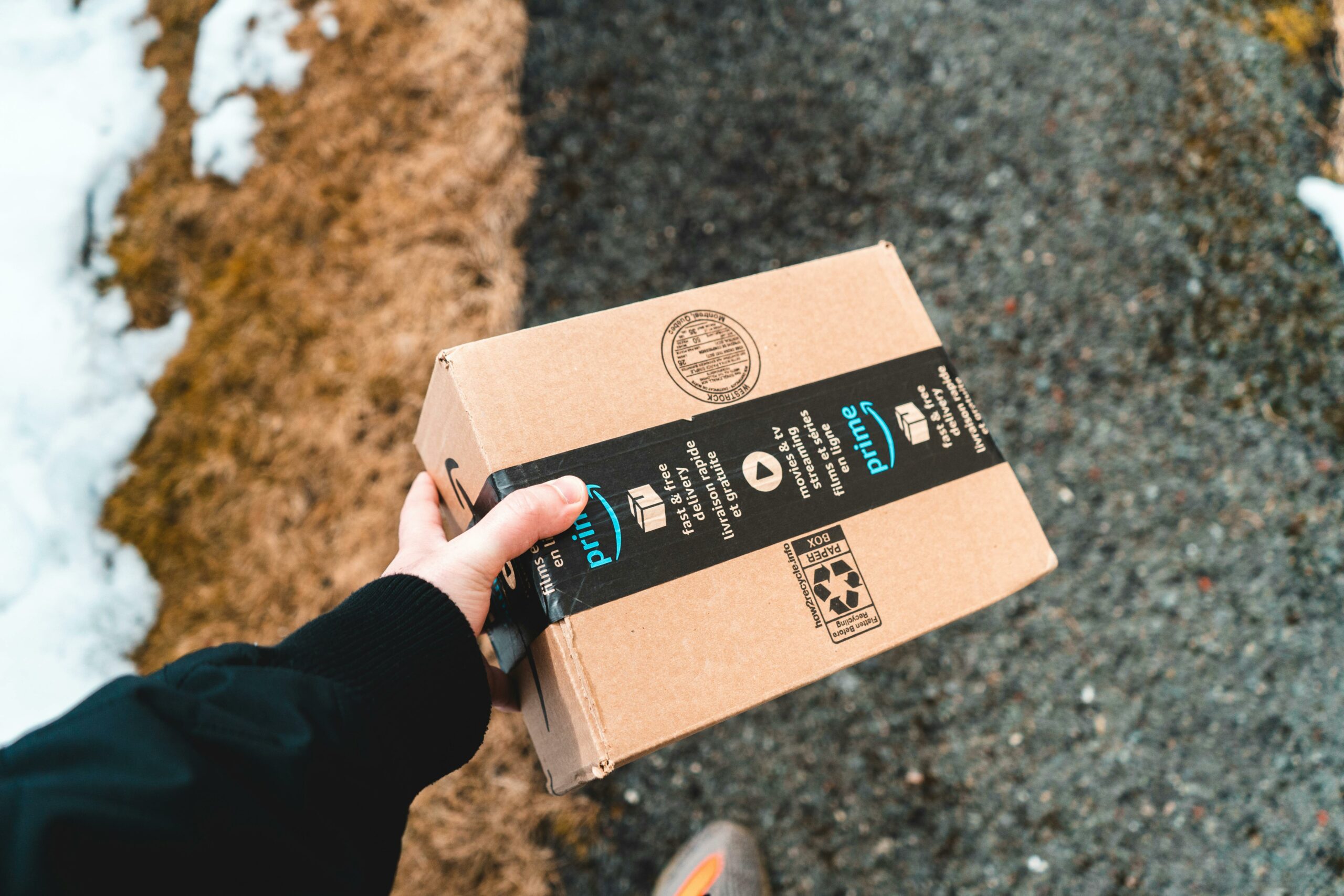

Jeff Bezos lessons apply surprisingly well to influencer marketing because they force you to treat creator spend like a product – measurable, repeatable, and built around the customer. Instead of chasing viral luck, you can design a system that picks the right creators, prices deliverables with discipline, and learns from every post. In practice, that means defining your metrics upfront, writing tighter briefs, and running experiments that compound. The goal is not to copy Amazon, but to borrow the operating principles that made it hard to compete with. Use the frameworks below to turn influencer work into a predictable growth channel.
Jeff Bezos lessons for customer-first influencer strategy
Bezos built Amazon by obsessing over what stays true for customers. For influencer marketing, the equivalent is audience-first planning: what does the creator’s audience want to learn, feel, or do, and how does your product fit that moment? Start by writing a one-sentence customer promise for the campaign, then pressure-test every deliverable against it. If a concept is funny but does not move the audience toward the promise, cut it. Likewise, if a brief is packed with brand talking points but ignores the creator’s format, you are paying for friction.
Concrete takeaway – a 10-minute audience fit check:
- List the top 3 audience problems the creator regularly solves.
- Map your product to one problem with a single benefit statement.
- Pick one content format the creator already wins with (tutorial, review, vlog, GRWM, livestream).
- Define one action you want (email signup, add to cart, app install, store visit).
When you do this consistently, you stop paying for “influence” in the abstract and start buying specific audience outcomes. If you need inspiration for how to structure that promise into a brief, the InfluencerDB Blog guides on briefs and measurement are a useful reference point for templates and examples.
Define the numbers early: CPM, CPV, CPA, engagement rate, reach, impressions

Bezos is famous for making decisions with inputs that can be measured. Influencer marketing becomes easier when you define terms early and use them consistently across creators and platforms. Otherwise, teams argue about “performance” without agreeing on what performance means.
- Impressions – total times content was shown (can include repeat views).
- Reach – unique accounts that saw the content at least once.
- Engagement rate – engagements divided by reach or impressions (you must specify which). A common definition is (likes + comments + shares + saves) / reach.
- CPM – cost per 1,000 impressions. Formula: (Cost / Impressions) x 1000.
- CPV – cost per view (usually video views). Formula: Cost / Views.
- CPA – cost per acquisition (purchase, signup, install). Formula: Cost / Conversions.
- Whitelisting – running paid ads through the creator’s handle (also called creator licensing in some tools).
- Usage rights – permission to reuse creator content on your channels, ads, email, or site for a defined period.
- Exclusivity – creator agrees not to work with competitors for a defined time and category.
Concrete takeaway – pick one primary metric and two supporting metrics: For prospecting, use CPM and reach. For consideration, use CPV and saves or shares. For conversion, use CPA and conversion rate. This prevents “metric soup” and keeps reporting tight.
For platform-specific definitions, cross-check with official documentation. For example, YouTube explains how views and impressions are counted in its help center: YouTube Help.
Build a two-way door experiment loop for creator testing
One of the most useful Bezos ideas is the “two-way door” decision: if a choice is reversible, decide fast, learn, and iterate. Most influencer tests are two-way doors. You can run a small pilot with a creator, measure outcomes, and either scale or stop without damaging the brand. The mistake is treating every partnership like a permanent marriage, which slows you down and raises the stakes.
Concrete takeaway – a simple pilot structure:
- Start with 3 creators in the same niche but different content styles.
- Buy one primary deliverable each (for example, one TikTok or one YouTube integration) plus one story link or pinned comment CTA.
- Hold the offer constant (same landing page, same discount, same CTA).
- Vary one creative angle per creator (problem-first, comparison, routine, myth-busting).
Example calculation: You pay $1,500 for a video that generates 60,000 impressions and 120 purchases. CPM = (1500 / 60000) x 1000 = $25. CPA = 1500 / 120 = $12.50. If your gross margin per order is $30, this is profitable before considering repeat purchase. That is the kind of clear input-output logic that makes scaling rational.
Pricing and negotiation: treat creator spend like an investment memo
Bezos popularized writing narratives instead of slide decks because it forces clarity. Apply that discipline to pricing. Before you negotiate, write a one-page “investment memo” for each creator: audience fit, expected reach, expected CPM or CPA range, risks, and what you will learn even if it underperforms. This keeps negotiations grounded in value, not vibes.
Decision rule: If you cannot explain why a creator is worth the fee in three sentences, you are not ready to buy.
Use benchmarks as guardrails, then adjust for niche, production quality, and rights. The table below is not a universal rate card, but it helps you sanity-check quotes and spot outliers.
| Platform | Follower tier | Typical deliverable | Common pricing range (USD) | What moves price most |
|---|---|---|---|---|
| TikTok | 10k to 50k | 1 video | $250 to $1,000 | Hook strength, editing, niche demand |
| TikTok | 50k to 250k | 1 video | $1,000 to $5,000 | Average views, brand safety, usage rights |
| 10k to 50k | Reel + 3 stories | $400 to $1,800 | Story link clicks, save rate, creative direction | |
| 50k to 250k | Reel + 3 stories | $1,800 to $8,000 | Reel reach consistency, whitelisting | |
| YouTube | 25k to 100k | Dedicated integration | $1,500 to $8,000 | Watch time, evergreen search traffic |
| YouTube | 100k to 500k | Dedicated integration | $8,000 to $35,000 | Category competition, production, exclusivity |
Negotiation checklist:
- Ask for recent performance screenshots by format (reach, average views, story link clicks).
- Separate content fee from rights fee (usage rights, whitelisting, raw files).
- Offer a pilot plus performance bonus instead of overpaying upfront.
- Define exclusivity narrowly (category and time window) to avoid paying for unnecessary restrictions.
Operational excellence: make briefs, approvals, and rights frictionless
Amazon’s advantage was not one big trick, it was operations. Influencer programs break when they rely on heroics: late briefs, unclear claims, slow approvals, missing links, and vague rights. You can fix most of that with a standard operating process and a single source of truth for assets.
Concrete takeaway – a campaign workflow you can copy:
| Phase | Tasks | Owner | Deliverables | Quality bar |
|---|---|---|---|---|
| Planning | Define goal, audience, offer, tracking | Marketing lead | 1-page brief + KPI sheet | Primary metric chosen, terms defined |
| Sourcing | Shortlist creators, check fit, request rates | Influencer manager | Creator scorecards | 3 comparable creators per niche |
| Contracting | Scope, usage rights, exclusivity, disclosure | Legal or ops | Signed agreement | Rights and whitelisting spelled out |
| Production | Creative concept, draft review, claim checks | Creator + brand reviewer | Draft video or script | On-message, creator-native, compliant |
| Launch | Publish, pin CTA, confirm links, capture metrics | Influencer manager | Live URLs + screenshots | Tracking works, timestamps logged |
| Post-campaign | Report, learnings, scale or stop | Analyst | Performance recap | Next test defined within 48 hours |
Rights and disclosure deserve extra attention. If you reuse content in ads, document usage rights duration, placements, and whether raw footage is included. For disclosure, align with the FTC’s endorsement guidance: FTC endorsements and influencer guidance. Put the disclosure requirement in the contract and in the brief so it is not an afterthought.
Measurement that compounds: attribution, incrementality, and reporting
Bezos played long-term games by building feedback loops. Your influencer program should do the same. Start with clean tracking, then layer in better measurement as spend grows. At minimum, use unique links or codes per creator, consistent UTM parameters, and a landing page that matches the creator’s promise. After that, consider holdouts or geo tests for incrementality if you are scaling budgets.
Concrete takeaway – a practical measurement stack:
- Baseline: UTMs + creator-specific discount code + post-level metrics (reach, impressions, views).
- Better: post-purchase survey asking “Where did you hear about us?” with creator names as options.
- Best for scale: lift tests (geo split, time split, or audience holdout) to estimate incremental impact.
Simple reporting formulas you can standardize:
- Effective CPM = Total cost / total impressions x 1000
- Blended CPA = Total cost / total conversions
- Contribution margin per conversion = (AOV x gross margin %) – CPA
To keep reports readable, include one chart or table that ranks creators by the primary metric, then add notes on creative angle and audience comments. Those qualitative signals often explain why the numbers moved.
Common mistakes (and how to avoid them)
Even strong teams repeat the same errors because influencer work sits between brand, performance, and community. Fixing these issues usually delivers faster gains than finding “better” creators.
- Buying followers instead of attention: Ask for average views and reach by format, not just follower count.
- Undefined engagement rate: Specify whether you use reach or impressions in the denominator, then stick to it.
- Overpaying for broad exclusivity: Narrow the category and shorten the window, or pay a clear premium.
- Missing rights language: If you plan to run ads, negotiate whitelisting and usage rights upfront.
- Slow approvals: Set a 48-hour review SLA and pre-approve claim language to avoid launch delays.
Best practices you can implement this week
Bezos valued high standards, but he also valued speed. The best influencer programs combine both by standardizing the boring parts and leaving room for creator originality. If you implement the steps below, you will feel the difference within one campaign cycle.
- Create a creator scorecard: Fit (0 to 5), content quality (0 to 5), consistency (0 to 5), risk (0 to 5), and expected CPM or CPA range.
- Write a one-page narrative brief: Customer promise, key terms, deliverables, do-not-say list, and success metrics.
- Run pilots as two-way doors: 3 creators, one format, one offer, one learning goal.
- Separate fees: Content fee, usage rights fee, whitelisting fee, exclusivity fee. This makes negotiation cleaner.
- Close the loop: Within 48 hours of posting, log results and one learning about hook, CTA, or audience objections.
If you want more tactical templates and reporting examples, keep an eye on the, where we regularly break down creator selection, pricing logic, and measurement workflows.
A simple framework to remember: inputs, mechanisms, outputs
To make Jeff Bezos lessons actionable, summarize your program in three lines. Inputs are what you control: creator selection, offer, brief, rights, and budget. Mechanisms are how it works: the content format, distribution, whitelisting, and landing page experience. Outputs are what you measure: reach, CPM, CPV, CPA, and contribution margin. When performance is weak, diagnose in that order. You will fix the real constraint faster and avoid blaming creators for problems that are actually operational.
Final takeaway: Treat influencer marketing like a product you improve every week. With clear definitions, disciplined pilots, and clean rights and measurement, the channel stops being mysterious and starts being scalable.