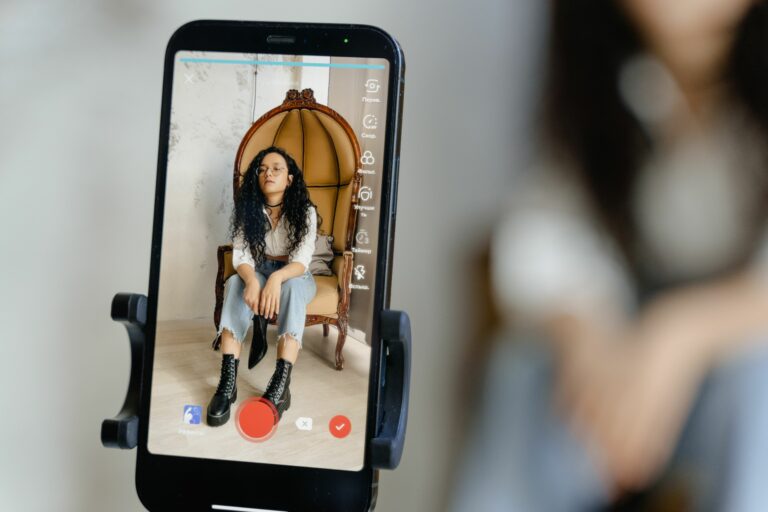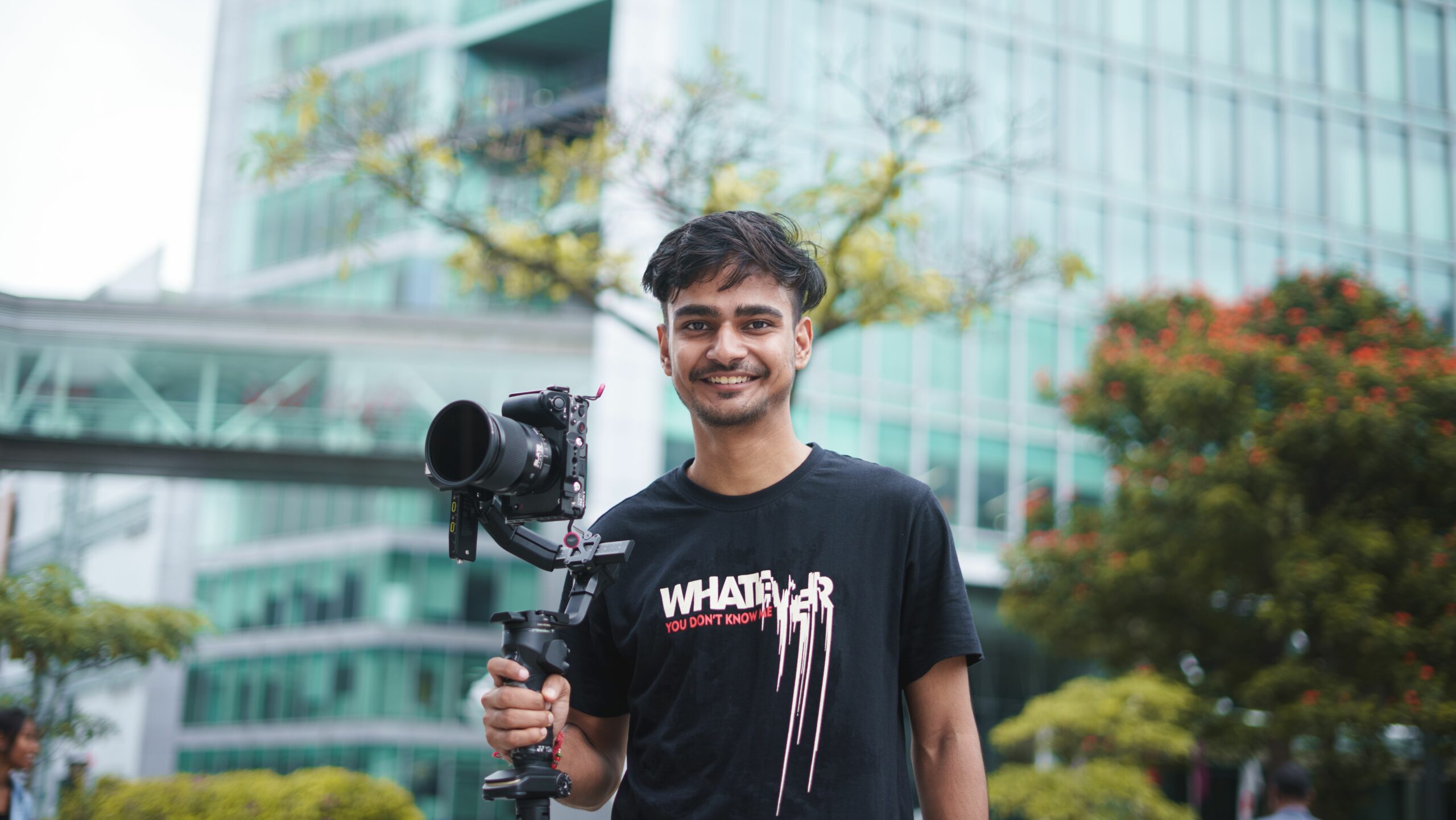

Influencer Generated Content is creator-made media that a brand can publish on its own channels or use in paid ads, often with clearer usage rights than a typical sponsored post. In practice, it sits between classic UGC and influencer marketing: you are buying the creator’s production skill, their on-camera performance, and sometimes their distribution. Because the deliverable is content first, you can test more angles, refresh creative faster, and reduce studio costs. However, the details matter: pricing, whitelisting, exclusivity, and licensing terms can change the economics overnight. This guide breaks down the definitions, decision rules, and a repeatable workflow you can run for your next campaign.
Influencer Generated Content: what it is and when to use it
Influencer Generated Content (often shortened to IGC) is content produced by a creator in their own style for a brand’s use. Unlike a standard influencer post, the core value is the asset itself, not guaranteed reach from the creator’s audience. That said, some deals bundle both: one set of assets for brand usage plus one or more posts on the creator’s account. The cleanest way to decide is to ask a simple question: are you optimizing for creative volume and performance testing, or for social proof and audience exposure? If you need rapid iteration for ads, IGC is usually the better lever. If you need awareness in a specific community, creator distribution matters more.
Takeaway decision rule: Choose IGC when you need 5 to 20 new ad-ready assets per month, want multiple hooks per product, and plan to run paid amplification. Choose classic influencer posts when the creator’s audience is the primary media channel.
Key terms you must define before you sign anything

Most campaign problems come from undefined terms. Before you negotiate, align on the metrics and rights language below so your pricing and performance expectations match reality.
- Reach – the number of unique people who saw the content.
- Impressions – total views, including repeat views by the same person.
- Engagement rate – engagements divided by impressions or reach (state which). A common formula is: (likes + comments + shares + saves) / impressions.
- CPM – cost per thousand impressions. Formula: Spend / (Impressions / 1000).
- CPV – cost per view (often for video). Formula: Spend / Views.
- CPA – cost per acquisition (purchase, lead, signup). Formula: Spend / Conversions.
- Whitelisting – running ads through the creator’s handle (also called branded content ads or creator licensing on some platforms). It can improve performance because the ad appears to come from a person, not a brand.
- Usage rights – what the brand is allowed to do with the content (channels, duration, paid usage, edits, localization).
- Exclusivity – restrictions on the creator working with competitors for a period of time.
Concrete tip: Put the metric definition directly in the contract or SOW. For example, specify “engagement rate calculated on impressions” so reporting does not turn into a debate.
Pricing Influencer Generated Content: benchmarks and a simple rate formula
IGC pricing is less about follower count and more about production complexity, deliverable count, and licensing. A creator with 20,000 followers can still be a top performer if they are a strong on-camera communicator with clean lighting, tight edits, and credible product demos. Start with a base rate per asset, then add line items for paid usage, whitelisting, and exclusivity. This structure keeps negotiations rational because each business lever has a price.
| Deliverable type | Typical scope | Common price range (USD) | Notes |
|---|---|---|---|
| Short-form video (15 to 30s) | 1 concept, 1 hook, captions | $150 to $600 | Higher end if strong editing, voiceover, or product demo |
| Short-form video (30 to 60s) | 1 concept, multiple scenes, CTA | $250 to $1,000 | Often used for paid social testing |
| UGC-style photo set | 5 to 10 edited images | $100 to $500 | Pricing depends on styling and location |
| Scripted testimonial | Talking head + b-roll | $300 to $1,200 | Requires credibility and clear delivery |
| Bundle | 3 videos + 10 photos | $700 to $2,500 | Bundling reduces cost per asset |
To keep your team consistent, use a simple formula to build an offer. Here is one that works well for many brands:
- Base production fee = (hours to produce) x (creator hourly rate)
- Usage fee = base production fee x licensing multiplier
- Total = base production fee + usage fee + add-ons (whitelisting, exclusivity, rush)
Example calculation: A creator estimates 4 hours to produce a 30 to 45 second video and charges $75/hour. Base production fee = 4 x 75 = $300. You want 6 months of paid usage across Meta and TikTok, so you apply a 0.5 multiplier. Usage fee = 300 x 0.5 = $150. Total = $450, plus $100 if you need whitelisting access for 30 days. This breakdown is easier to approve internally and easier to negotiate externally.
If you plan to run ads, align your terms with platform rules for branded content and creator licensing. Meta’s branded content policies are a useful reference point for what is allowed and how disclosures work in ads: Meta branded content ad standards.
Usage rights, whitelisting, and exclusivity: a negotiation checklist
Rights are where IGC deals go sideways. Brands often assume they can use the content anywhere forever, while creators assume the opposite. Solve this by negotiating rights like you would negotiate media: define channels, duration, and whether paid amplification is included. Then price each lever so both sides can make tradeoffs.
- Channels – organic brand social, paid social, website, email, Amazon listing, retail screens.
- Duration – 30 days, 90 days, 6 months, 12 months, perpetual.
- Territory – one country vs global.
- Edits – can you cut, crop, add subtitles, translate, or change the hook?
- Raw files – do you receive project files or only final exports?
- Whitelisting – access method, ad account permissions, and time window.
- Exclusivity – category definition and length (avoid vague “wellness” or “beauty” if you sell a narrow product).
Practical clause tip: If you need broad usage, offer a shorter exclusivity window or a narrower competitor list. Creators are often more flexible when the restriction is specific and time-bound.
Also, do not treat disclosure as optional. If content is sponsored or used in ads, you need proper labeling and a paper trail. The FTC’s endorsement guides are the baseline for the US market: FTC guidance on endorsements and influencers.
A step-by-step workflow to produce IGC that performs
A repeatable workflow is the difference between “random creator content” and a predictable creative engine. The goal is to standardize inputs while leaving room for creator voice. Use the steps below for each batch of creators so your testing is clean and your learnings compound.
- Define the job – pick one primary KPI (CPA, CPM, or CTR) and one secondary KPI (hook rate, thumbstop, or view-through).
- Build a creative hypothesis list – write 10 hooks, 5 objections to address, and 3 proof points (reviews, stats, demos).
- Write a tight brief – include do’s and don’ts, brand safety notes, required claims language, and examples of top-performing ads.
- Cast creators by skill – prioritize on-camera clarity, editing pace, and authenticity, not follower count.
- Approve scripts or outlines fast – 24 to 48 hours keeps momentum and reduces reshoots.
- QC the first drafts – check audio, lighting, claim compliance, and whether the first 2 seconds match the hook.
- Launch structured tests – run 3 to 5 creatives per ad set, hold targeting constant, and rotate hooks.
- Document learnings – tag each asset by hook type, format, and proof point so you can scale what works.
Concrete takeaway: Treat each asset like an experiment. If you cannot describe the hypothesis behind a video in one sentence, you will not know why it won or lost.
For more practical campaign planning and measurement ideas, keep a running playbook and update it as you learn. You can also pull additional frameworks from the InfluencerDB blog resources and adapt them to your IGC workflow.
KPIs and reporting: how to measure IGC beyond likes
Because IGC is often used as ad creative, you should measure it like creative, not like a social post. Start with funnel stage: top-of-funnel assets need strong hook rate and low CPM, while bottom-of-funnel assets need efficient CPA and high conversion rate. Then standardize a reporting template so creators and internal teams are aligned.
| Funnel stage | Primary KPI | Supporting metrics | What to optimize next |
|---|---|---|---|
| Awareness | CPM | 3-second views, thumbstop rate | Hook, first frame, pacing |
| Consideration | CTR | Hold rate, comments sentiment | Proof points, demo clarity, CTA |
| Conversion | CPA | CVR, AOV, landing page view rate | Offer framing, objections, trust signals |
| Retention | Repeat purchase rate | Email signups, subscription starts | Education content, how-to sequences |
Example KPI math: You spend $1,200 promoting three IGC videos and get 60 purchases. CPA = 1200 / 60 = $20. If your gross margin per order is $35, you have room to scale. If margin is $15, you either need a lower CPA or a higher AOV through bundles.
When you report, separate creative performance from creator performance. A creator can deliver great assets that perform well in ads even if their organic post engagement is average. That distinction helps you keep strong production partners in your roster.
Common mistakes that waste budget
Most IGC failures are operational, not creative. Teams rush briefs, skip rights language, or test too many variables at once. As a result, they cannot learn what actually drove performance. Fixing these issues usually improves results without increasing spend.
- Buying perpetual rights by default – it inflates costs and creators push back. Start with 90 days and extend winners.
- No hook strategy – if every video starts the same way, your tests are not real tests.
- Over-scripting – creators sound like ads, which lowers trust. Give structure, not a monologue.
- Testing creative and targeting simultaneously – you lose attribution clarity. Hold one constant.
- Ignoring compliance – missing disclosures or unsupported claims can get ads rejected and create legal risk.
Quick fix: Run a pre-flight checklist before every shoot: claims approved, disclosure guidance included, usage rights defined, and a clear CTA chosen.
Best practices to build a scalable IGC program
Once you have a few winning assets, the next challenge is consistency. The best programs treat creators like a bench of specialists: some are great at demos, others at humor, others at testimonials. You then match creator strengths to the job and build a pipeline that produces fresh variations each week.
- Standardize deliverables – for example, “3 videos: demo, testimonial, objection handling” so you can compare apples to apples.
- Pay for performance insights, not only files – ask creators to include 2 to 3 alternate hooks and a short note on why they chose the angle.
- Use versioning – request one video in two aspect ratios or with two openings so you can test quickly.
- Extend winners – renew usage rights only for top performers and commission sequels that keep the same promise.
- Build a rights library – track expiration dates, channels allowed, and whether paid usage is included.
Operational takeaway: Create a one-page “IGC spec” that includes framing, audio standards, and brand safety rules. When every creator gets the same spec, your editing workload drops and your testing becomes cleaner.
Quick brief template you can copy
Use this as a starting point and customize it per product. Keep it short enough that a creator can read it in five minutes, but specific enough that you avoid reshoots.
- Goal: Reduce CPA on prospecting by testing new hooks.
- Audience: First-time buyers, 25 to 44, problem-aware.
- Key message: One sentence value proposition.
- Proof: 2 claims with sources or approved phrasing.
- Mandatory shots: Product in hand, close-up texture, before/after (if allowed).
- Do not: Mention medical outcomes, show competitor packaging, use copyrighted music.
- Deliverables: 3 videos (20 to 40s), 5 photos, raw files optional.
- Rights: 6 months paid social + organic, US only, editable.
Final tip: Ask for one “wild card” version where the creator pitches the product in their own words. That single asset often becomes the top performer because it feels least manufactured.