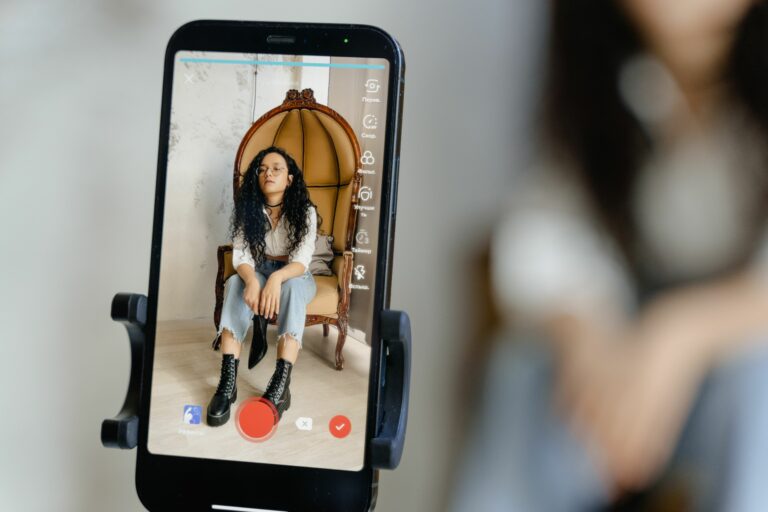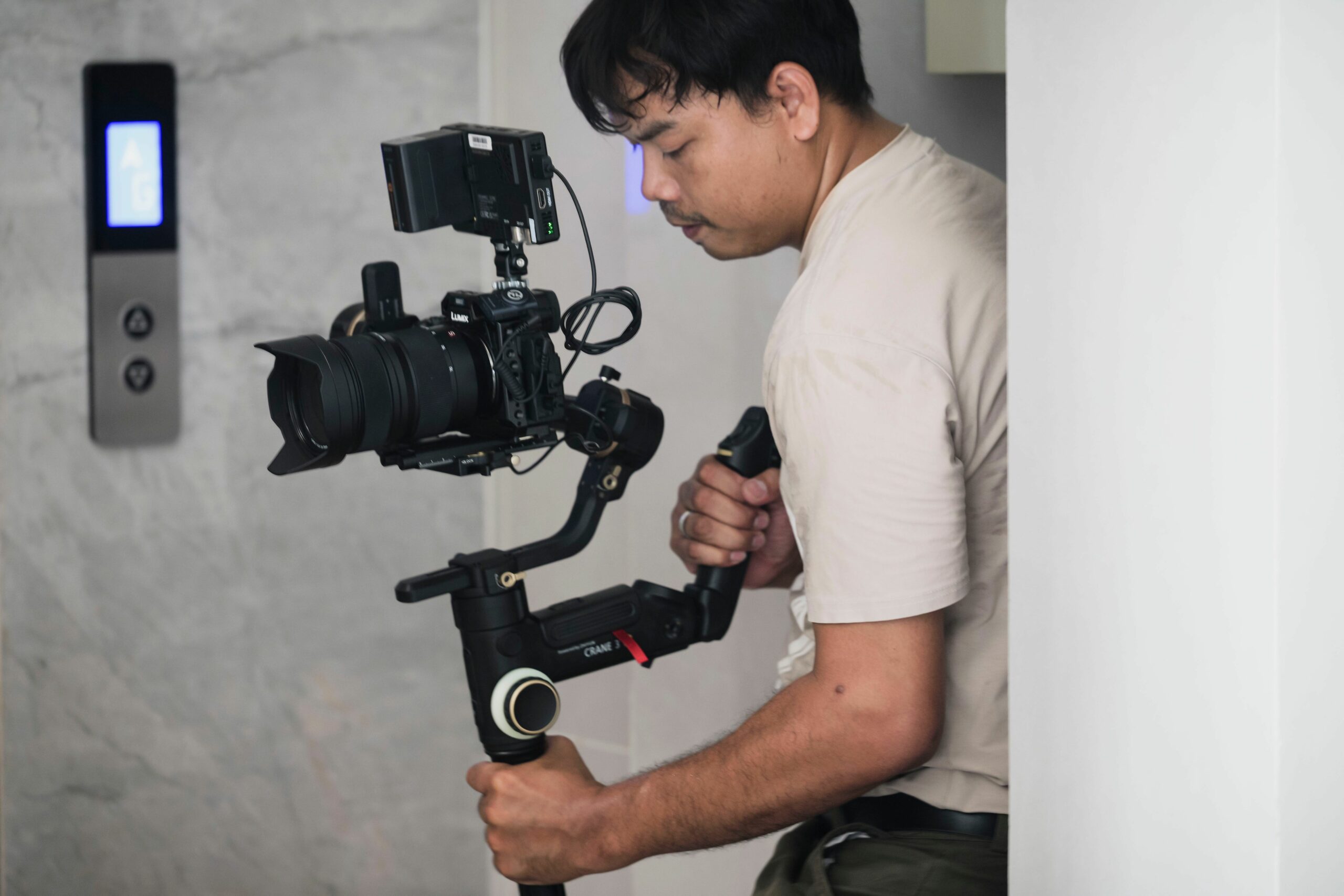

Social media video makers are the creators and editors who turn a product, a message, and a deadline into short videos that people actually watch, share, and buy from. However, hiring the wrong one can burn budget fast, especially when you do not define deliverables, usage rights, and success metrics upfront. This guide breaks down how to evaluate video makers, what to pay, how to write a brief that gets usable footage, and how to measure results without guessing. Along the way, you will get practical checklists, simple formulas, and negotiation rules you can reuse on every campaign.
In influencer marketing, “video maker” can mean a creator who posts to their own audience, a UGC creator who delivers raw or edited assets for your brand channels, or a hybrid who does both. Before you reach out, decide which job you are hiring for, because pricing and terms change dramatically. If you need distribution, you are paying for access to an audience and performance risk. If you need production, you are paying for creative labor and a clean handoff of files.
Start by defining deliverables in plain language. For example: “Three 20 to 35 second vertical videos, hook in first 2 seconds, captions burned in, 9:16, delivered as.mp4 plus project files.” Then specify variants: one version with product name on screen, one version without, and one version with a different opening line. Finally, confirm whether the creator will provide raw footage, because raw clips can be worth more than the edited cut when you want to iterate quickly.
- Takeaway checklist: Define (1) where the video will live, (2) how many edits you need, (3) file formats, (4) deadlines, (5) who supplies music, and (6) whether you need raw footage.
- Decision rule: If your team is strong at editing, buy raw footage plus one “hero” edit. If your team is light on post production, buy fully edited deliverables with clear revision limits.
Key terms you must define early (with quick examples)

Clear definitions prevent the most common disputes: “I thought that was included.” Put these terms in your brief and contract, even for small deals. If you want a fast starting point, keep a shared glossary in your campaign doc and link it in every outreach email.
- Reach: Unique accounts that saw the content at least once.
- Impressions: Total views including repeats. Impressions are usually higher than reach.
- Engagement rate: (Likes + comments + shares + saves) divided by impressions or followers, depending on your standard. Pick one and stick to it.
- CPM: Cost per 1,000 impressions. Formula: CPM = (Cost / Impressions) x 1000.
- CPV: Cost per view. Formula: CPV = Cost / Views.
- CPA: Cost per acquisition (purchase, lead, signup). Formula: CPA = Cost / Conversions.
- Whitelisting: The creator authorizes your brand to run ads through their handle (often called branded content ads). This usually costs extra.
- Usage rights: Where and how long you can use the video (organic, paid, website, email, OOH). More usage and longer terms cost more.
- Exclusivity: The creator agrees not to work with competitors for a period. This is a real opportunity cost and should be paid.
For platform definitions and ad formats, use official documentation when you set specs. For example, YouTube’s help center is a reliable reference for Shorts and video policies: YouTube Help.
Portfolios can be misleading because a beautiful edit does not guarantee performance, and a “messy” video can sell like crazy. To stay objective, score candidates on five categories and require proof for each one. This also makes it easier to explain choices to stakeholders who only want the biggest follower count.
- Hook skill: Do they earn attention in the first 2 seconds with a clear premise, tension, or payoff?
- Clarity: Can a viewer understand the product and benefit with sound off?
- Authenticity fit: Does their on camera style match your brand voice without feeling forced?
- Consistency: Do they post regularly and maintain baseline quality across videos?
- Proof of results: Can they share screenshots of retention, saves, link clicks, or past brand outcomes?
Ask for three specific artifacts: (1) a screenshot of average watch time or retention for two recent videos, (2) a list of top performing hooks they used, and (3) one example of a brand integration that did not tank engagement. If they cannot share performance data, you can still test them, but you should price the first deal as a pilot with limited rights.
If you want more on creator selection and outreach workflows, keep a running playbook in your team wiki and reference the latest guides on the InfluencerDB Blog.
Pricing benchmarks for video makers (UGC vs influencer posts)
Rates vary by niche, production complexity, and whether the creator is posting to their own audience. Still, benchmarks help you spot outliers and negotiate with confidence. Use the tables below as starting ranges, then adjust for usage rights, whitelisting, exclusivity, and rush fees.
| Creator type | Typical deliverable | Common rate range (USD) | Best for |
|---|---|---|---|
| UGC creator (no posting) | 1 edited 15 to 45s vertical video | $150 to $600 | Testing hooks and angles on brand channels |
| UGC creator bundle | 3 edited videos + raw footage | $500 to $1,800 | Creative iteration and paid social scaling |
| Micro influencer (posts) | 1 TikTok or Reel + 3 story frames | $300 to $2,000 | Niche trust and community response |
| Mid tier influencer (posts) | 1 video post + link in bio window | $2,000 to $10,000 | Reach plus credible product demo |
| Top creator (posts) | 1 video post + multi platform cutdowns | $10,000+ | Mass awareness and brand moments |
Next, separate “base production” from “media like” add ons. This makes negotiations cleaner because you can say yes to the core deliverable while adjusting rights and amplification.
| Add on | How it is priced | Typical range | Negotiation tip |
|---|---|---|---|
| Usage rights (organic only) | Flat fee for 3 to 6 months | +$100 to +$500 per asset | Ask for platform limits (brand socials only) to keep it affordable |
| Usage rights (paid ads) | Monthly or term based license | +20% to +100% of base | Start with 30 to 60 days, then renew winners |
| Whitelisting | Monthly access fee | $250 to $2,000 per month | Separate “access” from “creative” so you can pause anytime |
| Exclusivity | Term based premium | +15% to +100% | Narrow the category (direct competitors only) and shorten the term |
| Rush delivery | Flat fee | +$100 to +$500 | Offer a longer timeline in exchange for a discount |
Performance math that keeps you honest (CPM, CPV, CPA)
Once you pay for video, you need a simple way to judge whether it was worth it. Start with the metric that matches your goal. Awareness campaigns should focus on CPM and watch time. Direct response campaigns should focus on CPA and revenue per view. Importantly, do not compare organic influencer CPM directly to paid social CPM without context, because targeting, frequency, and attribution differ.
Here is a simple example. You pay $1,200 for a creator to post one TikTok and you get 120,000 views and 180,000 impressions. Your CPV is $1,200 / 120,000 = $0.01. Your CPM is ($1,200 / 180,000) x 1000 = $6.67. If you also track 60 purchases from that post, your CPA is $1,200 / 60 = $20. Those three numbers tell different stories, so pick the one that matches the objective you agreed on.
When you run ads with creator content, align measurement with platform standards and your analytics stack. For ad and branded content rules, Meta’s official guidance is a solid reference: Meta Business Help Center.
A step by step brief that gets better videos in fewer revisions
A good brief is not long, it is specific. It gives the creator enough constraints to stay on strategy while leaving room for their style. To make that happen, build your brief in seven steps and keep it to two pages plus references.
- Objective and KPI: Pick one primary KPI (CPV, CPA, or qualified leads) and one secondary KPI (saves, click through rate, or watch time).
- Audience: Describe the viewer in one paragraph, including the “why now” moment that triggers purchase.
- Single minded message: One sentence that the viewer should remember.
- Offer and proof: Discount, free trial, guarantee, before and after, or third party validation.
- Creative guardrails: Must say, must show, and must avoid. Include compliance notes if needed.
- Shot list: 6 to 10 shots the editor can build with, including product close ups and a clear demo.
- Delivery and rights: File specs, revision count, usage term, whitelisting, and exclusivity.
To reduce revisions, include two example scripts: one direct response version and one story led version. Also add three hook options the creator can choose from. Finally, confirm the call to action in writing, including the exact URL, code, or landing page.
Negotiation rules for usage rights, whitelisting, and exclusivity
Most pricing tension comes from unclear rights. Creators are increasingly aware that a video can become an ad that runs for months, so they protect that upside. Brands, on the other hand, need predictable terms so they can scale winners. The compromise is to treat rights like a license with a term, a scope, and a renewal.
- Start with a short paid term: 30 to 60 days is often enough to identify winners. Renew only the assets that perform.
- Limit the scope: Define platforms (TikTok ads only, or Meta only), geographies, and placements.
- Separate whitelisting from usage: Whitelisting is account access, usage is where the asset appears. Price them as separate line items.
- Pay for exclusivity only if you need it: If your product is not easily substituted, skip exclusivity and reinvest in more creators.
Put every term in writing, including what happens when the term ends. For example: “Brand must stop paid usage on day 60 unless renewed in writing.” This protects both sides and prevents accidental overuse.
Common mistakes (and how to avoid them)
Even experienced teams repeat the same errors because video production feels fast and informal. Unfortunately, small gaps in process can turn into expensive reshoots or unusable assets. Fix these issues once and your campaigns get easier to scale.
- Mistake: Hiring based on follower count alone. Fix: Require proof of retention and past brand integrations.
- Mistake: Vague deliverables like “one TikTok.” Fix: Specify length, format, captions, and revision limits.
- Mistake: No plan for usage rights. Fix: License paid usage for a short term and renew winners.
- Mistake: Over scripting the creator. Fix: Provide guardrails and hooks, then let them write in their voice.
- Mistake: Measuring only likes. Fix: Track watch time, saves, clicks, and conversions based on the goal.
Best practices to build a repeatable creator video system
Once you find a few strong video makers, the goal is consistency. You want a pipeline that produces new angles every week, while keeping brand risk low. The best teams treat creator video like product development: test, learn, iterate, and document.
- Build a hook library: Save your top 20 openings and tag them by angle (problem, myth, comparison, demo, testimonial).
- Standardize a creative QA checklist: Audio clear, captions accurate, product shown in first 3 seconds, claim support included.
- Use a two phase deal: Pilot for 1 to 2 assets, then scale with bundles and paid usage once performance is proven.
- Rotate creators by role: One creator for demos, one for humor, one for testimonials. This prevents creative fatigue.
If you need to align disclosure language and branded content requirements, the FTC’s endorsement guidance is the safest baseline: FTC Endorsements and Testimonials. Treat compliance as part of the creative checklist, not a last minute legal pass.
A simple campaign workflow you can copy
To make this operational, run creator video in a weekly cadence. First, you plan angles and assign creators. Next, you review scripts quickly, then approve filming. After delivery, you tag assets by hook, angle, and outcome so you can reuse what works. Finally, you hold a short retro to decide what to repeat and what to kill.
| Phase | Tasks | Owner | Deliverable |
|---|---|---|---|
| Plan | Pick 3 angles, define KPI, confirm offer and landing page | Brand marketer | One page brief |
| Source | Shortlist creators, request proof, confirm rates and rights | Influencer manager | Creator roster + terms |
| Create | Approve hooks, review first cut, request changes within scope | Creative lead | Final videos + raw footage |
| Launch | Post or publish, set tracking links, whitelist if needed | Channel owner | Live posts or ad sets |
| Measure | Report CPV, CPM, CPA, retention, and comments themes | Analyst | Performance summary |
| Scale | Renew paid usage for winners, brief new variants, expand bundles | Growth lead | Next sprint plan |
When you run this workflow for four weeks, you end up with a usable dataset: which hooks drive watch time, which creators deliver on time, and which angles convert. That is when hiring social media video makers stops being a gamble and becomes a repeatable system.