

Employee advocacy tips work best when you treat employees like trusted creators, not a distribution channel you can switch on with a memo. The goal is simple – make it easy for people to share authentic stories that help your audience, while giving the business measurable lift in reach, trust, and pipeline. In practice, that means clear guardrails, useful content, and a measurement plan that respects privacy. It also means you need the same discipline you would bring to an influencer program: briefs, usage rights, and performance benchmarks. This guide breaks down a practical framework you can run in 30 days, plus the metrics and templates to keep it sustainable.
Employee advocacy tips: Start with goals, roles, and definitions
Before you recruit a single employee advocate, define what success looks like and align on terms. Otherwise, you will end up with a feed full of random reposts and no way to prove impact. Set one primary goal (brand awareness, hiring, demand gen, or customer trust) and one secondary goal, then map each to a metric you can track. Next, assign roles: a program owner, a content editor, legal or compliance reviewer, and a small pilot group of advocates. Finally, agree on definitions so reporting does not turn into debates.
Here are the key terms to lock down early, with plain-English definitions you can reuse in your internal doc:
- Reach – the number of unique people who saw a post.
- Impressions – total views, including repeat views by the same person.
- Engagement rate – engagements divided by impressions (or reach) times 100. Formula: ER = (likes + comments + shares + saves) / impressions x 100.
- CPM (cost per mille) – cost per 1,000 impressions. Formula: CPM = spend / impressions x 1000.
- CPV (cost per view) – cost per video view. Formula: CPV = spend / views.
- CPA (cost per acquisition) – cost per conversion (lead, signup, purchase). Formula: CPA = spend / acquisitions.
- Whitelisting – running paid ads through an individual profile handle (common in influencer marketing). In employee advocacy, this can apply if you boost posts from employee accounts, but it requires explicit consent and platform permissions.
- Usage rights – permission to reuse employee-created content in brand channels, ads, or sales collateral, for a defined time and scope.
- Exclusivity – an agreement that the advocate will not promote competing employers or products for a period. This is sensitive with employees and should be narrow if used at all.
Concrete takeaway: write a one-page program charter with two goals, four metrics, and the definitions above. Keep it in a shared doc so every stakeholder uses the same language.
Build a program employees want to join – not a posting quota
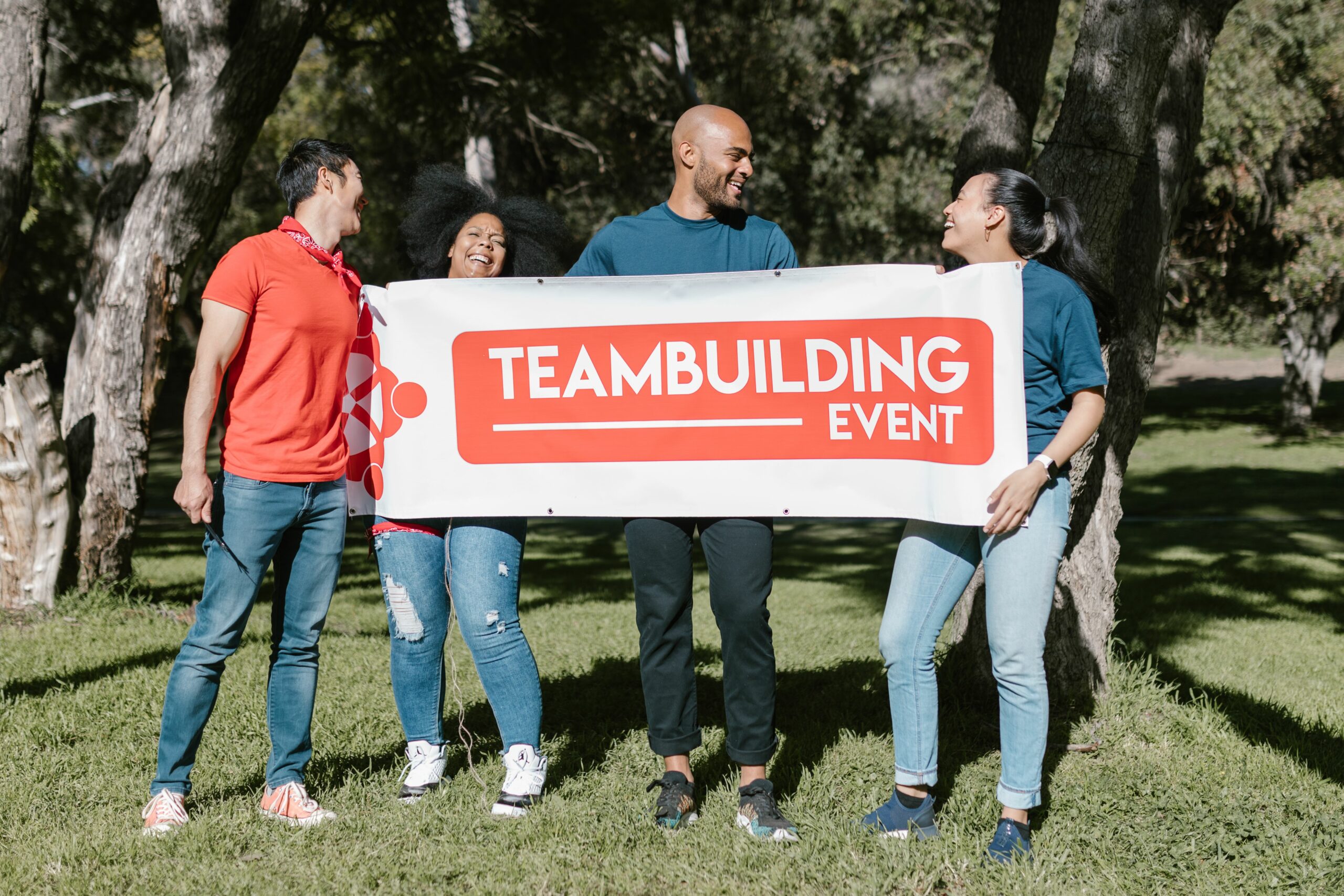
Employee advocacy fails when it feels like unpaid marketing labor. To avoid that, design the program around personal benefit and autonomy. Employees should gain professional visibility, a stronger network, and content they are proud to attach their name to. Start with a voluntary pilot of 10 to 25 people across functions, seniority levels, and regions. Then, interview them for what topics they already talk about and what formats feel natural.
Use these decision rules to shape the program:
- Opt-in only – no manager pressure, no performance review tie-in.
- Voice first – provide prompts and assets, but allow rewrites so posts sound human.
- Time budget – set an expectation like 15 minutes per week, not “post daily.”
- Recognition – spotlight great posts internally, and consider small perks like conference tickets or training budgets.
To keep quality high, create three content lanes: (1) expertise posts (how-to, lessons learned), (2) behind-the-scenes (culture, craft, process), and (3) customer value (use cases, outcomes, product education). This structure gives employees freedom while preventing the feed from becoming a stream of press releases. For inspiration on how creator-style storytelling performs, browse the InfluencerDB blog guides on creator strategy and adapt the formats to employee voices.
Concrete takeaway: launch with a pilot, three content lanes, and a weekly time budget. If you cannot describe the benefit to the employee in one sentence, the program is not ready.
Content system: prompts, assets, and a lightweight approval flow
A sustainable advocacy program runs on a simple content system. You need a steady supply of prompts, a small library of approved assets, and a review process that protects the company without killing speed. Start by building a monthly theme calendar tied to your business priorities: product releases, events, hiring pushes, or research reports. Then, for each theme, create 5 to 10 prompts that employees can personalize.
Prompts that work well are specific and experience-based. For example: “A mistake I made when launching X and how I fixed it,” “Three questions customers ask me about Y,” or “What surprised me after joining the team.” Avoid prompts that force a sales pitch. If you want conversion, use soft calls to action like “If you are curious, I can share the checklist we use.”
Next, build an asset kit that reduces friction:
- 3 to 5 brand-safe images per theme
- short product clips (10 to 20 seconds)
- logo and color guidance for simple visuals
- link list with UTM-tagged URLs
- disclosure language examples
Finally, set an approval flow based on risk. Low-risk posts (career lessons, general expertise) should not require pre-approval. Medium-risk posts (product claims, customer stories) can use a quick Slack review. High-risk posts (financial claims, regulated industries, legal topics) should go through formal review. For social platform rules and ad disclosures, keep a reference link to official guidance like the FTC endorsements and testimonials guidance so employees understand what “clear and conspicuous” means.
Concrete takeaway: create a three-tier approval model and publish it. Speed comes from clarity, not from skipping review entirely.
Measurement that leadership trusts: KPIs, formulas, and a reporting cadence
Employee advocacy is often judged unfairly because teams report vanity metrics without context. Instead, build a measurement stack that connects activity to outcomes. Start with three layers: (1) distribution metrics, (2) engagement and trust signals, and (3) business impact. Then, report on a consistent cadence, typically monthly for performance and quarterly for strategy.
Use this KPI set as a baseline:
| KPI | What it tells you | How to calculate | Good for |
|---|---|---|---|
| Active advocates | Program health and adoption | # people who posted at least 1 time in period | Capacity planning |
| Advocate reach | Unique audience exposure | Sum of reach across posts (avoid double counting if possible) | Awareness |
| Engagement rate | Content resonance | (engagements / impressions) x 100 | Creative iteration |
| Click-through rate | Traffic intent | (clicks / impressions) x 100 | Demand gen |
| Lead rate | Down-funnel efficiency | leads / clicks | Landing page quality |
| Pipeline influenced | Commercial impact | CRM attribution model dependent | Executive reporting |
To translate results into a language finance teams understand, estimate “equivalent media value” carefully, using CPM as a reference rather than hype. Example: if your advocates generated 250,000 impressions in a month and your paid social CPM benchmark is $18, the equivalent paid value is 250,000 / 1,000 x 18 = $4,500. This is not revenue, but it is a useful comparison for budget conversations.
When you track links, use UTMs so you can separate employee advocacy traffic from other sources. If you use Google Analytics, follow the official UTM guidance from Google Analytics Campaign URL Builder documentation to keep naming consistent across teams.
Concrete takeaway: report one page per month with active advocates, total reach, engagement rate, clicks, and one business metric. Consistency beats complexity.
Governance: disclosure, usage rights, whitelisting, and exclusivity
Governance is where employee advocacy differs from casual social posting. You need clear rules that protect both the company and the employee. Start with disclosure: if employees are promoting their employer, the relationship is material, so disclosures should be clear. A simple “I work at X” in the bio helps, but it does not replace post-level clarity when a post is promotional or includes a call to action.
Next, define usage rights in writing. If the company wants to repost an employee’s content on brand channels, include it in the program terms with scope and duration. For example: “The company may repost employee advocacy content on owned social channels for 12 months with attribution.” If you want to use content in paid ads, ask separately. Paid usage changes the risk profile and the employee’s expectations.
Whitelisting can be powerful, but it is not a default. If you plan to boost an employee post, get explicit opt-in, explain how targeting works, and define the time window. Also, provide an easy off switch. Employees should not feel trapped in an ad they no longer endorse.
Exclusivity is usually unnecessary for employees and can backfire. If you must restrict competitor promotion, keep it narrow and tied to conflicts of interest rather than broad social rules. In regulated industries, add a compliance checklist that covers claims, testimonials, and confidentiality.
Concrete takeaway: publish a plain-language policy that covers disclosures, repost permissions, paid usage, and confidentiality. Make it easy to understand in five minutes.
30-day rollout plan with a checklist table
A tight rollout builds momentum and prevents the program from stalling after an enthusiastic kickoff. The key is to ship a minimum viable program, learn from the pilot, and then scale. Below is a 30-day plan you can copy into a project tracker. Keep owners named, deadlines real, and deliverables concrete.
| Week | Phase | Tasks | Owner | Deliverables |
|---|---|---|---|---|
| 1 | Setup | Define goals and KPIs, draft policy, recruit pilot group | Program lead | 1-page charter, pilot list, policy draft |
| 2 | Content kit | Create themes, write prompts, build asset folder, create UTM naming rules | Content editor | Prompt bank, asset kit, tracking sheet |
| 3 | Enablement | Run a training session, review examples, set approval tiers, publish FAQs | Program lead + Legal | Training deck, approval workflow, FAQ page |
| 4 | Launch and learn | Advocates post, collect feedback, compile performance report, iterate prompts | Analytics owner | Monthly report, lessons learned, next-month plan |
To keep the program from feeling like homework, schedule one optional “office hours” session per week. That is where employees can workshop drafts, ask compliance questions, or get help turning a rough idea into a strong post. Over time, this becomes your quality engine.
Concrete takeaway: treat the first month as a pilot with a real report at the end. If you cannot measure it, you cannot improve it.
Common mistakes that quietly kill employee advocacy
Most employee advocacy programs do not fail loudly. They fade because the work is unclear, the content is bland, or the incentives are misaligned. The fastest way to improve is to audit your program against the mistakes below and fix the top two within a week.
- Turning it into a repost machine – employees share the same corporate post, audiences ignore it, and employees feel awkward.
- Over-approving everything – long review cycles kill spontaneity and reduce participation.
- Measuring only likes – you miss reach, clicks, and downstream outcomes that matter.
- No content training – employees want to help but do not know how to write a strong hook or structure a story.
- Ignoring privacy and boundaries – employees should never be pressured to share personal details, family photos, or political opinions.
- Using vague CTAs – “Learn more” without a clear link or next step wastes attention.
Concrete takeaway: run a monthly “friction review” with your pilot group. Ask what slowed them down, what felt risky, and what made posting easier.
Best practices: make it creator-grade, then scale
The best employee advocacy looks like creator content because it is built on lived experience. It has a point of view, a clear takeaway, and a human voice. To get there, invest in enablement and editorial support. A short training on hooks, structure, and comment engagement can lift results quickly. For example, teach a simple post template: hook in the first line, context in two lines, three bullets of value, then a question to invite comments.
Use these best practices to scale without losing authenticity:
- Editorial office hours – help employees polish drafts without rewriting their voice.
- Comment strategy – encourage advocates to reply to comments within 24 hours to extend reach.
- Topic ownership – assign “beats” (security, design, customer success) so expertise is consistent.
- Repurpose smartly – turn a strong employee post into a blog snippet, a newsletter section, or a sales enablement slide with permission.
- Benchmark and iterate – compare engagement rate and click-through across themes, then double down on what works.
If you want to borrow proven tactics from influencer programs, apply the same discipline to briefs and creative testing. The difference is that your “creators” already know the product and culture, so the content can be deeper. For more frameworks on briefs, measurement, and creator-style storytelling, keep a running reading list from the and share the most relevant posts with your advocates each month.
Concrete takeaway: scale only after you can explain which themes drive reach, which drive clicks, and what support employees need to keep posting.