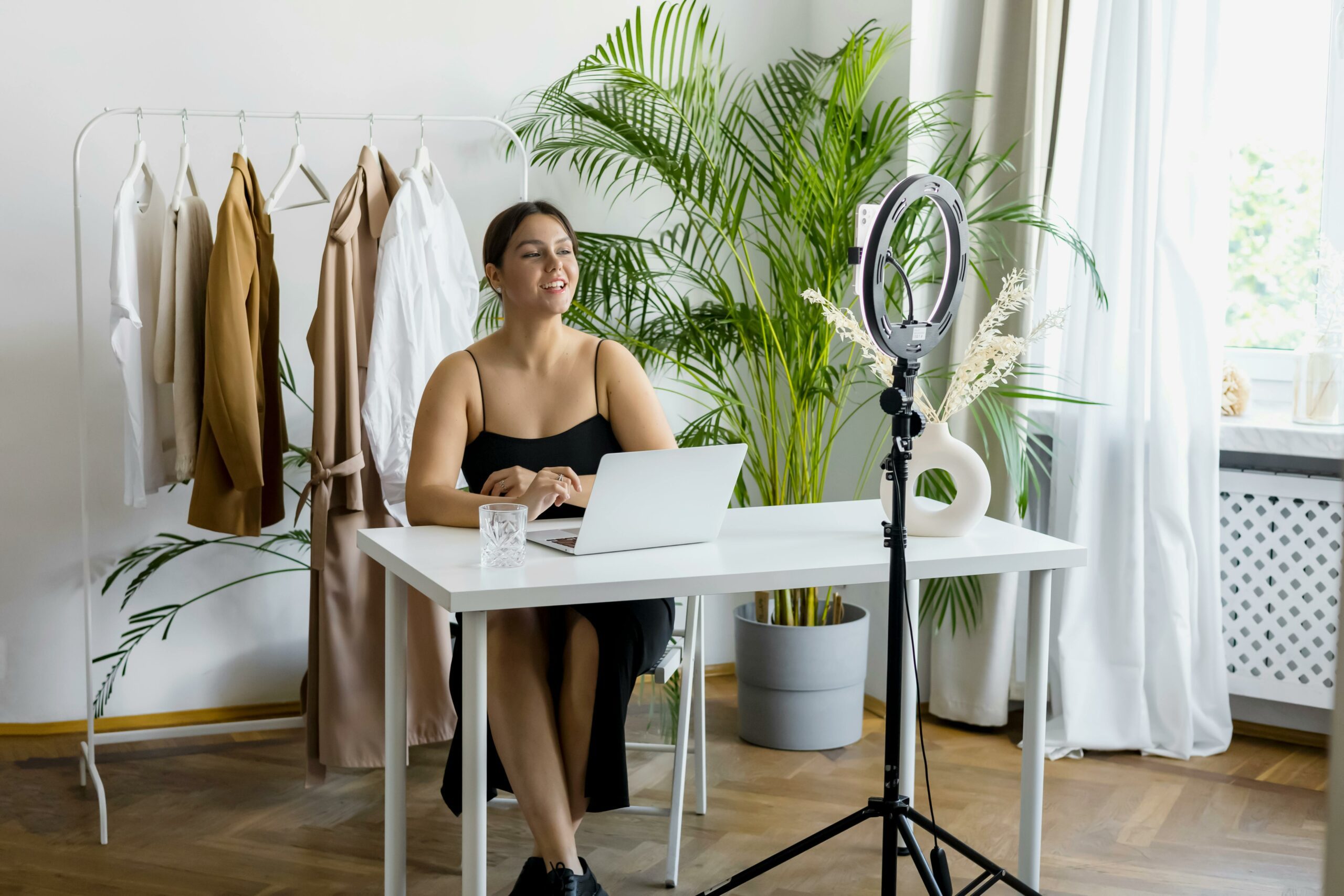

Promote Your YouTube Channel with a system, not random uploads: tighten your niche, package videos for clicks, and use analytics to repeat what works. This guide turns the classic French promise of “astuces” into a practical, measurable playbook you can run weekly. You will learn how to pick topics that earn search traffic, improve your click through rate, and convert viewers into subscribers. You will also get simple formulas for CPM, CPV, CPA, engagement rate, reach, and impressions, plus examples you can copy. Finally, you will leave with checklists, tables, and a 30 day plan you can actually follow.
Start with a clear channel strategy before you promote
Promotion works best when your channel has a sharp promise – who it is for, what problem you solve, and what format you deliver. If you try to grow with mixed topics, YouTube struggles to understand your audience, and viewers do not know why to subscribe. First, write a one sentence positioning statement: “I help [audience] achieve [outcome] using [format].” Next, define three content pillars that fit that statement, such as tutorials, reviews, and case studies. Then, decide your primary success metric for the next 60 days: views from Browse, views from Search, or subscribers per video. A concrete takeaway: if you cannot explain your channel in 10 seconds, fix that before spending time on promotion.
It also helps to define key terms early so you can evaluate growth like a marketer. Reach is the number of unique people who saw your content, while impressions are the number of times your thumbnail was shown. Engagement rate is typically (likes + comments + shares) divided by views, expressed as a percentage. CPM means cost per thousand impressions, CPV is cost per view, and CPA is cost per acquisition, such as a subscriber or email signup. Whitelisting is when a brand runs ads through a creator’s handle, and usage rights define how long and where content can be reused. Exclusivity means you agree not to work with competing brands for a period. Even if you are not selling sponsorships yet, knowing these terms helps you price your value and avoid bad deals later.
Promote Your YouTube Channel with “packaging” that earns the click
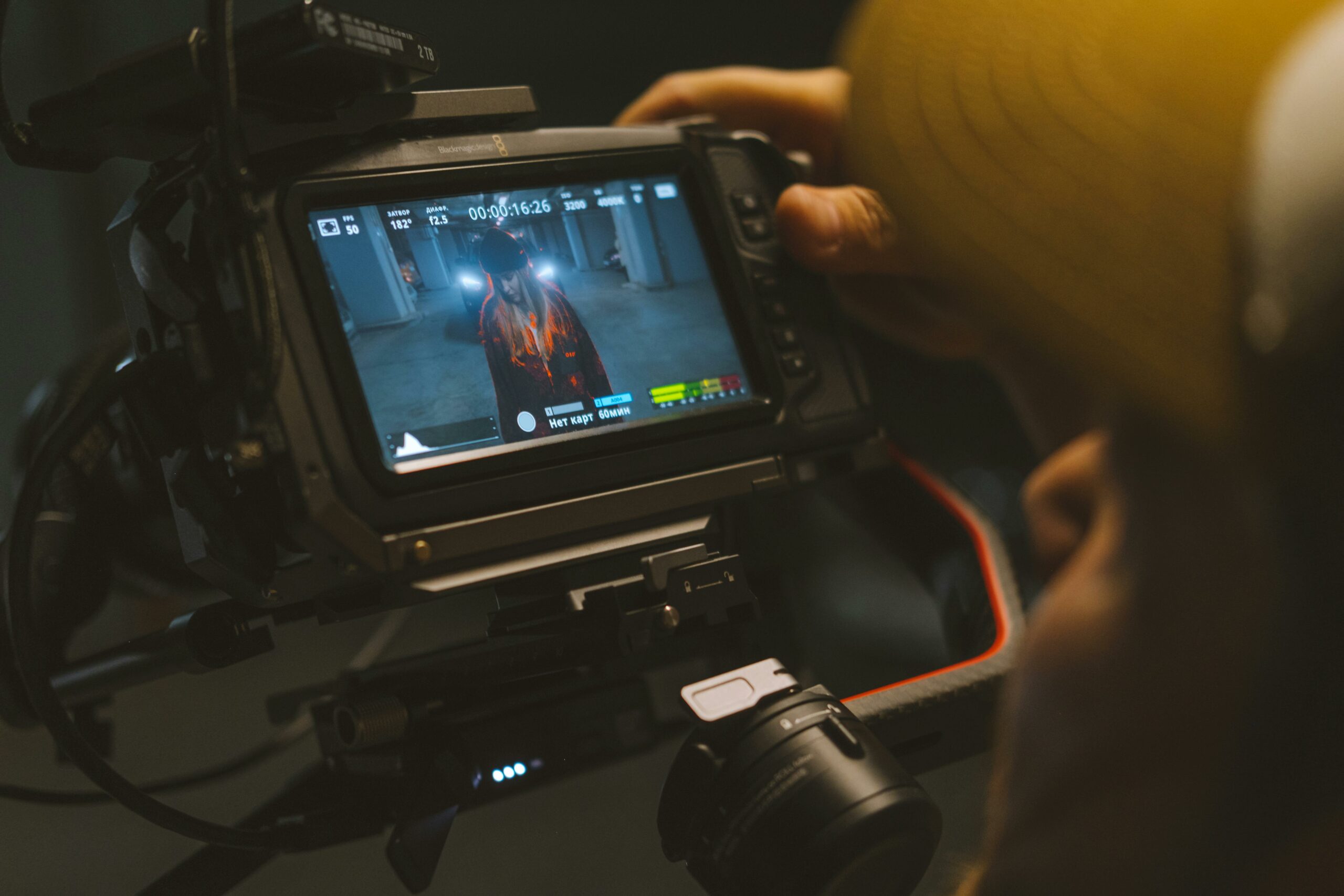
YouTube promotion is often won or lost before anyone watches a second of your video. Packaging means your title, thumbnail, and first 30 seconds working together to earn the click and keep attention. Start by auditing your last 10 uploads: list each video’s topic, thumbnail concept, title angle, and click through rate (CTR). If CTR is low, you likely have a mismatch between topic demand and packaging clarity. If CTR is strong but retention drops fast, your intro is not delivering on the promise. A practical rule: change one variable at a time – thumbnail first, then title – and give it 48 to 72 hours to see directionally if impressions and CTR improve.
Write titles that make a specific claim and signal the viewer outcome. Instead of “My Editing Setup,” try “Edit Faster on a Budget – My 3 Tool Workflow.” For thumbnails, aim for one idea, two to four words max, and a clear subject. Avoid tiny text and cluttered screenshots. Also, make your first 15 seconds ruthless: state the result, show a quick preview, then explain the steps. If you need inspiration for testing discipline, build a simple log and treat it like an experiment. For more practical growth analysis and content testing ideas, browse the InfluencerDB Blog on creator growth and measurement and adapt the frameworks to your niche.
Win search traffic with YouTube SEO and topic selection
Search is the most reliable promotion channel for smaller creators because it does not require an existing audience. YouTube SEO starts with picking topics that people already look for, then matching the language they use. Use YouTube autocomplete, “People also watched,” and Google results to collect keyword phrases. Next, choose one primary phrase per video and build your title around it while keeping the promise interesting. Put the key phrase naturally in the first two lines of your description, and add related phrases in chapters and captions. A concrete takeaway: if you cannot find at least five related queries for a topic, it may be too vague to rank.
Optimize for “viewer satisfaction,” not just keywords. Your goal is to answer the query quickly and completely, because YouTube measures whether viewers keep watching and whether they continue watching other videos after yours. That means you should include a short outline early, add chapters, and show proof or examples. You can also use end screens to push viewers to the next most relevant video, which improves session time. For official guidance on how YouTube recommends content, read YouTube’s recommendations system overview and translate it into your own retention and sequencing plan.
Use Shorts, Community, and playlists to multiply distribution
Shorts can be a powerful top of funnel, but only if you connect them to long form content. Start by turning each long video into two to four Shorts that highlight a single tip, a before and after, or a surprising result. Then, pin a comment that points to the full video and add the long video link in the description. In addition, use the Community tab to run simple polls that help you pick the next topic, because that creates early engagement signals. Playlists also matter when they are designed like a course: “Start Here,” “Beginner,” and “Advanced,” rather than dumping everything into one list. A concrete takeaway: every upload should have a next step – a playlist, a related video, or a clear subscribe reason.
Do not ignore distribution outside YouTube, but keep it focused. Post your video to one or two platforms where your audience already hangs out, and tailor the hook to that platform. For example, on LinkedIn you can post a short text summary with a single insight and link the video in the first comment. On Reddit, share only when you can add value and follow community rules. The goal is not to spam links, it is to earn trust and send qualified viewers who will actually watch. If you want a structured approach, create a repeatable “launch checklist” that you run for every upload.
Collaborations and influencer tactics that actually grow subscribers
Collaborations promote your channel faster when you treat them like audience matching, not networking. Start by listing 20 channels in your niche that are one to five times your size. Then, score them on audience overlap, content format similarity, and collaboration ease. A simple decision rule: if you cannot name the exact viewer who would watch both channels, the collab will underperform. Good collab formats include “swap videos,” “guest segment,” “challenge with a shared result,” and “react with expert commentary.” Make the call to action specific: “If you liked this workflow, watch my full breakdown on X” works better than “subscribe.”
If you are working with brands or planning sponsored content, understand the economics so you can negotiate and measure outcomes. CPM is calculated as: CPM = (Cost / Impressions) x 1000. CPV is: CPV = Cost / Views. CPA is: CPA = Cost / Conversions. Example: you spend $200 boosting a video and get 40,000 impressions, 2,000 views, and 50 email signups. CPM = (200/40000) x 1000 = $5. CPV = 200/2000 = $0.10. CPA = 200/50 = $4. These numbers help you decide whether to keep promoting that video, change the targeting, or improve the hook.
Track the right metrics and run a weekly improvement loop
Analytics is where promotion becomes predictable. Each week, review your last 28 days and answer three questions: what got more impressions, what earned higher CTR, and what held attention longer. Focus on traffic sources: Browse and Suggested usually indicate strong packaging and audience match, while Search indicates strong topic demand and SEO. Watch time and average view duration tell you whether your structure works. Also track returning viewers, because that signals you are building a habit, not just getting one off clicks. A concrete takeaway: pick one metric to improve per week, and choose one change that directly affects it.
| Metric | What it tells you | What to do if it is low | Quick target (starting point) |
|---|---|---|---|
| Impressions | How often YouTube shows your thumbnail | Improve topic demand, consistency, and viewer satisfaction | Upward trend week over week |
| CTR | How well title and thumbnail earn clicks | Test new thumbnail concept, tighten title promise | 4% to 10% depending on niche |
| Average view duration | How long viewers stay | Shorten intro, add structure, remove filler | 35% to 55% of video length |
| Subscribers per 1,000 views | How well you convert viewers into subscribers | Clarify subscribe reason, add series, improve end screens | 2 to 10 per 1,000 views |
To make this operational, run a weekly loop: (1) pick your best performing video, (2) identify why it worked, (3) replicate the pattern in a new topic, (4) run one packaging test on an older video, and (5) publish one Community post to warm up your audience. Document your hypotheses so you do not repeat the same mistakes. If you want a simple way to prioritize, focus on videos that already get impressions but have weak CTR, because that is often the fastest win. In contrast, videos with strong CTR but low impressions need better topics or stronger viewer satisfaction signals.
Campaign checklist: a repeatable launch process for every upload
Creators who grow steadily do not “promote” in a panic after publishing. They plan distribution as part of production. Build a lightweight campaign plan that starts before you hit upload and ends a week later. This makes your work easier, because you stop reinventing the wheel every time. Use the checklist below as a template and assign yourself deadlines. A concrete takeaway: schedule your first 24 hours of actions before the video goes live.
| Phase | Tasks | Owner | Deliverable |
|---|---|---|---|
| Pre production | Pick keyword topic, define viewer outcome, outline chapters | You | One page outline |
| Production | Record strong hook, capture thumbnail photo, note Short clips | You | Raw footage + clip timestamps |
| Upload day | Finalize title, thumbnail, description, end screens, pinned comment | You | Published video |
| First 24 hours | Reply to comments, post Community poll, share one platform teaser | You | Engagement + one external post |
| Days 2 to 7 | Publish 2 Shorts, test alternate thumbnail, add to course playlist | You | Shorts + updated packaging |
Common mistakes that stop channel promotion from working
One common mistake is chasing every trend without connecting it to your channel promise. Trend traffic often bounces, which teaches YouTube that your videos do not satisfy viewers. Another mistake is changing titles and thumbnails every few hours, which prevents you from learning what actually improved performance. Many creators also overproduce the video but underinvest in packaging, even though the thumbnail and title decide whether anyone watches. Finally, creators forget to build series, so each video feels like a one off and subscribers have no reason to return. A practical fix: create a three part series and link each video to the next with end screens and a pinned comment.
Best practices: the habits that compound over 90 days
Consistency beats intensity when you are trying to promote a channel. Publish on a realistic cadence you can sustain, then use the same day each week for analytics review and packaging tests. Build a swipe file of thumbnails in your niche and note what the best ones do: clear subject, strong contrast, specific promise. Also, write scripts with retention in mind: open loops, clear steps, and quick examples. If you work with brands, put usage rights, whitelisting, and exclusivity in writing so you do not lose control of your content later. For disclosure rules and best practice language, review the FTC disclosure guidance for influencers and adapt it to your descriptions and pinned comments.
A simple 30 day plan to promote your channel
Week 1: audit your last 10 videos, pick one niche statement, and rebuild your channel homepage with a “Start Here” playlist. Week 2: publish one search driven video and create three Shorts that point to it, then test one alternate thumbnail on an older video with high impressions. Week 3: run one collaboration outreach sprint of five targeted emails or DMs with a specific collab idea and a clear viewer benefit. Week 4: double down on what worked by repeating your best topic format, and tighten your end screens so every video pushes to the next logical watch. Throughout the month, track CTR, average view duration, and subscribers per 1,000 views, because those three numbers tell you whether promotion is turning into real growth. If you follow this plan, you will not just get more views, you will build a channel that earns attention repeatedly.