

User engagement strategies in 2026 are less about posting more and more about engineering repeatable moments that earn attention, saves, replies, and return visits. The good news is you can treat engagement like a system: define what you want people to do, measure it consistently, then iterate with controlled tests. In this guide, you will get clear definitions, formulas, benchmarks, and a step-by-step workflow you can use whether you are a creator, a brand, or an agency. Along the way, you will also learn how to connect engagement to business outcomes so you do not chase vanity metrics.
User engagement strategies: start with the right metrics
Before you change content, align on what “engagement” means for your channel and your goal. Engagement is not one number. It is a set of actions people take after seeing your content, and each action signals a different level of intent. For example, a like is lightweight, while a save or a comment often signals higher value. Therefore, you should pick a primary engagement metric per campaign or content series, then track supporting metrics to explain why it moved.
Use these core definitions early in your reporting so everyone speaks the same language:
- Reach: unique accounts that saw the content.
- Impressions: total times the content was shown, including repeats.
- Engagement rate (ER): engagement divided by reach or impressions, depending on your standard.
- CPM: cost per 1,000 impressions.
- CPV: cost per view (common for video).
- CPA: cost per acquisition (purchase, signup, install).
- Whitelisting: running paid ads through a creator’s handle with permission.
- Usage rights: permission to reuse creator content (organic, paid, duration, territories).
- Exclusivity: restriction that prevents a creator from working with competitors for a period.
Concrete takeaway: write a one-line metric standard in your brief, such as “Primary KPI is saves per 1,000 reach; secondary KPIs are profile visits and link clicks.” That single sentence prevents weeks of misaligned reporting.
Benchmarks and formulas you can actually use
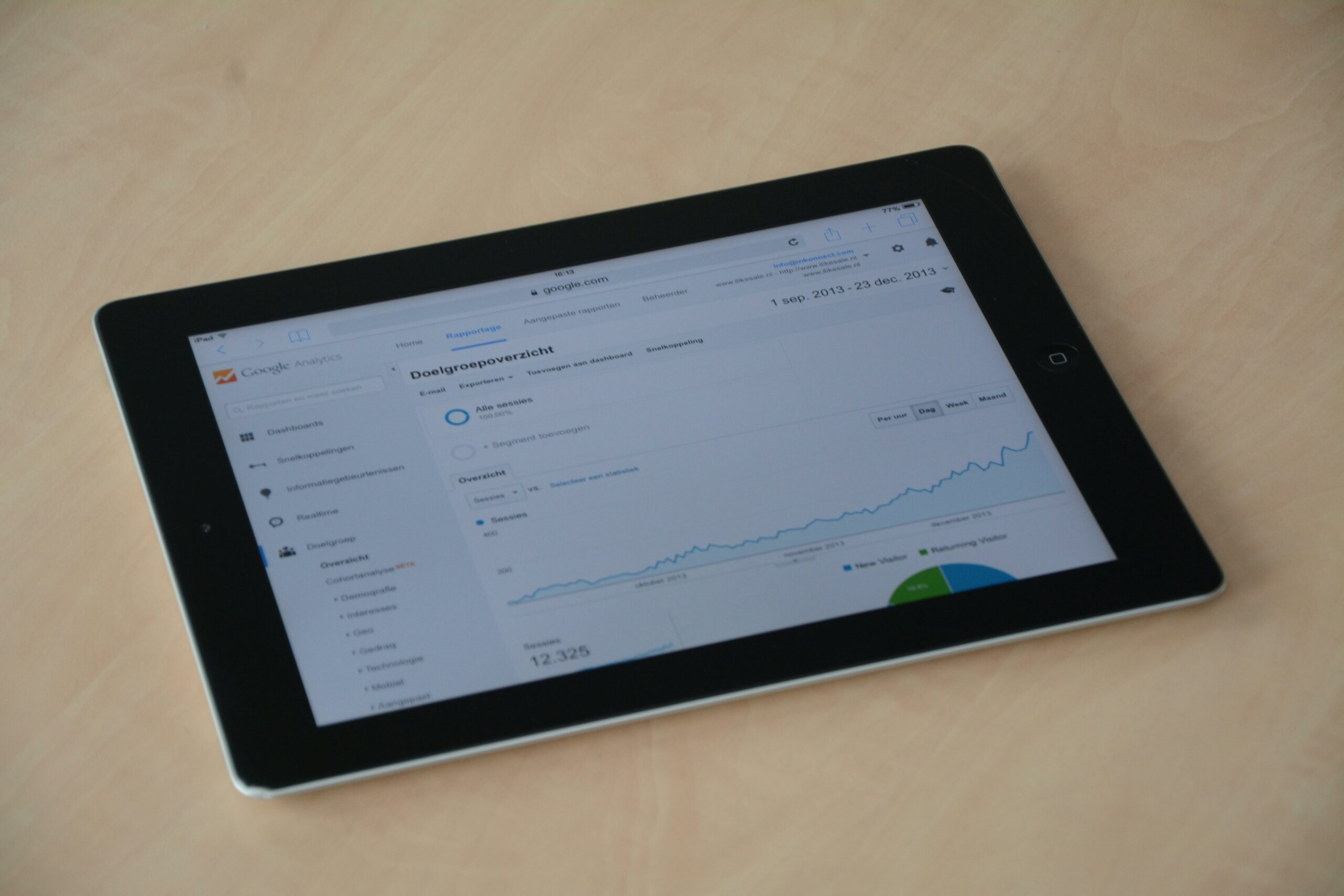
Benchmarks are guardrails, not grades. Still, you need a baseline to spot outliers and to set realistic targets. Start by choosing one engagement rate formula and stick to it for comparisons. If you use reach-based ER for Reels, do not compare it to impression-based ER from Stories without noting the difference. Also, segment by format because a carousel’s save rate can be strong even when likes are average.
Here are simple, practical formulas you can copy into a spreadsheet:
- Engagement rate (reach-based) = (likes + comments + saves + shares) / reach
- Save rate = saves / reach
- Share rate = shares / reach
- Story completion rate = last frame impressions / first frame impressions
- CPM = cost / (impressions / 1000)
- CPV = cost / views
- CPA = cost / conversions
Example calculation: a Reel gets 40,000 reach, 1,200 likes, 90 comments, 260 saves, and 150 shares. Reach-based ER = (1,200 + 90 + 260 + 150) / 40,000 = 1,700 / 40,000 = 4.25%. Save rate = 260 / 40,000 = 0.65%. If your goal is evergreen discovery, that save rate may matter more than the like count.
| Format | Primary engagement signal | Good supporting metrics | Best for |
|---|---|---|---|
| Short-form video | Shares per 1,000 reach | Avg watch time, replays, comments | Discovery and viral loops |
| Carousel | Saves per 1,000 reach | Swipe-through rate, profile visits | Education and evergreen value |
| Stories | Replies per 1,000 reach | Completion rate, sticker taps | Community and conversion nudges |
| Live | Avg concurrent viewers | Chat rate, follows during live | Trust building and Q and A |
Concrete takeaway: pick one “north star” engagement signal per format, then set a weekly target like “increase shares per 1,000 reach by 15% over four weeks.” It is easier to improve one lever than ten at once.
A 6-step framework to design engagement on purpose
Most teams brainstorm content themes, then hope engagement follows. Flip that order. Start with the action you want, then design the content mechanics that make that action likely. This is especially important in 2026 because feeds are crowded and platforms reward content that creates downstream behaviors like rewatches, shares, and meaningful comments.
- Define the micro-action: save, share, reply, click, follow, or purchase. Choose one per post.
- Match the format: if you want replies, Stories with a question sticker often beat a Reel.
- Write the hook: promise a clear payoff in the first 1 to 2 seconds or first line of text.
- Build the “value spine”: 3 to 5 points that deliver the promise quickly.
- Add a single CTA: one sentence that tells people exactly what to do next.
- Instrument and review: track the chosen micro-action and one diagnostic metric.
To keep this practical, here are three CTA examples that map to different engagement goals:
- Save: “Save this checklist for your next launch.”
- Comment: “Comment your niche and I will reply with one content angle.”
- Share: “Send this to a friend who is stuck on hooks.”
Concrete takeaway: add a “micro-action” field to your content calendar. If a post does not have a micro-action, it is not ready to publish.
Content levers that reliably lift engagement
Once your framework is set, you need levers you can pull without guessing. The most reliable levers are structural, not aesthetic. In other words, you can improve engagement without changing your niche or buying better gear. Focus on clarity, pacing, and the psychological triggers that make people respond.
Use these levers as a checklist during scripting and editing:
- Specificity over hype: “3 pricing clauses to add to every creator contract” beats “tips for contracts.”
- Open loops: tease a payoff early, then deliver it later in the post.
- Pattern interrupts: switch camera angle, add a graphic, or change cadence every 3 to 5 seconds in video.
- Proof: show a screenshot, a mini case study, or a before and after.
- Frictionless commenting: ask for a number, a choice, or a short word, not an essay.
- Series design: name a recurring format so people know what to expect and come back.
If you need a deeper library of experiments and measurement tips, use the InfluencerDB blog guides on influencer performance and reporting to build a testing backlog you can run every month.
Concrete takeaway: run one lever per week. For example, keep topics constant but test “specificity in the hook” for five posts, then compare saves per 1,000 reach to your prior baseline.
Influencer and brand collaboration tactics that increase engagement
Engagement often drops when branded content feels like an ad. The fix is not to hide the sponsorship. Instead, integrate the brand into a story or a problem the audience already cares about. Creators should keep creative control of the first 3 seconds, while brands should protect claims, compliance, and product accuracy. When both sides do their part, engagement stays strong and conversions improve.
Use these decision rules when building a brief:
- One message, one proof point: if you have three claims, pick the strongest and show evidence for it.
- Demonstration beats description: show the product in use within the first third of the video.
- Audience language first: use the creator’s phrasing for pain points, not brand taglines.
- Comment strategy: plan 5 pinned reply angles so the creator can keep the thread active.
When you negotiate, tie deliverables to outcomes and rights. For example, whitelisting can justify a higher fee because the content becomes ad inventory, not just a post. Usage rights and exclusivity also change pricing because they limit the creator’s future earnings. For disclosure requirements, reference the FTC’s guidance on endorsements and testimonials at FTC Endorsements Guides.
| Term | What it changes | How to price it (rule of thumb) | What to put in writing |
|---|---|---|---|
| Whitelisting | Brand can run ads from creator handle | Add 20% to 50% of base fee, or monthly licensing | Duration, ad accounts, creative approvals, spend cap if needed |
| Usage rights | Brand reuses content on owned or paid channels | Charge per month or per channel; more for paid usage | Where used, length, territories, edit permissions |
| Exclusivity | Creator cannot work with competitors | Charge based on category value and duration | Competitor list, time window, carve-outs |
| Link tracking | Attribution and optimization improve | Usually included; add fee for complex setups | UTMs, promo codes, landing pages, reporting cadence |
Concrete takeaway: treat rights as separate line items. Even a simple rate card becomes clearer when “base post fee” is separated from “usage rights for 90 days” and “exclusivity for 30 days.”
Measurement, attribution, and reporting in 2026
Engagement is only useful if it predicts something you care about: retention, leads, or revenue. That is why your reporting should connect platform metrics to funnel metrics. Start with clean tracking. Use UTMs for links, unique promo codes for creators, and a consistent naming convention so you can compare performance across partners and time periods.
Here is a simple reporting stack that works for most teams:
- Platform analytics for reach, watch time, and saves.
- Link tracking with UTMs to separate creators, formats, and campaigns.
- Conversion tracking in your ecommerce or CRM to calculate CPA and ROAS.
- Creative notes so you can explain why a post worked, not just that it did.
For YouTube measurement definitions and reporting basics, the official help documentation is a reliable reference: YouTube Analytics overview. Keep your external references limited and authoritative, then translate them into a one-page internal standard your team can follow.
Concrete takeaway: add a “learning” field to every report. Require one sentence that starts with “We believe this worked because…” and one next step that starts with “Next, we will test…”
Common mistakes that quietly kill engagement
Many engagement problems are self-inflicted. Teams chase trends, over-brief creators, or optimize for the wrong metric. As a result, content becomes inconsistent, audiences tune out, and performance looks random. Fixing these issues usually produces a fast lift because you remove friction rather than inventing new ideas.
- Measuring only likes: likes are easy, but saves and shares often predict long-term growth.
- Too many CTAs: “like, comment, save, share, click, follow” makes people do none of them.
- Over-editing branded content: heavy brand overlays can reduce watch time and trust.
- No comment plan: ignoring early comments wastes a key distribution signal.
- Comparing apples to oranges: mixing reach-based and impression-based ER without noting it.
Concrete takeaway: audit your last 10 posts and label each with one primary micro-action. If more than half have no clear micro-action, you have found a major root cause.
Best practices checklist for creators and brands
Best practices are only useful when they are specific enough to execute. Use the checklist below to standardize your workflow, especially if multiple people publish content or manage creators. Consistency is what turns engagement from luck into a predictable outcome.
- Briefs: include objective, audience insight, one key message, one proof point, and one micro-action.
- Creative: hook in the first line, deliver value fast, then add one CTA.
- Community: reply to the first 10 to 20 comments quickly, then pin a high-signal comment.
- Testing: change one variable at a time, track results for at least 5 posts.
- Rights: separate base fee from whitelisting, usage rights, and exclusivity.
- Reporting: include benchmarks, context, and the next test, not just screenshots.
Concrete takeaway: print this checklist into your campaign doc and require a yes or no next to each item before anything goes live. That single gate catches most avoidable engagement drops.
Quick 14-day engagement sprint plan
If you want momentum, run a short sprint with tight scope. Two weeks is long enough to collect signal but short enough to stay focused. Choose one platform and one format, then publish consistently with a clear hypothesis. Most importantly, commit to reviewing results on day 7 and day 14 so you do not drift.
- Day 1: set baseline metrics for the last 10 posts and pick one micro-action to improve.
- Days 2 to 6: publish 5 posts using the same structure, testing only the hook style.
- Day 7: review results, keep the top 2 hooks, drop the rest.
- Days 8 to 13: publish 6 posts, now testing CTA phrasing while keeping hooks consistent.
- Day 14: summarize learnings, update your template, and schedule the next sprint.
Concrete takeaway: do not change topic, posting time, and editing style in the same sprint. Keep everything stable except the one variable you are testing, otherwise you will not know what caused the lift.