
Social Media Takeovers work when you treat them like a mini campaign with clear goals, guardrails, and measurement from day one. In a takeover, a creator posts content to a brand account (or temporarily controls it) for a defined window, usually to bring fresh storytelling, reach a new audience, and drive specific actions. Done well, it feels native to the platform and credible to viewers. Done poorly, it creates brand risk, messy reporting, and awkward content that neither side wants to claim. This guide breaks down how to plan, price, execute, and measure takeovers with the same rigor you would use for any performance channel.
What Social Media Takeovers are – and what they are not
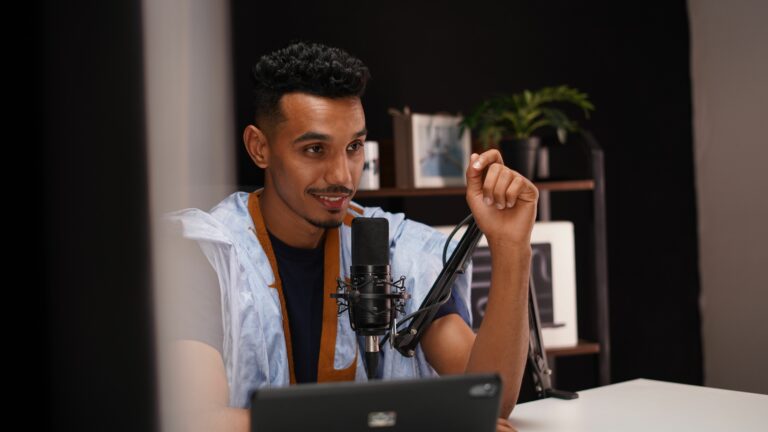
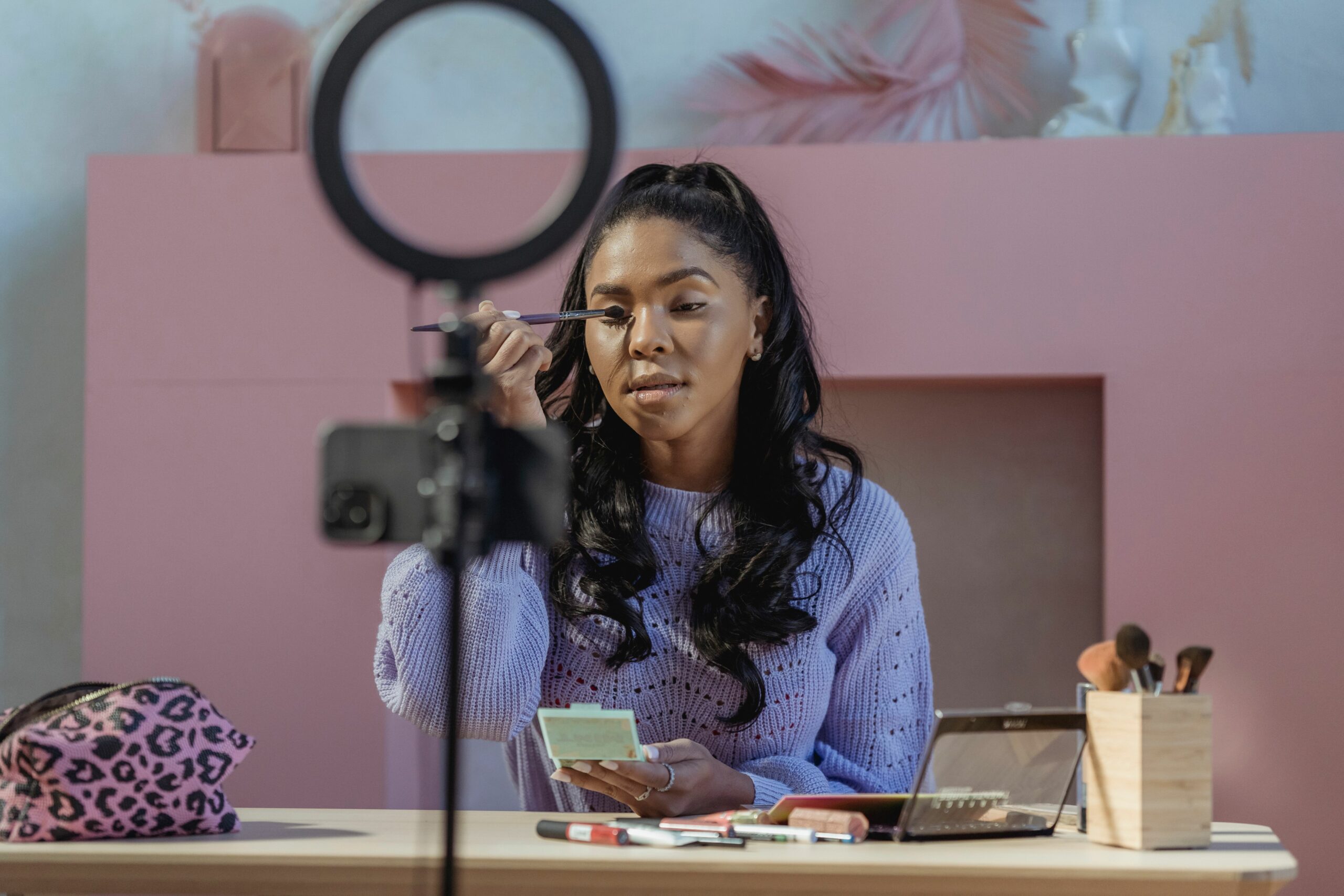
A takeover is a structured collaboration where a creator becomes the “voice” of a brand account for a limited time, typically 1 day to 1 week. The creator may post Stories, Reels, TikToks, Shorts, Lives, or community posts, depending on the platform and the access model. In most modern setups, the creator does not need the brand’s password – instead, the brand publishes content the creator delivers, or uses platform tools (for example, collaborator posts) to share distribution. That distinction matters because it changes your risk profile and your workflow.
Takeovers are not the same as a simple sponsored post on the creator’s own account. They are also not the same as employee advocacy or a brand ambassador program, which is longer-term. A takeover is best when you want a burst of attention, a behind-the-scenes angle, or a “guest host” format that makes your brand account feel less like a billboard. Practical takeaway: before you pitch a takeover, write one sentence that explains why the content must live on the brand account, not the creator’s.
To ground the rest of the playbook, here are key terms you will use in briefs and reporting:
- Reach – unique accounts that saw the content.
- Impressions – total views, including repeat views.
- Engagement rate – engagements divided by impressions or reach (define which one you use). Formula: Engagement rate = (likes + comments + shares + saves) / impressions.
- CPM – cost per 1,000 impressions. Formula: CPM = (total cost / impressions) x 1,000.
- CPV – cost per view (often video views). Formula: CPV = total cost / views.
- CPA – cost per acquisition (purchase, signup, lead). Formula: CPA = total cost / conversions.
- Whitelisting – creator content used in paid ads via the creator’s handle or authorization (often called “creator licensing” in ad platforms).
- Usage rights – permission to reuse content in other channels (ads, website, email) for a defined period and geography.
- Exclusivity – a restriction that prevents the creator from working with competitors for a period of time.
Choose the right takeover format and platform
Start with the decision that drives everything else: what format will the takeover use, and where will it run? Each platform rewards different behaviors. Instagram Stories are great for informal narration and links, while Reels and TikTok favor punchy edits and strong hooks. YouTube Shorts can work for discovery, but a takeover on a brand YouTube channel often needs more production planning to match audience expectations. Live takeovers can be powerful, yet they require moderation, backup plans, and a clear run-of-show.
Use this quick decision rule: if your goal is awareness, prioritize short-form video and Stories; if your goal is consideration, prioritize Q and A, demos, and behind-the-scenes; if your goal is conversion, prioritize formats with links, pinned comments, and clear CTAs. Also consider the access model. Many brands now prefer “no-login” takeovers where the creator delivers assets and the brand posts them. That reduces risk and keeps approvals clean, while still capturing the takeover energy through on-camera hosting and branded templates.
Concrete takeaway: pick one primary KPI per takeover day (reach, profile visits, link clicks, signups, sales) and one secondary KPI (saves, shares, watch time). If you try to optimize for everything, you will end up measuring nothing.
Build a takeover brief that prevents scope creep
A takeover brief should read like a production plan, not a mood board. It needs deliverables, timing, approvals, and measurement in plain language. Start with the audience and the promise: who is this for, and what should they learn or feel? Then specify the content structure. For example: “3 Story sequences (4 frames each) + 1 Reel + 1 Live Q and A (20 minutes).” Add posting windows in the brand’s time zone, plus a contingency plan if the creator misses a slot.
Next, define brand guardrails. List banned claims, required disclosures, and visual do’s and don’ts. If you are in regulated categories (health, finance, alcohol), tighten this section and require pre-approval for every frame. You should also define tone: energetic, calm, comedic, technical, or minimalist. Finally, include a measurement plan with exact screenshots or exports you need (reach, impressions, taps forward/back, link clicks, watch time, audience demographics).
For more templates and campaign planning ideas, keep a running swipe file from the InfluencerDB.net blog and adapt it to your brand voice and risk level.
| Brief section | What to include | Owner | Output |
|---|---|---|---|
| Objective and KPI | Primary KPI, secondary KPI, target benchmark | Brand | 1 sentence goal + KPI targets |
| Deliverables | Formats, counts, length, CTAs, link placement | Brand + creator | Deliverables list with dates |
| Access model | No-login asset delivery vs limited access, tools used | Brand | Posting workflow |
| Brand guardrails | Claims, disclosures, visual rules, moderation rules | Brand legal or marketing | Do and do not list |
| Approvals | Review rounds, deadlines, what needs approval | Brand | Approval timeline |
| Measurement | Required metrics, screenshot list, UTM rules | Brand analytics | Reporting checklist |
Pricing Social Media Takeovers with simple math
Pricing a takeover is tricky because you are paying for creative labor, brand account distribution, and risk management, not just the creator’s audience. A useful way to negotiate is to separate fees into components: (1) content creation, (2) hosting or on-camera time, (3) usage rights, (4) exclusivity, and (5) paid amplification or whitelisting if applicable. This structure keeps the conversation grounded, and it makes it easier to scale up or down without re-litigating the entire deal.
Start with a baseline content fee based on expected impressions on the brand account. Even though the creator is not posting to their own audience, you can still estimate value using CPM. Example: you agree on a $25 CPM and expect 80,000 impressions across Stories and one Reel. Estimated media value = 80,000/1,000 x $25 = $2,000. Then add a production premium if the content requires travel, props, or heavy editing. Finally, add usage rights if you want to repurpose the assets elsewhere. A common approach is a 20 to 100 percent uplift depending on duration and channels.
Here is a second way to sanity-check pricing: estimate CPV for video. If you expect 40,000 video views and the creator fee is $2,400, CPV = $2,400/40,000 = $0.06. Compare that to your typical paid social CPV. If it is wildly higher, you either need stronger creative, better distribution, or a lower fee. Practical takeaway: always ask for a line item for usage rights and exclusivity. If it is “included,” define the duration and channels in writing.
| Takeover package | Typical deliverables | Best for | Pricing notes |
|---|---|---|---|
| Story day | 12 to 20 Story frames in 3 to 5 sequences | Behind-the-scenes, Q and A, link clicks | Price for planning + filming time; add fee for link sticker strategy |
| Short video takeover | 1 to 2 Reels or TikToks + supporting Stories | Awareness and discovery | Anchor fee to expected impressions; negotiate 1 revision round |
| Live takeover | 20 to 45 minute Live + 3 promo Stories | Community building, product education | Add moderation and run-of-show time; require backup host plan |
| Multi-day series | 3 to 5 days of mixed formats | Launch weeks, events, retail moments | Use day rate + deliverables; cap daily posting volume to avoid burnout |
Execution and account safety: access, approvals, and moderation
Account safety is where many takeovers fail. The safest model is “creator produces, brand publishes.” You still get the creator’s personality, but you avoid password sharing and reduce the chance of accidental deletions or off-brand replies. If you must grant access, use platform roles where possible, enable two-factor authentication, and set a clear start and end time for access. Also decide who will handle community management during the takeover window, because comment sections can move fast.
Approvals should be time-boxed. One round of edits is usually enough if the brief is clear. If you allow unlimited revisions, you will slow the creator down and lose the takeover’s spontaneity. For Live takeovers, build a run-of-show: opening hook, topic beats, product mentions, audience questions, and closing CTA. Assign a moderator to remove spam and to feed questions to the host. Practical takeaway: create a “red lines” list of topics the creator should not address, especially around politics, health claims, and competitor comparisons.
Disclosure is not optional. If the takeover is sponsored, disclose it clearly in the content. The FTC’s endorsement guidance is the baseline in the US, and it is worth reading directly so your team does not rely on folklore: FTC guidance on endorsements and testimonials. Even outside the US, clear disclosure is a best practice that protects both brand and creator.
Measurement: KPIs, tracking, and a reporting template
Measurement starts before the first post. Use UTMs on every link you control, and keep naming consistent: utm_source, utm_medium, utm_campaign, and optionally utm_content for each asset. If your goal is signups or sales, confirm that your analytics platform captures conversions correctly and that attribution windows are understood. When reporting, separate platform metrics (reach, impressions, watch time) from business metrics (leads, purchases, revenue). That separation prevents a common argument where one side celebrates views while the other side asks, “Did it sell?”
Here is a simple reporting framework you can reuse:
- Inputs: total fee, production costs, paid spend (if any), dates, deliverables.
- Outputs: reach, impressions, views, engagement rate, link clicks, profile visits, follower growth.
- Outcomes: conversions, CPA, revenue, assisted conversions, email signups.
- Learnings: best hook, best CTA, best posting time, audience questions to reuse in future content.
Example calculation: you paid $3,000 total for a takeover. It generated 120,000 impressions and 900 link clicks, leading to 45 purchases. CPM = ($3,000/120,000) x 1,000 = $25. CPA = $3,000/45 = $66.67. If your target CPA is $60, you are close, but you may need a stronger offer or a better landing page. Practical takeaway: always capture screenshots of Story analytics within 48 hours, because some metrics are time-limited.
If you need platform-specific definitions for metrics like views and watch time, cross-check official documentation. For example, Meta’s business help center is the most reliable source for how Instagram metrics are counted: Meta Business Help Center.
Common mistakes that quietly kill takeovers
First, brands often skip the “why.” Without a clear objective, the creator fills the space with generic content that does not move metrics. Second, teams overcomplicate approvals, which turns a takeover into a slow-motion ad shoot. Third, some brands hand over access without a safety plan, then scramble when something goes wrong. Fourth, measurement is frequently an afterthought, so nobody can prove value or learn from the experiment.
Another common issue is misaligned audience fit. A creator can be talented and still wrong for your brand account’s followers. Before you book, review the creator’s past content for tone, pacing, and comment quality, not just follower count. Also check whether the creator can explain things clearly on camera, because takeovers often rely on narration. Practical takeaway: if you cannot describe the creator’s “on-screen role” in one phrase (teacher, tester, comedian, stylist, reporter), you probably have not chosen the right format.
Best practices: a repeatable takeover checklist
Takeovers become easier when you standardize the process. Start by building a small roster of creators who can host confidently and who deliver on time. Then create a reusable brief template, a reporting template, and a contract addendum for usage rights and exclusivity. Over time, you will reduce friction and improve performance because everyone knows the rules.
- Set one primary KPI per day and define how you will measure it.
- Use a no-login workflow whenever possible – creator delivers assets, brand posts.
- Write deliverables like a production schedule: counts, lengths, deadlines, and posting windows.
- Lock disclosure language in the brief and require it in the first frame or caption.
- Negotiate rights separately: base fee, usage rights, exclusivity, and paid amplification.
- Capture analytics fast and store screenshots in a shared folder with naming conventions.
- Run a post-mortem within 72 hours and document three changes for next time.
Finally, treat each takeover as a test. Keep one variable constant (format, creator type, CTA, or offer) and change one variable at a time. That discipline is how you turn a fun collaboration into a dependable growth lever.