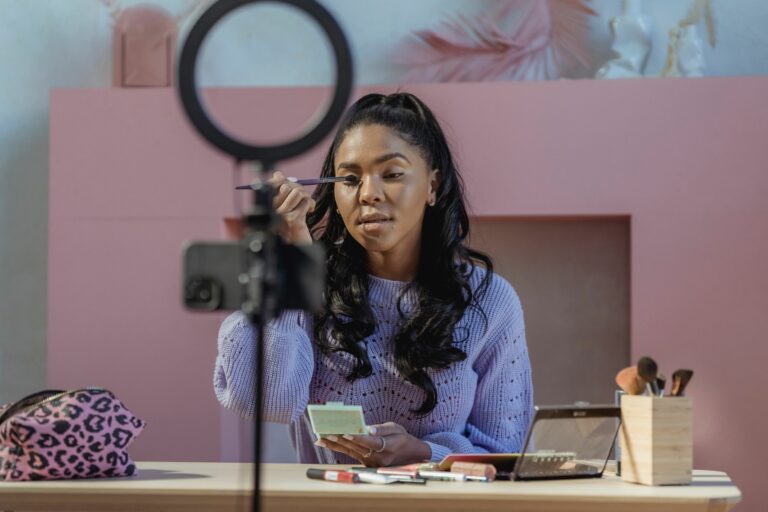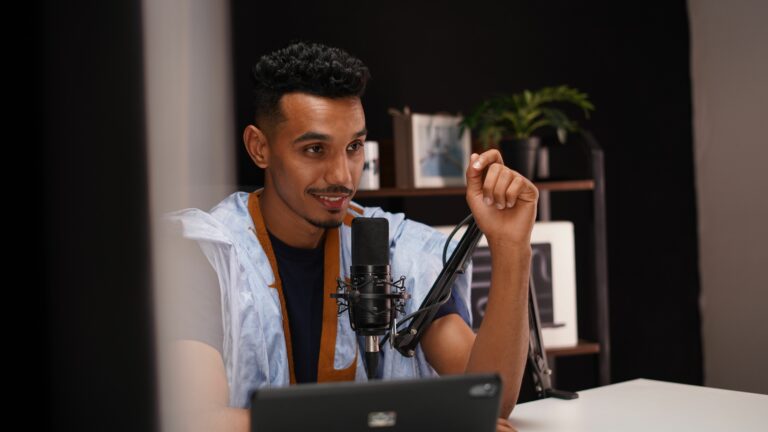

Video production influencer marketing works best when you treat creator videos like real production assets – with a tight brief, clear rights, and measurement you can defend. Brands often buy “a post” and hope for the best; instead, you should buy a defined deliverable, a defined audience outcome, and defined usage terms. This guide breaks down the terms, the math, and the workflow you can use to run repeatable creator video campaigns. Along the way, you will get pricing heuristics, negotiation levers, and a simple way to compare creators across platforms without guessing.
What video production influencer marketing actually includes
At its core, video production influencer marketing is a partnership where a creator produces video content for their audience and, sometimes, for your brand to reuse as an ad or website asset. The “production” part matters because you are paying for creative development, filming, editing, and often talent and location costs. That means you need to separate three buckets in your plan: distribution (posting to the creator’s audience), production (the work to make the video), and licensing (what you can do with the video after it is made). Once you separate those buckets, pricing and negotiation get much easier. As a practical rule, ask yourself: are you buying reach, content, or both?
Before you talk money, define the deliverable in plain language. For example: “One 30 to 45 second vertical video, creator posts to TikTok feed, includes one hook in first 2 seconds, one product demo, one spoken CTA, and caption with link in bio mention.” If you cannot describe the video in one sentence, your brief is not ready. Also decide whether you need raw files, project files, or just the final export, because that changes what you can repurpose later.
Key terms you must define early (with quick examples)

These terms are where campaigns quietly go off the rails. Define them in the brief and the contract so everyone is pricing the same thing.
- CPM (cost per mille) – cost per 1,000 impressions. Formula: CPM = (Cost / Impressions) x 1,000.
- CPV (cost per view) – cost per video view. Formula: CPV = Cost / Views. Clarify whether “views” means 3-second views, 2-second views, or platform-reported views.
- CPA (cost per acquisition) – cost per purchase or lead. Formula: CPA = Cost / Conversions.
- Engagement rate – engagements divided by reach or impressions. Use one definition consistently. Example: ER by impressions = (Likes + Comments + Shares + Saves) / Impressions.
- Reach – unique accounts that saw the content at least once.
- Impressions – total times the content was displayed, including repeats.
- Whitelisting – the creator authorizes your brand to run ads through their handle (often via platform permissions). This is different from simply “boosting.”
- Usage rights – how, where, and for how long you can reuse the video (organic only vs paid, channels, term length, territories).
- Exclusivity – restrictions on the creator working with competitors for a period. Exclusivity should be paid because it limits their income.
Takeaway: put your definitions in writing and attach them to the agreement. If you later compare results across creators, consistent definitions are the difference between insight and noise.
Build a video brief that creators can actually execute
A strong brief reduces revisions and protects performance. Start with the audience problem, not your product features. Then translate that into a single creative promise: what should the viewer believe after watching? From there, specify the non-negotiables and leave room for creator style, because forced scripts usually underperform.
Use this practical brief structure:
- Objective – awareness, consideration, or conversion. Tie it to a primary KPI (CPM, CPV, CTR, CPA).
- Target viewer – who they are, what they care about, and what they are skeptical about.
- Key message – one sentence, no commas if possible.
- Proof points – 2 to 3 specifics (test result, feature, guarantee). Avoid vague claims you cannot substantiate.
- Creative guardrails – required mentions, prohibited claims, brand safety notes, pronunciation.
- Format – aspect ratio, length range, captions on or off, hook requirement, and whether B-roll is needed.
- CTA – what to do next (use code, click link, sign up). Keep it singular.
- Review process – number of revision rounds and turnaround times.
If you want a deeper library of planning templates and campaign breakdowns, keep an eye on the InfluencerDB Blog for ongoing playbooks and benchmarks.
Pricing creator video: benchmarks, levers, and a simple model
Creator video pricing is not just about follower count. It is a mix of audience value, production complexity, and rights. To avoid overpaying or underpaying, price in layers: base fee for creation and posting, plus add-ons for usage rights, whitelisting, exclusivity, and rush timelines. When you negotiate, trade levers instead of pushing for a discount. For example, you can reduce scope (shorter length, fewer revisions) or shorten usage term instead of cutting the creator’s base fee.
| Cost component | What it covers | Common pricing approach | Negotiation lever |
|---|---|---|---|
| Base creation fee | Concept, filming, editing, one final video | Flat fee per deliverable | Reduce complexity, limit revisions |
| Posting fee | Distribution to creator audience | Bundled with base or separate | Swap feed post for story, or vice versa |
| Usage rights | Brand reuse on owned channels or paid ads | % of base fee per month or flat term fee | Shorten term, limit channels, limit paid use |
| Whitelisting | Ads run through creator handle | Monthly fee plus setup | Cap duration, cap spend, limit geos |
| Exclusivity | No competitor work for a period | Premium based on category and duration | Narrow competitor list, shorten window |
Here is a simple way to sanity-check a quote using CPM and CPV. Example: you pay $3,000 for a TikTok post. The creator forecasts 60,000 views. CPV = 3000 / 60000 = $0.05. If the post generates 120,000 impressions, CPM = (3000 / 120000) x 1000 = $25. Compare that to your paid social benchmarks and to other creators in the same niche. If the CPM is high, you can still justify it if the content will be licensed for ads and used across multiple channels.
For additional context on how brands think about creator pricing and deliverables, HubSpot’s influencer marketing coverage is a useful reference point: HubSpot influencer marketing guide.
Benchmarks table: typical video deliverables and price ranges
Pricing varies by niche, production quality, and creator demand, so treat these as planning ranges, not fixed rates. Use them to build a budget, then refine once you see a creator’s actual performance history and content quality. A practical move is to request a “rate card” and then reframe the conversation around your exact scope and rights.
| Deliverable | Typical length | Best for | Planning range (USD) | Notes |
|---|---|---|---|---|
| TikTok feed video | 15 to 45 seconds | Awareness, testing hooks | $500 to $7,500+ | Price jumps with strong on-camera talent and proven conversion |
| Instagram Reels | 15 to 60 seconds | Discovery plus brand fit | $600 to $10,000+ | Ask for average Reels reach over last 10 posts |
| YouTube integration | 60 to 120 seconds | Consideration, deep product context | $2,000 to $30,000+ | Long tail views matter, negotiate a longer reporting window |
| UGC style video (no post) | 15 to 45 seconds | Paid ads creative library | $200 to $2,500+ | Clarify usage rights and whether raw footage is included |
| Story set | 3 to 5 frames | Clicks, limited-time offers | $150 to $2,000+ | Link sticker performance varies widely by audience trust |
Takeaway: if you need paid usage, budget for it explicitly. Many teams under-budget because they assume “one post” includes rights for ads, which it rarely does.
Measurement that holds up: KPIs, tracking, and example calculations
Good measurement starts before the first shoot day. Decide what success means, then instrument tracking so you can attribute outcomes. For awareness, focus on reach, impressions, view-through rate, and CPM. For consideration, add clicks, saves, shares, and watch time. For conversion, you need clean link tracking, promo codes, and ideally post-purchase surveys to capture influence that does not click.
Use this step-by-step measurement setup:
- Pick one primary KPI based on objective: CPM for awareness, CPV for video efficiency, CPA for sales.
- Set a reporting window by platform: 7 days can work for TikTok, while YouTube integrations often need 30 to 60 days.
- Assign tracking: UTM links, unique codes, and a landing page that matches the video promise.
- Collect proof: request screenshots or exports of platform insights for reach, impressions, and audience breakdown.
- Normalize results: compare CPM, CPV, and CPA across creators, not just raw views.
Example conversion math: you pay $5,000 total. The creator drives 1,200 landing page visits and 48 purchases. Conversion rate = 48 / 1200 = 4%. CPA = 5000 / 48 = $104.17. If your average order value is $160, you can estimate gross revenue of $7,680 and then decide whether the campaign is profitable based on margin and repeat purchase rate.
When you run whitelisted ads, you also need to align with platform rules and permissions. Meta’s official overview of branded content and partnership ads is a solid reference: Meta Business Help Center.
Usage rights, whitelisting, and exclusivity: decision rules that prevent disputes
Rights are where “video production” becomes an asset strategy. If you plan to run the creator video as an ad, say so upfront and price it separately. A clean way to do this is to define a usage matrix: channels (paid social, website, email), term length (30, 90, 180 days), and territory (one country vs worldwide). The more you ask for, the more you should pay, and that is fair because you are buying value beyond the initial post.
Decision rules you can use:
- If you want paid usage, specify “paid social usage rights” and the term. Do not rely on vague “full rights” language.
- If you want whitelisting, cap the duration and confirm who covers ad spend. Also agree on whether comments will be moderated by the creator or the brand.
- If you want exclusivity, narrow the competitor list to direct competitors only. Broad exclusivity is expensive and often unnecessary.
- If you want raw footage, ask for it explicitly. Raw files can enable new edits, but they can also create brand risk if misused.
For disclosure and ad transparency, align your campaign with the FTC’s guidance on endorsements: FTC Endorsement Guides. This matters even more when you repurpose influencer videos into paid ads, because the line between “creator post” and “advertisement” becomes blurry fast.
Common mistakes that waste budget (and how to avoid them)
The same problems show up across brands, from startups to enterprise teams. First, teams approve scripts that sound like ads, then blame the creator when retention drops. Second, they skip rights discussions until after the video performs, which is the most expensive time to negotiate. Third, they judge creators by follower count instead of recent video performance and audience fit. Finally, they measure only last-click sales, which undervalues creators who drive consideration and later conversions.
- Mistake: Asking for “one viral video.” Fix: Buy a testing plan of 3 to 6 videos with different hooks.
- Mistake: Unlimited revisions. Fix: Cap revisions to 1 to 2 rounds and approve a concept outline first.
- Mistake: No tracking links. Fix: Use UTMs and a dedicated landing page per creator or per cohort.
- Mistake: Vague usage rights. Fix: Write a rights matrix with term, channels, and territories.
Takeaway: most “performance” problems are actually planning problems. Tighten the inputs and the outputs improve.
Best practices: a repeatable workflow for creator video campaigns
Consistency beats one-off hero campaigns. Build a system that helps you learn quickly, scale what works, and keep creators happy. Start with a small cohort, standardize your brief and reporting, and then expand based on measured outcomes. Also, treat creators like creative partners: give them context, not just talking points.
Use this workflow as your baseline:
- Source and vet creators – review 10 recent videos, average views, comment quality, and brand safety.
- Run a pilot – 2 to 3 creators, 1 deliverable each, consistent offer and landing page.
- Review performance – compare CPM, CPV, CTR, and CPA side by side, then identify which hooks and formats held attention.
- Scale with a content library – commission variations: new hooks, new angles, new CTAs, same product truth.
- Convert winners into ads – license the best videos for paid usage or whitelisting with clear terms.
| Phase | Tasks | Owner | Deliverables |
|---|---|---|---|
| Planning | Define objective, KPI, offer, rights needs, budget ranges | Brand marketer | One-page brief, rights matrix |
| Creator selection | Audit recent performance, audience fit, content style | Influencer manager | Shortlist with notes and risk flags |
| Production | Concept approval, filming, edit review, final export | Creator + brand reviewer | Final video, captions, thumbnails if needed |
| Launch | Post scheduling, link setup, code activation, community monitoring | Influencer manager | Live post, tracking sheet |
| Reporting | Collect insights, compute CPM/CPV/CPA, document learnings | Analyst | Performance recap, next-test recommendations |
Final takeaway: treat creator videos as a portfolio. When you standardize briefs, rights, and measurement, you can compare results fairly and invest where the data points.