
Facebook Ad Library is the fastest free way to see what ads a brand is running across Meta platforms, and it is surprisingly useful for influencer marketing research. Instead of guessing what competitors promote, you can review real creatives, landing pages, and messaging patterns in minutes. That makes it easier to brief creators, set realistic performance expectations, and avoid compliance mistakes before money goes out the door. In this guide, you will learn how to search, what to record, and how to turn what you find into a practical plan you can execute.
What the Facebook Ad Library shows – and what it does not
At its core, the tool is a public database of ads that have run on Meta properties, including Facebook and Instagram. You can search by advertiser name, keywords, and sometimes by country, then open each ad to see creative variants, copy, and destination URLs. For certain categories, you may also see additional transparency details, such as spend ranges and impression ranges. However, the library does not tell you the full targeting setup, the exact bid strategy, or the complete funnel performance. That means you should treat it as a creative and messaging intelligence tool first, and a performance proxy only when transparency data is available.
Concrete takeaway: build your workflow around what is reliable. Capture creative, offer, and landing page structure as facts, then treat performance signals as hypotheses to test with your own tracking.
If you want the official reference for how the system works and what is included, start with Meta’s documentation: Meta Business Help on the Ad Library. Read it once, then keep this article as your day to day playbook.
Key terms you need before you analyze ads
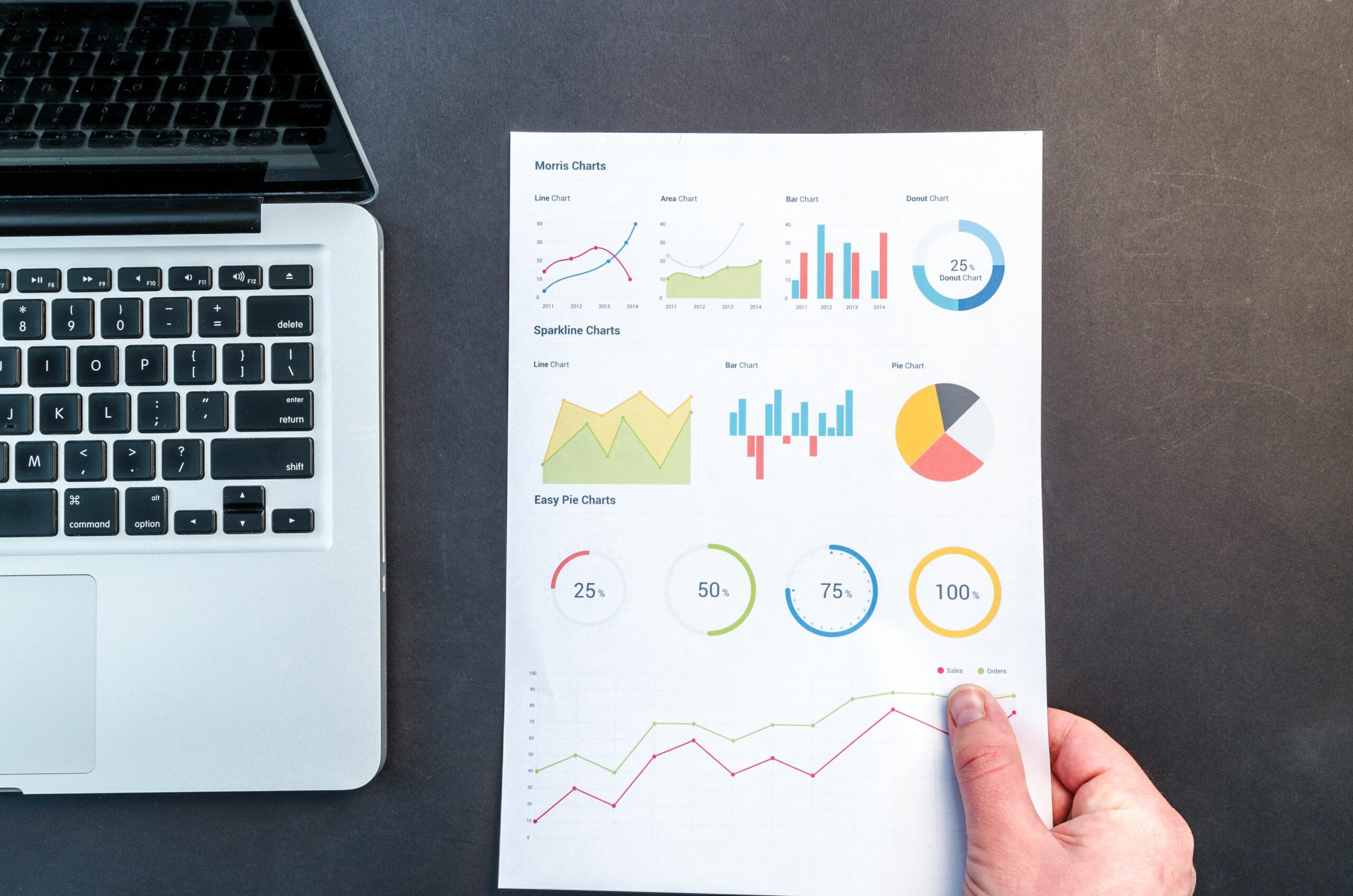
Before you copy a competitor’s style or brief an influencer, align on measurement language. Otherwise, teams argue about results because they are using different definitions. Here are the terms that matter most when you use ad intel to plan creator campaigns.
- Reach: the number of unique people who saw an ad or post at least once.
- Impressions: total views, including repeats by the same person.
- Engagement rate: engagements divided by reach or impressions (define which one you use). For creator posts, many teams use engagements divided by views or followers, but views is usually more honest.
- CPM (cost per thousand impressions): CPM = (Spend / Impressions) x 1000. Useful for comparing distribution efficiency.
- CPV (cost per view): CPV = Spend / Video Views. Helpful when the goal is awareness or video completion.
- CPA (cost per acquisition): CPA = Spend / Conversions. Best for direct response campaigns.
- Whitelisting: running ads through a creator’s handle (often called branded content ads). This can increase trust and performance, but it requires permissions and clear terms.
- Usage rights: what the brand can do with creator content (organic repost only, paid ads, website, email, etc) and for how long.
- Exclusivity: restrictions on a creator working with competitors for a time window. It affects pricing and should be specific.
Concrete takeaway: put these definitions into your campaign brief so everyone reports the same metrics the same way. It prevents “good” and “bad” results from being subjective.
Facebook Ad Library research workflow for influencer campaigns
This workflow turns browsing into a repeatable analysis. It also makes your findings easy to share with creative, paid social, and partnerships teams. Set a timer for 45 minutes and follow the steps below for one competitor or one product category.
- Pick your scope: one brand, one product line, or one offer type (for example, “subscription starter kit”).
- Search the advertiser: open the brand’s page in the library and filter by country if relevant.
- Log creative variants: screenshot or copy links for 10 to 20 ads that look like they are part of a system, not one offs.
- Tag the angle: problem solution, before after, testimonial, founder story, UGC style, comparison, discount, bundle, or scarcity.
- Record the offer mechanics: percent off, free shipping, free trial, gift with purchase, or limited drop.
- Audit the landing page: headline, proof, pricing, FAQ, and the first call to action above the fold.
- Map to creator deliverables: decide which angles belong in creator scripts versus paid ads.
Concrete takeaway: do not stop at “this ad looks good.” Force a label on the angle and the offer, then decide where it fits in your funnel.
What to capture in a swipe file (with a practical table)
A swipe file is only useful if it is searchable and comparable. Use a spreadsheet with consistent fields so you can spot patterns across brands and across time. The goal is to answer questions like: Which hooks repeat? Which claims show up in multiple ads? What formats are brands betting on right now?
| Field | What to record | Why it matters |
|---|---|---|
| Ad link and date | Ad Library URL, first seen date, country | Lets you revisit and track creative refresh cycles |
| Format | Reel, Story, feed video, carousel, static | Helps you brief creators in the right native format |
| Hook | First line of copy or first 2 seconds of video | Hooks are the main driver of thumb stop rate |
| Angle | Testimonial, demo, comparison, founder, myth bust | Lets you build a structured testing plan |
| Proof | Reviews, UGC, expert quote, stats, press logos | Shows what credibility signals the market responds to |
| Offer | Discount, bundle, trial, free shipping, bonus | Separates creative performance from pricing leverage |
| CTA and destination | Shop now, learn more, subscribe; landing page type | Connects ad intent to funnel stage |
Concrete takeaway: if you cannot sort your swipe file by angle, format, and offer, you will not be able to build a clean test plan later.
Using Facebook Ad Library to brief creators and plan tests
Once you have patterns, translate them into a creator brief that is specific but not restrictive. Creators perform best when they understand the goal and the guardrails, then write in their own voice. Start by choosing 3 angles you want to test, and pair each angle with one required proof point and one required CTA. Then, assign formats based on what you see winning in the library and what your creators are strongest at.
Here is a simple decision rule: if most competitor ads lead with a demo, your first creator batch should include at least one demo focused script. On the other hand, if the library shows heavy discounting, test a value based angle in parallel so you are not forced into a race to the bottom. For more planning templates and campaign thinking, keep a running list of frameworks from the InfluencerDB Blog and adapt them to your niche.
Concrete takeaway: write briefs as test matrices. “Angle plus proof plus CTA” is easier to execute than vague direction like “make it authentic.”
Estimating performance with simple formulas (and an example)
Ad Library does not give you full performance metrics for most ads, so you need a lightweight forecasting method. Use your own historical benchmarks if you have them. If you do not, start with conservative assumptions and update after the first week. The goal is not perfect prediction, it is budget control and expectation setting.
Example forecast for whitelisted creator ads: Suppose you plan to spend $5,000 promoting creator content. You estimate a CPM of $12 based on prior Meta campaigns. Estimated impressions = (Spend / CPM) x 1000 = (5000 / 12) x 1000 = 416,667 impressions. If your click through rate is 1.2%, estimated clicks = 416,667 x 0.012 = 5,000 clicks. If your landing page converts at 2.5%, estimated purchases = 5,000 x 0.025 = 125 purchases. Estimated CPA = 5000 / 125 = $40.
Now add a creator fee. If the creator charges $1,500 for content plus whitelisting rights, total cost becomes $6,500. Your blended CPA becomes $6,500 / 125 = $52. That number tells you whether the plan fits your margin and whether you need to negotiate usage rights, improve conversion rate, or increase average order value.
Concrete takeaway: always compute blended CPA when you pay for content and media. It keeps you honest about what you can afford.
Compliance checks: disclosures, political ads, and brand safety
Transparency is one of the most underrated uses of the library. You can spot whether brands are using “Paid partnership” labels, how they word claims, and whether they lean on sensitive categories. When you run influencer campaigns, you also need disclosure practices that match the platform and the law. In the US, the FTC expects clear and conspicuous disclosure when there is a material connection, including free product or payment. Review the FTC’s guidance and bake it into your creator instructions: FTC Endorsement Guides and influencer guidance.
Concrete takeaway: add a pre flight checklist to every brief: disclosure language, claim substantiation, and prohibited topics. It is faster than cleaning up a problem after posting.
Tool comparison: Ad Library vs other research methods
No single tool answers every question. The library is strongest for creative visibility and messaging trends, while other methods help with audience fit and creator selection. Use the table below to pick the right mix for your situation.
| Method | Best for | Limitations | Ideal use case |
|---|---|---|---|
| Facebook Ad Library | Creative angles, offers, landing page paths | Limited targeting and performance data | Building a creator brief and paid creative test plan |
| Manual social scan | Organic content tone, community response | Time intensive and easy to cherry pick | Finding creator style references and comment insights |
| Creator whitelisting tests | Real performance of creator ads on your account | Requires permissions and clean tracking | Scaling winners after initial influencer seeding |
| Post purchase survey | Attribution for creators and platforms | Self reported and can be biased | Understanding which creators drive incremental demand |
Concrete takeaway: start with Ad Library to understand the market’s creative language, then validate with your own whitelisted tests and surveys.
Common mistakes when using the Facebook Ad Library
- Copying instead of learning: cloning a competitor’s hook without understanding their audience or offer usually fails.
- Ignoring landing pages: many “winning” ads rely on strong pages, not magical creatives.
- Overweighting one brand: one advertiser can skew your view of the category. Sample at least 3 to 5 brands.
- Missing creative fatigue signals: if you see dozens of near identical variants, the brand may be fighting fatigue, not celebrating a breakthrough.
- Forgetting rights and permissions: if you plan to whitelist, you must negotiate usage rights and access upfront.
Concrete takeaway: treat the library as a starting point for hypotheses, then test with your own creators, tracking, and economics.
Best practices: turn ad intel into repeatable wins
To get consistent value, make this a weekly habit rather than a one time research sprint. Start by tracking the top 10 advertisers in your niche and logging new angles as they appear. Next, run small tests with clear success metrics, then scale only after you see stable performance for at least several days. Finally, keep your creator partnerships healthy by being transparent about whitelisting, usage rights, and exclusivity. Creators price more fairly when they understand exactly how their content will be used.
- Build a testing backlog: keep 20 angle ideas ready so you never scramble for concepts.
- Separate creative from offer tests: change one variable at a time when possible.
- Use a rights menu: organic only, paid usage for 30 days, paid usage for 90 days, and full buyout, each priced clearly.
- Document learnings: one page per test with what you tried, what happened, and what you will do next.
Concrete takeaway: the teams that win treat creator content like a performance asset with clear rights, clear measurement, and disciplined iteration.
Quick start checklist for your next 60 minutes
If you want momentum today, follow this short plan. It is designed to produce a usable brief and a swipe file you can keep improving.
- Pick 3 competitors and pull 10 ads each from the last 30 days.
- Tag each ad with format, hook type, angle, proof, and offer.
- Choose 3 angles to test with creators and write “angle plus proof plus CTA” for each.
- Decide whether you will whitelist and, if yes, define usage rights duration.
- Forecast blended CPA using your CPM assumption and conversion rate.
Concrete takeaway: by the end of the hour, you should have a testable brief, not just inspiration.