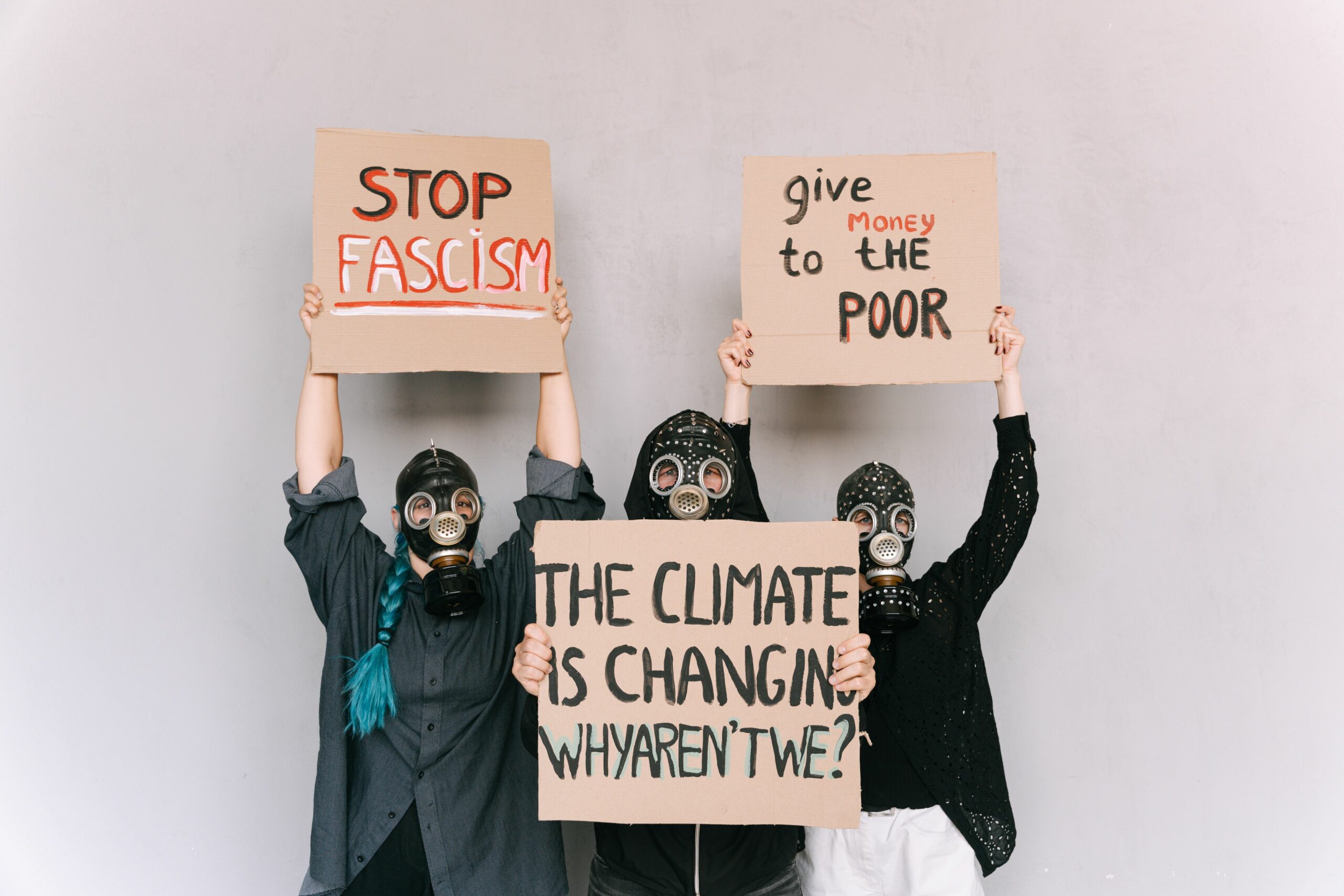

Social media activism is now a core part of how creators and brands communicate values, mobilize communities, and respond to breaking news in public. Done well, it can raise funds, shift behavior, and build long-term trust. Done poorly, it can look like opportunism, trigger backlash, or create real legal and safety risks. The difference usually comes down to preparation, proof, and follow-through. This guide breaks down a practical workflow you can use to plan, execute, and measure activism-led content without losing credibility.
Social media activism basics – terms you must define upfront
Before you brief a creator or publish a statement, define the metrics and deal terms you will use to judge success. Otherwise, your team ends up arguing about whether a post “worked” after the fact. Start with these definitions and put them in writing in your brief or contract. You will also avoid confusion when you compare results across platforms and creators. Finally, clear definitions help you separate awareness goals from action goals, which require different creative and tracking.
- Reach – unique accounts that saw the content at least once.
- Impressions – total views, including repeat views by the same person.
- Engagement rate (ER) – engagements divided by reach or impressions. Use one method consistently. Formula: ER by reach = (likes + comments + shares + saves) / reach.
- CPM – cost per 1,000 impressions. Formula: CPM = (cost / impressions) x 1000.
- CPV – cost per view (usually for video). Formula: CPV = cost / views.
- CPA – cost per action (donation, petition signature, email signup). Formula: CPA = cost / actions.
- Whitelisting – running paid ads through a creator’s handle (also called creator licensing). It can boost reach but increases review and compliance needs.
- Usage rights – permission to reuse creator content (duration, placements, edits). Spell out whether you can run it as ads.
- Exclusivity – limits on the creator working with other organizations or brands, often category-based and time-bound.
Takeaway – add a one-page “measurement and terms” appendix to every activism brief so creative, legal, and analytics teams align before posting.

Not every issue fits every brand or creator, and silence can be a strategy when you cannot contribute meaningfully. To decide whether to speak, use a simple decision rule: do you have a specific action, a credible partner, and a commitment you can keep? If any of those are missing, you are likely to drift into vague messaging that audiences read as performative. Moreover, activism content often spreads beyond your followers, so weak claims get audited quickly. The goal is not to be loud, it is to be accurate and useful.
- Relevance – Is the issue connected to your mission, audience, or operations?
- Risk – Are there safety concerns for creators, staff, or communities you feature?
- Actionability – Can you point to a clear next step (donate, volunteer, vote, learn, contact representatives)?
- Proof – Can you show what you are doing internally (policy, funding, hiring, supply chain changes)?
- Longevity – Can you sustain support after the news cycle ends?
Takeaway – if you cannot commit to at least one measurable action within 30 days, pause and build the plan first.
Build an activism campaign brief that creators can execute
A strong brief reduces misinterpretation and protects both the creator and the cause. Start with a single sentence that states the purpose in plain language, then list the audience and the action you want them to take. After that, provide context and boundaries: what is true, what is uncertain, and what you will not claim. Creators do their best work when they understand the “why” and the “watch-outs” without being handed a script. For a deeper library of briefing and creator workflow ideas, keep an eye on the resources in the InfluencerDB blog.
| Brief section | What to include | Concrete example |
|---|---|---|
| Objective | Awareness, education, fundraising, policy action, community support | “Drive 5,000 petition signatures in 14 days” |
| Audience | Who needs to act and what they care about | “US college students interested in local volunteering” |
| Key message | One core point, written as a claim you can prove | “Mutual aid groups need recurring donations to plan supplies” |
| Call to action | One primary action and one secondary action | “Donate monthly” and “Share the resource list” |
| Claims and sources | Approved stats, links, and what not to say | Provide a fact sheet with citations and banned phrases |
| Safety and moderation | Comment policy, escalation contacts, doxxing response | “Hide slurs, delete threats, escalate to security within 30 minutes” |
| Deliverables | Formats, length, posting window, story frames | “1 Reel, 3 Stories with link sticker, 1 live Q and A” |
Takeaway – include a “claims and sources” section so creators can speak confidently without inventing statistics on the fly.
Creator selection for activism – credibility signals and red flags
Activism is not a normal product launch, so your creator selection criteria must change. Instead of optimizing for follower count first, prioritize trust, lived experience, and consistency. Look at a creator’s history: have they talked about the issue before, and did they follow through? Also check how they handle disagreement, because activism content attracts conflict even when it is well-intentioned. When you need a structured way to evaluate creators, build a scorecard that blends qualitative credibility with quantitative performance.
- Credibility signal – prior content on the topic, volunteer work, transparent donations, or community ties.
- Consistency signal – sustained posting over months, not a one-off trend response.
- Communication signal – clear boundaries, thoughtful replies, and willingness to correct mistakes.
- Red flag – sudden issue switching, vague “link in bio” asks with no partner, or deleting criticism without addressing it.
Takeaway – require at least one proof point of prior engagement with the cause before you offer a paid partnership.
Measurement that goes beyond likes – a practical KPI framework
Activism content often gets judged by engagement, but engagement can be misleading. A post can spark debate and still fail to drive action, or it can quietly raise funds with fewer comments. Therefore, set KPIs in three layers: attention, intent, and outcomes. Use platform analytics for attention, link tracking for intent, and verified partner reporting for outcomes. If you are collecting data, be transparent about what you track and why.
| KPI layer | What it measures | Metrics | How to track |
|---|---|---|---|
| Attention | How many people saw it | Reach, impressions, video views, watch time | Native platform insights |
| Intent | Who leaned in | Link clicks, profile visits, saves, shares | UTM links, link-in-bio analytics |
| Outcomes | Real-world action | Donations, signups, event registrations, hotline calls | Partner dashboards, CRM, donation platform reports |
| Trust | Brand and creator credibility | Sentiment, comment quality, follower retention | Manual sampling plus social listening |
Simple example calculation: you pay $2,000 for a creator video that generates 120,000 impressions and 800 petition signatures. CPM = (2000 / 120000) x 1000 = $16.67. CPA = 2000 / 800 = $2.50 per signature. Those two numbers together tell a clearer story than engagement alone.
For consistent campaign tagging, use Google’s UTM standards so your analytics stays clean across creators and platforms. Google documents the parameters here: Campaign URL builder and UTM parameters.
Takeaway – choose one primary outcome metric and one efficiency metric (like CPA or CPM) before launch, then report both weekly.
Compliance, disclosure, and safety – what to lock down
Activism does not remove the need for disclosure when money changes hands. If a brand pays a creator to promote a cause-related message, audiences deserve to know. In addition, activism campaigns can involve sensitive claims, medical information, or political content, which raises the bar for accuracy. Make sure your contracts and review process cover disclosure language, fact-checking, and takedown procedures. Also plan for harassment and doxxing risk, especially for creators from marginalized communities.
In the US, the FTC is clear that material connections must be disclosed in a way people will notice and understand. Use the FTC guidance as your baseline and then add platform-specific requirements: FTC Disclosures 101 for social media influencers.
- Disclosure rule – put “ad” or “paid partnership” early, not buried in hashtags.
- Claims rule – do not state numbers or outcomes you cannot source.
- Safety rule – define moderation steps and escalation contacts before posting.
- Usage rights rule – activism content reused as ads needs explicit permission and extra scrutiny.
Takeaway – treat activism posts like high-risk creative: require a fact sheet, a disclosure plan, and a moderation playbook.
Common mistakes that trigger backlash – and how to avoid them
Backlash is not always bad faith, and it is often predictable. The most common failure mode is saying the right words while doing nothing measurable. Another frequent mistake is partnering with creators who lack credibility on the issue, which can look like renting a voice. Brands also get in trouble when they over-control creator language, producing stiff content that feels like a press release. Finally, teams underestimate how quickly audiences will ask for receipts, timelines, and proof of donations.
- Performative posting – avoid by publishing a concrete commitment with dates and amounts.
- Vague calls to action – avoid by using one primary CTA and a tracked link.
- Overclaiming impact – avoid by reporting ranges and citing sources.
- Ignoring comments – avoid by staffing moderation for the first 24 to 72 hours.
- One-and-done support – avoid by planning a follow-up post that reports outcomes.
Takeaway – if you cannot publish an outcomes update, you are not ready to launch the campaign.
Best practices – a repeatable playbook for credible activism
Credible activism looks like consistent work, not a perfect statement. Start by partnering with organizations that can verify outcomes and advise on messaging. Next, give creators room to speak in their own voice while keeping claims accurate and sourced. Then, measure outcomes and publish the results, including what did not work, because transparency builds trust. Over time, build a small roster of creators who care about the issue and understand the audience, rather than rotating new faces each campaign.
- Pick one outcome – donations, signups, attendance, or policy contacts.
- Use tracked links – UTMs for every creator and every placement.
- Pay fairly – activism is labor, and “exposure” is not compensation.
- Document receipts – publish donation confirmations or partner reports when possible.
- Report back – share results within 2 to 4 weeks, even if they are modest.
One practical tip – if you plan to boost creator posts through paid media, decide that upfront and negotiate whitelisting and usage rights before content is filmed. That single step prevents rushed approvals and surprise fees later.
Takeaway – build trust by closing the loop publicly: “Here is what you helped us do” is the most effective follow-up post you can make.
A simple 7-day launch plan you can copy
Activism campaigns often move fast, but speed does not have to mean chaos. A short launch plan helps you protect accuracy while still responding in real time. Assign an owner for each step and set review deadlines that match the platform’s pace. If you are working with multiple creators, stagger posting times so your team can moderate comments and answer questions. Most importantly, decide what you will do if new information emerges that changes the story.
- Day 1 – finalize objective, partner, and one primary CTA.
- Day 2 – build the fact sheet, disclosure language, and moderation rules.
- Day 3 – select creators using a credibility scorecard and confirm deliverables.
- Day 4 – creative production and fact-check review.
- Day 5 – schedule posts, set UTMs, and test links.
- Day 6 – launch and actively moderate for the first 6 hours.
- Day 7 – publish an early progress update and adjust creative based on questions.
Takeaway – treat link testing as non-negotiable; broken donation or petition links waste the moment and damage trust.