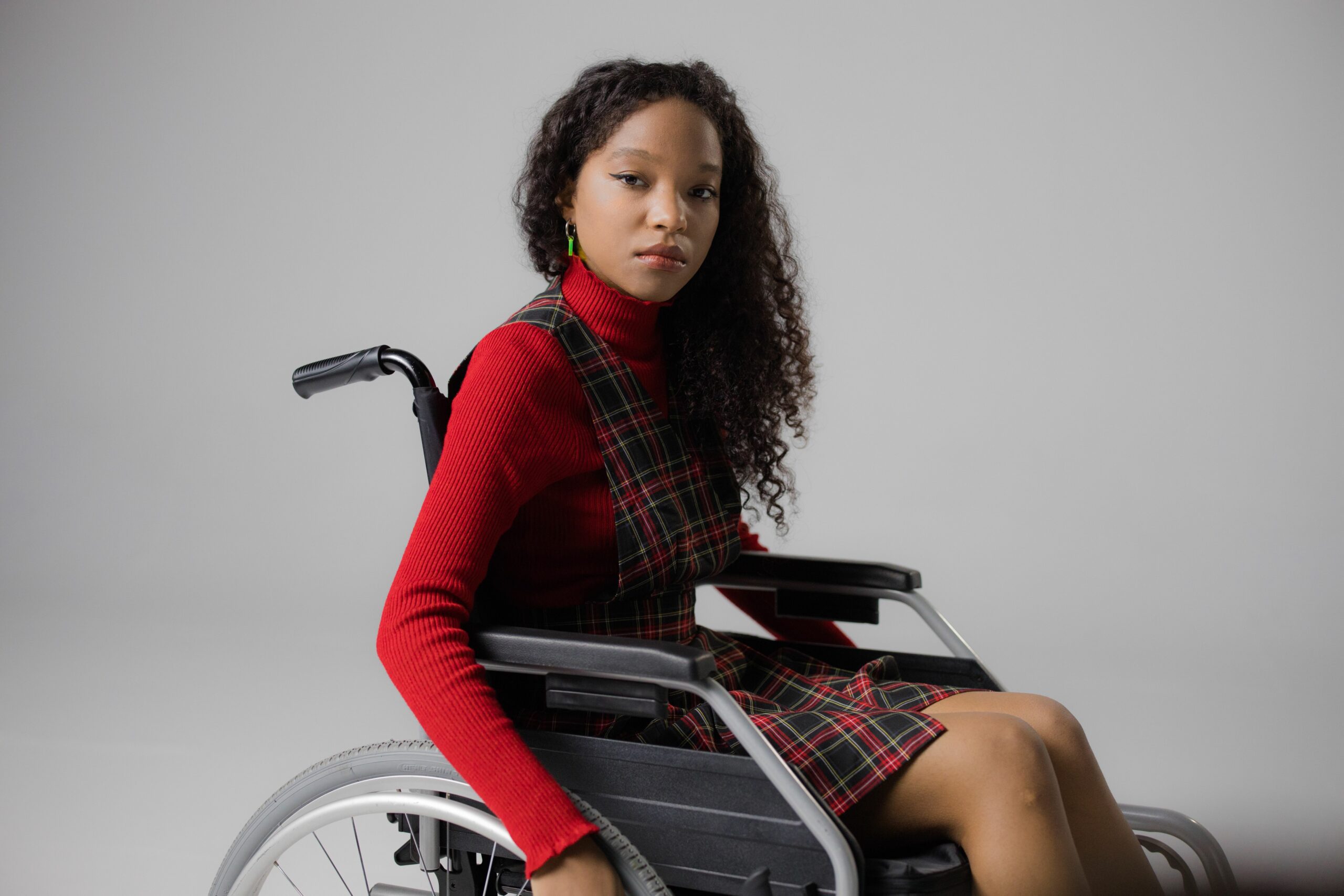

Universal Standard brand purpose is more than a mission statement – it is a set of decisions you can translate into creator selection, messaging, and measurement. If you market fashion through influencers, the purpose only matters when it changes what you publish, who you pay, and how you judge performance. This guide turns the idea into a practical campaign system: definitions, a briefing framework, negotiation points, and metrics you can track week to week.
Universal Standard brand purpose – the plain English version
Universal Standard is widely associated with size inclusivity and fit consistency, which makes its purpose unusually easy to test in public. Purpose, in this context, means the brand makes a promise about who gets served and how the product experience should feel across sizes. That promise should show up in casting, sizing ranges, imagery, language, and customer support, not just in a tagline. For influencer marketing, the key is to treat purpose as a set of claims that must be evidenced in content. When you do that, you can build campaigns that feel credible instead of performative.
Actionable takeaway: write your purpose as three testable statements, then require creators to show proof points in their deliverables. Example statements could be: the product fits across a broad size range, the styling works on different bodies, and the shopping experience respects the customer. Each statement should map to at least one content moment, such as a try-on, a fit check, or a sizing walkthrough.
Define the metrics and deal terms you will use (so purpose is measurable)
Before you brief creators, align on the terms that will determine whether the campaign worked. Otherwise, purpose becomes a vibe, and the post-campaign report becomes a debate. Use these definitions in your brief and in your contract so everyone is speaking the same language.
- Reach – the number of unique people who saw the content.
- Impressions – total views, including repeat views by the same person.
- Engagement rate – engagements divided by impressions or reach (state which one you use). A common formula is (likes + comments + saves + shares) / impressions.
- CPM – cost per 1,000 impressions. Formula: (spend / impressions) x 1000.
- CPV – cost per view, usually for video. Formula: spend / views (define 3-second view vs completed view).
- CPA – cost per acquisition (purchase, signup, or other conversion). Formula: spend / conversions.
- Whitelisting – the creator grants access for the brand to run paid ads through the creator handle (often via platform permissions).
- Usage rights – permission for the brand to reuse creator content on owned channels, email, paid ads, or retail screens, for a defined time.
- Exclusivity – creator agrees not to promote competing brands for a defined period and category scope.
Actionable takeaway: add a one-page “measurement and rights” appendix to every influencer agreement. It should specify attribution (UTM, promo code, platform pixel), the engagement rate formula, and the exact usage window (for example, 6 months paid social, worldwide, digital only).
Turn purpose into a creator brief that produces proof, not platitudes
A purpose-led fashion brief should tell creators what to demonstrate, not what to believe. Start with the customer problem your purpose claims to solve, then build deliverables that show the product and experience solving it. For Universal Standard style positioning, that usually means fit, comfort, styling versatility, and the emotional relief of not being excluded. However, you still need guardrails so the content stays specific and avoids broad statements that can trigger skepticism.
Use this simple brief structure:
- Audience – who you want to reach (size range, style identity, shopping pain points).
- Single-minded message – one sentence that ties product to purpose (example: “consistent fit and modern staples across sizes”).
- Proof points – 3 to 5 things the creator must show (size selection process, fabric stretch, sitting and movement, outfit repeatability).
- Do not say – banned claims (medical, absolute guarantees, or disparaging language about bodies).
- CTA and offer – code, landing page, or waitlist, plus what “success” looks like.
Actionable takeaway: require at least one “fit evidence” moment in every video. That can be a waistband close-up, a seated shot, a full-length mirror pan, or a side profile. Purpose becomes credible when the viewer can verify it visually.
Creator selection rules for a purpose-led fashion brand
Purpose does not mean you only partner with activists. It means you choose creators whose audience will trust the message and whose content style can demonstrate the proof points. For Universal Standard style campaigns, prioritize creators who already do try-ons, sizing notes, and wardrobe building. Then, layer in representation across body types, heights, ages, and mobility needs so the purpose is visible without being announced.
Use decision rules instead of gut feel:
- Content fit – at least 30 percent of recent posts should be fashion or styling content, not generic lifestyle.
- Demonstration ability – creator regularly shows fit details, not just posed photos.
- Comment quality – look for sizing questions and thoughtful replies, not only emojis.
- Brand safety – scan for past posts that conflict with inclusive messaging.
- Audience match – use platform insights to confirm geography, age, and gender distribution.
Actionable takeaway: build a short “creator evidence checklist” and score each candidate 1 to 5 on demonstration ability, comment quality, and audience match. If a creator cannot show fit details clearly, they are a weak match for a purpose built around inclusion and consistency.
For more practical frameworks on evaluating creators and structuring partnerships, keep a running reference from the InfluencerDB Blog influencer marketing guides and adapt the checklists to your brand’s purpose claims.
Pricing and negotiation – how purpose changes the deal
Purpose-led campaigns often require more effort from creators: multiple outfit changes, detailed sizing notes, and higher comment engagement. That means you should expect higher rates than a simple product mention, especially if you want whitelisting and usage rights. The clean way to negotiate is to separate creative fee, licensing, and performance incentives. This keeps the relationship fair and makes your ROI math clearer.
| Cost component | What it covers | When to use it | Negotiation tip |
|---|---|---|---|
| Creative fee | Planning, filming, editing, posting, community management | Always | Increase fee when you require try-on sequences, sizing overlays, or multiple hooks |
| Usage rights | Brand reuse on owned channels and paid placements | When you want to repurpose content | Price by duration and channel – 3 months owned is cheaper than 12 months paid |
| Whitelisting | Running ads through creator handle | When you need performance scale | Ask for a 30-day test window with an option to extend at a pre-set rate |
| Exclusivity | Restriction on competitor promotions | When category conflict is high | Keep scope narrow (category + time) to avoid overpaying |
| Performance bonus | Incentive for sales or qualified leads | When tracking is reliable | Use tiered bonuses tied to CPA or revenue milestones |
Actionable takeaway: if you need purpose proof points, pay for the extra production. Ask creators to quote two packages: a baseline post and a “fit evidence” version with additional shots and pinned comment Q and A. You will learn quickly what the proof costs.
Measurement framework – connect purpose to performance without hand-waving
Purpose-led work still needs performance discipline. The trick is to measure both brand outcomes (trust, consideration) and direct outcomes (traffic, sales) in the same report. Start by choosing one primary KPI and two secondary KPIs per campaign. Then, use consistent formulas so you can compare creators fairly.
| Objective | Primary KPI | Supporting metrics | How to instrument |
|---|---|---|---|
| Awareness for inclusive sizing | Reach | Video views, CPM, saves | Platform insights + whitelisted ads for scale |
| Consideration and fit confidence | Engagement rate | Comments with sizing questions, saves, profile visits | Comment tagging + post saves tracking |
| Conversion | CPA | Revenue, AOV, add-to-cart rate | UTMs + promo codes + pixel events |
| Creative learning | Hook hold rate | 3-second view rate, completion rate | Platform video analytics and standardized hook templates |
Example calculation: you pay $2,500 for a Reel that generates 180,000 impressions and 1,200 site sessions. CPM = (2500 / 180000) x 1000 = $13.89. If 25 purchases come from UTMs and codes combined, CPA = 2500 / 25 = $100. Now compare that CPA to your margin and repeat purchase rate to decide whether to scale via whitelisting.
Actionable takeaway: create a “purpose proof” score alongside performance metrics. Track whether the creator included sizing details, showed movement, addressed common fit questions, and pinned a helpful sizing comment. Over time, you will see which proof points correlate with lower CPA and higher saves.
For ad disclosure and endorsement expectations, align your briefs with the FTC Disclosures 101 guidance so creators know exactly how to label partnerships.
Execution checklist – from outreach to post-campaign learning
A purpose-forward campaign can fall apart in execution if you treat it like a one-off post buy. Instead, run it like a repeatable system with clear owners, deadlines, and review gates. This reduces back-and-forth and protects the creator’s voice while still ensuring the proof points appear.
- Outreach – send a one-paragraph pitch that states the purpose claim and the proof you want on camera.
- Creative alignment – approve a short outline, not a full script, to keep it authentic.
- Product logistics – confirm size, inseam, and preferred fit; include a return label to reduce friction.
- Compliance – confirm disclosure placement and any platform-specific requirements.
- Measurement – issue UTMs and codes before filming so CTAs are correct.
- Post-campaign – capture learnings in a shared doc: hook, proof points, objections, and outcomes.
Actionable takeaway: standardize a “fit notes” template creators can copy into captions or on-screen text. Include fields like size worn, height, usual size range, and fit preference. Consistency makes your purpose claim easier to believe and easier to compare across creators.
If you are running whitelisted ads, also review platform ad policies and formats. Meta’s official documentation is a reliable reference for setup details and permissions: Meta Business Help Center.
Common mistakes that make purpose-led influencer campaigns backfire
Purpose is fragile because audiences can sense when it is being used as a costume. The most common failure is asking creators to repeat brand language instead of showing evidence. Another frequent mistake is over-controlling the script, which makes the content sound like an ad read and reduces trust. Brands also misstep by using diverse casting in one campaign but reverting to narrow representation elsewhere, which makes the purpose feel temporary. Finally, teams often forget to budget for usage rights, then scramble to repurpose content without permission.
- Do not rely on slogans – require visual proof points.
- Do not skip comment management – sizing questions are the campaign.
- Do not demand exclusivity without paying for it – keep scope tight.
- Do not measure only sales – track saves and sizing-related comments as leading indicators.
Actionable takeaway: run a quick “credibility audit” before launch. Check whether your landing page, size chart, and product photography support the same inclusivity message the creators will share. If the site experience contradicts the content, creators will take the blame in comments.
Best practices – how to make the purpose feel real and perform well
When purpose and performance work together, the content teaches the audience something useful. That usually means showing how to choose a size, how a garment moves, and how to style it in real life. It also means letting creators speak plainly about tradeoffs, such as fabric weight or preferred fit, because honesty increases conversions. In addition, build campaigns around repeatable formats, like “three outfits, one piece” or “fit check in motion,” so you can A and B test hooks without changing the purpose message.
- Build a proof library – save the best fit demonstrations and reuse them with proper usage rights.
- Use a two-step CTA – first ask for saves, then follow with a link click or code in Stories.
- Run creator-led FAQs – have creators answer top sizing questions in a follow-up post.
- Scale winners with whitelisting – only after you confirm comments are positive and sizing info is clear.
Actionable takeaway: treat “saves per 1,000 impressions” as a practical proxy for wardrobe intent. If one creator drives high saves but modest clicks, retarget those viewers with a whitelisted ad that leads to a sizing guide or bestsellers page.
Quick template – a purpose-first brief snippet you can copy
Use this as a starting point and adjust to your product line. Keep it short so creators can actually use it while filming.
- Message: Inclusive fit and modern staples across sizes.
- Must show: size worn + height, movement test, close-up of fabric, one styling swap.
- Must answer: “How did you choose your size?” and “How does it feel after 2 hours?”
- CTA: Use code USSTYLE for 15% off, link in bio with UTM.
- Disclosure: Put “Paid partnership” and #ad in the first lines of the caption.
Actionable takeaway: after the first wave, update this template using real objections from comments. Purpose gets stronger when you respond to what shoppers actually ask, not what the brand hopes they care about.