

Fashion influencers Australia are a powerful channel for brands that need fast creative, credible product proof, and measurable sales, but only if you choose creators with real reach and clean audience data. This guide breaks down how to shortlist talent, audit performance, set pricing, and negotiate terms without guessing. You will also get benchmarks, simple formulas, and two tables you can reuse in your next brief. Along the way, you will learn the difference between reach and impressions, when CPM beats CPA, and how usage rights can quietly double your cost. If you want ongoing tips and examples, browse the InfluencerDB blog guides as you build your workflow.
What the key metrics and terms actually mean
Before you compare creators, align on definitions so your team stops debating apples versus oranges. Reach is the number of unique people who saw content, while impressions is total views including repeats. Engagement rate is typically (likes + comments + saves + shares) divided by followers or by reach, so you must specify the denominator in your report. CPM is cost per thousand impressions, CPV is cost per view (usually for video), and CPA is cost per acquisition (a purchase, signup, or other conversion). Whitelisting means running ads through the creator’s handle, while usage rights define how you can reuse their content on your own channels or in paid media. Finally, exclusivity restricts the creator from working with competitors for a period of time, and it should always be priced as a separate line item.
- Decision rule: If your goal is awareness, optimize for reach and CPM. If your goal is sales, track CPA and incrementality, not likes.
- Reporting tip: Ask creators to share screenshots of platform insights for reach, impressions, and audience geography, not just a recap slide.
Fashion influencers Australia: how to build a shortlist that fits your brand
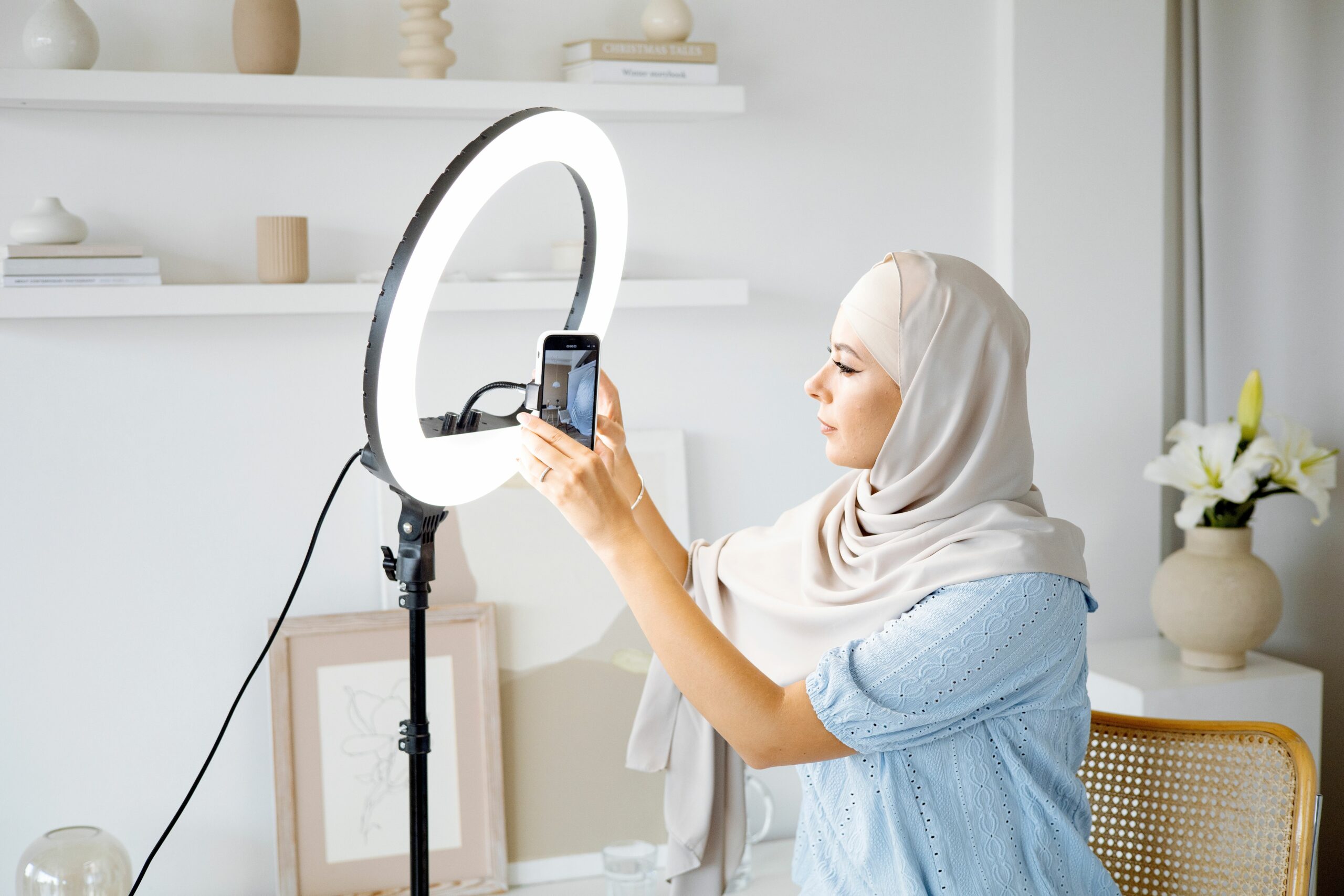
Start with a tight definition of what “fit” means for your category, price point, and aesthetic. For example, an Australian streetwear label might prioritize creators with high male reach and strong Reels performance, while a luxury resale platform may care more about storytelling, styling credibility, and older demographics. Next, decide your non negotiables: platform (Instagram, TikTok, YouTube), location (Australia wide or city specific), and content formats (Reels, TikTok, Stories, YouTube Shorts). Then build a shortlist by combining three sources: organic discovery (hashtags and location tags), customer data (who already tags your brand), and database style research (consistent metrics across candidates). As you collect names, capture the same fields for everyone so you can compare fairly: follower count, average views, engagement rate definition, audience location, and recent brand partnerships.
- Checklist: 10 to 20 creators per tier (micro, mid, macro) is enough for a first pass.
- Practical filter: Exclude creators whose last 10 posts are mostly giveaways or engagement bait if you need purchase intent.
Vetting creators: a simple audit for fake followers and weak fit
Once you have a shortlist, audit each creator like you would a media buy. First, scan recent content for consistency: do they post regularly, and do views swing wildly without a clear reason? Second, check audience quality by asking for audience screenshots that show top countries, cities, age ranges, and gender split. For Australian campaigns, you usually want a meaningful share of Australia in the top locations, but do not set a single universal threshold because niches vary. Third, review comment quality: real audiences leave specific comments about fit, sizing, and styling, while bot activity looks generic and repetitive. Finally, look for brand safety issues, including undisclosed ads and controversial content that could clash with your positioning.
When you need a formal standard for disclosures, reference the Australian Competition and Consumer Commission guidance on social media advertising and endorsements. Keep it in your compliance folder and share it with creators early so there are no surprises: ACCC social media advertising guidance.
- Fraud red flag: A creator with 200k followers and 2k average views on short form video may have inflated followers or a disengaged audience.
- Fit test: Ask, “Could this post look native on their feed without the product?” If not, performance often suffers.
Pricing benchmarks and how to calculate fair rates
Influencer pricing in fashion is messy because creators sell both distribution and production. A clean way to negotiate is to separate the base deliverable fee from add ons like usage rights, whitelisting, and exclusivity. Start with a benchmark range by platform and follower tier, then sanity check it against expected impressions or views. If a creator is expensive but reliably drives high reach, CPM may still be efficient. On the other hand, if their content is beautiful but distribution is weak, you may treat it like a content production buy and price it accordingly.
| Tier (followers) | Instagram Reel (AUD) | TikTok video (AUD) | Story set (3 frames) (AUD) | Notes |
|---|---|---|---|---|
| Nano (1k to 10k) | 200 to 700 | 150 to 600 | 100 to 300 | Often strongest for community trust, weaker for scale |
| Micro (10k to 50k) | 700 to 2,500 | 600 to 2,500 | 250 to 900 | Good balance of cost and performance for fashion |
| Mid (50k to 250k) | 2,500 to 10,000 | 2,000 to 10,000 | 900 to 3,000 | Expect clearer creative direction and stronger negotiation |
| Macro (250k to 1M) | 10,000 to 35,000 | 8,000 to 30,000 | 3,000 to 10,000 | Pay for reach, brand association, and production value |
Now pressure test with simple math. Use CPM when you have impression estimates, and CPV when video views are the main unit.
- CPM formula: CPM = (Cost / Impressions) x 1,000
- CPV formula: CPV = Cost / Video views
- CPA formula: CPA = Cost / Conversions
Example: You pay AUD 4,000 for one Reel and one Story set. The creator’s Reel averages 80,000 impressions and Stories average 20,000 impressions, so total impressions are 100,000. CPM = (4,000 / 100,000) x 1,000 = AUD 40. If your internal paid social CPM is AUD 18, that does not automatically mean the creator is overpriced because creator content can lift brand search and conversion rate. Still, the CPM gives you a clear anchor for negotiation.
Negotiation levers: usage rights, whitelisting, exclusivity, and revisions
Most budget blowouts come from unclear terms, not the base post fee. Usage rights should specify where the content can be used (organic only, paid ads, email, website), for how long, and in which regions. Whitelisting should define who pays media spend, what audiences you can target, and whether the creator must approve ad variations. Exclusivity should be narrow: define competitor categories precisely and set a time window that matches your launch cycle. Also clarify the revision process so you do not end up with endless rounds that frustrate both sides.
| Term | What to specify | Typical pricing approach | Brand friendly clause |
|---|---|---|---|
| Usage rights | Channels, region, duration, paid or organic | +20% to +100% of base fee depending on scope | 12 month organic usage included, paid usage quoted separately |
| Whitelisting | Access method, ad approval, spend cap, duration | Flat fee per month or +15% to +40% | 30 day test with option to extend at fixed rate |
| Exclusivity | Competitor list, category definition, time window | +10% to +50% depending on restriction | Exclude only direct competitors, not entire fashion category |
| Revisions | Number of rounds, what counts as a revision | Included up to 1 to 2 rounds, then hourly | One script revision and one edit revision included |
For platform specific ad rules and branded content tools, keep Meta’s official overview handy, especially if you plan to boost posts or run partnership ads: Meta Business Help Center. Put the link in your internal playbook so legal, paid media, and influencer teams work from the same source.
A step by step campaign framework you can reuse
To run a fashion influencer campaign in Australia that is measurable, follow a simple sequence: objective, creator mix, brief, tracking, and review. First, set one primary KPI per phase: reach for awareness, clicks for consideration, and CPA or revenue for conversion. Second, choose a creator mix that matches the funnel: a few mid to macro creators for reach, plus a wider layer of micro creators for frequency and social proof. Third, write a brief that is specific on product claims, styling requirements, and do not say list, but flexible on voice so content stays authentic. Fourth, implement tracking with unique links, codes, and a consistent naming convention so you can attribute results without chasing screenshots. Finally, run a post campaign review within seven days while data is fresh, then roll learnings into the next wave.
| Phase | Tasks | Owner | Deliverables |
|---|---|---|---|
| Plan | Define KPI, budget, creator tiers, key messages | Brand lead | One page strategy and measurement plan |
| Recruit | Outreach, collect rates, request audience insights | Influencer manager | Shortlist with audit notes and proposed fees |
| Brief | Creative brief, disclosure guidance, usage terms | Brand plus legal | Signed agreement and content timeline |
| Launch | Approve drafts, publish, monitor comments, boost if planned | Creator plus brand | Live posts, community management log |
| Measure | Collect insights, calculate CPM and CPA, summarize learnings | Analyst | Performance report and next wave recommendations |
- Tracking setup: Use UTM links per creator and per platform, plus a unique discount code as a backup signal.
- Creative safeguard: Ask for a rough cut or script outline before filming if the product has strict claims.
Common mistakes that waste budget
One common mistake is buying follower count instead of expected impressions, which leads to expensive posts with weak distribution. Another is skipping usage rights language, then discovering you cannot repost the best content on your own channels. Teams also over index on engagement rate without checking whether the audience is actually in Australia or in your target age bracket. In fashion, it is easy to brief too tightly and drain the creator’s voice, which can reduce performance even if the content looks polished. Finally, brands often delay measurement until weeks later, by which time links are broken, screenshots are missing, and learnings are fuzzy.
- Fix: Require audience location screenshots and average views before you agree on fees.
- Fix: Put usage, whitelisting, and exclusivity as separate line items in every quote.
Best practices for repeatable results in Australian fashion
Build a creator roster you can activate repeatedly instead of reinventing the wheel each launch. Start with a quarterly test budget across 10 to 30 creators, then promote winners into longer term partnerships where rates stabilize and content quality improves. Use a consistent creative structure that works in fashion: a strong hook, a try on or styling sequence, and a clear call to action with sizing or fit details. When possible, collect first party signals such as email signups or quiz completions so you are not relying only on platform metrics. Also, consider whitelisting top performing creators and running paid amplification, because it lets you scale what already resonates while keeping the creator’s identity intact.
- Operational tip: Keep a shared sheet with creator performance, content notes, and negotiated terms so your next campaign starts faster.
- Optimization rule: If CPM is acceptable but CPA is high, test a stronger offer, a landing page update, or a different creator tier before you cut the channel.
Quick reference: what to ask creators before you sign
To close, here is a practical set of questions that protects your budget and improves outcomes. Ask for average views and impressions for the last 10 posts, not their best post. Request audience location and age breakdown, and confirm Australia is a meaningful share if that is your market. Confirm whether they can provide raw footage, and whether that changes the fee. Clarify timelines for drafts, revisions, and posting windows, especially around major retail moments like Black Friday or end of season sales. Then document everything in writing, including disclosure expectations and content usage, so both sides can focus on making great work.
- Minimum data request: Average Reel impressions, Story reach, audience top countries and cities, and examples of past fashion partnerships.
- Contract must haves: Deliverables, deadlines, payment terms, usage rights scope, exclusivity definition, and cancellation terms.