

Male TikTok influencers are shaping product discovery in 2025, but the winners are the brands that vet creators like analysts, not fans. This guide shows how to build a shortlist, audit audience quality, estimate fair pricing, and write a brief that protects your budget and your brand. You will also get practical benchmarks, simple formulas, and negotiation rules you can use today. If you are hiring for a launch, an always-on program, or a single burst campaign, the same fundamentals apply. The difference is how strict you are about data and deliverables.
Male TikTok influencers: what counts in 2025 (and why it matters)
Before you shortlist creators, define the terms you will use in your spreadsheet and contracts. Otherwise, you will compare creators unfairly and overpay for vanity metrics. Start with these definitions and apply them consistently across every candidate. Keep the definitions in your campaign doc so your team and the creator speak the same language. That alone reduces revisions and prevents scope creep. Finally, decide which metric is your primary success signal, because you cannot optimize for everything at once.
- Engagement rate (ER) – a ratio that shows how actively viewers interact. A common TikTok proxy is (likes + comments + shares) / views. Use the same formula for every creator.
- Reach – unique accounts that saw the content. On TikTok, creators may not always share reach, so you often start with views and request screenshots later.
- Impressions – total times the content was served. Impressions can be higher than reach because one person can see a video multiple times.
- CPM – cost per 1,000 impressions. Formula: CPM = cost / (impressions / 1,000).
- CPV – cost per view. Formula: CPV = cost / views. Useful for upper funnel comparisons.
- CPA – cost per acquisition (purchase, signup, install). Formula: CPA = cost / conversions. This is the cleanest metric when tracking is solid.
- Whitelisting – the creator grants permission for the brand to run paid ads through the creator’s handle (often called Spark Ads on TikTok). Pricing should include setup and usage period.
- Usage rights – permission to reuse content on your brand channels, ads, email, or website. Define duration, placements, and geography.
- Exclusivity – a restriction that prevents the creator from working with competitors for a set time. This should be paid, not assumed.
Takeaway: Put these terms in your brief and contract, then require creators to report the same post-campaign metrics for every deliverable. Consistency is how you learn what works.
How to build a 2025 shortlist without guessing
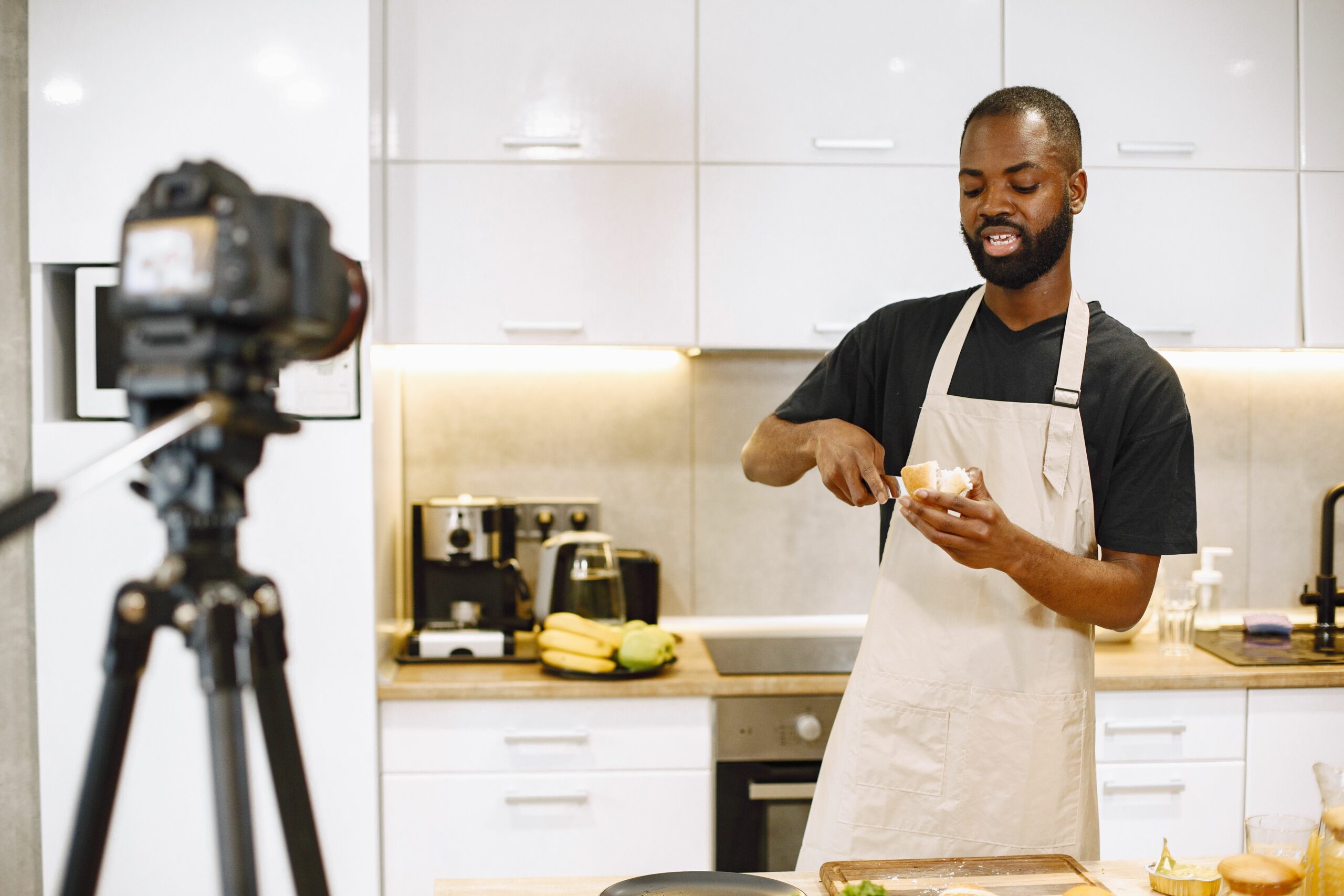
In 2025, “male creator” is not a niche by itself. You will get better results by pairing gender with a content lane and a buyer intent level. Start by writing down your target customer, the moment they open TikTok, and the problem you want the video to solve. Then map that to creator archetypes that naturally deliver the message. This approach prevents you from hiring a popular face who cannot credibly sell your product.
Use these practical shortlist steps:
- Pick 2 content lanes – for example: fitness education, men’s grooming, streetwear styling, tech reviews, finance basics, comedy skits, or dad life. Two lanes keeps testing focused.
- Define the buying trigger – “I need a cheaper alternative,” “I want a routine,” “I want a gift,” or “I want proof it works.” Your script direction will follow.
- Set minimum creator signals – at least 10 recent posts, a consistent format, and visible comment activity that looks human.
- Collect 20 candidates – build a wide top-of-funnel list first. Do not negotiate before you vet.
- Narrow to 6 to 10 – select creators whose last 10 videos show repeatable performance, not one viral spike.
For more frameworks on creator selection and campaign planning, keep a running folder of playbooks from the and add your own internal notes after each campaign. The goal is to turn taste into a repeatable process.
Takeaway: Shortlists perform better when they are built around content lanes and buying triggers, not follower counts.
Vetting checklist: audience quality, brand fit, and fraud signals
Once you have a shortlist, vet each creator like you are underwriting risk. TikTok distribution can swing, so you need multiple signals, not one metric. Ask for screenshots from TikTok analytics if the creator is willing, but also learn to judge from public signals. In addition, evaluate whether the creator can deliver your message without sounding like an ad read. The best male creators in 2025 often win because they keep the tone natural and the pacing tight.
- Consistency check – review the last 10 to 15 videos. Look for stable view ranges and repeatable formats.
- Comment quality – scan for specific questions, product curiosity, and back-and-forth replies. Generic emoji floods can be a warning sign.
- Audience match – does the creator’s content attract the demographic you need? If you sell premium skincare, a bargain-hunting audience may not convert.
- Brand safety – check for polarizing topics, risky language, or past controversies. Save screenshots for your internal review.
- Sponsored content ratio – too many ads in a row can reduce trust. Look for a healthy mix of organic and paid posts.
- Performance outliers – one viral hit is not a plan. Prefer creators whose median views are strong.
When you need a second opinion, use a simple scoring model. Rate each creator 1 to 5 on brand fit, content quality, audience match, and reliability. Then multiply by weights that reflect your goal. For example, a conversion campaign might weight audience match and reliability higher than pure creativity.
Takeaway: Use a weighted scorecard so your team can defend decisions with data, not vibes.
Benchmarks and pricing: CPM, CPV, and deal structures that work
Pricing for TikTok is messy because outcomes vary by format, hook strength, and distribution. Still, you can anchor negotiations with a few benchmark ranges and a clear method. Start by asking the creator for their rate card and typical views on sponsored posts. Then compare that to what you can afford per view or per 1,000 impressions based on your funnel math. If the numbers do not work, change the deliverables, add performance incentives, or walk away.
| Metric | Formula | Best for | Watch-outs |
|---|---|---|---|
| CPV | Cost / Views | Awareness and efficient reach | Views do not equal attention or intent |
| CPM | Cost / (Impressions / 1,000) | Cross-channel comparison | Impressions may be unavailable without screenshots |
| CPA | Cost / Conversions | Direct response and ecommerce | Needs solid tracking and attribution rules |
| Engagement rate | (Likes + Comments + Shares) / Views | Creative resonance | High ER can still fail to convert |
Now add a practical pricing table you can use as a starting point. These are not universal truths, but they help you sanity-check quotes. Treat them as ranges for a single TikTok video deliverable, excluding heavy usage rights or exclusivity.
| Creator tier (followers) | Typical sponsored views (median) | Common price range per video | Reasonable CPV target |
|---|---|---|---|
| Micro (10k to 50k) | 5k to 30k | $150 to $800 | $0.01 to $0.06 |
| Mid (50k to 250k) | 20k to 150k | $800 to $4,000 | $0.01 to $0.05 |
| Macro (250k to 1M) | 80k to 500k | $4,000 to $15,000 | $0.02 to $0.06 |
| Mega (1M+) | 250k to 2M+ | $15,000 to $75,000+ | $0.03 to $0.10 |
Example calculation: a creator quotes $3,000 and expects 120,000 views. CPV = 3,000 / 120,000 = $0.025. If your target CPV ceiling is $0.03 for awareness, that is workable. However, if you need conversions, you should also estimate CPA. Suppose you expect a 0.8% click rate to your landing page and a 3% purchase rate after click. Expected purchases = 120,000 x 0.008 x 0.03 = 28.8 purchases. Estimated CPA = 3,000 / 28.8 = $104. If your margin cannot support that, you need a different plan.
Takeaway: Negotiate from CPV or CPM for awareness, and from CPA math for performance. If the math fails, change the deal structure instead of hoping.
Negotiation rules: usage rights, whitelisting, and exclusivity
Creators are not interchangeable, and neither are contracts. The fastest way to overpay is to accept vague rights language. In 2025, many brands want to repurpose TikTok videos into ads, product pages, and email flows. That is valuable inventory, so you should price it explicitly. At the same time, creators deserve clarity so they can protect their own channels and future earnings.
- Usage rights – specify where you can use the content (organic social, paid ads, website), for how long (30, 90, 180 days), and in which regions. If you want paid usage, expect an uplift.
- Whitelisting – treat it as a separate line item with a defined duration and ad spend cap. Also clarify who handles comments and community management.
- Exclusivity – define the competitor set and the time window. A narrow exclusivity clause is easier to accept and cheaper than a broad one.
- Revisions – include one reasonable revision round focused on factual accuracy and brand safety, not creative rewrites.
- Deliverable clarity – lock the format (UGC style, review, skit), length range, and key talking points.
Disclosure is not optional. If you operate in the US, align your brief with the FTC’s endorsement guidance so creators disclose clearly and consistently. Reference: FTC Endorsements, Influencers, and Reviews.
Takeaway: Put money next to rights. If you want broader usage, pay for it and write it down.
A practical campaign framework: brief, tracking, and reporting
A strong brief makes male TikTok influencers better at their job because it removes guesswork. Keep it short, but specific. Give creators a clear problem, a product truth, and a single call to action. Then let them write the hook in their own voice. After that, set up tracking so you can compare creators fairly and scale what works.
| Phase | Tasks | Owner | Deliverables |
|---|---|---|---|
| Planning | Define goal, audience, offer, and success metric | Brand | One-page brief + KPI targets |
| Creator selection | Shortlist, vet, score, and confirm availability | Brand | Final roster + backup list |
| Contracting | Lock deliverables, rights, exclusivity, and reporting | Brand + Creator | Signed agreement + content timeline |
| Production | Script outline, filming, one revision, final approval | Creator | Final video files + captions |
| Launch | Post, monitor comments, capture early performance | Creator + Brand | Live links + first 24h snapshot |
| Reporting | Collect metrics, compute CPV/CPA, learnings | Brand | Campaign report + next test plan |
Tracking setup that works for most teams:
- UTM links for every creator and every post. Keep naming consistent: utm_source=tiktok, utm_medium=influencer, utm_campaign=launch2025, utm_content=creatorname_video1.
- Creator-specific codes for ecommerce. Codes help when attribution is messy and also motivate creators.
- Landing pages matched to the creator’s promise. If the video sells a routine, the page should not open on a generic homepage.
If you run Spark Ads, follow TikTok’s official documentation so permissions and ad identity are set correctly. Reference: TikTok Spark Ads help.
Takeaway: A one-page brief plus consistent UTMs is enough to turn creator content into measurable marketing.
Common mistakes (and how to avoid them)
Most underperforming influencer campaigns fail for boring reasons. The creative can be fine, but the offer is unclear, the rights are missing, or the brand picked creators based on follower count alone. Fixing these issues does not require more budget, just better process. Use this section as a pre-flight checklist before you send your first email.
- Hiring on followers – instead, evaluate median views and format consistency.
- Vague CTAs – pick one action: shop, sign up, download, or learn more.
- No rights language – if you plan to repurpose content, negotiate usage up front.
- Over-editing – heavy brand scripting often kills TikTok performance. Provide guardrails, not a teleprompter.
- Ignoring comment sentiment – comments are free qualitative research. Capture objections and feed them into the next brief.
Takeaway: If you fix selection criteria and contract clarity, you eliminate most expensive mistakes before they happen.
Best practices for repeatable wins with male creators
Once you find a few creators who can deliver, treat them like a small media network. Build a testing cadence, keep creative learnings in a shared doc, and scale only after you see repeatable results. In addition, respect the creator’s voice because that is what the audience trusts. The best partnerships in 2025 look less like one-off sponsorships and more like collaborative production.
- Test in batches – run 3 to 5 creators with the same offer so you can compare fairly.
- Standardize reporting – require screenshots for views, watch time if available, and audience breakdown when possible.
- Build a hook library – save top openings and map them to outcomes: clicks, saves, or purchases.
- Pay for performance upside – add a bonus for hitting view or conversion thresholds to align incentives.
- Plan renewals early – if a creator works, lock the next two posts while momentum is high.
Takeaway: Repeatable wins come from structured testing, clean measurement, and partnerships that respect creator craft.
Quick decision rules: when to choose micro vs macro male TikTok influencers
If you are stuck between smaller and larger creators, use decision rules instead of debating opinions. Micro creators often win on cost efficiency and authenticity, while macro creators can deliver faster reach and stronger social proof. Your product category and timeline should decide. Also consider production complexity, because some campaigns require more polish than others.
- Choose micro if you need many angles, want to test hooks cheaply, or sell a product that benefits from trust and comments.
- Choose mid-tier if you want a balance of scale and responsiveness, especially for niche men’s interests like grooming routines or tech accessories.
- Choose macro or mega if you need instant awareness, have strong creative direction, and can afford usage rights for paid amplification.
Takeaway: Match tier to your goal and timeline, then let CPV and CPA math confirm the choice.
If you want to go deeper on creator vetting, measurement, and negotiation tactics, browse the latest guides on the InfluencerDB Blog and adapt the checklists into your team’s templates.