

Snapchat influencer marketing works best when you treat it like performance media – with clear deliverables, tight measurement, and creator fit that matches how people actually use Snapchat. The platform is built around quick, vertical, sound-on viewing, and that changes what “good creative” looks like compared to a polished Instagram feed post. Because content disappears and sharing is private, you also need a plan for saving proof, tracking outcomes, and reusing assets legally. In this guide, you will get a step-by-step framework to plan, price, negotiate, and measure Snapchat creator campaigns without guessing.
Snapchat influencer marketing basics: terms you must define
Before you price a deal or write a brief, align on the metrics and contract language. Otherwise, you will end up debating definitions after the content has already run. Start by defining these terms in plain language inside your agreement and your campaign tracker. That way, creators know what to capture, and your team knows what “success” means.
- Reach – unique accounts that saw the content at least once.
- Impressions – total views, including repeat views by the same person.
- Engagement rate – for Snapchat, define it explicitly (for example: replies + shares + story interactions divided by reach). If you cannot access those interaction counts, use a proxy like swipe-ups or link clicks divided by views.
- CPM (cost per mille) – cost per 1,000 impressions. Formula: CPM = (Cost / Impressions) x 1000.
- CPV (cost per view) – cost per video view. Formula: CPV = Cost / Views.
- CPA (cost per acquisition) – cost per purchase, signup, or other conversion. Formula: CPA = Cost / Conversions.
- Whitelisting – permission for a brand to run paid ads from the creator’s handle (or to use their content in ads) for a defined period and scope.
- Usage rights – how the brand can reuse the creator’s content (channels, duration, edits allowed, paid vs organic).
- Exclusivity – creator agrees not to work with competitors for a defined category and time window.
Takeaway: Put your definitions in one place – a campaign brief plus a simple contract addendum – and require creators to provide screenshots or exports of key Snapchat Insights within 24 to 48 hours of posting.
How Snapchat campaigns differ: choose the right objective
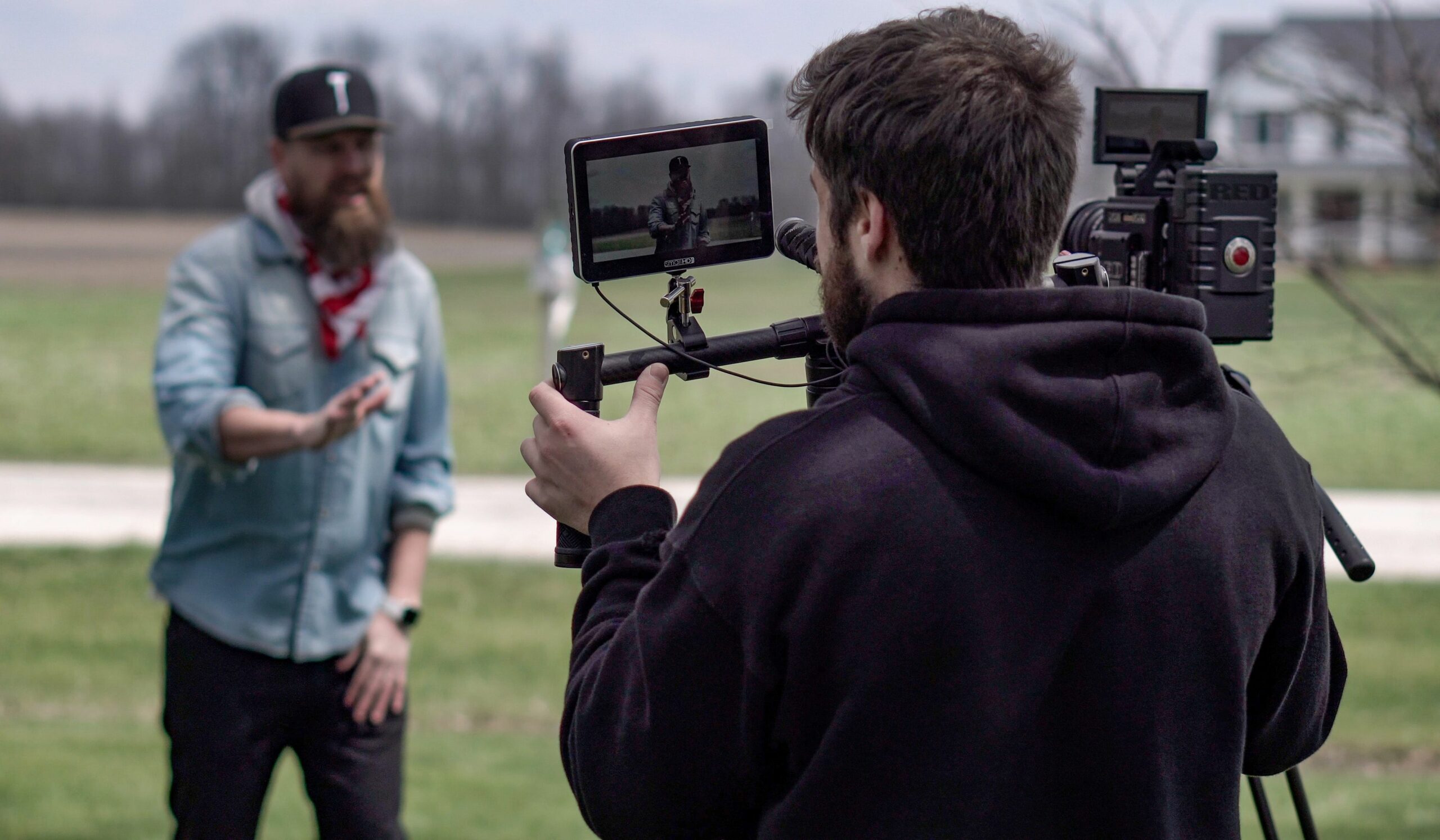
Snapchat is strongest when you lean into native behavior: quick storytelling, casual voice, and direct calls to action. That makes it a great fit for mid-funnel consideration and lower-funnel actions when you can track clicks and conversions. However, it can also support awareness if you structure deliverables around reach and completion rates rather than likes. The key is to pick one primary objective and one secondary objective, then match deliverables to each.
For awareness, prioritize story sequences that build context in 3 to 6 frames and end with a memorable brand cue. For consideration, use creator demos, comparisons, or “day in the life” integration that shows the product in use. For conversion, you need a trackable path – a unique URL with UTM parameters, a promo code, or a landing page built for mobile. Snapchat’s own business resources can help you align your creative and measurement approach with platform norms; start with Snapchat for Business to understand ad formats and reporting concepts that also apply to creator content.
Takeaway: If you cannot track conversions reliably, do not pretend it is a CPA campaign. Instead, run it as a CPV or CPM buy and judge it on view quality metrics like completion and swipe-through rate.
Briefs that creators can execute: a simple framework
A Snapchat brief should be short, specific, and built around what the creator will say and show in the first two seconds. Long brand decks often fail because creators do not have time to translate them into frames. Instead, write a one-page brief with clear constraints and a few creative “must hits.” Then, give creators room to deliver in their own voice.
Use this structure:
- Objective – one sentence (example: “Drive qualified traffic to the trial page”).
- Audience – who you want, plus one insight (example: “College students who want quick meal prep”).
- Key message – one promise and one proof point.
- Deliverables – number of story frames, any saved spotlight post, link placement, and posting window.
- Creative guardrails – words to avoid, claims you cannot make, brand safety rules.
- CTA – exact language and where it appears (frame 3 and final frame, for example).
- Tracking – UTM link, promo code, and required screenshots.
- Approval – what needs pre-approval (script outline vs final cut) and turnaround time.
When you need examples of how to structure creator programs across platforms, it helps to study proven campaign patterns and measurement approaches. Keep a running swipe file and benchmarks library from the InfluencerDB blog so your briefs get sharper over time.
Takeaway: Ask for a “frame plan” first – a bullet list of each snap frame and what happens – instead of demanding a fully edited draft. You will catch issues earlier and reduce revision cycles.
Pricing Snapchat creators: benchmarks, formulas, and deal structure
Snapchat pricing is less standardized than Instagram or TikTok because deliverables vary: story frames, saved Spotlight posts, link stickers, and sometimes cross-posting. So, the cleanest way to price is to anchor on expected views and then adjust for complexity, category risk, and usage rights. Start with a base rate for a story sequence, then add line items for whitelisting, paid usage, exclusivity, and rush turnaround.
| Creator tier | Typical story views per frame | Suggested pricing model | Common deliverable |
|---|---|---|---|
| Micro | 2,000 to 15,000 | Flat fee + performance bonus | 3 to 5 frame story with link |
| Mid-tier | 15,000 to 75,000 | CPV guardrail + flat production fee | 5 to 8 frame story + saved highlight |
| Macro | 75,000 to 250,000 | Package fee with usage options | Story sequence + optional Spotlight |
| Celebrity | 250,000+ | High flat fee, strict terms | Story takeover or major launch |
Now add a basic math layer so you can sanity-check quotes. If a creator expects 40,000 views per frame and you buy a 5-frame story, you might expect roughly 200,000 total views (not unique reach). If the fee is $4,000, then CPV = 4000 / 200000 = $0.02. If you can reasonably convert 1 percent of clickers and you expect 1,000 clicks, that is 10 conversions; your CPA = 4000 / 10 = $400, which may or may not be acceptable depending on your product margin.
| Deal component | What it covers | How to price it | Decision rule |
|---|---|---|---|
| Base story package | Creator time, filming, posting | Flat fee anchored to expected views | Target CPV range you can afford |
| Usage rights | Brand reposting on owned channels | +10% to +30% for 3 to 6 months | Pay more if you will reuse in ads |
| Whitelisting | Running paid from creator identity | Monthly fee or +20% to +50% | Only buy if you have paid budget |
| Exclusivity | No competitor promos | +25% to +100% depending on category | Limit to tight window and category |
| Performance bonus | Extra pay for outcomes | $ per click, $ per conversion, or tiered | Use when tracking is reliable |
Takeaway: Always separate “content creation and posting” from “rights and restrictions.” It keeps negotiations clean and prevents you from overpaying for terms you do not need.
Measurement that holds up: tracking, screenshots, and simple attribution
Snapchat’s private sharing makes last-click attribution harder, so you need a measurement stack that blends platform proof with your own analytics. Start with three layers: creator-provided Snapchat Insights, link tracking with UTMs, and on-site conversion tracking. If you are running paid amplification, add a fourth layer for ad platform reporting.
Here is a practical setup that works for most teams:
- UTM link – build one URL per creator and per flight. Example: ?utm_source=snapchat&utm_medium=creator&utm_campaign=fall_launch&utm_content=creatorname.
- Promo code – unique code per creator if checkout supports it. Use it as a backup signal.
- Landing page – mobile-first, fast load, and aligned with the creator’s message.
- Proof pack – require screenshots of views, reach, and any swipe-ups or link taps within 24 to 48 hours.
Then, calculate outcomes with simple formulas your stakeholders understand:
- CPM = (Cost / Impressions) x 1000
- CPV = Cost / Views
- CPC (cost per click) = Cost / Clicks
- CPA = Cost / Conversions
- ROAS (return on ad spend) = Revenue / Cost
Example: You pay $2,500 for a story package. You get 120,000 views, 1,800 clicks, and 36 purchases worth $3,600 in revenue. Your CPV is $0.0208, CPC is $1.39, CPA is $69.44, and ROAS is 1.44. That is not perfect attribution, but it is a consistent scorecard you can compare across creators and flights.
Takeaway: Decide in advance what you will optimize for. If your goal is clicks, do not judge creators primarily on reach. If your goal is sales, set a CPA ceiling and use bonuses to reward creators who beat it.
Creator selection and vetting: a fast audit checklist
On Snapchat, follower count is a weak signal because viewing is habitual and audience overlap can be high. Instead, you want creators with consistent story views, strong retention across frames, and a tone that fits your product category. Since public data is limited, ask for a lightweight media kit that includes average story views per frame, audience geography, and a few recent story analytics screenshots.
Use this audit checklist before you send an offer:
- View consistency – do story views hold across 3 to 6 frames, or drop off immediately?
- Audience fit – can the creator show geo and age ranges that match your target?
- Creative proof – do they have examples of product storytelling, not just selfies?
- Brand safety – scan recent content for risky topics, slurs, or misinformation.
- Operational reliability – do they deliver on time and provide reporting proof?
If you are unsure, run a small paid test with two to four creators and compare CPV, click-through rate, and conversion rate. In practice, a controlled test often beats endless debate about “who feels right.”
Takeaway: Ask for one thing that is hard to fake: a screen recording scrolling through Snapchat Insights for the last 7 to 28 days. It is a quick authenticity check without turning the process into an interrogation.
Common mistakes to avoid
Most Snapchat creator campaigns fail for predictable reasons, and the fixes are usually simple. First, brands over-script content, which makes it feel like an ad read and tanks retention. Second, teams forget that stories disappear, so they do not collect proof and cannot report results. Third, marketers buy usage rights “just in case,” then never reuse the content, wasting budget. Finally, many campaigns skip a clear CTA, so even strong view counts do not translate into action.
- Do not judge performance without defining what counts as engagement.
- Do not launch without UTMs and a backup promo code.
- Do not accept vague reporting like “it did great” – require screenshots.
- Do not demand perfection – Snapchat rewards natural delivery.
Takeaway: Build a one-page “campaign ops” checklist and use it every time. Consistency is what turns creator marketing into a repeatable channel.
Best practices: negotiation, compliance, and repeatable ops
Strong Snapchat programs are built on clear terms and fast feedback loops. When you negotiate, separate creative fees from rights, and be explicit about timelines. Also, protect the creator’s voice while still controlling claims, safety, and disclosure. In the United States, endorsements must be disclosed clearly and conspicuously; the FTC’s guidance is the baseline reference for how disclosures should work across social platforms. Review FTC endorsement guidelines and translate them into one line in your brief (for example: “Include #ad on the first frame where the brand appears”).
Operationally, treat Snapchat like a sprint:
- 48 to 72 hours before posting – approve the frame plan and CTA.
- Day of posting – confirm link works, landing page loads fast, and promo code is active.
- 24 to 48 hours after – collect screenshots, log metrics, and note creative learnings.
- Within 7 days – decide: scale, iterate, or stop based on your CPA or CPV targets.
Finally, if you plan to reuse content, write usage rights in plain language: where it can run, for how long, and whether you can edit. If you plan to run paid amplification, negotiate whitelisting up front so you are not scrambling later.
Takeaway: The best long-term savings come from process, not pressure. A clean brief, clear rights, and reliable reporting will lower your effective CPA more than squeezing a creator’s base fee.