

Social media marketing examples are only useful in 2025 if you can trace each post back to a goal, a metric, and a repeatable workflow. This update breaks down what is actually working across TikTok, Instagram, YouTube, and LinkedIn, then shows you how to adapt each pattern to your brand or creator business without copying the surface-level creative. Along the way, you will get definitions, benchmarks, simple formulas, and two planning tables you can reuse.
Social media marketing examples in 2025: the patterns behind the posts
Most high-performing campaigns now fall into a few recognizable patterns, even when the content looks totally different. The key is to identify the mechanism: what makes the audience stop, trust, and act. Start by labeling any campaign you like using one of these buckets, then decide what you can replicate with your resources.
- Proof-first demos – show the product working in the first 2 seconds, then explain. Best for DTC, apps, and tools.
- Creator-led education – a creator teaches a skill using your product as the tool, not the hero. Strong for SaaS and beauty.
- Community challenges – a simple prompt that invites participation and remixes. Works when you can reward UGC with features or prizes.
- Behind-the-scenes credibility – manufacturing, testing, sourcing, or team expertise. Effective for premium pricing and long consideration cycles.
- Offer plus urgency – limited bundles, drops, or seasonal hooks. Useful, but only if you can measure incrementality.
Takeaway: Before you brainstorm creative, pick one pattern and write down the single behavior it should drive – save, click, comment, trial, or purchase. That choice determines your KPI and your measurement setup.
Key terms you need before you copy any campaign
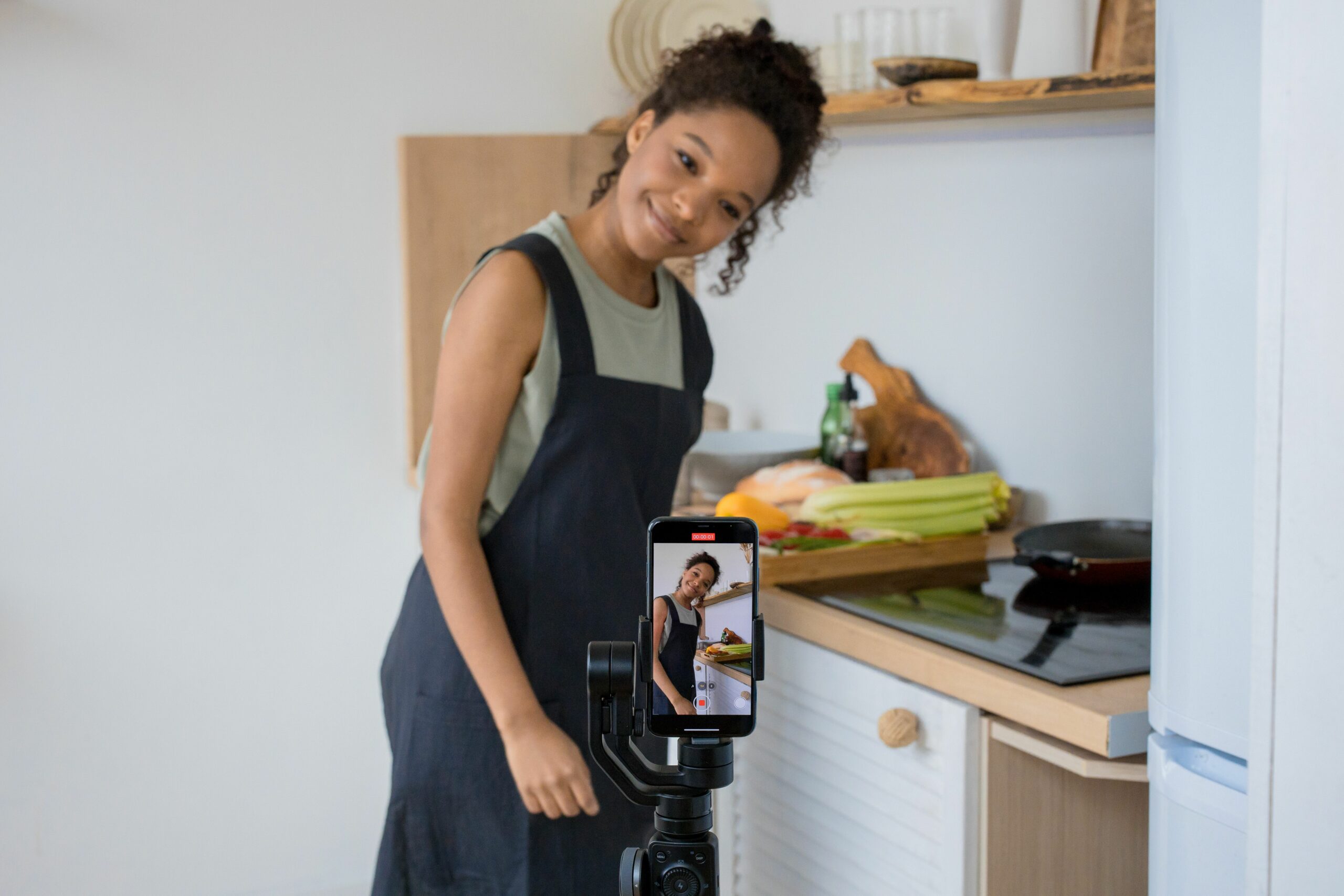
If you do not define terms the same way across your team, you will argue about results instead of improving them. Use these definitions in your brief and reporting doc so creators, agencies, and stakeholders stay aligned.
- Reach – unique accounts that saw the content at least once.
- Impressions – total views, including repeat views from the same person.
- Engagement rate (ER) – engagements divided by reach or impressions (you must specify which). A practical default is engagements / impressions.
- CPM – cost per 1,000 impressions. Formula: CPM = (Cost / Impressions) x 1000.
- CPV – cost per view (usually video views). Formula: CPV = Cost / Views.
- CPA – cost per acquisition (purchase, signup, install). Formula: CPA = Cost / Conversions.
- Whitelisting – running paid ads through a creator’s handle (often via platform permissions) to use their identity and social proof in ads.
- Usage rights – permission to reuse creator content in your owned channels, email, website, or paid ads, usually for a defined term and region.
- Exclusivity – creator agrees not to work with competitors for a period of time, typically in a defined category.
Takeaway: Put CPM, CPA, usage rights, and exclusivity in writing before you negotiate price. Those terms can change the economics more than the number of deliverables.
A practical framework: how to turn examples into a campaign plan
When you see a great post, your first instinct might be to copy the hook or the edit style. Instead, reverse-engineer it with a simple five-step method. This keeps you focused on outcomes and makes it easier to brief creators.
- Identify the job – awareness, consideration, conversion, or retention. Pick one primary job per asset.
- Map the audience state – cold (never heard of you), warm (aware), hot (ready to buy). Cold audiences need proof and clarity; hot audiences need friction removal.
- Choose the metric – reach for awareness, saves and watch time for consideration, clicks and CPA for conversion.
- Pick the format – short video, carousel, live, long-form, or story sequence. Match format to the metric, not the trend.
- Decide the distribution – organic only, creator organic plus brand repost, or creator organic plus whitelisting.
For example, if you are selling a $40 skincare product, a cold-audience TikTok might be a proof-first demo optimized for 3-second hold and average watch time. Then you retarget engagers with a creator testimonial ad optimized for CPA. That is one idea expressed as a funnel, not a one-off post.
Takeaway: Write your plan as a sequence of assets with different jobs. One post rarely does everything well, so stop forcing it to.
Examples by goal: what to post, what to measure, and why it works
Below are goal-based examples you can adapt. Each includes a concrete creative recipe and a measurement note so you can judge performance fairly across platforms.
1) Awareness example: the “instant proof” opener
Creative recipe: Start with the result on screen in the first second, then explain the method. Use captions that name the outcome, not the product. Keep the first 5 seconds visually different from the rest to prevent scroll-by.
Measure: Reach, 2-second video views, and cost per 1,000 impressions if you boost it. If you are comparing creators, normalize by CPM and view-through rate rather than likes.
2) Consideration example: the “teach, then recommend” carousel
Creative recipe: Slide 1 promises a practical win, slides 2 to 6 teach, final slide offers a tool list where your product is one item. This works because it earns attention with utility, then converts with relevance.
Measure: Saves, shares, and profile visits. On Instagram, saves are often a better leading indicator than comments for educational content.
3) Conversion example: the “objection handling” creator ad
Creative recipe: Creator states the top objection in plain language, then answers it with a quick demo and a personal constraint like budget, time, or skin type. End with a single CTA and a clean offer.
Measure: CPA, conversion rate, and incremental lift if you can run a holdout. If you cannot, at least separate new customer CPA from blended CPA.
4) Retention example: the “setup and routine” series
Creative recipe: A three-part series that shows setup, first week, and week four. Series content reduces churn because it teaches customers how to get value, which lowers refunds and increases repeat purchase.
Measure: Repeat purchase rate, support ticket volume, and cohort retention. If you are a creator, track returning viewers and subscribers.
Takeaway: Tie every example to a single job and a primary metric. That discipline makes your reporting cleaner and your creative iterations faster.
Benchmarks and budgeting: CPM, CPV, and CPA with simple math
Benchmarks are not rules, but they help you spot outliers and negotiate with confidence. Use them to ask better questions: why is CPM high, why is CPV low, and what changed in the hook or targeting? If you need a deeper measurement toolkit, browse the reporting templates and analysis posts in the InfluencerDB blog.
| Goal | Primary KPI | Common pricing model | Simple formula | Decision rule |
|---|---|---|---|---|
| Awareness | Reach, impressions | CPM | CPM = (Cost / Impressions) x 1000 | If CPM is high, test new hooks and audiences before adding budget. |
| Video consideration | Views, watch time | CPV | CPV = Cost / Views | If CPV is low but CPA is poor, your landing page or offer is the bottleneck. |
| Conversion | Purchases, signups | CPA | CPA = Cost / Conversions | If CPA is rising, refresh creatives before expanding targeting. |
| Creator partnerships | Blended ROI | Flat fee plus usage | ROI = (Revenue – Cost) / Cost | If ROI depends on one creator, diversify to reduce risk. |
Here is a quick example calculation you can use in a budget meeting. Suppose you pay $2,000 for a creator video and it generates 120,000 impressions. Your CPM is (2000 / 120000) x 1000 = $16.67. If you also get 80 purchases, your CPA is 2000 / 80 = $25. Now you can compare that CPA to your margin and your paid social baseline instead of debating whether the post “felt” successful.
| Platform | Best-fit example type | What to optimize first | Common pitfall | Practical fix |
|---|---|---|---|---|
| TikTok | Proof-first demos, objection handling | First 2 seconds and pacing | Overproduced ads that look like ads | Use creator-native filming and keep the claim visual. |
| Educational carousels, routines | Saves and shares | Pretty content with no takeaway | Add a checklist slide and a clear CTA in captions. | |
| YouTube | Deep reviews, comparisons | Click-through rate and retention | Weak thumbnail promise | Make the outcome specific and test two thumbnail variants. |
| Behind-the-scenes credibility | Comments quality and dwell time | Generic thought leadership | Share numbers, lessons, and one repeatable process. |
Takeaway: Use CPM and CPV to diagnose creative and distribution, then use CPA to judge business impact. Mixing them without context leads to bad decisions.
Creator partnerships: pricing, usage rights, and whitelisting that actually pencil out
In 2025, the best creator deals are structured, not improvised. A fair price depends on deliverables, expected performance, and the rights you need. Start with a base fee for the post, then add line items for usage rights, whitelisting, and exclusivity so both sides understand what they are trading.
- Base deliverable fee – covers creation and organic posting.
- Usage rights add-on – priced by term (30, 90, 180 days), channels (owned vs paid), and region.
- Whitelisting add-on – typically priced as a monthly fee, since it creates ongoing value in paid media.
- Exclusivity add-on – priced by category tightness and duration. Broad exclusivity costs more because it blocks income.
When you negotiate, anchor the conversation in what you will measure. If you are paying for conversion, propose a hybrid: a smaller base fee plus a performance bonus tied to tracked sales. If you are paying for awareness, keep it simple and focus on CPM and reach expectations.
Takeaway: Separate content creation from media value. Usage rights and whitelisting are media value, so price them explicitly instead of burying them in a single number.
Common mistakes (and how to fix them fast)
Even smart teams repeat the same errors because they are moving quickly. The fixes below are simple, but they require discipline in briefs and reporting.
- Mistake: Choosing creators by follower count alone. Fix: Shortlist by audience fit and recent content performance, then validate with engagement quality.
- Mistake: No single source of truth for metrics. Fix: Define reach, impressions, and ER in your brief and use one dashboard for reporting.
- Mistake: Overloading one post with three CTAs. Fix: One post, one job, one CTA. Build sequences for the rest.
- Mistake: Paying for usage rights you never use. Fix: Buy 30 to 90 days first, then extend only if the content performs.
- Mistake: Treating whitelisting as a checkbox. Fix: Plan the paid creative tests in advance so you actually learn what works.
Takeaway: If you cannot explain why a post won in one sentence, you do not have a repeatable strategy yet.
Best practices: a 2025 checklist for repeatable wins
Once you have a few wins, the next challenge is consistency. These best practices help you scale without burning budget or creator goodwill.
- Write briefs that specify the first 3 seconds – include the claim, the visual proof, and the tone.
- Use a test matrix – change one variable at a time: hook, offer, creator archetype, or format.
- Track with clean links – use UTMs and unique codes per creator, then reconcile with platform reporting.
- Build a content library – tag assets by hook type, objection, and audience stage so you can reuse what works.
- Document rights and disclosures – keep a simple contract addendum for usage, whitelisting, and exclusivity.
For disclosure, follow the platform and regulator guidance rather than guessing. The FTC’s endorsement guidance is a solid baseline for US campaigns: FTC endorsements and testimonials.
Takeaway: Consistency comes from process. A lightweight test plan and clear rights language will outperform a bigger brainstorm every time.
How to evaluate results: a simple reporting template you can copy
Reporting should answer three questions: what happened, why it happened, and what you will do next. Keep it tight, and resist the urge to drown stakeholders in screenshots. If you need platform-specific measurement details, YouTube’s official analytics documentation is useful for understanding retention and traffic sources: YouTube Analytics help.
- Performance summary – reach, impressions, views, ER, clicks, conversions, CPM, CPV, CPA.
- Creative notes – hook used, structure, objections addressed, CTA.
- Audience notes – who engaged, what comments reveal, any mismatches.
- Next test – one change to try next, with a prediction of what should improve.
Finally, decide what “good” means before you launch. A practical rule is to set a target range, not a single number, because performance varies by season and distribution. Then, after two to three iterations, lock the winning pattern and scale budget or creator volume.
Takeaway: Every report should end with a next action. If it does not, it is a history lesson, not a growth tool.