
Social media marketing for bars and restaurants is one of the fastest ways to turn nearby attention into reservations, walk-ins, and repeat regulars – if you run it like a system instead of a vibe. This guide breaks down what to post, how often to post it, how to work with creators, and how to measure results without getting lost in vanity metrics. You will also get practical templates, benchmarks, and two tables you can copy into your planning doc. The goal is simple: make your feed a reliable sales channel, not a scrapbook.
Social media marketing for bars and restaurants: what success looks like
Before you plan content, define the outcome you want. For most venues, success is not “more followers” – it is more covers, higher check averages, and steadier midweek traffic. Start by choosing one primary objective per month (for example, “fill Tuesday trivia” or “sell 40 brunch pre-fixes”). Then align every post to a measurable action: reserve, call, order, RSVP, or walk in.
Next, set a baseline so you can see real lift. Pull the last 28 days of results: average daily covers, average check, and your busiest and slowest time blocks. After that, pick two leading indicators you can track weekly, such as profile visits and link clicks, because they move sooner than revenue. Finally, decide what you will stop doing if it does not work – for example, posting generic food photos with no offer or location cue.
- Decision rule: If a post does not clearly answer “why go now?” it is brand content, not performance content.
- Quick win: Add “Book” or “Reserve” buttons and confirm your address, hours, and menu links are correct on every platform.
Key terms you need (and how bars and restaurants should use them)
Restaurant marketing gets confusing because people mix up reach, impressions, and engagement. Use these definitions so your team speaks the same language and your reporting stays honest. When you negotiate with creators or evaluate boosted posts, these terms also keep pricing grounded in outcomes.
- Reach: Unique people who saw your content. Use it to estimate how many locals you touched.
- Impressions: Total views, including repeats. Use it to judge frequency for event pushes.
- Engagement rate (ER): (Likes + comments + saves + shares) / reach. Use it to compare posts and creators fairly.
- CPM: Cost per 1,000 impressions. Formula: cost / impressions x 1,000. Use it to compare creator posts vs paid boosts.
- CPV: Cost per view (usually video). Formula: cost / views. Use it for Reels and TikTok.
- CPA: Cost per action (reservation, order, signup). Formula: cost / conversions. Use it when you can track bookings or redemptions.
- Whitelisting: Running ads through a creator’s handle (with permission). Use it when you want creator credibility plus paid targeting.
- Usage rights: Permission to reuse creator content (organic, ads, website). Always specify duration and placements.
- Exclusivity: The creator agrees not to promote competitors for a period. Only pay for it if you truly need it.
For disclosure, require creators to label sponsored content clearly. The FTC is explicit that disclosures must be clear and conspicuous, not hidden in a hashtag pile. Keep the rule simple: if money, free food, or any perk changes the post, disclose it. Reference: FTC Disclosures 101.
Build a content system that sells seats (not just aesthetics)
A bar or restaurant feed should do three jobs: prove the experience, reduce decision friction, and create urgency. To do that, you need repeatable content pillars. Think in weeks, not random posts, and assign each pillar a purpose. Then rotate them so your audience sees variety without confusion.
Use these four pillars as your base, then customize. First, menu and signature items – but show context: portion size, price range, and who it is for. Second, social proof – packed room shots, UGC, staff picks, and short testimonials. Third, events and offers – trivia, happy hour, live music, tasting menus, limited drops. Fourth, behind the scenes – prep, bartender builds, chef plating, sourcing, staff stories.
- Checklist: Every week, publish at least 1 offer post, 1 social proof post, 1 menu post, and 1 short-form video.
- Tip: Put the location cue in the first two seconds of video (street sign, storefront, neighborhood name) to convert scrollers into visitors.
| Content type | Best for | Hook idea | CTA |
|---|---|---|---|
| Reel or TikTok: “order this” | First-time visits | “If you like spicy margaritas, get this.” | “Save this for Friday – book in bio.” |
| Carousel: menu highlights | Decision help | “3 dishes to try on your first visit” | “Tap to see prices – reserve tonight.” |
| Story: countdown + poll | Event attendance | “Live jazz starts at 8 – are you coming?” | “Reply ‘JAZZ’ for the link.” |
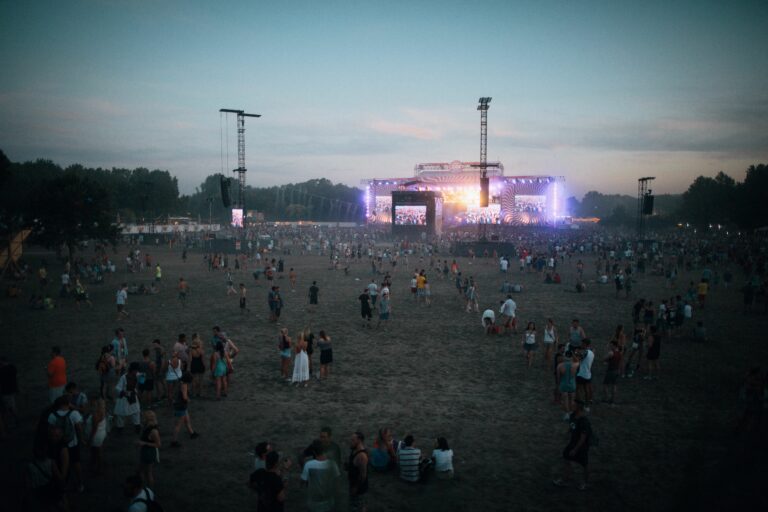
| Photo: packed room | Social proof | “Saturday looked like this by 9pm” | “Walk-ins welcome before 7.” |
| UGC repost | Trust | “Guest cam: birthday table setup” | “Tag us to be featured.” |
Platform playbook: what to post on Instagram, TikTok, and Google
Most venues do not need to be everywhere. Instead, pick two primary channels and run them well. Instagram is still strong for local discovery and intent, especially via Reels, Stories, and Maps. TikTok can create spikes in demand when the food, drinks, or vibe is visually distinct. Google is not “social,” but your Google Business Profile is often the last step before a visit, so treat it like a conversion page.
On Instagram, prioritize Reels (2 to 4 per week) and Stories (daily if possible). Use Stories for real-time inventory: “two bar seats open,” “happy hour until 6,” “walk-in wait is 15 minutes.” On TikTok, post 3 to 5 times per week during a growth push, then maintain at 2 to 3. Keep videos tight: one idea, one location, one CTA. For Google Business Profile, update hours, add fresh photos weekly, and post events and offers so searchers see what is happening now. Official guidance helps you avoid formatting issues: Google Business Profile posts.
- Decision rule: If your venue relies on reservations, optimize Instagram first. If you rely on walk-ins and trend-driven demand, test TikTok harder.
- Quick win: Pin three posts: signature item, current offer, and “what to expect” (dress code, parking, noise level).
Influencer collaborations that actually work for venues
Creators can fill seats fast, but only if you structure the deal. Start with a clear offer: what you are providing (comped meal, tasting, paid fee) and what you need (deliverables, timing, usage). For bars and restaurants, micro creators often outperform big accounts because their audience is local and trust is higher. Look for creators who post in your neighborhood and consistently show restaurants, not just lifestyle selfies.
When you evaluate a creator, ask for recent insights: reach, saves, shares, and audience location. Also check comment quality: are people asking “where is this?” and “how do I book?” That is intent. If you want a repeatable pipeline, build a small roster of 10 to 20 local creators and rotate them around launches and slow nights. For more on how to vet and manage creator partnerships, keep a running playbook in your team docs and use resources from the InfluencerDB blog to stay current on best practices.
| Creator tier (local) | Typical deliverables | Common compensation | When it makes sense |
|---|---|---|---|
| Nano (1k to 10k) | 1 Reel + 3 Stories | Comped meal or $100 to $300 | Neighborhood awareness, midweek promos |
| Micro (10k to 50k) | 1 Reel + 5 Stories | $300 to $1,200 plus comp | New menu, seasonal launch, event series |
| Mid (50k to 250k) | 1 to 2 Reels + Stories | $1,200 to $5,000 | Big openings, brand partnerships, tourism |
| Macro (250k+) | 2 Reels or multi-platform | $5,000+ | Destination venues, PR moments |
Negotiate with specifics. Ask for a posting window (for example, within 7 days), a draft review for factual details (hours, address, menu names), and a clear disclosure line. If you want to run the content as ads, add usage rights and whitelisting terms. Also decide whether exclusivity matters. A neighborhood cocktail bar might want 30-day exclusivity from other cocktail bars, but a casual cafe probably does not need it.
- Checklist: Contract should include deliverables, posting dates, usage rights duration, whitelisting permission, and cancellation terms.
- Tip: Offer creators a unique booking link or code so you can measure CPA, not just likes.
Measurement: simple formulas, real examples, and what to report weekly
Measurement is where most venue teams either overcomplicate or give up. Keep it tight: track a small set of metrics that connect to revenue. Start with reach and engagement to understand distribution, then move to actions like link clicks, calls, and reservations. If you use a booking platform, add UTM parameters to links so you can attribute traffic.
Use these simple formulas in a spreadsheet. Engagement rate = (likes + comments + saves + shares) / reach. CPM = cost / impressions x 1,000. CPA = cost / conversions. Here is a practical example: you pay $600 for a creator Reel that gets 30,000 impressions and drives 24 tracked reservations. CPM = 600 / 30,000 x 1,000 = $20. CPA = 600 / 24 = $25 per reservation. If your average gross profit per reservation is $40, that is positive, even before walk-ins influenced by the post.
For weekly reporting, focus on what changed and why. Include: top three posts by saves and shares, traffic to your booking link, and any spikes in calls or direction requests. If you run paid boosts, separate organic from paid results so you do not confuse the team. Finally, write one sentence on what you will test next week, because learning velocity is the real advantage.
- Decision rule: Prioritize saves and shares over likes for food and drink content – they correlate better with intent.
- Quick win: Track “direction requests” and “calls” from platform insights as a proxy for foot traffic.
Campaign checklist: from planning to posting to follow-up
A campaign can be as small as “push happy hour for two weeks.” What matters is that you assign owners and deadlines. This table is built for small teams where the GM, bartender, and one marketer share responsibilities. Adjust the roles, but keep the structure.
| Phase | Tasks | Owner | Deliverable |
|---|---|---|---|
| Plan (Day 1) | Define goal, offer, audience radius, budget | Manager | One-page campaign brief |
| Prep (Days 2 to 3) | Shot list, menu availability, staff schedule, lighting plan | Marketing lead | Content calendar + shot list |
| Create (Days 3 to 7) | Film 6 to 10 short clips, capture packed-room photos, collect UGC permissions | Staff + creator | Asset folder with labels |
| Publish (Week 2) | Post Reels, Stories, event post, pin key post, reply to comments fast | Marketing lead | Live posts + community log |
| Convert (Ongoing) | DM replies, reservation link checks, update wait times, repost UGC | Host team | Weekly conversion notes |
| Review (End of Week 2) | Report metrics, calculate CPM and CPA, decide next test | Marketing lead | One-page recap |
Common mistakes (and how to fix them fast)
Many venues post consistently and still do not see results because the content does not reduce friction. One common mistake is hiding the basics: no prices, no hours, no clear location cues. Another is relying on static photos when short-form video is what platforms distribute most aggressively. Teams also forget to respond to comments and DMs quickly, which is a silent conversion killer when people are deciding where to go tonight.
Creator campaigns fail for predictable reasons too. The offer is vague, the deliverables are not defined, or the creator’s audience is not local. Some venues also overpay for follower count while ignoring reach and saves. Finally, measurement breaks when there is no tracking link, no code, and no baseline, so the team cannot tell if the campaign moved anything.
- Fix in 30 minutes: Update bio with a single booking link, add “Neighborhood + city” in the name field, and pin an offer post.
- Fix this week: Build a 10-clip library: pours, sizzles, crowd, staff greeting, exterior, menu closeups, and one “how to order” clip.
Best practices: a repeatable playbook for steady growth
Consistency wins when it is paired with clarity. Keep your message tight: what you serve, what it costs, and why it is worth leaving the house. Use a weekly rhythm so regulars know what is happening, and new guests see proof that you are active. Also, treat community management like front-of-house service. A fast reply in DMs is the digital version of greeting someone at the door.
For creators, build long-term relationships instead of one-off posts. Invite the best performers back for seasonal menus, and negotiate better rates by offering predictable work. When you want to scale, test whitelisting so your best creator content can be targeted to people within a few miles of your venue. If you need platform-specific creative guidance, review official format recommendations like TikTok creative best practices and adapt them to your menu and service style.
- Best practice checklist: Post offers with deadlines, show the room when it is busy, include location cues, and track bookings with UTMs.
- Decision rule: If a post performs well, remake it with a new hook instead of chasing a totally new concept.
Run this guide for 30 days and you will have a clear view of what drives real demand: which formats bring locals in, which offers convert, and which creators are worth repeating. Once you have that data, your next month gets easier – because you are no longer guessing.