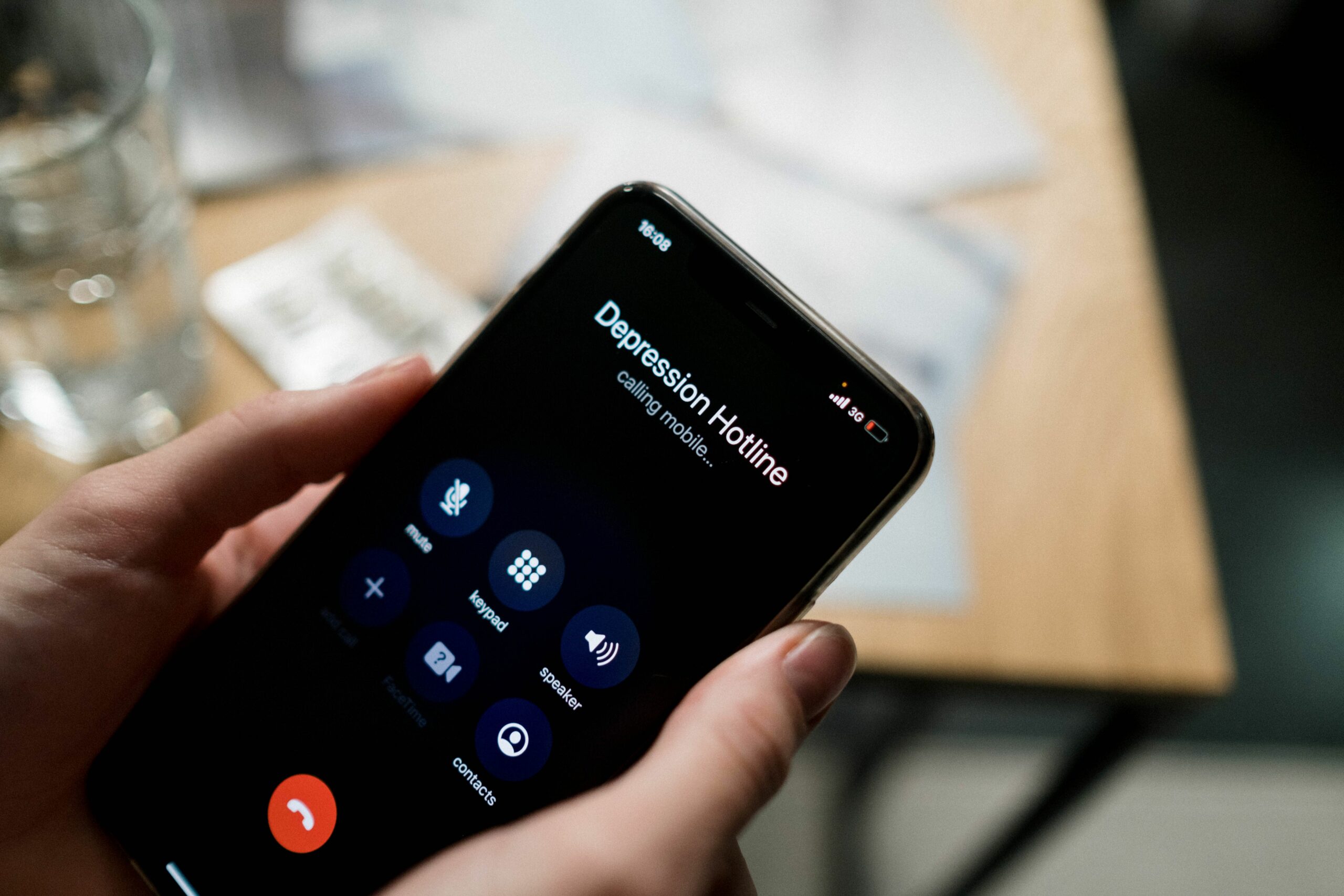

Social media mental health is no longer a side conversation in 2025 – it is a daily operational risk for creators, social teams, and influencer programs. The same systems that drive reach and impressions can also amplify stress, comparison, harassment, and sleep disruption. Meanwhile, brands face reputational blowback when campaigns ignore burnout signals or reward unhealthy posting behavior. This update focuses on what you can measure, what you can change this week, and how to build safer creator partnerships without sacrificing performance.
In practical terms, social media mental health covers how platform use affects mood, anxiety, self image, attention, and relationships – plus the work conditions around content creation. The 2025 shift is that the pressure is not only personal; it is structural. Recommendation systems reward volume, novelty, and emotional intensity, which can push creators into always on cycles. At the same time, comment sections and DMs have become a frontline for abuse, impersonation, and boundary violations. The takeaway: treat mental health like a safety and quality issue, not a vibes issue.
For brands, this topic now intersects with brand safety, creator retention, and campaign continuity. A creator who burns out mid flight can miss deliverables, go dark, or post reactive content that changes the tone of a partnership. For creators, the cost shows up as inconsistent output, creative numbness, and a shrinking sense of control. If you want a single decision rule: any growth tactic that relies on chronic sleep loss, constant monitoring, or escalating conflict is a short term win and a long term liability.
Key marketing terms – defined early, with mental health implications

Marketers often talk in performance language, but those metrics shape behavior. Here are the core terms you should align on before you set posting expectations or negotiate deliverables.
- Reach: unique accounts that saw content. Mental health angle – chasing reach can encourage posting at all hours.
- Impressions: total views, including repeats. Angle – high impressions can come from doomscroll loops and controversy.
- Engagement rate: engagements divided by reach or impressions (define which). Angle – “engagement at any cost” can reward outrage bait.
- CPM (cost per mille): cost per 1,000 impressions. Formula: CPM = (Cost / Impressions) x 1000. Angle – can incentivize volume over sustainability.
- CPV (cost per view): cost per video view. Formula: CPV = Cost / Views. Angle – can push creators to over optimize hooks and post frequency.
- CPA (cost per acquisition): cost per conversion (sale, lead, signup). Formula: CPA = Cost / Conversions. Angle – can pressure creators to sell harder than their audience trusts.
- Whitelisting: brand runs ads through a creator’s handle (with permission). Angle – increases scrutiny and comment load; plan moderation.
- Usage rights: how the brand can reuse creator content (duration, channels). Angle – unclear rights create conflict and stress.
- Exclusivity: creator agrees not to work with competitors for a period. Angle – can raise income stability, but also increases dependency on one brand.
Concrete takeaway: add a one page “definitions and measurement” appendix to every influencer brief. When everyone agrees on what success means, you can avoid last minute pressure that often lands on the creator’s mental bandwidth.
2025 risk map – what actually harms creators (and teams)
Not every negative feeling is a crisis, but patterns matter. In 2025, the most common harm drivers cluster into five buckets: intensity, exposure, instability, identity, and isolation. Intensity shows up as daily posting targets, constant trend chasing, and rapid feedback loops. Exposure includes harassment, stalking, doxxing threats, and sexualized comments, especially for women and marginalized creators. Instability comes from volatile reach, sudden demonetization, and inconsistent brand work. Identity pressure is the feeling that you must perform a persona to stay relevant. Finally, isolation happens when content work replaces offline routines and relationships.
Brands can reduce harm by changing what they reward. If you only pay for volume and speed, you accidentally select for creators who can tolerate unhealthy schedules – until they cannot. Instead, reward planning, craft, and consistency. Also, build in “quiet time” around launches so creators are not forced to monitor comment sentiment all day. If you need a policy anchor for workplace mental health expectations, the World Health Organization guidance on mental health at work is a solid starting point.
Concrete takeaway: during creator selection, ask one operational question that signals sustainability – “What does your weekly production schedule look like when you are at your best?” If the answer is chaos, your campaign will inherit that chaos.
How to audit your content and campaigns for mental health strain (a simple framework)
You do not need a clinical tool to spot strain. You need a consistent audit that connects workload, feedback, and outcomes. Use this four step framework each month for creators, influencer managers, and social teams.
- Workload inventory: list deliverables, revisions, meetings, and community management hours. Include “hidden work” like scripting, filming, editing, and thumbnail testing.
- Feedback intensity: track comment volume, DM volume, and negative comment rate. Note spikes after whitelisting or controversial topics.
- Volatility check: compare reach and impressions week to week. High volatility increases compulsive checking and anxiety.
- Recovery capacity: confirm whether there are true off days, sleep protection, and boundaries around notifications.
Then score each area 1 to 5 and write one change you will make next month. For example, if feedback intensity is a 5, you might add moderation support or limit Q and A formats for a period. If volatility is a 5, you might shift from daily posts to a three post cadence with stronger pre production. To keep your team grounded in data driven decisions, it helps to regularly review measurement basics and campaign planning resources on the InfluencerDB Blog.
| Audit area | What to measure | Red flag threshold | Low lift fix |
|---|---|---|---|
| Workload | Hours per deliverable, revision rounds | 2+ revision rounds per asset, weekly overtime | Lock creative earlier, cap revisions in contract |
| Feedback intensity | Negative comment rate, DM volume | Harassment spikes after posts or ads | Add moderation, keyword filters, comment limits |
| Volatility | Week over week reach variance | 50%+ swings without explanation | Batch production, diversify formats |
| Recovery | Off days, sleep window, notification rules | No full off day for 2+ weeks | Schedule posts, set “office hours” for replies |
Concrete takeaway: if you can only fix one thing, cap revisions and define response windows. Those two changes reduce last minute pressure more than most “wellness” initiatives.
Metrics that protect performance without rewarding burnout
Most teams track reach, impressions, and engagement rate, but those alone can push creators into unhealthy loops. Add two “stability metrics” and one “quality metric” to balance the scoreboard. First, track cadence adherence – did the creator hit a sustainable schedule without emergency posting? Second, track variance – how much did results swing relative to the last four posts? Third, track saves and shares per 1,000 reach as a quality signal that does not require constant controversy.
Here is a simple example calculation you can use in reporting. If a post gets 40,000 reach and 1,200 total engagements, engagement rate by reach is 1,200 / 40,000 = 3%. If it also gets 320 saves and 180 shares, then saves plus shares per 1,000 reach is (320 + 180) / 40,000 x 1,000 = 12.5. That number often correlates with content that people find useful, not just reactive. As a result, it can help you brief creators toward evergreen value instead of adrenaline content.
| Metric | Formula | What it encourages | Use it for |
|---|---|---|---|
| Engagement rate (by reach) | Engagements / Reach | Interactive content | Creative iteration, hook testing |
| CPM | (Cost / Impressions) x 1000 | Efficient distribution | Budget comparisons across creators |
| CPA | Cost / Conversions | Conversion focus | Lower funnel campaigns |
| Variance (4 post) | Std dev of reach across last 4 posts | Stability and planning | Burnout risk monitoring |
| Saves + shares per 1,000 reach | (Saves + Shares) / Reach x 1000 | Utility and trust | Evergreen content scoring |
Concrete takeaway: put one stability metric into your KPI list. When creators know you value consistency, they are less likely to spiral into unhealthy posting sprints.
Creator and brand playbook – step by step guardrails that work
Guardrails are not restrictions for their own sake; they are agreements that prevent preventable stress. Start with boundaries, then bake them into briefs and contracts. For creators, the goal is to protect attention and sleep. For brands, the goal is to reduce last minute churn and reputational risk.
Step 1: Set a sustainable cadence
Pick a cadence you can maintain for 8 to 12 weeks, not 8 to 12 days. If your best work requires batching, schedule filming blocks and editing days. Brands should avoid “post more if it performs” clauses unless they also pay for incremental production and moderation. A practical rule: if a campaign requires more than two reactive posts per week, it should include a community management plan.
Step 2: Define response windows and moderation
Creators should set “reply hours” and use comment filters aggressively. Brands can support by providing keyword lists, escalation contacts, and a clear stance on harassment. If you run whitelisted ads, decide who monitors comments on the paid placements and what the removal policy is. For platform safety and reporting options, point teams to official documentation like YouTube’s guidance on moderating comments.
Step 3: Contract for clarity – usage rights, exclusivity, and revisions
Most creator stress in partnerships comes from ambiguity. Put these items in writing: usage rights duration and channels, whether the brand can edit the content, exclusivity category and time window, and a hard cap on revisions. Also specify turnaround times that respect weekends and time zones. If you need a compliance baseline for endorsements and disclosures, reference the FTC Disclosures 101 and include a disclosure line in the brief.
Step 4: Build a “pause plan”
Agree in advance on what happens if a creator needs to pause posting for mental health reasons. Options include shifting dates, swapping deliverables, or using previously approved assets. This reduces fear and makes it more likely creators will communicate early instead of disappearing. Brands that plan for pauses usually get better work, because creators do not feel trapped.
Concrete takeaway: add three clauses to every influencer agreement – revision cap, response window, and pause plan. These are small, but they prevent the most common stress spikes.
Common mistakes (and how to fix them fast)
- Mistake: Paying only for output volume. Fix – pay for packages that include planning and editing time, not just post count.
- Mistake: Treating harassment as “part of the job.” Fix – define escalation paths, moderation support, and a zero tolerance policy.
- Mistake: Vague usage rights. Fix – specify channels, duration, and whether paid amplification is included.
- Mistake: Last minute briefs and weekend feedback. Fix – lock timelines, set review windows, and batch approvals.
- Mistake: Optimizing for outrage engagement. Fix – track saves and shares, and reward helpful content formats.
Concrete takeaway: if you are already mid campaign, the fastest improvement is to tighten the approval process. One clean approval round beats three “quick tweaks” that drag on for days.
Best practices for 2025 – healthier growth that still wins
Healthy does not mean low ambition. It means you design systems that creators can live inside. Start by choosing formats that reduce daily pressure: series content, recurring Q and A with boundaries, and evergreen explainers. Next, diversify distribution so everything is not riding on one platform’s volatility. Brands should also normalize “quiet metrics” like click quality and conversion rate, not just viral reach.
- Use batching and scheduling to protect sleep and reduce constant checking.
- Rotate formats so creators are not stuck in high exposure content every week.
- Budget for moderation when you expect high reach or run whitelisting.
- Reward consistency with longer partnerships and fewer emergency asks.
- Run post campaign debriefs that include workload and stress notes, not just KPIs.
Concrete takeaway: the best predictor of sustainable performance is not one viral post. It is whether the creator can repeat the process next month with the same quality.
A practical checklist for your next influencer brief
Use this as a copy paste section in your brief so expectations are clear and mental load stays manageable. It also makes approvals faster because everyone knows what “done” looks like.
- Goals and KPIs: reach, impressions, engagement rate definition, CPA or CPM target if relevant.
- Deliverables: number of posts, stories, lives, edits allowed, and deadlines.
- Cadence: posting schedule and any blackout days.
- Disclosure: required language and placement.
- Usage rights: organic only or paid, duration, channels, and whitelisting terms.
- Exclusivity: category definition and time window.
- Community management: who moderates, keyword filters, escalation contact.
- Response windows: creator reply hours and brand feedback hours.
- Pause plan: what happens if posting needs to shift.
Concrete takeaway: if your brief cannot fit on two pages plus an appendix, it is probably too complex for a creator to execute without stress. Simplify, then measure what matters.