
Augmenter vues YouTube in 2026 is less about hacks and more about building a repeatable system that earns clicks, holds attention, and compounds through recommendations. The algorithm rewards viewer satisfaction, which you can influence with better topic selection, packaging, retention, and smart distribution. This guide gives you a practical framework you can run weekly, plus benchmarks, formulas, and checklists you can hand to a team. If you are a creator, you will use it to grow sustainably. If you are a brand, you will use it to evaluate channels and forecast results before you spend.
What “views” really mean in 2026 – and the metrics that drive them
Before you change your content, define the terms you will measure. A “view” is the outcome; the inputs are impressions, click behavior, and watch behavior. Impressions are how often YouTube shows your thumbnail to a user. Reach is the number of unique viewers who saw or watched your content. Engagement rate is the percentage of viewers who take an action such as like, comment, share, or subscribe; it is useful, but it is not the primary driver of distribution. Retention (audience retention and average view duration) tells YouTube whether people stay, which strongly affects recommendations.
For creators working with brands, you also need performance terms used in influencer and media buying. CPM is cost per thousand impressions: CPM = spend / impressions x 1000. CPV is cost per view: CPV = spend / views. CPA is cost per acquisition: CPA = spend / conversions. Whitelisting means a brand runs ads through a creator’s handle or content permissions. Usage rights define where and how long a brand can reuse your video or clips. Exclusivity means you agree not to work with competing brands for a set period, which should increase your price.
Concrete takeaway: pick 3 primary KPIs for each upload so you do not chase everything. For long form, use (1) CTR, (2) average view duration, (3) returning viewers. For Shorts, use (1) viewed vs swiped away, (2) average percentage viewed, (3) shares per 1000 views.
Augmenter vues YouTube starts with topic selection, not editing
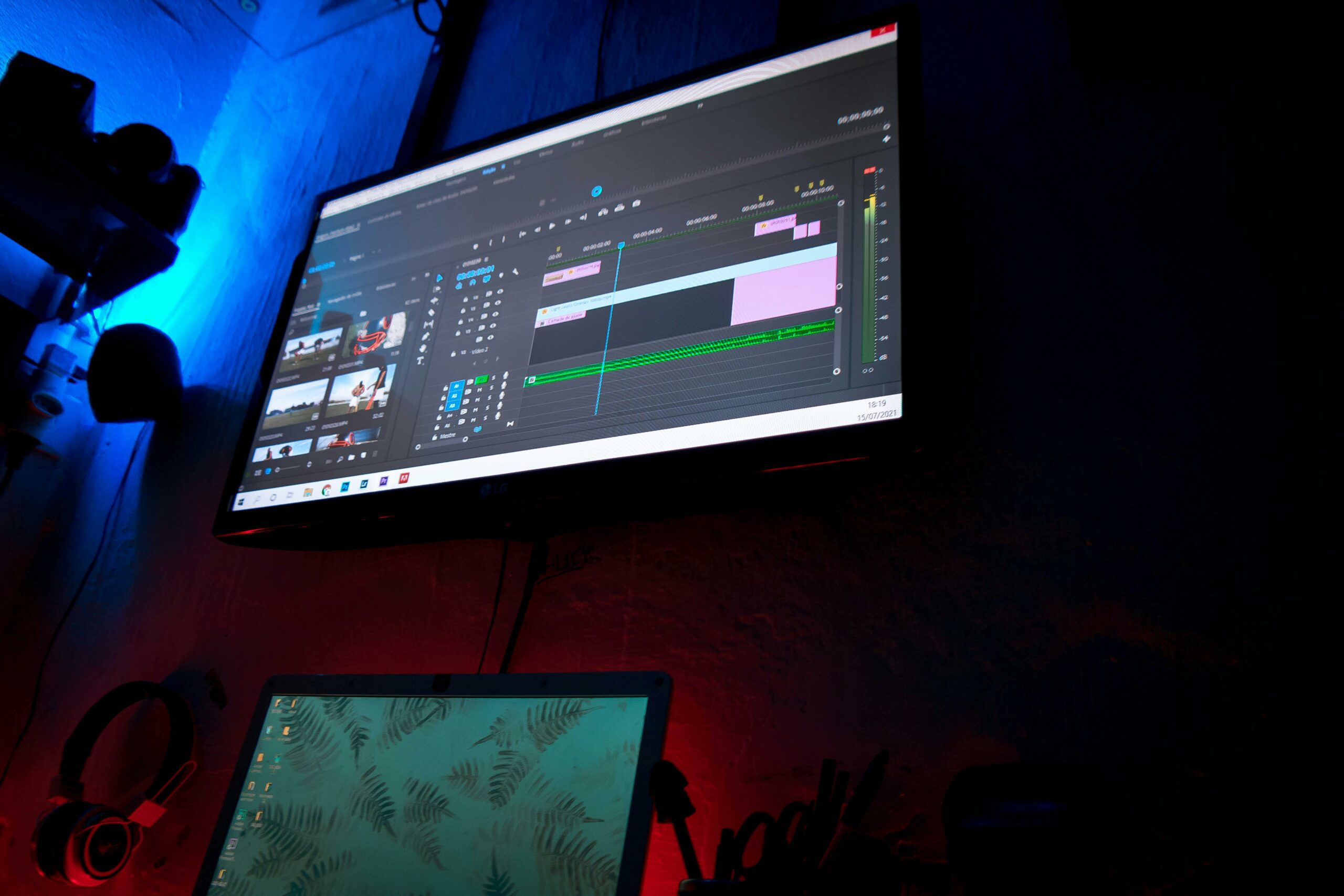
Most channels plateau because they publish videos people like, but not videos people actively want. Topic selection is demand research, and it is the highest leverage step because it affects both click potential and recommendation potential. Start by listing 20 “viewer jobs” your audience hires you for, such as “choose a camera under $800” or “learn Spanish basics fast.” Then map each job to a format: comparison, tutorial, review, reaction, case study, or challenge. This creates repeatable series, which helps returning viewers and session time.
Next, validate demand with three signals you can check in under an hour. First, use YouTube search suggestions and note phrasing patterns, because those reflect real queries. Second, scan top videos in your niche and look for topics with high views relative to channel size; that indicates broad interest. Third, check your own analytics for “Top videos” and “Traffic source: Browse features” to see which topics YouTube already wants to recommend. For official guidance on how discovery works, reference YouTube’s documentation on recommendations and search behavior at YouTube Help – recommendations.
Concrete takeaway: use a simple decision rule for greenlighting topics. Publish only topics that meet at least two of these: (1) clear search intent, (2) strong browse appeal, (3) fits an existing series, (4) you can add a unique angle in the first 10 seconds.
Packaging that earns the click: thumbnail, title, and promise alignment
Packaging is not decoration; it is the contract you make with the viewer. If the title and thumbnail overpromise, you may get clicks but lose retention, which hurts future distribution. If they underpromise, you will never earn the impression to view conversion you need. Aim for a clear “promise” that is specific, time bound, or outcome based. Then make the first 15 seconds pay that promise immediately so viewers feel they chose correctly.
Use a structured workflow: write 10 titles before you film, choose the best 2, and design thumbnails for both. After publishing, test by changing only one element at a time, because otherwise you cannot learn. Watch CTR in context: a 9 percent CTR on low impressions is not the same as a 6 percent CTR on high impressions. Also, compare CTR by traffic source; browse CTR often differs from search CTR.
| Video type | Primary traffic source | Packaging goal | Example title formula |
|---|---|---|---|
| How-to tutorial | Search | Match query + clear outcome | How to [do X] in [time] (without [pain]) |
| Comparison | Search + Browse | Create a decision moment | [A] vs [B]: Which should you buy in 2026? |
| Story or case study | Browse | Curiosity + stakes | I tried [method] for [days] – here is what happened |
| News reaction | Browse + Suggested | Speed + clear point of view | [Event] changes everything for [audience] |
Concrete takeaway: keep a “promise checklist” next to your script. If the thumbnail implies a result, show proof early. If the title includes a number, deliver that number in the structure. If you cannot pay the promise, rewrite the packaging instead of forcing the edit.
Retention engineering: a repeatable script structure that boosts recommendations
Retention is where most view growth is won. You do not need faster cuts; you need fewer boring moments and clearer progression. Start with a cold open that shows the payoff, then state the plan in one sentence. After that, use “open loops” carefully: tease a later reveal, but only if it is genuinely valuable. Every 20 to 40 seconds, give the viewer a reason to stay: a new step, a comparison, a mistake to avoid, or a quick result.
Use this simple structure for most long form videos: (1) payoff preview, (2) credibility in one line, (3) step-by-step with timestamps, (4) recap and next video bridge. During editing, remove anything that does not move the story or the instruction forward. Then add pattern interrupts that are meaningful, such as a screen recording, a quick chart, or a real example, instead of random zooms.
Concrete takeaway: audit one video per week using audience retention graphs. Find the first sharp drop, then rewrite the first 30 seconds of your next upload to address that exact problem. Over time, this is how small improvements compound.
Shorts, long form, and the “view ladder” that turns swipes into sessions
In 2026, Shorts can be a discovery engine, but only if you build a ladder to long form. Think of Shorts as the top of funnel: fast proof, a single idea, and a clear next step. Your job is to convert a portion of short viewers into returning viewers who watch longer videos. To do that, keep Shorts tightly aligned with a long form series, and publish them in clusters around your main upload.
Here is a practical ladder: (1) one long form “pillar” video per week, (2) three Shorts that each highlight one moment or one step from the pillar, (3) one community post that frames the problem and links to the pillar. In Shorts, avoid vague calls to action; instead, name the exact next video: “Full breakdown: X in 10 minutes, on my channel.” Also, pin a comment with the long form link and a one sentence reason to watch.
Concrete takeaway: track “Returning viewers” and “Views from subscribed vs not subscribed” after you add the ladder. If Shorts bring views but returning viewers do not rise, your topics are misaligned or your long form payoff is unclear.
Analytics that matter: benchmarks, formulas, and a weekly review routine
Analytics should answer two questions: what to make next, and what to fix first. Start with a weekly review that takes 30 minutes. Pull your last 5 uploads and compare them on impressions, CTR, average view duration, and views from browse and suggested. Then identify the bottleneck: low impressions means YouTube is not testing you widely, low CTR means packaging, and low duration means retention. Fix the biggest bottleneck first, because improving a non-bottleneck metric rarely moves total views.
| Metric | What it signals | Common problem | First fix to try |
|---|---|---|---|
| Impressions | How widely YouTube is testing the video | Topic too narrow or unclear audience | Choose broader “job to be done” topic; tighten niche series |
| CTR | Packaging effectiveness | Thumbnail and title mismatch or low contrast | Redesign thumbnail with one focal point; rewrite title for outcome |
| Average view duration | Viewer satisfaction and pacing | Slow intro, unclear structure | Cut first 10 seconds; add a one sentence roadmap |
| Returning viewers | Series strength and loyalty | Random topics, no repeatable format | Create a weekly series with consistent promise and format |
| Traffic: Suggested | How well the video pairs with other videos | Weak topical adjacency | Make follow-ups; use consistent keywords and series thumbnails |
Now add simple performance math for brand and creator planning. Example: a brand pays $2,000 for an integration expected to reach 50,000 views. CPV is $2,000 / 50,000 = $0.04. If the video drives 300 site visits and 12 purchases, and the brand spent $2,000, then CPA is $2,000 / 12 = $166.67. That number is only meaningful if you track conversions properly; Google’s measurement basics are a good reference point at Google Analytics Help.
Concrete takeaway: write your weekly review as three bullets: keep, fix, test. “Keep” is one thing that worked. “Fix” is the bottleneck. “Test” is one controlled experiment for the next upload.
Collabs and influencer-style distribution: how to borrow audiences without burning trust
Collaboration is still one of the fastest ways to grow, but only when the audience overlap is real. Start by building a shortlist of 20 channels with adjacent viewers, not identical content. Then evaluate fit using three signals: similar audience problems, similar video length tolerance, and similar tone. When you pitch, propose a format that benefits both channels, such as a debate, a joint experiment, or a two-part series where each channel hosts one half.
If you are a brand planning creator partnerships, treat YouTube like a hybrid of influencer marketing and content marketing. Ask for channel analytics screenshots that show traffic sources, audience geography, and top videos in the last 90 days. Also confirm commercial terms: whitelisting, usage rights, and exclusivity. Even if you are not running paid, usage rights matter because you may want to cut the integration into a short ad later.
Concrete takeaway: use a one page collab brief. Include the hook, target viewer, deliverables, publishing dates, and a shared success metric such as “views from suggested” or “newsletter signups.” For more frameworks on creator partnerships and measurement, use the resources in the InfluencerDB blog on influencer marketing strategy.
Common mistakes that quietly kill YouTube growth
First, creators often chase viral formats that do not match their channel’s promise. That can spike views once, but it lowers returning viewers and makes future uploads harder to recommend. Second, many channels ignore audio quality; viewers tolerate imperfect video, yet they leave quickly when audio is harsh or inconsistent. Third, people optimize for subscribers instead of sessions, even though YouTube rewards watch time and satisfaction more than raw subs.
Another frequent mistake is changing too many variables at once. If you change topic, title style, thumbnail style, and video length in the same week, you cannot learn what worked. Finally, brands sometimes evaluate creators using follower counts, which is a weak proxy on YouTube. Views per video, audience match, and retention are better predictors of outcomes.
Concrete takeaway: pick one growth lever per week. Either test packaging, or test topic, or test structure. Keep everything else stable so your analytics tell a clear story.
Best practices: a 30 day plan you can actually follow
Week 1 is research and setup. Define your audience “jobs,” choose one series, and outline four videos with titles and thumbnail concepts. Set up a simple tracking sheet with columns for impressions, CTR, average view duration, and returning viewers. Week 2 is execution with discipline: publish one pillar video, then three Shorts that ladder into it, and one community post. Keep your intros tight and your structure consistent.
Week 3 is optimization. Update thumbnails for the two weakest CTR videos, but only after 48 to 72 hours so you have enough data. Re-edit your next script based on the first retention drop you observed. Add end screens that point to the most relevant next video, because suggested traffic depends on adjacency. Week 4 is collaboration and distribution: run one collab or guest appearance, and repurpose one segment into a short clip for other platforms, then bring viewers back to the pillar.
Concrete takeaway: treat YouTube like a newsroom. Publish on a cadence you can sustain, keep a backlog of researched topics, and review performance weekly. Over a month, you should see clearer signals about what your audience wants and what YouTube is willing to recommend.
Quick checklist: what to do before you hit publish
- Topic: Meets at least two demand signals (search, browse, series fit, unique angle).
- Packaging: Title and thumbnail make one clear promise you can pay in 15 seconds.
- Structure: Cold open, one sentence roadmap, step progression, recap, next-video bridge.
- Retention: Remove the first boring moment you notice on a second watch.
- Distribution: End screen points to the next most adjacent video; pinned comment supports the ladder.
- Measurement: Write down the bottleneck you are testing so you learn from the result.
If you apply the system consistently, you will not just chase spikes. You will build a channel that can reliably Augmenter vues YouTube through better decisions, not louder tactics.