
Behind the scenes content is one of the fastest ways to earn trust in 2025 because it shows the real work, not just the polished result. Done well, it lowers skepticism, increases watch time, and gives brands usable proof for paid and owned channels. However, most teams still treat BTS as filler, which leads to vague briefs, unclear rights, and reporting that cannot explain results. This update breaks BTS into measurable formats, shows how to price it, and gives you a repeatable workflow you can run every month.
What behind the scenes content means in 2025 (and the terms you must define)
In practice, BTS is any content that reveals process, people, or decision making – how something is made, tested, shipped, filmed, or improved. It can be raw phone footage, a narrated screen recording, or a structured mini documentary. The key is intent: BTS should reduce uncertainty for the viewer by answering, “What happens when nobody is watching?” Before you plan deliverables, define measurement and deal terms so everyone prices the same thing. Use these definitions in your brief and contract so creators, brands, and agencies stay aligned.
- Reach – unique accounts exposed to the content.
- Impressions – total times the content is served (can include repeat views).
- Engagement rate – engagements divided by reach or impressions (state which). Example: ER by reach = (likes + comments + shares + saves) / reach.
- CPM – cost per 1,000 impressions. Formula: CPM = (cost / impressions) x 1000.
- CPV – cost per view (define view threshold by platform). Formula: CPV = cost / views.
- CPA – cost per acquisition (purchase, lead, signup). Formula: CPA = cost / conversions.
- Whitelisting – brand runs paid ads through the creator’s handle (also called creator licensing on some platforms).
- Usage rights – permission for the brand to reuse content on owned channels, email, ads, or retail. Specify duration, regions, and placements.
- Exclusivity – creator agrees not to work with competing brands for a set time and category.
Concrete takeaway: add a “Definitions” block to every BTS brief and require the creator to confirm it in writing before production starts.
Why BTS works now: audience psychology and platform mechanics
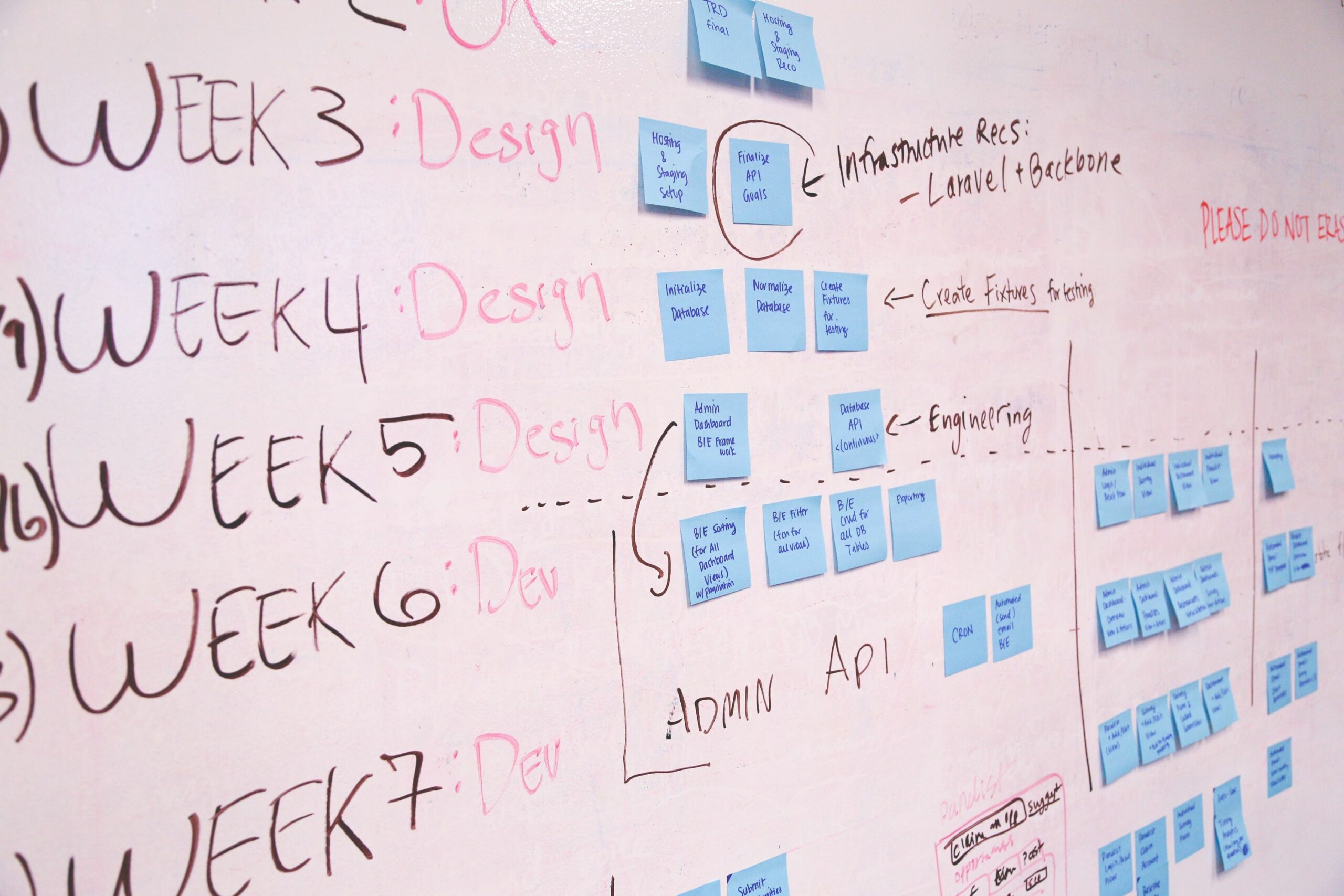
BTS performs because it trades polish for credibility. Viewers have learned to spot scripted endorsements, so process footage and candid narration act as evidence. At the same time, platforms reward retention and replays, and BTS naturally creates curiosity loops: setup, obstacle, solution, reveal. That structure often lifts average watch time, which then improves distribution. If you want a quick way to pressure test whether BTS is worth it, ask one question: does this behind the scenes moment reduce a buyer’s risk or answer a common objection?
For example, a skincare brand can show patch testing, ingredient sourcing, or how texture looks under different lighting. A SaaS company can show the onboarding flow, support response time, and how a feature is built. A creator can show location scouting, editing decisions, and sponsor integration planning. If you need more ideas and campaign breakdowns, review the planning frameworks on the InfluencerDB Blog and adapt the same logic to BTS deliverables.
Concrete takeaway: pick one “risk reducer” per BTS asset (quality, safety, effort, speed, fit) and build the story around proving it.
Behind the scenes content formats that brands can brief (with examples)
Not all BTS is equal. Some formats drive reach, while others drive conversion or produce reusable ad creative. To avoid vague requests like “make it authentic,” brief a specific format with a clear hook, required shots, and a success metric. Then, choose the platform based on how the audience consumes process content: short vertical for discovery, longer video for depth, and Stories for real time proof.
- Process montage – fast cuts of steps from start to finish. Best for Reels and TikTok. Metric: 3-second hold and completion rate.
- Day in the life – creator narrative with timestamps and context. Best for YouTube and TikTok. Metric: average watch time and saves.
- Build with me – creator assembles, cooks, designs, or configures something. Metric: comments and replays.
- Decision diary – “why I chose X over Y” with tradeoffs. Metric: link clicks and qualified DMs.
- Quality proof – stress test, wear test, before and after, or side by side. Metric: CTR and conversion rate.
- Team cameo – founder, engineer, stylist, or customer support appears briefly. Metric: sentiment in comments.
Concrete takeaway: require a written “hook line” and “proof moment” in the first 5 seconds for every short-form BTS asset.
Planning framework: a BTS brief you can reuse every month
A strong BTS program is repeatable. Instead of reinventing each campaign, use a monthly brief template that forces clarity on story, logistics, and measurement. Start with the business goal, then work backward to the proof you need on camera. Finally, lock distribution and rights so the content can live beyond one post.
- Goal – awareness, consideration, conversion, or retention. Pick one primary goal.
- Audience objection – what stops them from buying or believing?
- Proof asset – what can you show that answers the objection?
- Format – choose from the list above and specify length.
- Shot list – 8 to 15 required shots, plus optional b-roll.
- Brand safety – claims allowed, restricted topics, and disclosure requirements.
- CTA – one action: save, comment, click, sign up, or use code.
- Measurement plan – define KPIs and tracking links.
- Rights – usage, whitelisting, and exclusivity terms.
Use a checklist table so nothing gets missed when you scale from one creator to twenty.
| Phase | Tasks | Owner | Deliverables |
|---|---|---|---|
| Pre-production | Define objection, proof moment, shot list, claims, and CTA | Brand + Creator | Approved brief + script outline |
| Production | Capture required shots, record clean audio, film vertical safe zones | Creator | Raw footage folder + notes |
| Post-production | Edit 1 primary cut + 2 cutdowns, add captions, add disclosure | Creator | Final exports + thumbnails |
| Publishing | Post timing, pin comment, respond for 60 minutes, collect FAQs | Creator | Live post + comment log |
| Reporting | Share metrics, top comments, retention screenshot, link results | Brand | Performance summary + next test |
Concrete takeaway: if you cannot write the “proof moment” in one sentence, the BTS concept is not ready to film.
Pricing behind the scenes content: benchmarks, add-ons, and a simple calculator
BTS pricing is tricky because it often includes extra filming time, multiple edits, and higher usage value for brands. Start with a base rate for the primary deliverable, then add line items for complexity and rights. This approach prevents underpaying creators for production and prevents brands from overpaying for assets they cannot reuse. When you negotiate, separate “posting fee” from “production fee” and “licensing fee” so each side can trade value.
| Item | Typical range | When to use | Notes |
|---|---|---|---|
| Base BTS short-form (15 to 45s) | $300 to $3,000+ | Single platform post | Varies by niche, quality, and audience trust |
| Extra cutdowns (2 to 3 versions) | +15% to +40% | When testing hooks or CTAs | Ask for different first 3 seconds |
| Raw footage handoff | +20% to +60% | Brand wants to edit in-house | Clarify what “raw” includes and delivery format |
| Usage rights (organic only) | +25% to +100% | Brand reposts on owned channels | Define duration and regions |
| Whitelisting | +10% to +30% per month | Brand runs ads from creator handle | Set spend cap and approval workflow |
| Category exclusivity | +15% to +100% | Competitive categories | Price by time window and category breadth |
Now add a simple calculator so you can sanity check a quote using CPM or CPA targets. Example: you pay $1,500 for a BTS Reel and it generates 120,000 impressions. CPM = (1500 / 120000) x 1000 = $12.50. If your paid social CPM is $18 for similar creative, that is competitive, especially if the brand also gets usage rights. For conversion, suppose the same post drives 90 purchases tracked via code. CPA = 1500 / 90 = $16.67. If your target CPA is $25, you have room to scale or add whitelisting.
Concrete takeaway: negotiate BTS deals with a three-line quote (posting, production, licensing) so you can adjust rights without reopening the entire fee.
Measurement that makes BTS accountable: KPIs, tracking, and an example report
BTS often wins on mid-funnel signals, so measure more than likes. Start with one primary KPI tied to your goal, then add two supporting metrics that explain why performance moved. For awareness, prioritize reach and 3-second holds. For consideration, track saves, shares, and profile visits. For conversion, use tracked links, codes, and attributed purchases, but also monitor assisted conversions if you have multi-touch analytics.
Set up tracking before the post goes live. Use UTM parameters, unique discount codes, and a landing page that matches the BTS promise. For platform-specific measurement, align on what counts as a view and where retention data comes from. YouTube’s official analytics documentation is a useful reference when you need to standardize watch time and audience retention definitions across teams: YouTube Analytics overview.
Here is a lightweight reporting structure you can reuse:
- Context – creator, platform, format, hook, CTA, posting time.
- Topline – reach, impressions, views, average watch time, ER by reach.
- Proof – retention graph screenshot, top 5 comments, saves and shares.
- Business impact – clicks, add-to-carts, purchases, CPA, revenue, ROAS if applicable.
- Next test – one change to hook, proof moment, or CTA.
Concrete takeaway: require creators to send one retention screenshot and five representative comments – it is the fastest way to diagnose whether the BTS story landed.
Compliance and brand safety: disclosures, claims, and permissions
BTS can feel casual, but it is still advertising when there is a material connection. Make disclosure non-negotiable and place it where viewers will actually see it. In the US, the FTC is explicit that disclosures must be clear and conspicuous, not buried in a hashtag pile: FTC Disclosures 101. If you operate globally, add local requirements to your brief and have legal review high-risk claims.
Also watch for product claims that BTS can accidentally imply. A “lab tour” can sound like medical proof, and a “results montage” can imply guaranteed outcomes. To reduce risk, give creators an approved claims list and a banned phrases list, then require them to submit the on-screen text for review. Finally, get permissions for any third-party faces, logos, or locations that appear in BTS footage, especially if you plan to run it as an ad.
Concrete takeaway: include a one-page “claims and disclosure” appendix in every BTS agreement, and treat it like a required deliverable.
Common mistakes (and how to fix them fast)
- Mistake: Asking for “authentic BTS” with no story. Fix: mandate a hook, obstacle, and proof moment in the brief.
- Mistake: Paying for a post but forgetting usage rights. Fix: price licensing separately and confirm duration and placements.
- Mistake: Measuring BTS like a direct-response ad only. Fix: add consideration KPIs like saves, shares, and retention.
- Mistake: No plan for comment moderation. Fix: assign a 60-minute response window and prewrite FAQ answers.
- Mistake: Over-editing until it looks like an ad. Fix: keep one imperfect moment that signals real process.
Concrete takeaway: if the first cut looks too polished, remove one transition, add natural room tone, and shorten the intro by two seconds.
Best practices: a 10-point BTS playbook for creators and brands
- Open with the outcome first, then rewind to the process.
- Show hands, tools, screens, and timestamps to signal real work.
- Use captions for every line that matters, even if audio is clean.
- Film “vertical safe” so the brand can crop for ads without losing context.
- Capture one clean product beauty shot and one messy real-life shot.
- Include one line that addresses a common objection directly.
- Keep the CTA singular and match it to the funnel stage.
- Negotiate whitelisting and usage rights upfront, not after it performs.
- Report retention and saves, not just likes, to justify scaling.
- Run one controlled test each month: new hook, new proof, or new CTA.
Concrete takeaway: treat BTS as a system – one repeatable format, one measurable proof moment, and one test per cycle – and your results will compound.
Quick start: your next 7 days of behind the scenes content
If you want momentum, do not start with a big production. Instead, pick a single product, feature, or deliverable and document it end to end. Day 1: write the objection and proof moment. Day 2: create a shot list and gather props. Day 3: film in one session, including two alternate hooks. Day 4: edit one main cut and two cutdowns with different openings. Day 5: publish and stay active in comments. Day 6: collect retention, saves, and questions. Day 7: turn the best question into the next BTS post. That loop is how BTS becomes a reliable growth and performance channel, not a one-off experiment.