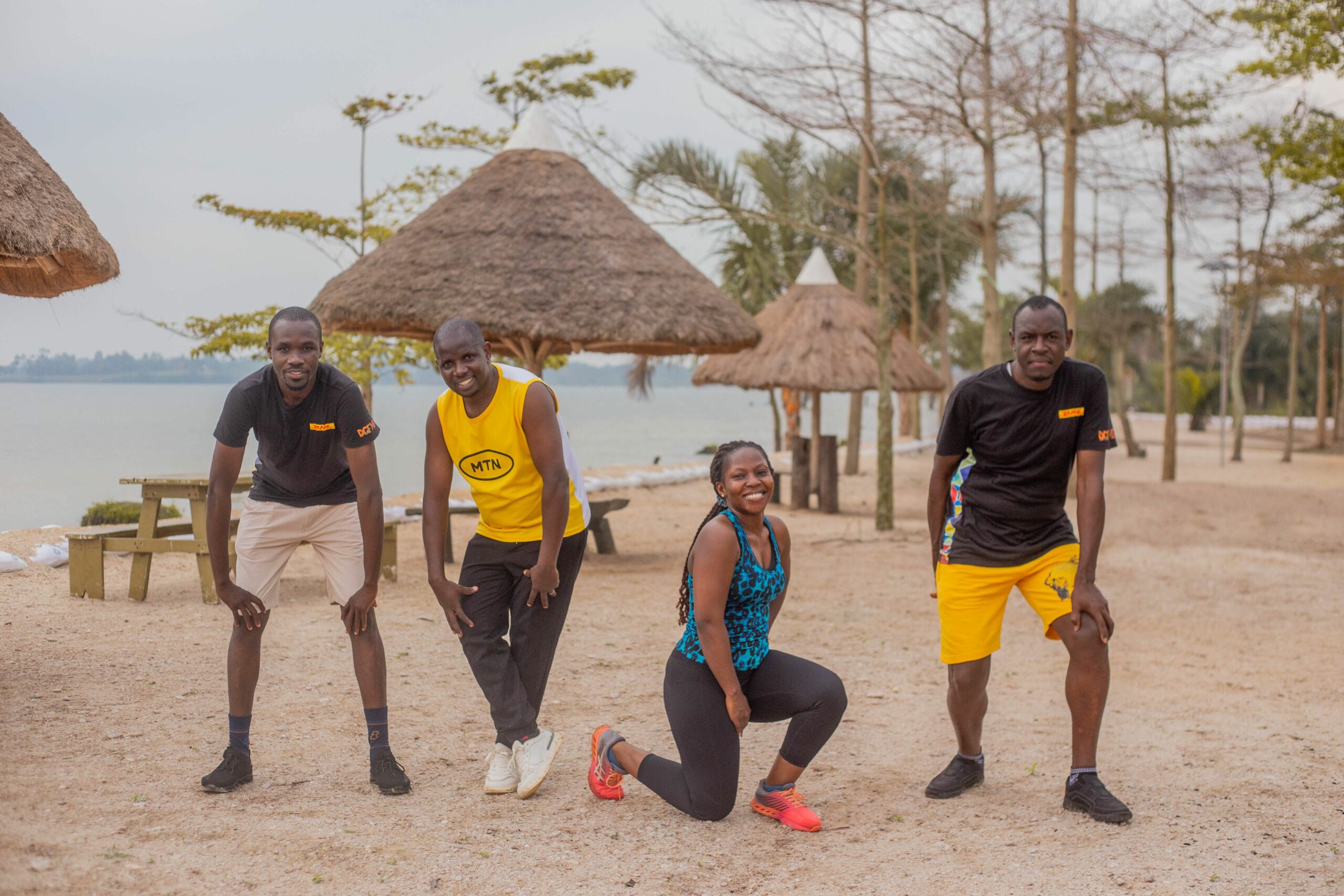

Fitness ambassador programs work best when you treat them like a measurable performance channel, not a vague brand love initiative. In practice, that means clear terms, predictable compensation, and tracking that ties creator activity to revenue or qualified actions. The upside is real: ambassadors can produce a steady stream of credible content, community touchpoints, and referrals that paid ads often struggle to match. However, the same programs fail when brands overpromise perks, under-brief creators, or skip measurement. This guide breaks down the mechanics so you can launch, price, and manage an ambassador program that stays fair for creators and profitable for the brand.
What a fitness ambassador program is – and what it is not
A fitness ambassador program is a structured partnership where creators, trainers, athletes, or community leaders promote a fitness brand over time in exchange for compensation, perks, or both. Unlike a one-off sponsored post, an ambassador relationship is ongoing and usually includes recurring deliverables, a discount code or affiliate link, and a defined term (for example, 3 months). It is not the same as a casual gifting campaign where you send product and hope for content, and it is not automatically a full influencer retainer unless you contract it that way. The key difference is consistency: you are building a repeatable pipeline of content and referrals. To keep it clean, write down what “ambassador” means for your brand: duration, deliverables, usage rights, and how performance is rewarded.
Before you recruit anyone, define the terms you will use in your brief and contract. CPM is cost per thousand impressions, CPV is cost per view (common for video), and CPA is cost per acquisition (a purchase, trial, or lead). Engagement rate is typically (likes + comments + saves) divided by followers, while reach is unique accounts exposed and impressions are total views including repeats. Whitelisting means running paid ads through a creator’s handle with permission, and usage rights define how you can reuse their content (organic only, paid ads, email, website, and for how long). Exclusivity restricts the creator from working with competitors for a period, and it should be paid because it limits their income. If you want a deeper library of measurement and planning tactics, keep a tab open on the InfluencerDB Blog resources for influencer programs and reference it while you build your internal playbook.
Choose the right program model: affiliate, hybrid, or retainer

Most brands default to affiliate-only because it feels low risk, but it often attracts low-effort promotion unless the product has strong pull. A better approach is to match the model to your margins, purchase cycle, and content needs. Affiliate-only works when you have a high-converting offer, a clear audience fit, and you can support creators with assets and landing pages. Hybrid programs combine a small fixed fee with performance upside, which usually improves content quality and consistency. Retainer-style ambassador programs make sense when you need predictable deliverables like weekly Reels, monthly YouTube integrations, or in-person event coverage.
Use a simple decision rule: if you need guaranteed content volume, pay a base. If you need guaranteed sales volume, pay for performance and invest in conversion rate optimization. If you need both, go hybrid and set a minimum content cadence plus a performance kicker. Also, consider your product category: supplements and apparel can work well with affiliate codes, while premium equipment often needs more education and may require a higher base fee because the purchase cycle is longer. As you decide, document what “good performance” means in your niche: first purchases, subscription starts, app trials, or leads booked with a coach.
Recruiting for fitness ambassador programs: a practical selection checklist
Recruiting is where most programs quietly win or lose. Start with audience fit and credibility, then validate performance signals. A creator with 8,000 followers who posts consistent training content and has a trusted comment section can outperform a larger account that rarely drives action. Look for proof of influence: repeat commenters, story replies, and prior brand partnerships that feel natural. Next, check content quality: lighting, audio, framing, and whether they can explain benefits without sounding scripted. Finally, confirm operational reliability: do they hit deadlines, follow briefs, and disclose partnerships correctly?
Here is a selection checklist you can copy into your outreach doc:
- Audience match – location, age, training goals, and spending power align with your offer.
- Content format fit – they already publish the formats you need (Reels, TikTok, YouTube Shorts, long-form, newsletters).
- Engagement quality – comments show real questions and conversations, not only emojis.
- Brand safety – no risky claims, no hateful content, and a tone that matches your brand.
- Proof of conversion – past affiliate screenshots, link clicks, or case studies when available.
- Consistency – steady posting cadence for at least 90 days.
When you shortlist candidates, ask for a simple media kit plus two screenshots: one showing reach and one showing link clicks or sticker taps from a recent story. If you are working in regulated areas like supplements, also ask how they talk about results and whether they are comfortable sticking to compliant language. For disclosure expectations, align with the FTC’s guidance on endorsements and testimonials at FTC Endorsement Guides.
Pricing and compensation: benchmarks, formulas, and a negotiation script
Ambassador pricing should be anchored to deliverables and usage, then adjusted for performance. A common mistake is paying only by follower count, which ignores format, effort, and conversion power. Instead, price each deliverable type, then add line items for usage rights, whitelisting, and exclusivity if you need them. For example, a creator might charge for 2 Reels and 4 story frames per month, plus a paid usage license for 90 days. If you want them to avoid competitor partnerships, pay an exclusivity fee that reflects the opportunity cost.
Use these simple formulas to keep negotiations grounded:
- CPM-based fee = (expected impressions / 1000) x target CPM
- CPA-based payout = target CPA x expected conversions (or pay per conversion directly)
- Hybrid monthly = base fee + (commission rate x tracked revenue)
Example: you expect 40,000 impressions per month across Reels and stories. If your target CPM is $18, the CPM-based fee is (40,000/1000) x 18 = $720. If the creator also drives 25 orders and your target CPA is $20, you could structure a $400 base plus $20 per order, capped or uncapped depending on margin. The point is not to force one model, but to show your math so both sides can agree on what “fair” means.
| Comp element | What it covers | When to use it | Typical structure |
|---|---|---|---|
| Base fee | Guaranteed content creation and posting | You need predictable deliverables | Monthly retainer tied to a deliverables list |
| Affiliate commission | Performance incentive on tracked sales | You want scalable payouts | % of net sales or flat $ per order |
| Usage rights | Brand reuse of content in owned channels or ads | You will repost or run paid social | Fixed fee for 30 to 180 days, scoped by channels |
| Whitelisting | Running ads through creator handle | You want higher CTR and social proof | Monthly fee plus ad spend handled by brand |
| Exclusivity | Restricts competitor partnerships | Your category is crowded | Premium on top of base, defined by category and time |
Negotiation script that keeps things respectful: “We can do a monthly base tied to X deliverables, and we will add performance upside via a commission. If you want us to run your content as ads, we will include a separate usage and whitelisting line item so you are paid for that value.” This approach reduces friction because you are not asking for extra rights for free. It also makes it easier to compare creators apples-to-apples when you are building a roster.
Build the brief and contract: deliverables, rights, and compliance
A strong brief prevents 80 percent of back-and-forth. Start with one paragraph on the audience and the product promise, then list the deliverables with exact counts and formats. Specify the creative guardrails: claims to avoid, words you want included, and what must be shown on camera (logo, packaging, app screen, or workout demo). Next, define the timeline: draft due dates, revision rounds, and posting windows. Finally, include measurement requirements: UTM links, discount codes, and screenshot reporting.
Your contract should mirror the brief and remove ambiguity. Include payment terms, late delivery handling, and content ownership. Spell out usage rights in plain language: where you can use the content, for how long, and whether paid advertising is included. If you need whitelisting, define the access method and the approval process for ads. For platform rules, creators should also follow the disclosure tools and branded content policies on the platforms they use, including Meta’s branded content guidance at Meta Branded Content Policies.
| Contract clause | Why it matters | What to specify |
|---|---|---|
| Deliverables | Defines what you are buying | Counts, formats, length, talking points, posting dates |
| Usage rights | Prevents disputes over reuse | Channels, duration, paid vs organic, territories |
| Exclusivity | Protects category positioning | Competitor definition, time window, carve-outs |
| Disclosure | Reduces legal and trust risk | Hashtags, platform tools, placement (first lines, on-screen) |
| Reporting | Makes performance visible | UTMs, code usage, screenshots, reporting cadence |
One practical takeaway: add a “claims checklist” appendix for fitness and wellness. It should ban before-and-after promises, guarantee language, and unsubstantiated health claims. If you sell supplements, require that creators stick to structure-function language you approve. That single page can save you from a compliance headache later.
Tracking and ROI: what to measure and how to calculate it
Ambassador programs feel fuzzy when tracking is sloppy. Fix that with a measurement stack that matches your funnel. At minimum, every ambassador should have a unique discount code and a unique UTM link. If you sell on Shopify, most brands can track code usage and UTM-driven revenue, then reconcile it with platform analytics. For apps, use deep links and track trials, activations, and paid conversions. For gyms or studios, use lead forms and a simple CRM tag for “ambassador source.”
Measure outcomes at three levels: content, traffic, and conversion. Content metrics include reach, impressions, view-through rate, saves, and shares. Traffic metrics include link clicks, landing page views, and click-through rate. Conversion metrics include orders, revenue, trial starts, cost per acquisition, and repeat purchase rate. Then, calculate ROI with a formula your finance team will accept: ROI = (gross profit from tracked sales – total program cost) / total program cost. If you cannot get profit, use contribution margin or at least revenue minus cost of goods sold.
Example calculation: you pay $1,500 in monthly base fees across a small roster and $500 in commissions, so total cost is $2,000. Tracked revenue is $8,000 with a 60 percent gross margin, so gross profit is $4,800. ROI = (4,800 – 2,000) / 2,000 = 1.4, or 140 percent. That is the number that justifies scaling. If ROI is negative, do not panic: diagnose whether the issue is offer, audience fit, or content format, then run a controlled test for 30 days.
Operating cadence: onboarding, content pipeline, and community flywheel
Operational discipline is what turns a handful of creators into a program. Start with onboarding: a 30-minute call, a one-page brand guide, and a shared folder with product shots, logos, and approved claims. Next, set a content pipeline. A simple rhythm works well: creators submit concepts at the start of the month, you approve within 48 hours, and they deliver drafts on a rolling schedule. Keep feedback tight and specific: one or two changes that improve clarity or compliance, not a full rewrite that kills their voice.
To build a community flywheel, give ambassadors reasons to stay engaged beyond money. Feature them on your brand channels, invite them into product testing, and share performance snapshots so they know what is working. Also, collect learnings: which hooks drive saves, which workouts keep retention, and which offers convert. Over time, your best ambassadors become creative R and D for your marketing team. If you want more ideas for turning creator content into repeatable campaigns, browse the and adapt the templates to fitness.
Common mistakes (and how to avoid them)
Mistake 1: Paying in product only. Product can be a nice bonus, but it rarely buys consistent deliverables. Fix it by offering a small base fee or a clear performance payout. Mistake 2: Vague deliverables. “Post sometimes” leads to disappointment on both sides. Fix it with a deliverables table and dates. Mistake 3: Asking for unlimited usage. If you want to run ads, pay for usage rights and define the term. Mistake 4: Over-indexing on follower count. In fitness, trust and format matter more than raw size. Fix it by reviewing recent content performance and comment quality.
Mistake 5: No tracking beyond a discount code. Codes miss attribution when people do not use them. Fix it by pairing codes with UTMs and landing pages. Mistake 6: Ignoring compliance. Fitness claims can cross the line quickly. Fix it with a claims checklist and a disclosure requirement. Mistake 7: Treating ambassadors like ad units. Creators are partners with an audience relationship you cannot buy. Fix it by giving them creative room and focusing feedback on outcomes, not micromanagement.
Best practices: a simple blueprint you can implement this month
Start small, then scale what works. First, recruit 10 to 20 ambassadors with clear roles: a few content-first creators, a few conversion-first affiliates, and a few community connectors like trainers or coaches. Second, standardize your offer: base fee tiers, commission rates, and usage add-ons so negotiations do not drag on. Third, build a monthly scorecard that combines reach, clicks, and conversions, then review it with creators so they can improve. Fourth, refresh creative prompts every month: new workout challenges, seasonal goals, or product bundles that give them a reason to post.
Here is a concrete 30-day launch plan:
- Week 1 – define program model, draft brief and contract, set tracking (UTMs, codes, landing page).
- Week 2 – recruit and sign 10 ambassadors, onboard them, ship product if relevant.
- Week 3 – approve concepts, collect drafts, ensure disclosures and claims are correct.
- Week 4 – publish content, boost top posts if you have usage rights, review scorecard and iterate.
Finally, protect the relationship with clarity. Pay on time, respond quickly, and share what you learn from the data. When creators see that you run a fair program and can prove results, they stick around. That is how ambassador programs become an asset instead of a recurring scramble.